


 English
 中文简体
 русский
 Español
 عربى

35kV Power Cables for Subway and Urban Rail Transit: Safety, Reliability, and Advanced Manufacturing
Content
- 1 1. The Role of 35kV Cables in Urban Rail Transit
- 2 2. Product Overview
- 3 3. Key Technical Characteristics
- 4 4. Technical Data Summary
- 5 5. Installation Requirements and Practical Considerations
- 6 6. Advantages Compared with Conventional Cable Options
- 7 7. Advanced Manufacturing Capabilities
- 8 8. Applications in Rail Transit Projects
- 9 9. Project Selection Guide
- 10 10. Company Strength and Customer Support
- 11 11. Quality, Compliance, and Documentation
- 12 12. Maintenance and Lifecycle Benefits
- 13 13. Frequently Asked Questions
- 13.1 What is the primary application of this 35kV cable?
- 13.2 What rated voltage options are available?
- 13.3 What insulation material is used?
- 13.4 What is the maximum short-circuit conductor temperature?
- 13.5 Are halogen-free versions available?
- 13.6 Are low-halogen versions available?
- 13.7 Can the cable resist termites and rodents?
- 13.8 What conductor sizes can be supplied?
- 13.9 What is the minimum bending radius?
- 13.10 Can the cable be installed below 0°C?
- 13.11 Which fire-retardant grades are available?
- 13.12 What testing is required before energization?
- 13.13 Why are these cables suitable for subway tunnels?
- 13.14 What manufacturing capabilities support the product?
- 14 14. Conclusion
- 15 References
- 16 Product: Power Cable for Subway and Urban Rail Transit (Rated Voltage 35kV)
Urban rail transit systems depend on stable and secure electrical infrastructure. Subways, light railways, and urban commuter lines operate in environments where power cables must withstand continuous electrical loading, restricted ventilation, mechanical stress, moisture, biological damage, and demanding fire-safety requirements. A cable failure in a tunnel, underground station, or trackside power network can interrupt transportation services, create major maintenance challenges, and increase risks to passengers and operating personnel.
Power cables for subway and urban rail transit rated at 35kV are designed to address these challenges. They provide medium-voltage power transmission for rail transit distribution networks while combining electrical performance with low-smoke, low-halogen or halogen-free, flame-retardant, anti-termite, and anti-rodent properties. These features make them particularly suitable for complex underground and trackside installations where fire safety, evacuation visibility, and long-term physical protection are essential.
The product range described in this article includes cables with rated voltages of 21/35kV and 26/35kV, conductor cross-sections up to 630mm², XLPE insulation, and polyolefin-based sheath structures. Depending on the selected construction, the cables can provide low-smoke, halogen-free performance or low-halogen, low-fume performance, together with protection against ultraviolet exposure, termites, and rodents.
Manufactured by Wuxi Guanghuan Cable Co., Ltd., these cables are developed for modern rail transit power systems and supported by the company’s large-scale manufacturing capabilities, testing resources, engineering experience, and broad cable product portfolio. Their design reflects the increasingly strict safety expectations placed on power infrastructure in densely populated transportation environments.
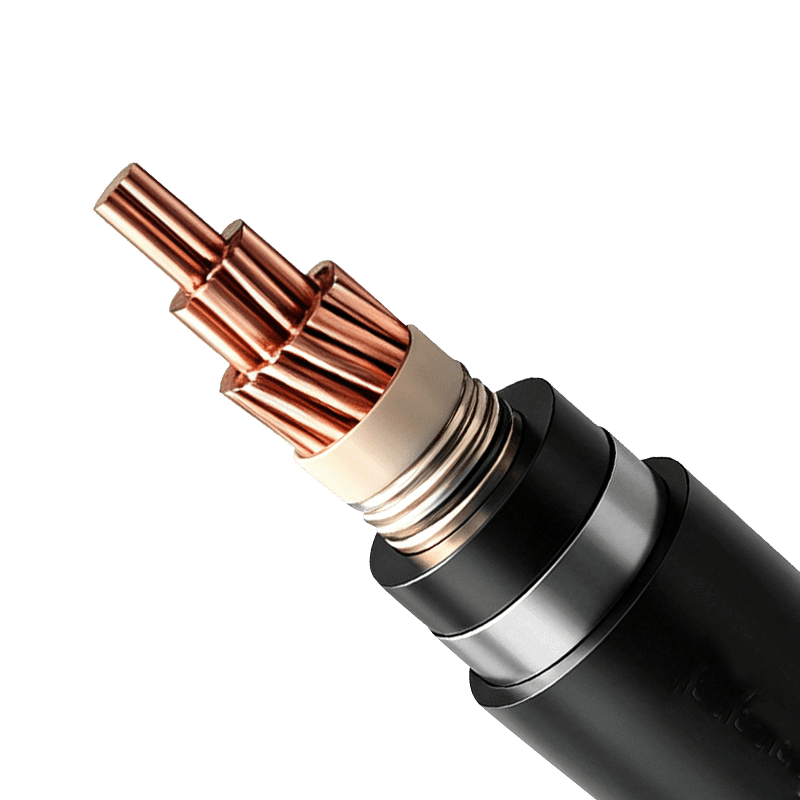
Power Cable for Subway and Urban Rail Transit (Rated Voltage 35kV)
1. The Role of 35kV Cables in Urban Rail Transit
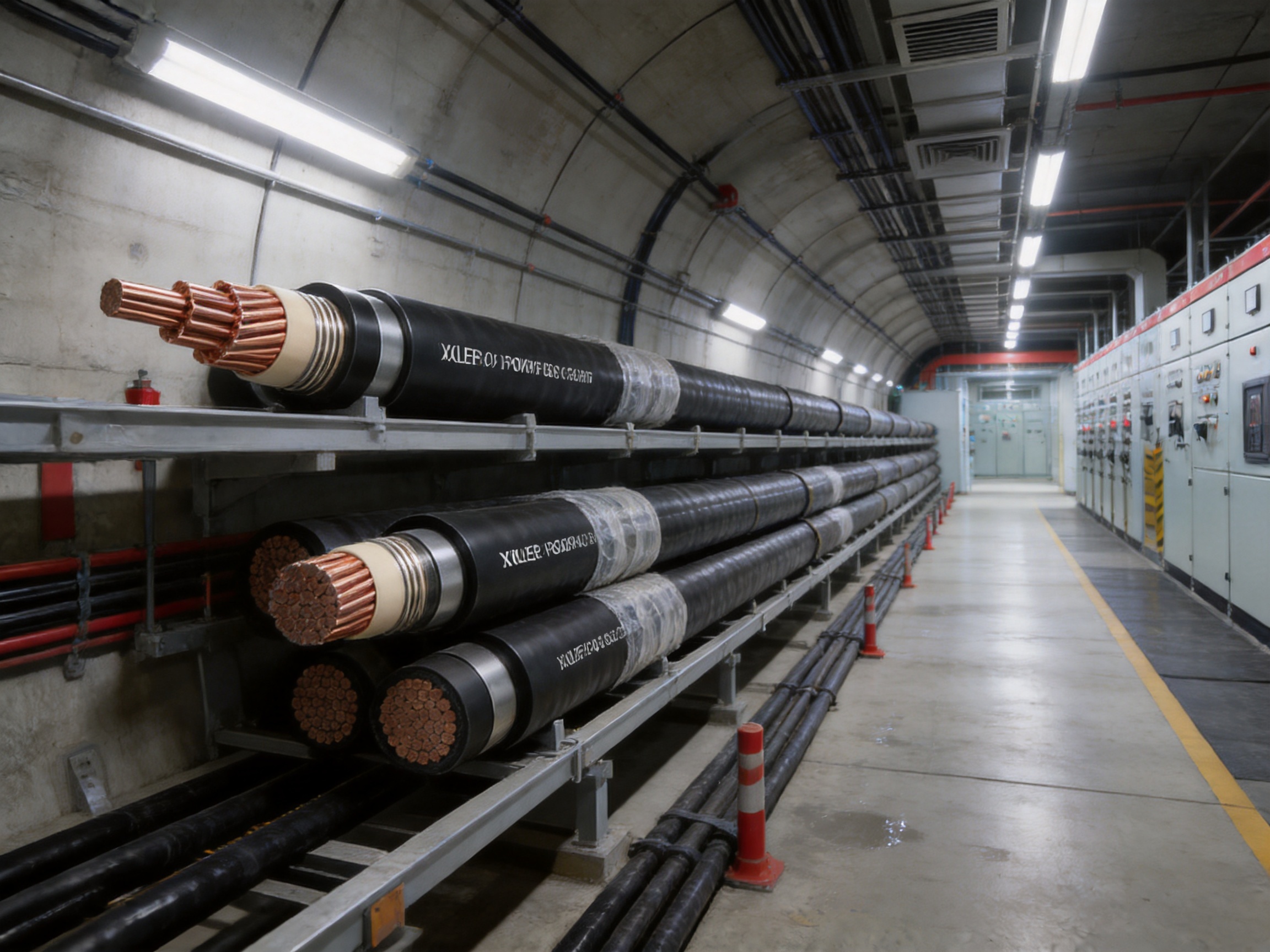
Subway and light rail systems require reliable power at multiple levels. Traction systems, station equipment, ventilation systems, signaling systems, lighting, communication equipment, drainage pumps, fire-control systems, escalators, and emergency facilities all depend on electrical distribution networks. A medium-voltage cable rated at 35kV is commonly used in the primary or sectional power supply network that distributes electricity between substations, switchgear assemblies, transformers, and other critical equipment.
Compared with ordinary building power cables, rail transit cables are exposed to a more demanding combination of operating conditions. They may be installed in cable trenches, tunnels, station service areas, underground shafts, trackside ducts, equipment rooms, or outdoor sections along elevated and ground-level routes. Each environment imposes different requirements for electrical insulation, bending, mechanical protection, fire behavior, chemical resistance, and biological resistance.
Underground rail systems present additional safety concerns. In a confined tunnel, smoke can spread rapidly and visibility can fall sharply during a fire. Corrosive gases released by unsuitable cable materials may damage metallic equipment and create additional hazards for passengers and emergency responders. For this reason, low-smoke and halogen-free cable materials are increasingly preferred in enclosed public transportation facilities.
Biological damage is another practical concern. Termites and rodents can attack cable sheaths and weaken electrical systems. Damage may occur during storage, construction, operation, or maintenance, especially in areas where cables are installed near soil, vegetation, drainage channels, service passages, or structures that provide access for pests. A cable with dedicated anti-termite and anti-rodent protection can reduce the probability of sheath penetration and the resulting risk of insulation damage or electrical faults.
2. Product Overview
The 35kV subway and urban rail transit power cable is a medium-voltage cable designed for power transmission in subway, light rail, and related urban railway projects. Its main design objective is to combine stable electrical performance with enhanced safety in public transportation environments.
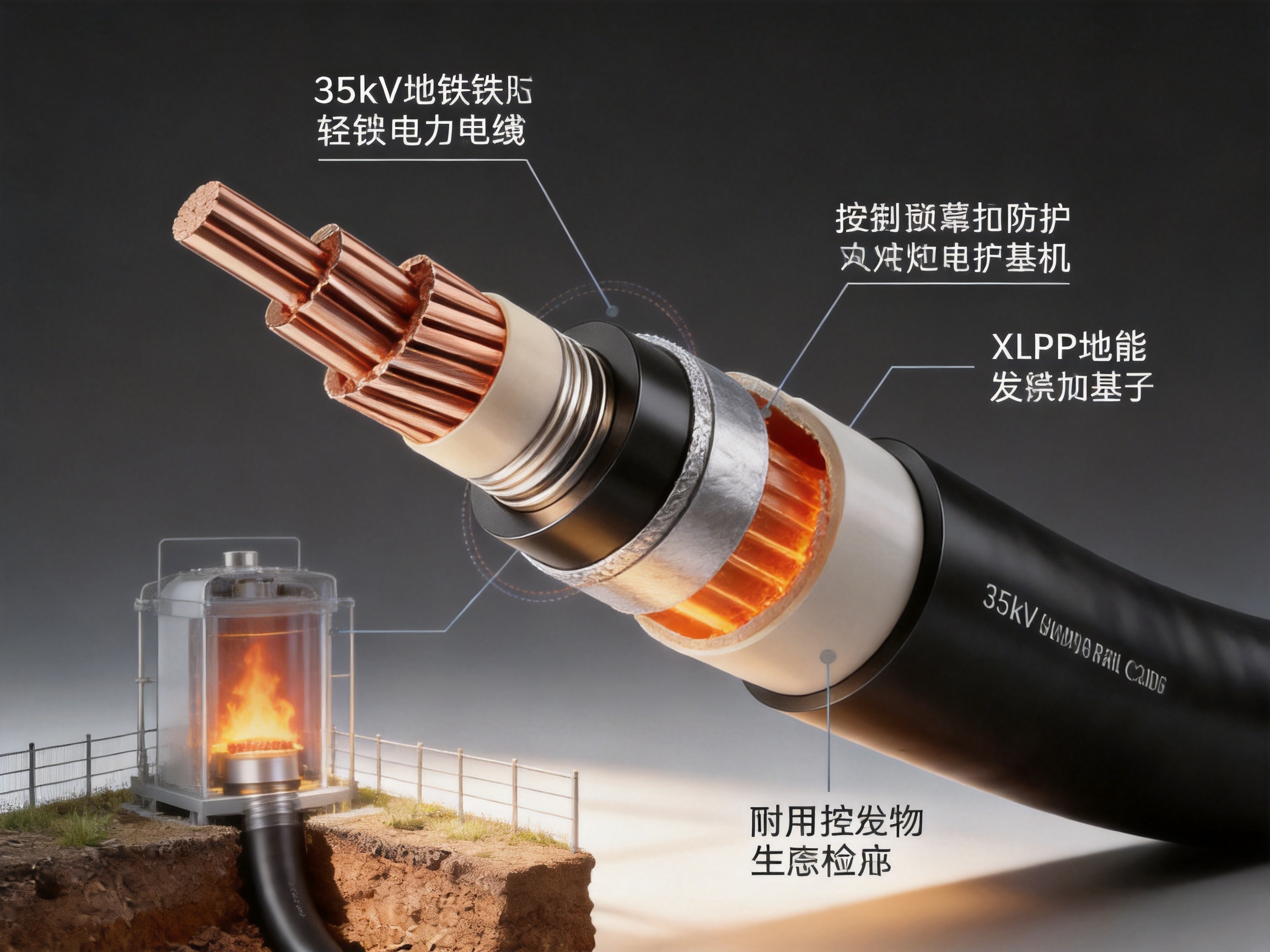
The cable series uses XLPE insulation to provide dependable dielectric performance and suitable thermal capability. The sheath uses polyolefin-based materials in relevant product constructions, supporting low-smoke and low-halogen or halogen-free performance. Depending on the specified model, the cable may also incorporate flame-retardant characteristics, ultraviolet protection, anti-termite protection, and anti-rodent protection.
Representative product models include:
(FZ-FSY)-WD-TYJY, a copper-conductor, XLPE-insulated, polyolefin-sheathed, non-halogen, low-fume power cable for subway and light rail applications, with ultraviolet, termite, and rodent resistance.
(FZ-FSY)-DD-TYJV, a copper-conductor, XLPE-insulated power cable with low-halogen and low-fume performance for subway and light rail applications, also incorporating ultraviolet, termite, and rodent resistance.
Flame-retardant grades identified as ZA, ZB, or ZC can be supplied according to project requirements. The appropriate grade should be selected according to the project’s fire classification, cable arrangement, installation method, local regulations, and system design documentation.
The production range covers conductor cross-sections up to and including 630mm². This broad range enables the same cable family to serve different load levels, feeder arrangements, and power distribution configurations across rail transit projects.
3. Key Technical Characteristics
3.1 Rated Voltage
The cables are available for rated voltage levels of 21/35kV and 26/35kV, expressed as U0/U. In this designation, U0 represents the rated voltage between the conductor and earth, while U represents the rated voltage between conductors.
The 21/35kV and 26/35kV voltage classes allow project engineers to select a product compatible with the design voltage of the rail transit distribution network. Voltage selection should be coordinated with the utility interface, substation arrangement, grounding method, protective equipment, and applicable project standards.
3.2 Conductor and Conductor Cross-Section
The cable uses a copper conductor in the representative models. Copper provides high electrical conductivity and supports compact cable construction, reliable termination, and stable performance under medium-voltage operating conditions.
Conductor cross-sections are available up to 630mm². The required cross-section depends on several factors, including continuous load current, installation method, ambient temperature, grouping, voltage drop, short-circuit current, allowable temperature, and future expansion requirements.
Using a product family with multiple conductor sizes can simplify project standardization. It allows designers and contractors to specify compatible cable constructions for main feeders, sectional feeders, transformer connections, and other medium-voltage circuits while maintaining consistent material and manufacturing requirements.
3.3 XLPE Insulation
Cross-linked polyethylene insulation is widely used in modern medium-voltage cables because it offers a combination of electrical strength, thermal stability, mechanical performance, and long service potential. The insulation system is designed to maintain its dielectric properties under continuous operating voltage and temporary overload conditions.
For this cable series, the maximum permissible continuous conductor operating temperature is 90°C. During a short circuit, the conductor temperature may reach up to 250°C for the specified maximum short-circuit duration of five seconds, subject to the applicable technical requirements and project design conditions.
Short-circuit performance depends not only on the conductor size but also on the insulation system, screen construction, installation conditions, protective relay clearing time, and termination design. Cable selection should therefore be coordinated with the complete protection and distribution system.
3.4 Low-Smoke and Halogen-Free Performance
One of the most important advantages of the cable series is its focus on low-smoke and halogen-free or low-halogen performance. During a fire, conventional halogen-containing materials may generate dense smoke and corrosive gases. These emissions can reduce visibility, complicate evacuation, affect emergency response, and damage sensitive equipment.
The halogen-free cable construction is designed to achieve light transmittance of not less than 60% during combustion. The total emission of halogen acid gas is limited to no more than 5mg/g. The pH value of the evolved gas is not less than 4.3, while conductivity is not more than 10μS/mm.
These indicators are especially important in underground railway stations and tunnels. Better visibility can assist passengers and emergency personnel during evacuation. Reduced corrosive gas emissions can also help limit secondary damage to switchgear, control systems, signaling installations, and communication equipment.
Low-halogen versions are also available for projects where the specified fire and environmental requirements permit their use. The provided technical information identifies a light transmittance requirement of not less than 30% for low-halogen cable and an acid gas emission value of not less than 100mg/g in the stated test description. Project engineers should confirm the exact required classification and test method before placing an order, since fire-performance terminology and limits may vary by applicable standard.
3.5 Flame Retardancy
Flame-retardant construction helps limit the spread of fire along a cable route. In a rail transit environment, cables are often installed in groups or alongside other electrical and communication systems. If a fire spreads along a cable installation, the consequences can extend beyond the original fault location.
ZA, ZB, and ZC flame-retardant grades can be provided according to customer requirements. The correct grade should be selected based on cable grouping, vertical or horizontal installation, tunnel geometry, fire compartmentation, emergency strategy, and the project’s governing standards.
3.6 Anti-Termite and Anti-Rodent Protection
Termite and rodent resistance is a distinguishing feature of this cable range. The protective sheath is designed to create a barrier against biological attack and to resist environmental stress cracking. This helps interrupt the damage chain in which a pest penetrates the sheath, exposes the underlying components, weakens insulation protection, and eventually causes leakage or a short circuit.
Anti-biological protection is valuable in underground sections, cable trenches, trackside areas, drainage zones, service corridors, and locations close to soil or vegetation. It can reduce the need for repeated repairs and improve the reliability of installations that are difficult or expensive to access.
Compared with an ordinary power cable without dedicated biological protection, a cable with anti-termite and anti-rodent characteristics offers a more suitable risk-control approach for rail transit projects exposed to pest activity. The benefit is not limited to preventing visible sheath damage; it also supports long-term insulation protection and reduces the likelihood of unplanned service interruptions.
3.7 Ultraviolet Protection
Although many subway cables are installed indoors or underground, rail transit networks also include elevated sections, depots, substations, outdoor cable routes, and ground-level structures. Ultraviolet exposure can accelerate aging of some sheath materials. Product constructions with ultraviolet protection are therefore useful for installations where sections of cable may be exposed to sunlight during operation or maintenance.
Ultraviolet protection is particularly relevant where cables transition between underground and outdoor areas, pass through open service corridors, or are installed in outdoor equipment compounds. The actual exposure conditions should be considered during design, and additional protective measures may be used where required.
4. Technical Data Summary
Item |
Specification or Performance |
Application |
Subway, light rail, urban commuter rail, tunnels, stations, and rail transit power networks |
Rated voltage |
21/35kV and 26/35kV |
Conductor material |
Copper, with direct-current resistance according to the applicable standard |
Insulation |
XLPE |
Sheath materials |
Polyolefin-based constructions for applicable low-smoke and halogen-free designs |
Maximum continuous conductor temperature |
90°C |
Maximum short-circuit conductor temperature |
250°C for the specified maximum short-circuit duration of five seconds |
Production range |
Conductor cross-sections up to 630mm² |
Halogen-free cable light transmittance |
Not less than 60% |
Halogen-free acid gas emission |
Not more than 5mg/g |
Halogen-free evolved gas pH |
Not less than 4.3 |
Halogen-free evolved gas conductivity |
Not more than 10μS/mm |
Installation temperature |
Normally not lower than 0°C; project instructions should be followed for cold-weather installation |
Minimum bending radius during installation |
Single-core unarmored: 20D; single-core armored: 15D; three-core unarmored: 15D; three-core armored: 12D |
D represents the external diameter of the cable. The bending radius values near connection boxes and terminals may differ from the values used during general installation. In those locations, the stated values are 15D for single-core unarmored cable, 12D for single-core armored cable, 12D for three-core unarmored cable, and 12D for three-core armored cable. Bending must be carefully controlled, especially when using formed guide plates or other routing tools.
5. Installation Requirements and Practical Considerations
5.1 Installation Temperature
The recommended ambient temperature for installation should generally be no lower than 0°C. Low temperatures can reduce the flexibility of sheath and insulation materials and increase the risk of excessive mechanical stress during cable pulling and bending.
When installation must take place in colder conditions, the project team should follow the manufacturer’s approved preheating and handling procedures. The supplied technical information also indicates that when the cable is laid at an ambient temperature of 0°C, special preheating and falling limitations may not be necessary under the applicable product conditions. Site teams should nevertheless confirm the exact requirement for the selected construction and local installation environment.
5.2 Bending Radius
Maintaining the correct bending radius is essential for medium-voltage cable reliability. Excessive bending can deform the insulation system, disturb the screen or protective layers, damage the sheath, and create stress concentrations near terminals and joints.
For general installation, the minimum bending radius is 20D for single-core unarmored cable, 15D for single-core armored cable, 15D for three-core unarmored cable, and 12D for three-core armored cable. Near connection boxes and terminals, tighter values may be permitted only when bending is carefully controlled and the installation method is appropriate.
Contractors should use suitable rollers, pulling equipment, guide plates, and corner supports. Cable routes should be inspected before delivery so that sharp bends, obstructions, standing water, and insufficient pulling space can be addressed in advance.
5.3 Cable Pulling and Handling
Medium-voltage cables should not be dragged directly across rough surfaces or pulled over sharp edges. Cable drums must be transported, stored, and unwound in accordance with their marked direction of rotation. The pulling tension should remain within the approved limit, and sidewall pressure should be considered at bends.
Before installation, the cable should be inspected for visible damage, moisture entry, sheath deformation, and end-seal failure. Cable ends should remain sealed until termination or jointing work begins. If a cable has been exposed to water or mechanical impact, appropriate electrical and sheath tests should be completed before energization.
5.4 Terminations and Joints
Terminations and joints are critical parts of any medium-voltage cable system. Even a high-quality cable can experience premature failure if the installation of stress-control components, screens, insulation interfaces, or sealing systems is not performed correctly.
Jointing and termination work should be completed by trained personnel using compatible accessories. The accessory rating should match the cable voltage, conductor cross-section, insulation diameter, screen arrangement, and environmental conditions. Particular care is required in tunnels and underground equipment rooms where moisture, condensation, dust, and restricted working space may affect installation quality.
5.5 Testing Before Energization
The cable should undergo the specified routine, sample, and type tests required by the applicable standard and project documentation. The supplied information specifies resistance testing at 3.5U0 under AC and DC conditions. Additional tests may include conductor resistance, insulation performance, sheath integrity, partial discharge, dimensional inspection, and fire-performance verification.
Test procedures should be agreed by the manufacturer, contractor, consultant, and owner before site commissioning. Records should include cable drum identification, installation location, test voltage, test duration, measured values, ambient conditions, and the identities of responsible personnel.
6. Advantages Compared with Conventional Cable Options
6.1 More Suitable for Confined Public Environments
Ordinary power cables may provide adequate electrical transmission in general industrial applications, but rail transit projects impose additional fire and environmental requirements. The low-smoke, halogen-free construction of this product range is specifically suited to confined public areas where smoke density and corrosive emissions can affect evacuation and equipment safety.
This does not mean that every rail project requires the same cable grade. However, where underground installation, passenger occupancy, limited ventilation, and complex emergency access are present, the additional fire-performance characteristics can provide a meaningful advantage over conventional cable constructions.
6.2 Integrated Biological Protection
Many standard power cables do not include dedicated protection against termites and rodents. Adding external conduits or chemical treatments may increase installation complexity and maintenance requirements. The integrated anti-termite and anti-rodent approach used in this product family places the protective function within the cable construction itself.
This integrated approach can help reduce weak points along the route and is particularly valuable where cable replacement would require track access, tunnel closure, excavation, or extended service interruption.
6.3 Wider Application Flexibility
The availability of 21/35kV and 26/35kV voltage levels, conductor sizes up to 630mm², armored and unarmored constructions, low-halogen and halogen-free options, and optional flame-retardant grades gives project designers more flexibility.
A product family with multiple configurations can support different parts of a rail network without forcing every application into a single cable design. This allows the technical specification to be matched to the actual risk profile, installation environment, electrical load, and fire-safety strategy.
6.4 Balance Between Electrical and Mechanical Performance
The cable structure is designed to balance stable electrical performance with physical toughness. XLPE insulation supports medium-voltage operation, while the outer protective materials provide resistance against environmental stress cracking and biological damage.
This balance is important because a cable used in a tunnel must tolerate more than electrical voltage. It must also withstand pulling, bending, vibration, local abrasion, environmental moisture, and possible contact with pests or construction materials.
6.5 Support for Long-Term Asset Reliability
Rail transit power cables are long-term infrastructure assets. Their replacement may require coordinated shutdowns, track access windows, safety permits, specialist crews, and significant labor. Improving resistance to fire, pests, ultraviolet exposure, and environmental stress can contribute to a longer and more predictable service life.
Reliability should always be evaluated as part of a complete system. Correct cable selection, installation, termination, protection coordination, inspection, and maintenance are all necessary. Nevertheless, choosing a cable specifically engineered for rail transit conditions can reduce the mismatch between product capability and application demands.
7. Advanced Manufacturing Capabilities
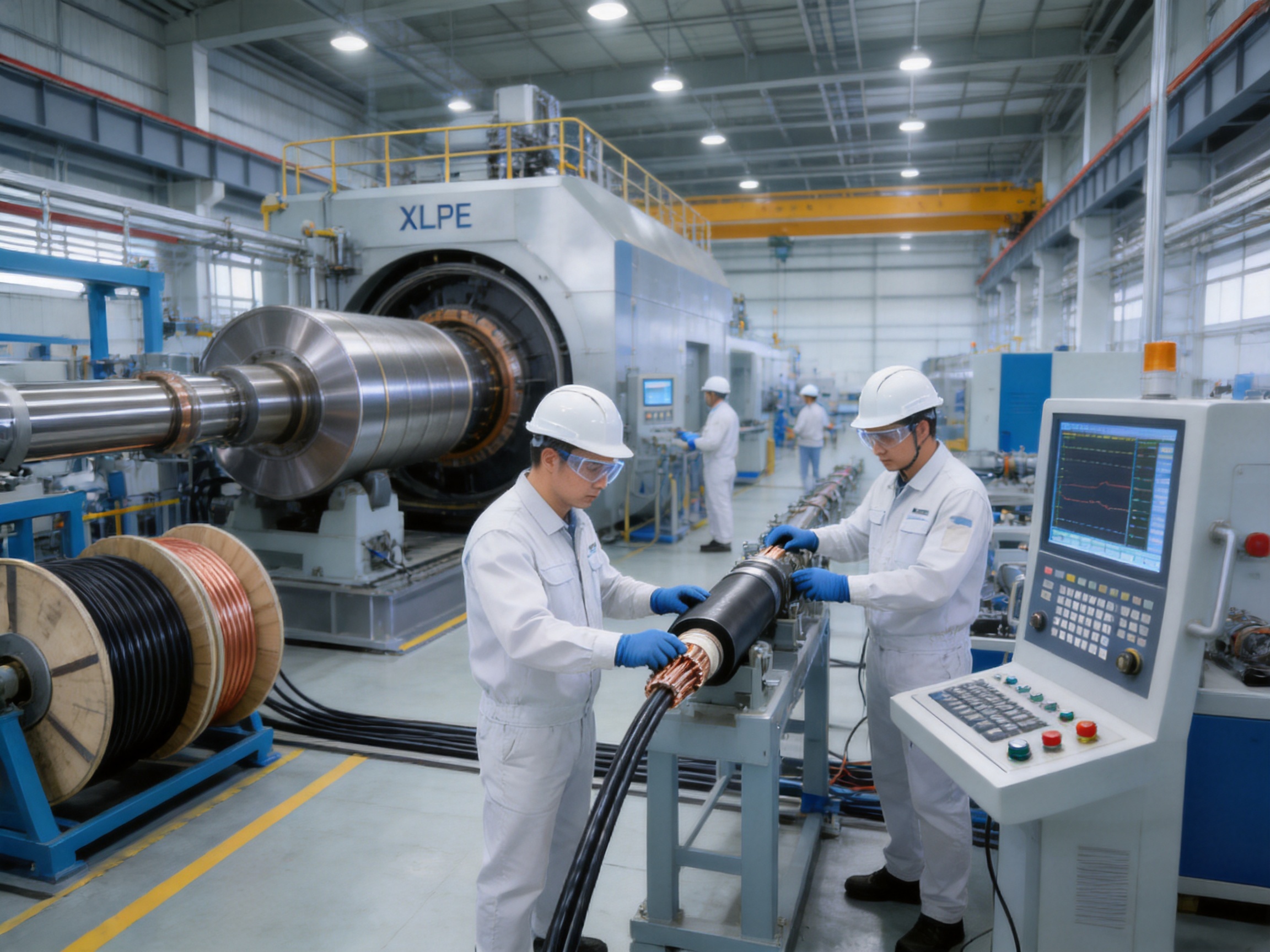
Wuxi Guanghuan Cable Co., Ltd. was founded in 1998 and is headquartered in Guanlin Town, Yixing City, Jiangsu Province, an area recognized for its cable manufacturing industry. The company operates a large production and testing complex covering more than 100,000 square meters, including more than 45,000 square meters of building area.
The company reports more than 70 advanced production and testing lines and a workforce of more than 140 employees, including more than 30 technical professionals. Its reported annual sales revenue is approximately RMB 2 billion, while annual output value exceeds RMB 3 billion. These resources provide a manufacturing base capable of supporting large-volume orders, multiple product constructions, and technically demanding cable projects.
7.1 Controlled Conductor Processing
Conductor preparation is fundamental to cable performance. The conductor must meet requirements for material quality, cross-sectional area, electrical resistance, surface condition, flexibility, and dimensional consistency. Controlled conductor processing helps ensure stable resistance and reliable connection performance during termination.
For 35kV rail transit cable, conductor quality must be coordinated with insulation extrusion, screen application, cable formation, and final testing. Variations in conductor geometry can affect insulation thickness, eccentricity, electrical field distribution, and accessory compatibility.
7.2 Precision Insulation Extrusion
XLPE insulation must be applied with uniform thickness and stable concentricity. Online eccentricity monitoring is an important manufacturing control because it can identify deviations during production rather than waiting until final inspection.
Stable extrusion conditions, clean material handling, controlled temperature, appropriate cross-linking, and careful cooling are all important to the performance of medium-voltage insulation. The manufacturing process must minimize contamination, voids, surface defects, and dimensional variation.
7.3 High-Voltage Testing Resources
The company uses high-voltage series-resonance testing equipment and partial-discharge detection equipment. These resources support evaluation of insulation integrity and help identify defects that may not be visible during ordinary dimensional or visual inspection.
Partial-discharge testing is particularly relevant to medium-voltage cable quality because localized defects, contamination, voids, or irregular interfaces can become sources of electrical aging. Detecting potential weaknesses before shipment helps improve confidence in the cable system’s long-term reliability.
7.4 Online Quality Monitoring
Online monitoring equipment enables continuous observation of important production parameters. For a medium-voltage cable, this may include insulation eccentricity, diameter, surface condition, temperature, line speed, and other process variables.
Continuous monitoring provides advantages over purely final-product inspection. It supports early correction, reduces process drift, improves production consistency, and creates a stronger basis for traceability and quality documentation.
7.5 Integrated Testing and Quality Management
Wuxi Guanghuan Cable Co., Ltd. reports certifications including ISO 9001 quality management, ISO 14001 environmental management, ISO 45001 occupational health and safety management, and ISO 50001 energy management. It also reports GB/T 29490 intellectual property management, green management, social responsibility management, and after-sales service management certifications.
These systems indicate that manufacturing is supported by structured management processes extending beyond the production line. For infrastructure products such as 35kV rail transit cable, consistent documentation, process control, environmental management, personnel safety, and after-sales support are all relevant to project execution.
7.6 Broad Product Engineering Experience
The company manufactures power cables, electrical equipment wires and cables, bare conductors, overhead insulated cables, high-speed railway and urban rail transit cables, energy storage cables, photovoltaic cables, and wind power cables. Its product portfolio includes more than 100 categories and more than 30,000 specifications under the registered Liguang brand.
This breadth can support customers that require multiple cable types across a single infrastructure program. A supplier with experience in power transmission, rail transit, renewable energy, and electrical equipment cable applications may be better positioned to coordinate product interfaces and provide consistent technical communication across a project.
8. Applications in Rail Transit Projects
8.1 Subway Main Lines
The cable can be used in 35kV power supply networks serving subway main lines. In this role, it may connect substations, switchgear, transformers, sectionalizing equipment, or other medium-voltage distribution components.
Subway main lines require reliable power because a fault can affect multiple stations or sections of the route. Fire performance and mechanical protection are especially important where cable systems are installed in continuous tunnels or shared service spaces.
8.2 Light Rail and Urban Commuter Rail
Light rail and urban commuter rail systems can include underground, elevated, and open-air sections. A cable construction that combines ultraviolet resistance, biological protection, medium-voltage electrical performance, and low-smoke characteristics can support the varied conditions found across these networks.
For outdoor or semi-exposed routes, the cable design should be matched with the required mechanical protection, support system, water management, and ultraviolet exposure. For underground stations and tunnels, fire performance and low-smoke characteristics may receive greater emphasis.
8.3 Underground Tunnels and Stations
Tunnels and underground platforms are among the most important application areas for low-smoke and halogen-free cables. Limited ventilation makes smoke management difficult, while restricted access can delay emergency response and cable replacement.
The cable’s low-smoke properties can help preserve visibility during a fire, while halogen-free construction is intended to reduce the production of corrosive acid gases. Anti-termite and anti-rodent protection adds another layer of reliability in underground routes and service corridors.
8.4 Trackside and Equipment Areas
Trackside cables may be exposed to vibration, dust, moisture, mechanical contact, ultraviolet radiation, and pest activity. The product’s range of protective features can be specified according to the conditions along each section of the route.
Equipment areas such as substations, depots, and power distribution rooms may also benefit from the cable’s medium-voltage ratings and broad conductor-size range. Cable arrangement, separation, fire stopping, and access for maintenance should be addressed during system design.
9. Project Selection Guide
When selecting a 35kV rail transit cable, engineers should first determine the system voltage and grounding arrangement. The cable rating must be compatible with the distribution network and the insulation coordination of connected equipment.
The required conductor cross-section should then be calculated using continuous load, emergency load, ambient temperature, cable grouping, installation method, voltage drop, and short-circuit conditions. A larger conductor is not automatically the best choice; the design should also consider bending space, termination size, cable weight, thermal dissipation, and installation cost.
The fire-performance grade should be selected according to the project’s fire strategy. Halogen-free construction may be preferred in tunnels, stations, underground passages, control rooms, and other enclosed public areas. Low-halogen construction may be suitable where permitted by the project specification. ZA, ZB, or ZC flame-retardant grades should be chosen based on the applicable testing and classification requirements.
Armored or unarmored construction should be selected according to mechanical exposure, electromagnetic considerations, installation method, single-core cable requirements, and the project’s earthing and bonding design.
Anti-termite and anti-rodent protection should be considered where the cable route passes through soil, drainage areas, vegetation zones, depots, tunnels, cable trenches, or locations with a known history of biological damage.
Finally, the cable should be reviewed together with the termination and jointing accessories. The complete cable system must be compatible in terms of voltage rating, insulation diameter, conductor size, screen arrangement, environmental exposure, and installation procedure.
10. Company Strength and Customer Support
Wuxi Guanghuan Cable Co., Ltd. combines cable manufacturing, technical development, testing, and service capabilities. Its reported qualifications include recognition as a national high-tech enterprise, a Jiangsu specialized and innovative small or medium-sized enterprise, a Jiangsu provincial green factory, a national intellectual property advantage enterprise, and a quality integrity enterprise.
The company has also reported qualification and capability verification for power cables and conductors conducted by the State Grid Corporation of China. Its customer base includes power companies and major energy and engineering enterprises in China.
For rail transit customers, supplier capability is important beyond the product datasheet. Projects may require technical clarification, customized construction, factory inspection, sample approval, test reports, drum documentation, installation guidance, and after-sales support. A manufacturer with a broad technical team and established testing infrastructure can help reduce communication gaps during procurement and commissioning.
The company’s focus on quality management throughout the production process is supported by equipment such as online eccentricity monitors, high-voltage series-resonance testers, and partial-discharge detectors. This combination of process monitoring and final testing supports more consistent product delivery for infrastructure applications where cable replacement is difficult.
11. Quality, Compliance, and Documentation
The product is manufactured in accordance with the stated enterprise standard GB/T 12706.3-2020. Before procurement, the purchaser should confirm whether this standard fully satisfies the project’s contractual requirements and whether additional national, railway, fire-safety, environmental, or owner-specific standards apply.
Important documents may include product technical specifications, type-test reports, routine-test reports, inspection certificates, material declarations, fire-performance reports, conductor-resistance data, dimensional records, and cable drum identification documents.
For large rail transit projects, traceability is valuable. Each drum should be linked to a production batch and test record. The project team should maintain records of delivery condition, storage location, installation section, joint location, test results, and commissioning status.
Documentation should also clearly identify whether the supplied cable is halogen-free or low-halogen, armored or unarmored, flame-retardant or standard, and equipped with the specified biological and ultraviolet protection. Clear identification helps prevent construction teams from installing the wrong product in a critical route.
12. Maintenance and Lifecycle Benefits
Preventive maintenance for rail transit power cables should include route inspection, termination inspection, sheath checks, environmental assessment, and electrical testing according to the asset owner’s maintenance plan.
Areas with known pest activity should be inspected for signs of sheath damage, nesting, or biological intrusion. Drainage conditions should also be monitored because standing water and persistent moisture can increase stress on cable accessories and support corrosion of nearby components.
In outdoor or semi-exposed sections, ultraviolet and weather exposure should be reviewed. In tunnels, inspection teams should check supports, cable spacing, fire barriers, joint areas, and locations where construction activities may have damaged the sheath.
The cable’s anti-termite, anti-rodent, low-smoke, and halogen-free characteristics do not eliminate the need for maintenance. Instead, they provide additional protection that can reduce the probability or consequences of common environmental hazards. A complete lifecycle strategy should combine suitable product selection with proper installation, testing, inspection, and repair procedures.
13. Frequently Asked Questions
What is the primary application of this 35kV cable?
It is designed for medium-voltage power transmission in subway, light rail, urban commuter rail, underground tunnels, stations, trackside networks, substations, and related urban rail transit facilities.
What rated voltage options are available?
The stated rated voltage options are 21/35kV and 26/35kV. The correct option should be selected according to the rail transit power system design and applicable insulation coordination requirements.
What insulation material is used?
The representative cable models use XLPE insulation. XLPE supports stable medium-voltage electrical performance and a maximum continuous conductor operating temperature of 90°C.
What is the maximum short-circuit conductor temperature?
The specified maximum short-circuit conductor temperature is 250°C for the stated maximum short-circuit duration of five seconds. The final short-circuit rating must be checked against the applicable standard, protection clearing time, conductor size, and project specification.
Are halogen-free versions available?
Yes. The product range includes a non-halogen, low-fume construction with polyolefin sheathing. The stated halogen-free performance includes light transmittance of at least 60%, acid gas emission of no more than 5mg/g, pH of at least 4.3, and conductivity of no more than 10μS/mm under the specified testing conditions.
Are low-halogen versions available?
Yes. The (FZ-FSY)-DD-TYJV model is identified as a low-halogen and low-fume power cable for subway and light rail applications. Project requirements should determine whether low-halogen or halogen-free construction is appropriate.
Can the cable resist termites and rodents?
Yes. The product designs include anti-termite and anti-rodent protection. This feature is intended to reduce sheath damage and improve reliability in areas exposed to biological attack.
What conductor sizes can be supplied?
The production range covers conductor cross-sections up to 630mm². The available size should be selected based on current-carrying capacity, voltage drop, short-circuit requirements, installation conditions, and termination compatibility.
What is the minimum bending radius?
For general installation, the minimum bending radius is 20D for single-core unarmored cable, 15D for single-core armored cable, 15D for three-core unarmored cable, and 12D for three-core armored cable. D is the cable outer diameter.
Can the cable be installed below 0°C?
The recommended installation ambient temperature is normally not lower than 0°C. If installation is required in colder conditions, the project team should follow approved preheating and handling procedures and confirm the requirements for the selected cable construction.
Which fire-retardant grades are available?
ZA, ZB, and ZC flame-retardant grades may be supplied according to customer request. The required grade should be confirmed against the project’s fire classification and applicable test standard.
What testing is required before energization?
The cable should undergo the tests required by the applicable standard and project specification. The provided product information includes 3.5U0 AC and DC voltage-resistance testing. Additional tests may include conductor resistance, insulation condition, sheath integrity, partial discharge, and accessory testing.
Why are these cables suitable for subway tunnels?
They combine medium-voltage electrical performance with low-smoke, halogen-free or low-halogen, flame-retardant, anti-termite, and anti-rodent characteristics. These features address the restricted ventilation, public occupancy, fire-safety, and environmental risks commonly found in subway tunnels.
What manufacturing capabilities support the product?
The manufacturer operates more than 70 production and testing lines and uses equipment including online eccentricity monitoring systems, high-voltage series-resonance testers, and partial-discharge detectors. The company also maintains quality, environmental, occupational safety, energy, and after-sales management systems.
14. Conclusion
35kV power cables for subway and urban rail transit must do more than transmit electrical power. They must support public safety, operational continuity, environmental resistance, and long-term maintainability in installations that are often difficult to access and costly to repair.
The described cable range addresses these requirements through 21/35kV and 26/35kV voltage options, XLPE insulation, copper conductors, conductor sizes up to 630mm², low-smoke and halogen-free or low-halogen constructions, flame-retardant options, ultraviolet protection, and anti-termite and anti-rodent performance.
Its advantages over ordinary power cable options are most apparent in enclosed and environmentally challenging rail transit locations. Reduced smoke and corrosive emissions can support safer evacuation and equipment protection, while biological resistance can help protect cable routes from a common but sometimes overlooked source of damage.
Wuxi Guanghuan Cable Co., Ltd. supports the product with large-scale manufacturing facilities, online process monitoring, high-voltage testing, partial-discharge detection, technical personnel, broad product experience, and certified management systems. These capabilities provide a foundation for consistent production and project-oriented technical support.
For subway, light rail, and urban commuter rail projects, the best cable selection is one that matches the electrical network, installation environment, fire-safety strategy, biological risk, mechanical conditions, and maintenance plan. When these factors are evaluated together, a purpose-designed 35kV rail transit power cable can make an important contribution to safer and more reliable urban transportation infrastructure.
References
GB/T 12706.3-2020, Power Cables with Extruded Insulation and Their Accessories for Rated Voltages from 1kV to 35kV, applicable technical requirements.
Product technical information for 35kV power cable for subway and lightweight track, including construction, operating characteristics, bending radius, fire-performance indicators, and production range.
Manufacturer quality and capability information for Wuxi Guanghuan Cable Co., Ltd., including production facilities, testing equipment, management certifications, and product portfolio.
Technical guidance on XLPE-insulated medium-voltage power cable design, installation, testing, termination, and maintenance.
Fire-safety engineering principles for low-smoke, halogen-free, and flame-retardant cables in underground transportation facilities.
Product: Power Cable for Subway and Urban Rail Transit (Rated Voltage 35kV)

-
Power Cable for Subway and Urban Rail Transit (Rated Voltage 35kV)
-
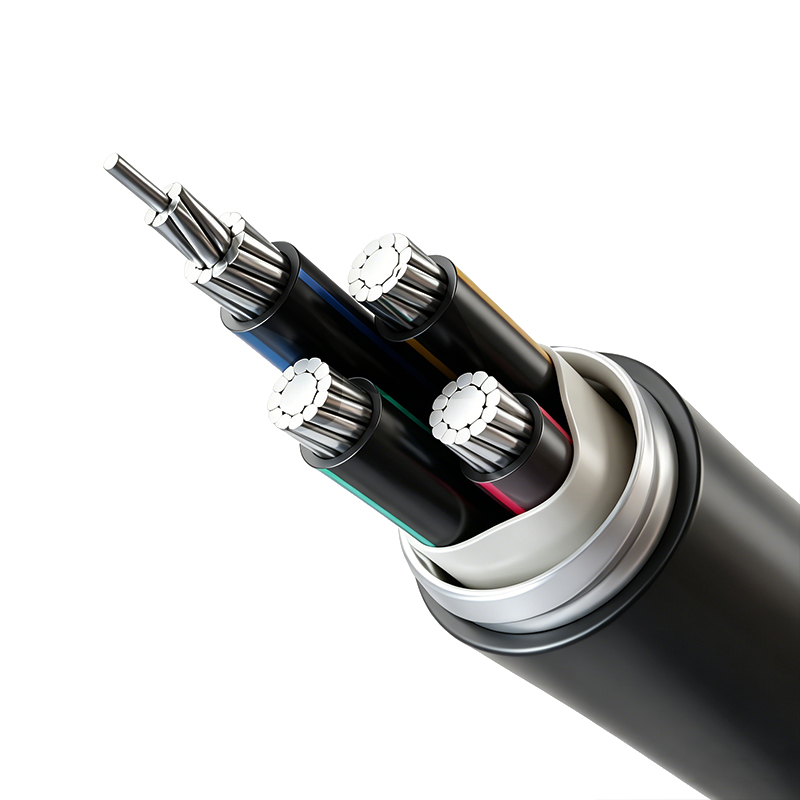
Aluminum Alloy Conductor Plastic Insulated Power Cable (Rated Voltage up to 26/35kV)
-
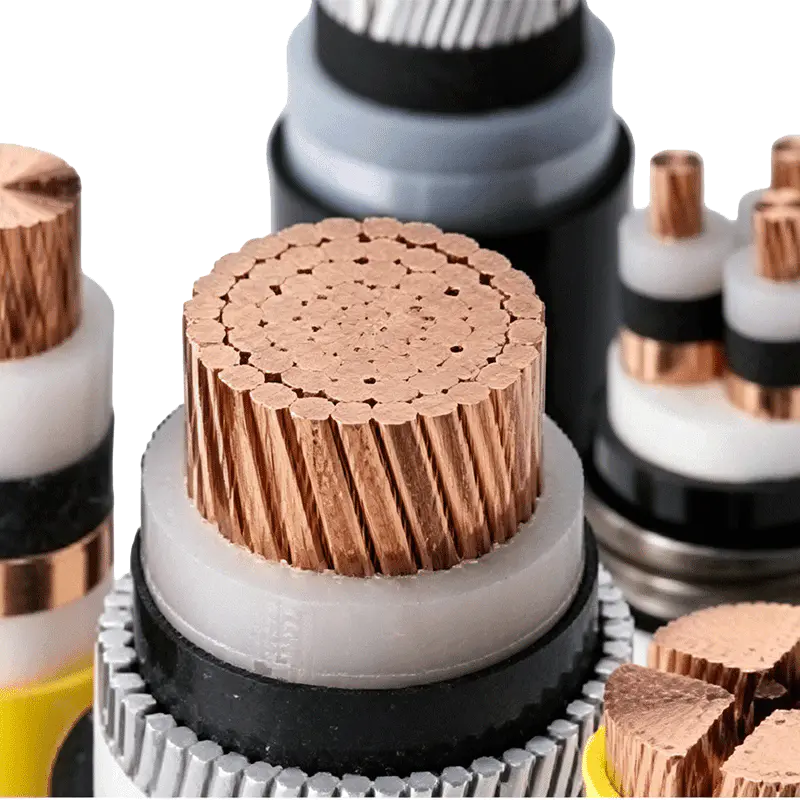
Rated Voltage 3.6/6kV–26/35kV XLPE Insulated Power Cable
-
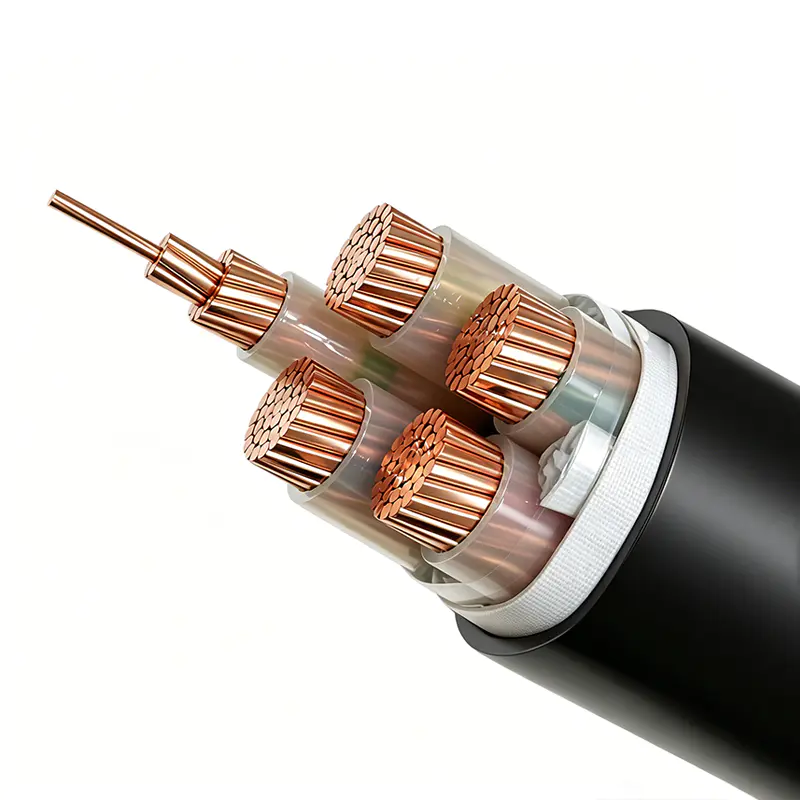
Rated Voltage 1.8/3kV XLPE Insulated Power Cable
-
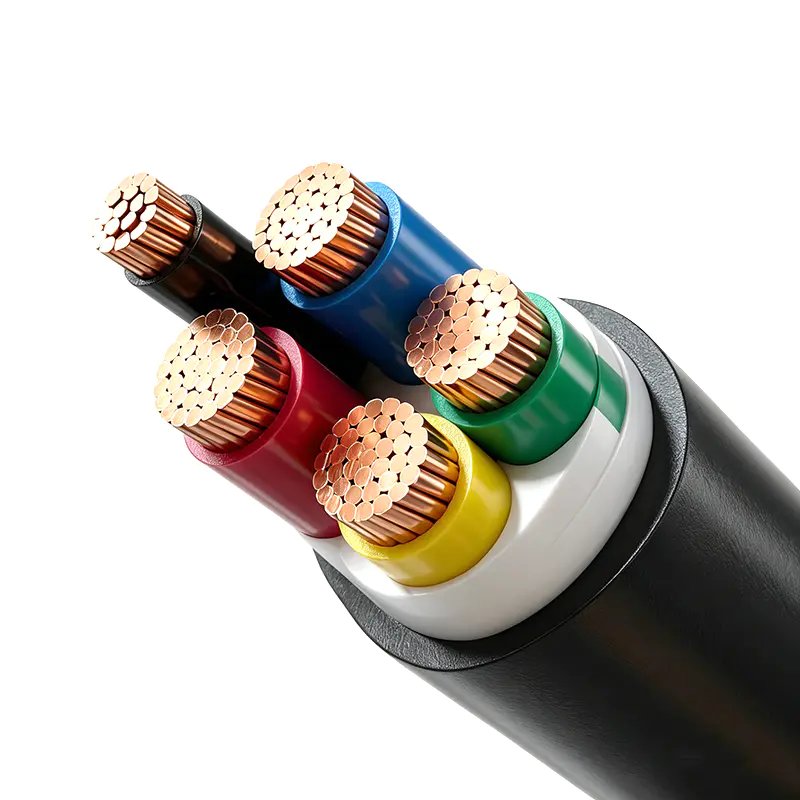
Rated Voltage 1.8/3kV PVC Insulated Power Cable

Copyright © Wuxi Guanghuan Cable Co., Ltd. All Rights Reserved. Power Cables Manufacturer Electrical Wire And Cable Factory

