


 English
 中文简体
 русский
 Español
 عربى

Termite and Rodent Resistant Cable: Advanced Protection for Reliable Power and Signal Networks
Content
- 1 Why Biological Damage Is a Serious Cable Risk
- 2 Product Overview and Protection Concept
- 3 Layered Cable Construction
- 4 Advantages Compared with Conventional Cable Solutions
- 5 Electrical and Operating Characteristics
- 6 Application Areas
- 7 Manufacturing Capabilities and Quality Assurance
- 8 Technical Standards and Certifications
- 9 How to Select the Correct Model
- 10 Installation and Project Practices
- 11 Environmental and Sustainability Considerations
- 12 Company Strength and Service Capability
- 13 Frequently Asked Questions
- 13.1 What is a termite and rodent resistant cable?
- 13.2 What do FY-X, FSH-X, and FSY-X mean?
- 13.3 Does the cable replace all pest-control measures?
- 13.4 What voltage range is available?
- 13.5 Can the cable be installed in cold weather?
- 13.6 What is the maximum operating temperature?
- 13.7 Is a metal protective layer included in every model?
- 13.8 Where are these cables most useful?
- 13.9 How should the correct model be selected?
- 13.10 Why choose a specialized cable instead of an ordinary cable?
- 13.11 What quality controls are important for this product?
- 14 Conclusion
- 15 References
- 16 Product: Termite and Rodent Resistant Cable
Underground and overhead cable systems are often exposed to hazards that are not immediately visible during design or installation. Moisture, temperature changes, mechanical impact, chemical contamination, and electrical stress are commonly considered when selecting a cable. However, in many geographical areas, biological damage caused by termites, ants, and rodents can be equally serious. In some cases, a small damaged section of cable insulation or sheath can develop into a major power interruption, communication failure, safety incident, or costly maintenance project.
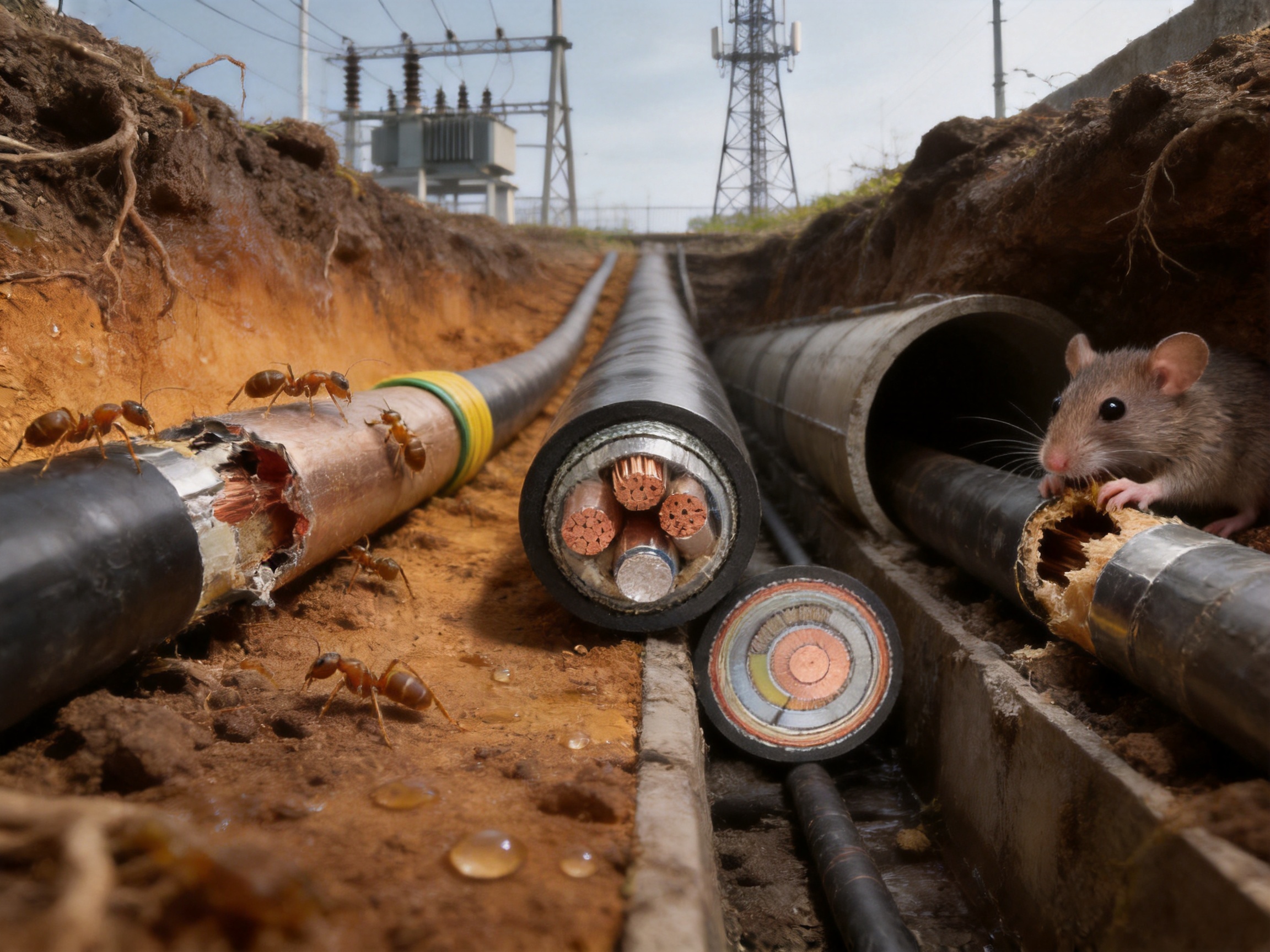
Termites can attack cable jackets and insulation materials, particularly in warm, humid, forested, agricultural, and water-conservancy environments. Rodents can damage cables by gnawing through outer sheaths, insulation, and protective layers. Their activity may occur in underground ducts, cable trenches, substations, railway facilities, communication stations, and remote electrical installations. Since these locations are often difficult to inspect regularly, ordinary cables may remain vulnerable for long periods before damage is discovered.
Termite and Rodent Resistant Cable is engineered to address this specific challenge. It combines carefully selected core materials, high-performance insulation, internal structural protection, mechanical reinforcement, and a specialized outer sheath. Depending on the model, the cable can provide resistance against termites, resistance against rodents, or combined resistance against both biological threats.
This product series is manufactured for applications where long service life, stable transmission, reduced maintenance, and environmental adaptability are essential. It is available for systems ranging from 300/300V low-voltage applications to 26/35kV medium- and high-voltage networks. The design can also be based on the structure and specification of the ordinary cable selected by the customer.
For users comparing conventional cables with specialized biological-resistant products, the principal advantage is not simply a tougher outer jacket. A properly designed termite and rodent resistant cable provides a coordinated protection system. The sheath helps resist biting and environmental stress, while the internal construction and metal protective layer help prevent penetration and limit the consequences of external attack.
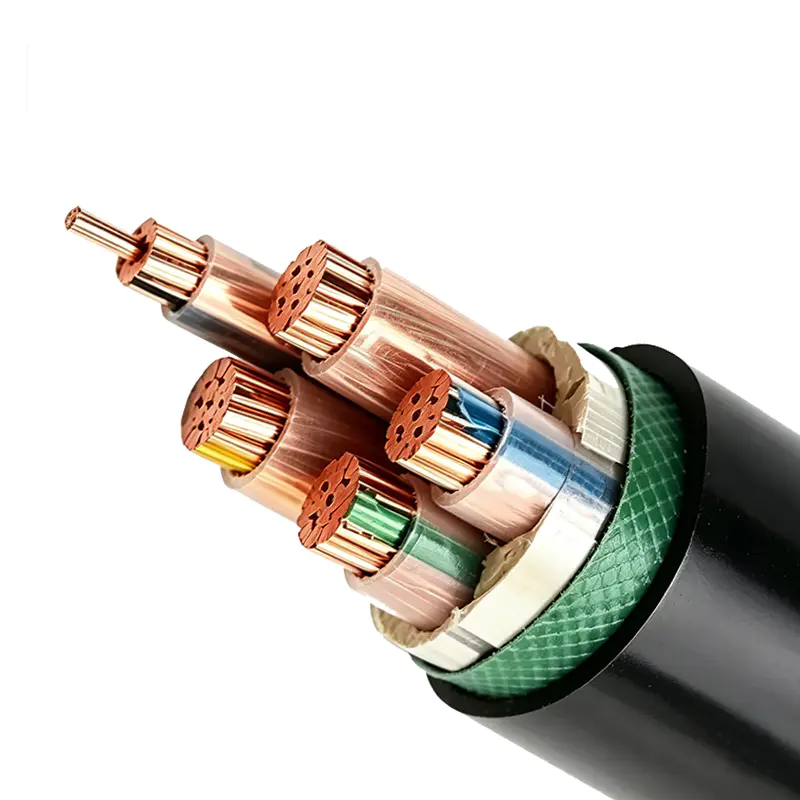
Termite and Rodent Resistant Cable
Why Biological Damage Is a Serious Cable Risk
Cable systems installed in populated areas, farmland, forests, railway corridors, and remote infrastructure can become attractive targets for rodents and insects. Warm cable surfaces, protected underground spaces, and the presence of surrounding vegetation or soil can create favorable conditions for biological activity. Once a cable is damaged, the consequences depend on the voltage level, the cable construction, and the location of the fault.
Damage to an outer sheath may initially appear minor. Nevertheless, a cut, bite mark, or puncture can allow water, soil particles, chemicals, and microorganisms to reach the inner layers. Over time, this can reduce insulation performance and accelerate aging. In a power cable, deterioration may lead to leakage current, partial discharge, short circuits, or complete insulation breakdown. In a control or communication cable, even small damage can cause signal instability, intermittent faults, or loss of system monitoring.
Rodent damage presents a particularly difficult maintenance problem. Rodents have strong incisors and a natural tendency to gnaw hard materials. Their activity may be unpredictable, and a cable may be attacked in an enclosed trench or duct where visual inspection is difficult. Ordinary polymeric jackets can offer general environmental protection, but they may not provide sufficient mechanical hardness or resistance to repeated gnawing.
Termite damage is different in nature. Termites may attack suitable polymeric materials over a wide underground area, especially when cables are installed near soil, vegetation, timber structures, or agricultural land. A cable can be affected along a considerable length rather than at a single impact point. If standard cables are used in a termite-prone region, the risk may continue throughout the service life of the installation.
Biological damage also creates indirect costs. Repair crews may need to excavate roads, remove covers, isolate circuits, or interrupt production. For remote railway signal systems and communication stations, travel and access can be difficult. In industrial or public infrastructure, an unexpected cable failure may disrupt operations far beyond the replacement cost of the cable itself.
For these reasons, biological resistance should be considered during the original cable-selection process rather than treated as an emergency repair requirement. Selecting a cable with a purpose-designed protective structure can reduce exposure to biological hazards and improve the reliability of the entire installation.
Product Overview and Protection Concept
The Termite and Rodent Resistant Cable series uses a combination of physical and material-based protection. The outer sheath is formulated to resist biological attack while maintaining environmental stability. Depending on the product design, the sheath may discourage biting, resist penetration, or make the cable unsuitable for continued attack. The material is also designed to provide resistance to environmental stress cracking and chemical influence.
Physical protection is provided through the cable’s internal structure. Conductive cores are surrounded by insulation, fillers, binding materials, inner sheaths, and, where required, a metal protective layer. These components work together to maintain the cable’s shape, control internal movement, improve mechanical strength, and create additional barriers between the external environment and the energized or signal-carrying elements.
The product is not limited to one cable construction. The designation “X” in the model codes represents the corresponding ordinary cable type and specification. This approach allows the biological-resistant design to be adapted to different voltage classes, conductor arrangements, insulation systems, and application requirements.
In practical terms, the product can be considered a specialized version of a standard power, control, or electrical equipment cable. The basic electrical characteristics follow the selected cable design, while the outer and intermediate protection systems are upgraded to address termite and rodent hazards.
Three Main Product Categories
The product family is divided into three principal categories. Each category addresses a different biological protection requirement, allowing engineers and users to select a suitable solution for the installation environment.
| Code | Product Type | Primary Protection Focus | Typical Selection Consideration |
| FY-X | Termite Resistant Cable | Resistance to termite and insect attack | Termite-prone soil, forests, agricultural land, orchards, and water-conservancy areas |
| FSH-X | Rodent Resistant Cable | Resistance to rodent gnawing and mechanical penetration | Urban infrastructure, cable trenches, substations, buildings, and facilities with rodent activity |
| FSY-X | Termite and Rodent Resistant Cable | Combined protection against termites and rodents | Locations with complex or uncertain biological hazards |
The FY-X model focuses on the material and structural characteristics required to resist termites. The FSH-X model emphasizes high mechanical strength and hardness to reduce the possibility of damage from rodent gnawing. The FSY-X model combines both functions and is suitable where the installation environment may expose the cable to multiple biological threats.
Because “X” corresponds to the ordinary cable model and specification, users can discuss the required conductor, insulation, voltage level, number of cores, and application with the manufacturer. This provides greater flexibility than a single-purpose cable design available only in a limited size range.
Layered Cable Construction
The reliability of a biological-resistant cable depends on the cooperation of multiple layers. A cable that relies only on a special jacket may not offer the same level of protection as a cable designed with a complete layered structure. The series described here uses several construction elements to support electrical performance, mechanical durability, and biological resistance.
Conductive Core
The conductive core provides the electrical path for power, control, or signal transmission. Premium conductive materials, such as copper conductors, may be used according to the relevant cable design. The conductor configuration can be selected based on current-carrying capacity, flexibility, installation method, voltage class, and customer requirements.
Conductors must remain stable throughout the cable’s service life. If biological damage reaches the conductive core, the cable may experience overheating, leakage, or a complete circuit failure. The protection system therefore places the conductor beneath multiple insulating and protective layers.
Insulation System
The insulation layer separates the conductor from other conductive elements and from the environment. Its electrical performance is determined by the base cable design and the applicable technical requirements. For cables using XLPE insulation, the maximum continuous conductor operating temperature may be approximately 90°C, subject to the selected standard and construction.
Insulation is not intended to function as the only biological barrier. Instead, it works with the inner sheath, protective layer, and specialized outer sheath. This layered approach helps ensure that damage to the external surface does not immediately compromise the electrical insulation.
Filling Ropes and Binding Tapes
Filling ropes may be used to maintain the roundness and dimensional stability of a multicore cable. Binding tapes help hold the internal components together and maintain the intended geometry during manufacturing, transportation, installation, and operation.
These components also contribute to a more orderly internal structure. Reduced movement between layers can limit mechanical stress and help protect insulation from abrasion. Although filling ropes and binding tapes are not independently responsible for termite or rodent resistance, they support the overall integrity of the cable.
Inner Sheath
The inner sheath forms an additional barrier around the arranged cores. It separates the core assembly from the outer mechanical protection and helps protect internal components from moisture, friction, and mechanical disturbance.
An effective inner sheath also provides a stable surface for the metal protective layer or other reinforcement. By maintaining the geometry of the cable, it allows the external protection system to function more consistently over the service life of the product.
Metal Protective Layer
A metal protective layer is typically positioned above the inner sheath in designs intended to provide strong resistance to rodent attack. This layer creates a substantial physical barrier. It can make it considerably more difficult for rodents to reach the insulation and conductive core, even if the outer sheath is damaged.
The exact metal protection arrangement depends on the cable design, voltage class, mechanical requirements, and applicable technical specification. In a complete cable system, the metal layer may also contribute to mechanical protection and, where relevant, electrical shielding or grounding functions.
Specialized Outer Sheath
The outermost sheath is the first line of defense against soil, moisture, impact, abrasion, biological attack, and environmental stress. For this product series, the sheath uses specialized materials intended to resist termites and rodents while maintaining long-term stability.
Important material characteristics include high hardness, resistance to environmental stress cracking, and chemical stability. High hardness helps reduce penetration by biting or gnawing. Resistance to environmental stress cracking helps prevent small cracks from developing under the combined effects of mechanical stress, temperature changes, moisture, and chemicals. Chemical stability helps the sheath maintain its protective performance in soil and other challenging environments.
Advantages Compared with Conventional Cable Solutions
Conventional cables are suitable for many general-purpose applications, but they may not be optimized for environments with persistent biological hazards. The main advantage of a specialized termite and rodent resistant cable is that biological protection is incorporated into the design from the beginning rather than added through external treatment or temporary measures.
Purpose-Designed Biological Protection
A standard cable may have a durable jacket, but durability alone does not necessarily mean resistance to termites or rodents. The specialized product uses material selection and structural reinforcement specifically directed at biological damage. This makes the protection more relevant to the actual risk faced by the installation.
Combined Chemical and Physical Defense
Biological-resistant cable designs can use both material-based and mechanical protection. The sheath helps deter or resist attack, while the metal protective layer and other internal structures create a physical barrier. This combination is stronger than relying on a single mechanism.
Reduced Dependence on Frequent Inspection
Regular inspection remains important for every cable system, but access may be difficult in underground, remote, or high-risk areas. A cable that is inherently more resistant to biological damage can reduce the likelihood of hidden deterioration between inspections. This is particularly valuable for railway signals, communication base stations, remote substations, and agricultural facilities.
Broader Application Flexibility
The product range covers voltage levels from 300/300V to 26/35kV according to different series and specifications. This allows the same protection concept to be considered for low-voltage equipment wiring, distribution systems, control circuits, and medium-voltage power networks.
Environmental Compatibility
The product uses environmentally friendly sheath materials intended to provide biological protection without causing unnecessary harm to the surrounding ecosystem. This is an important advantage over solutions that depend on uncontrolled chemical treatments, loose toxic substances, or short-term pest-control measures applied after installation.
Improved Lifecycle Economics
The initial purchase price of a specialized cable may be higher than that of a basic conventional cable. However, cable selection should be based on total lifecycle cost rather than purchase price alone. Avoiding one major failure can save expenses related to excavation, emergency labor, replacement materials, service interruption, production losses, and system testing.
In biological-risk environments, the additional investment in specialized protection can therefore support lower long-term operating costs. The value is especially significant when cables are installed below roads, inside concrete structures, across railway corridors, or in remote locations where replacement is complicated.
Electrical and Operating Characteristics
Rated Voltage Range
The series is available in different models covering rated voltages from 300/300V low-voltage cables to 26/35kV medium- and high-voltage cables. The correct voltage selection must be based on the system’s operating voltage, insulation coordination, installation conditions, and applicable technical requirements.
Users should not select a cable solely by its biological protection code. The complete specification must include conductor size, number of cores, insulation type, rated voltage, sheath structure, current-carrying capacity, short-circuit requirements, and installation method.
Conductor Temperature
The maximum permissible continuous operating temperature of the conductor follows the standard for the selected base cable. For example, a cable using XLPE insulation may have a continuous conductor operating temperature of 90°C, subject to the relevant design and technical standard.
Actual operating temperature depends on load current, installation depth, soil thermal resistance, ambient temperature, spacing between cables, ventilation, grouping, and emergency operating conditions. Biological resistance does not replace proper electrical design. Instead, it adds a protective function to a correctly selected cable system.
Installation Temperature
The recommended ambient temperature for installation is not lower than 0°C. When the cable is installed in an environment above 0°C, construction can generally proceed without preheating, subject to the product’s technical instructions and the requirements of the applicable cable standard.
Installation at low temperatures can affect the flexibility of polymeric materials and increase the risk of sheath damage during bending or handling. Contractors should therefore confirm the actual site temperature and follow the manufacturer’s installation guidance before beginning work.
Bending Radius
The allowable bending radius must comply with the relevant wire and cable standards and the specific product design. Excessive bending can damage insulation, deform the metal protection, or create stress within the sheath. The cable should be unwound, pulled, supported, and positioned using methods that prevent sharp bends and localized pressure.
The minimum bending radius may vary according to conductor arrangement, cable diameter, armor or metal layer, insulation material, and installation condition. The project specification should therefore state the required bending radius clearly for installers and inspection personnel.
Mechanical and Environmental Adaptability
The product is designed for demanding conditions that may include underground installation, outdoor exposure, soil contact, cable ducts, trenches, substations, agricultural facilities, and remote stations. Its outer sheath is intended to resist environmental stress cracking and chemical influence while the internal structure provides additional mechanical protection.
Nevertheless, the cable should be installed with suitable support, separation, bending control, sealing, and protection at entry points. No cable should be considered immune to every external force. Construction quality remains an important part of system reliability.
Application Areas
Agriculture, Forestry, and Water Conservancy
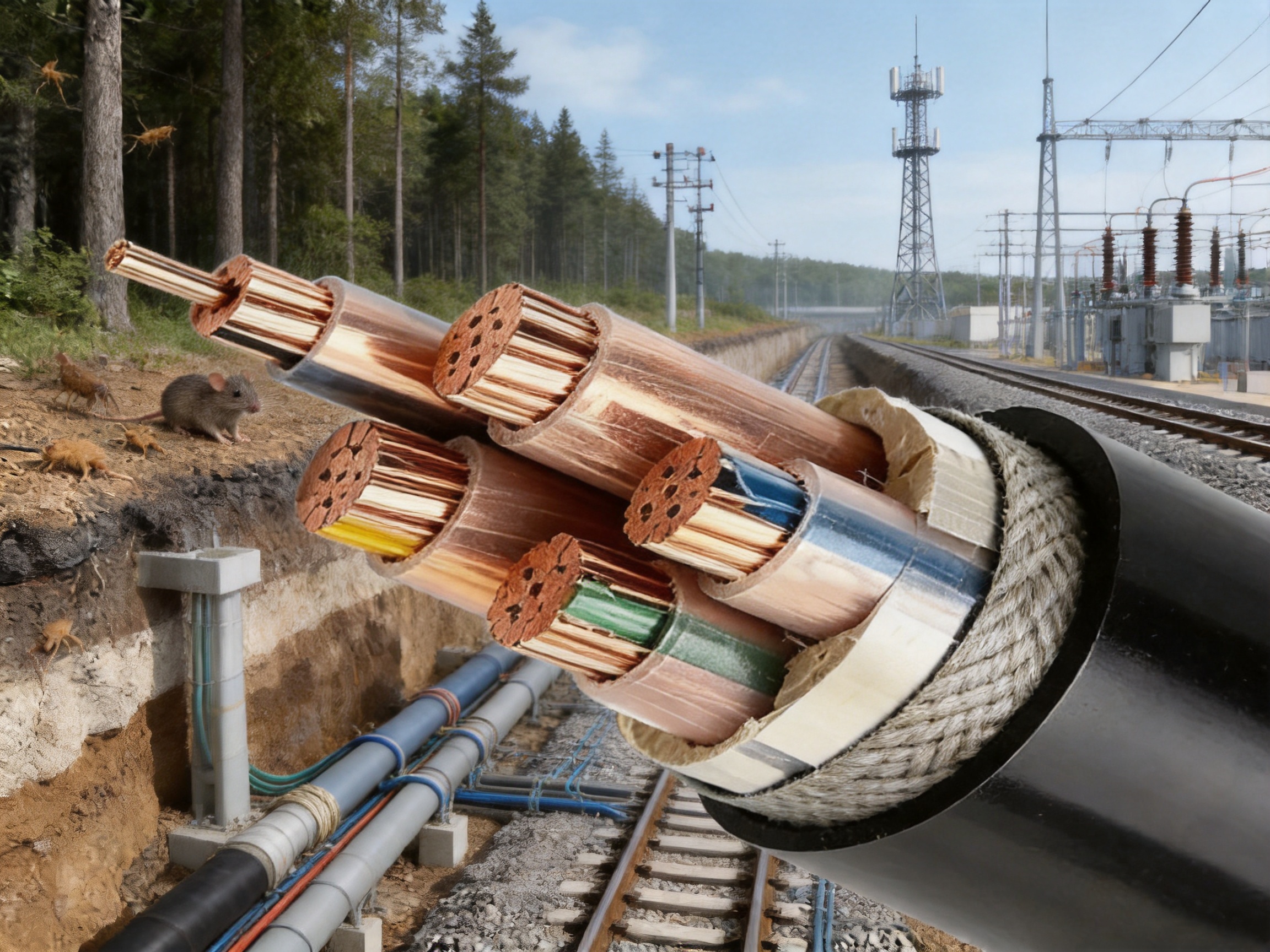
Forests, orchards, farmland, irrigation facilities, river levees, and drainage systems may have high levels of termite and rodent activity. Cables in these areas are frequently installed underground or near vegetation and soil. Access for inspection may be limited, while moisture and seasonal temperature changes can increase material stress.
FY-X cables can be considered where termite risk is the primary concern. FSY-X cables are appropriate where both termites and rodents may be present. The cable can support power distribution, pump systems, agricultural processing facilities, irrigation controls, lighting, monitoring equipment, and water-management infrastructure.
Urban and Rural Infrastructure
Urban cable trenches, underground pipe galleries, substations, and older distribution networks can provide favorable shelter for rodents. Renovation projects may also involve existing ducts and complicated underground routes where replacing damaged cables is disruptive.
FSH-X and FSY-X models can help improve protection in these environments. The metal protective layer and high-hardness outer sheath can provide a stronger defense than an ordinary cable jacket, helping reduce the risk of rodent-related outages in distribution and control systems.
Telecommunication Base Stations
Telecommunication base stations are often located in remote areas, on rooftops, near roads, or in open fields. Some sites are visited infrequently, and a cable fault can affect signal transmission, power supply, monitoring, or backup systems.
Biological-resistant cables can be used for power, control, and related electrical connections where cable exposure or local pest activity creates a known risk. The appropriate construction should be chosen according to voltage, current, flexibility, outdoor exposure, and the required protection level.
Railway and Urban Rail Systems
Railway signal systems and urban rail infrastructure require stable operation and careful control of maintenance risk. Cables may be installed beside tracks, in tunnels, along embankments, or inside equipment rooms. A biological-related failure can affect signaling, communication, monitoring, and operational safety.
Termite and rodent resistant cables can be considered for signal power supplies, control circuits, station equipment, trackside systems, and communication-related installations. The exact cable specification must be coordinated with railway standards, fire-performance requirements, electromagnetic compatibility requirements, and installation rules.
Substations and Power Grid Renovation
Substations often contain extensive cable routes, including control cables, low-voltage power cables, and connections between equipment. Rodent activity in cable trenches can be difficult to detect and may affect multiple circuits.
During power-grid renovation, selecting a resistant cable can improve the resilience of new circuits and reduce the need for additional pest-control measures. It is especially valuable when old cable routes are being reused or when the surrounding area has a history of rodent damage.
Manufacturing Capabilities and Quality Assurance
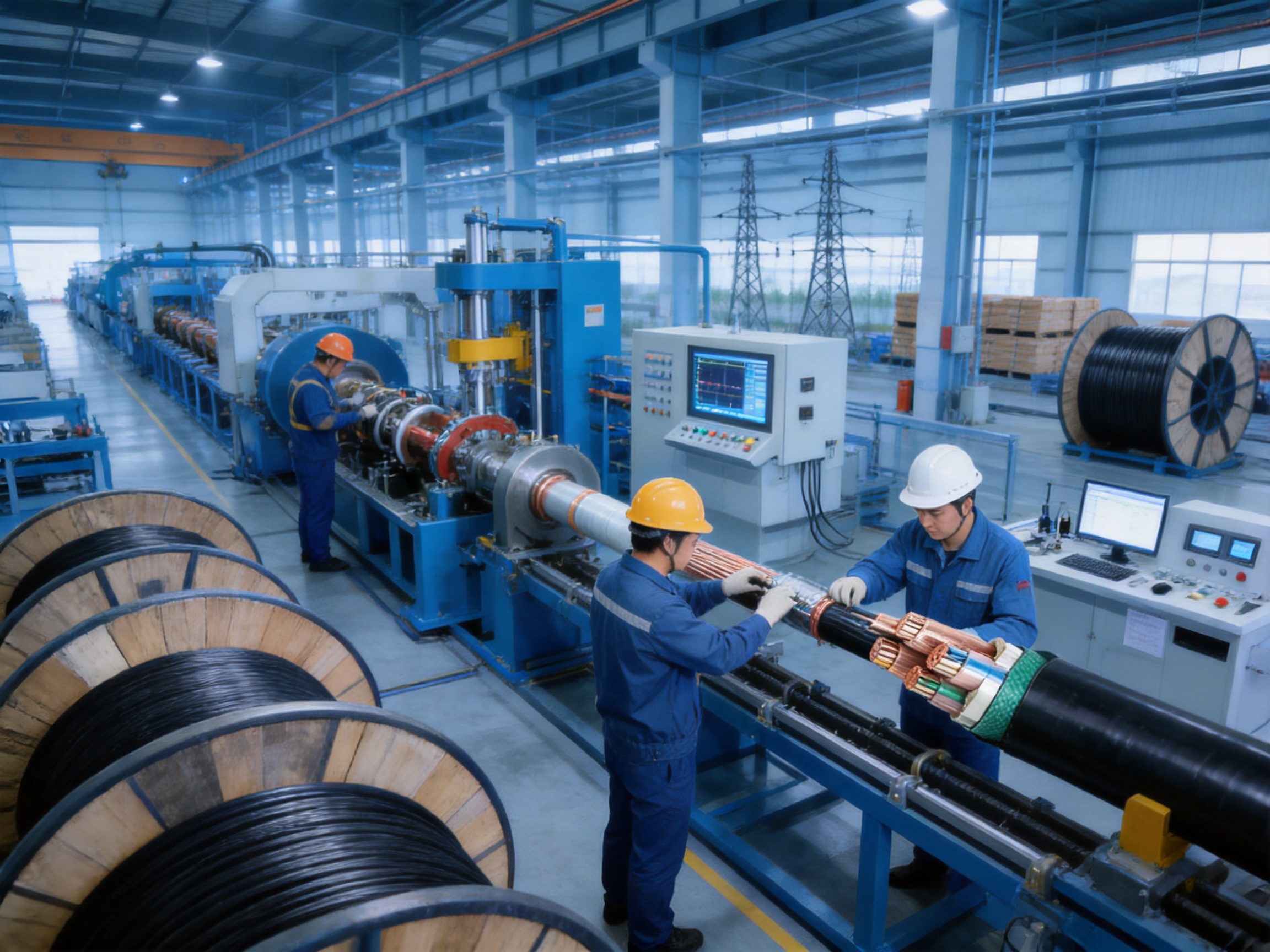
A specialized cable can only deliver reliable field performance when the manufacturer controls both material quality and process consistency. Wuxi Guanghuan Cable Co., Ltd. was founded in 1998 and operates in Guanlin Town, Yixing City, Jiangsu Province, a region widely recognized for cable manufacturing. The company has developed capabilities covering research and development, production, testing, and customer service.
The company covers more than 100,000 square meters, including more than 45,000 square meters of building area. It operates over 70 production and testing lines and employs more than 140 people, including over 30 technical professionals. These resources support the manufacture of power cables, electrical equipment wires and cables, bare conductors, overhead insulated cables, rail transit cables, and cables used in energy storage, photovoltaic, and wind power applications.
The company offers more than 100 product categories and over 30,000 specifications under the registered Liguang brand. This broad product portfolio is important for specialized cable projects because biological-resistant products often need to be matched with specific conductor sizes, insulation systems, voltage classes, and installation conditions.
Material Control
Material control begins with the selection and inspection of conductors, insulation compounds, sheath materials, fillers, tapes, metal protection materials, and other components. Consistent raw materials support stable electrical, mechanical, and environmental performance.
For termite and rodent resistant cables, sheath material control is particularly important. The material must provide the intended hardness and resistance to environmental stress while maintaining suitable processing characteristics. The sheath must also bond correctly with the underlying layer and remain stable during extrusion, cooling, handling, storage, and service.
Precision Extrusion
Extrusion quality influences sheath thickness, concentricity, surface condition, and dimensional accuracy. An uneven sheath may reduce mechanical protection in one area and create stress concentration in another. Precise extrusion helps ensure that the protective layer is continuous and consistent along the cable length.
Online eccentricity monitoring is one of the advanced production technologies used to monitor cable geometry during manufacturing. By identifying deviations during extrusion, the production team can respond before a dimensional issue becomes a finished-product defect.
High-Voltage Testing
High-voltage cables require rigorous insulation and withstand testing. The company uses high-voltage series resonance testing equipment and partial discharge detectors to evaluate cable performance. These tests help identify weaknesses that may not be visible through external inspection.
Partial discharge detection is particularly valuable for medium- and high-voltage insulation systems. It can help reveal localized defects, voids, impurities, or irregularities that may develop into insulation failure under operating stress. A biological-resistant sheath does not eliminate the need for high-voltage testing; rather, it complements a complete electrical quality-control program.
Process Traceability
Comprehensive quality management should cover incoming materials, conductor preparation, insulation extrusion, cabling, inner-sheath application, metal protection, outer-sheath extrusion, testing, packaging, and delivery. Process records and inspection data help improve traceability and support consistent production.
For project users, traceability provides confidence that the supplied cable corresponds to the approved design and specification. It also supports technical review, acceptance inspection, and after-sales service when a project includes large quantities or multiple cable types.
Technical Standards and Certifications
The research, development, and manufacturing processes for this cable series follow relevant technical specifications and specialized enterprise standards. The particular standard applied to a cable should be confirmed according to its model, rated voltage, construction, application, and destination market.
Wuxi Guanghuan Cable Co., Ltd. has obtained ISO 9001 quality management certification, ISO 14001 environmental management certification, ISO 45001 occupational health and safety certification, and ISO 50001 energy management certification. It has also obtained certifications and management-system recognition related to intellectual property, green management, social responsibility, and after-sales service.
The company reports product certifications and qualifications including CCC, TÜV, product carbon footprint certification, and China Energy-Saving and Environmentally Friendly Product recognition. The availability of a particular certificate depends on the product model and project requirements, so customers should request the relevant documentation during technical evaluation.
Certification does not replace correct cable selection or professional installation. It provides evidence that the product or management system has been evaluated against specified requirements. Project engineers should review the exact certificate scope, test reports, technical data sheets, and applicable standards before approval.
How to Select the Correct Model
The first step is to identify the biological threat. If the site is known to have termite activity, the FY-X model may be suitable. If rodent damage is the primary concern, the FSH-X model may be considered. If the site has both hazards or the biological conditions are uncertain, the FSY-X model provides a more comprehensive protection approach.
The second step is to define the electrical requirements. These include rated voltage, conductor material, conductor cross-sectional area, number of cores, insulation type, current-carrying capacity, short-circuit current, and system grounding arrangement.
The third step is to evaluate installation conditions. Important factors include direct burial or duct installation, cable trench dimensions, indoor or outdoor exposure, soil characteristics, ambient temperature, water presence, installation depth, mechanical loading, cable grouping, and required bending radius.
The fourth step is to confirm additional project requirements. These may include flame retardance, low smoke and halogen-free performance, fire resistance, electromagnetic shielding, flexibility, oil resistance, ultraviolet resistance, or special railway, industrial, or utility standards.
| Selection Factor | Key Question | Why It Matters |
| Biological hazard | Are termites, rodents, or both present? | Determines whether FY-X, FSH-X, or FSY-X protection is appropriate. |
| Rated voltage | What voltage does the system require? | Ensures correct insulation coordination and operating safety. |
| Conductor design | What current, flexibility, and conductor size are needed? | Supports safe power transmission and installation performance. |
| Installation environment | Will the cable be buried, ducted, trenched, or exposed? | Influences mechanical, thermal, and environmental requirements. |
| Temperature | What are the minimum installation and maximum operating temperatures? | Helps prevent installation damage and thermal overstress. |
| Mechanical protection | Is a metal protective layer required? | Provides an additional barrier against rodents and external impact. |
| Compliance | Which national, industry, customer, or enterprise standards apply? | Supports approval, testing, acceptance, and long-term project compliance. |
Customers should provide the manufacturer with as much site information as possible. Photographs, route drawings, soil conditions, pest history, voltage data, and installation methods can help the technical team recommend a suitable construction rather than a generic cable.
Installation and Project Practices
Before installation, the cable should be inspected for transport damage, moisture ingress, deformation, and sheath defects. Cable drums should be handled carefully and stored on stable ground. The cable should not be dragged over sharp surfaces or pulled beyond the permitted tension.
During laying, the cable should follow a controlled route with adequate support and protection. Sharp bends must be avoided, and the specified minimum bending radius must be maintained. If the cable enters a cabinet, duct, building, or equipment enclosure, the entry point should be protected against abrasion and sealed where necessary.
For direct-buried installation, the trench bottom should be free of sharp stones, scrap metal, and construction debris. Suitable bedding and backfill materials should be used according to the project design. The cable should be positioned without excessive twisting, crushing, or local pressure.
For duct and pipe installations, the internal route should be checked for blockages, water accumulation, sharp edges, and inadequate diameter. Pulling equipment should be selected according to cable weight, length, friction, and allowable tension. Excessive pulling force can damage the sheath or internal structure even when no visible defect appears immediately.
After installation, testing should be performed according to the cable type and project requirements. Tests may include continuity, insulation resistance, sheath integrity, conductor resistance, phase identification, high-voltage withstand, and other specialized tests. Test results should be documented and retained as part of the project record.
Biological resistance should not be used as a reason to ignore route management. Vegetation, waste materials, open ducts, and structural gaps can continue to attract pests around the cable system. Good housekeeping, sealing, drainage, and periodic inspection remain useful complementary measures.
Environmental and Sustainability Considerations
The use of environmentally friendly sheath materials is an important part of the product concept. Biological protection should ideally reduce cable damage without creating unnecessary ecological harm. A stable sheath can provide long-term protection while avoiding reliance on frequently reapplied chemical treatments.
The environmental performance of a cable depends on its entire lifecycle. This includes raw material selection, energy consumption during manufacturing, service life, maintenance frequency, replacement requirements, and end-of-life handling. A durable cable that remains in service longer may reduce the environmental impact associated with repeated excavation, transport, and replacement.
Wuxi Guanghuan Cable Co., Ltd. has established environmental and energy management systems and has received related certifications. The company also reports product carbon footprint and energy-saving and environmentally friendly product recognition for applicable products. Customers with sustainability requirements should request product-specific environmental documentation and confirm the scope of the relevant certification.
Company Strength and Service Capability
Wuxi Guanghuan Cable Co., Ltd. has built its business around the research, development, manufacture, and service of cable products. Its product portfolio covers power cables, electrical equipment wires and cables, bare conductors, overhead insulated cables, railway and urban rail transit cables, and cables for renewable energy and energy storage applications.
The company’s production scale, technical personnel, testing equipment, and broad product range support customized project requirements. This is valuable for termite and rodent resistant cable projects because the final product often needs to be coordinated with other cable types used in the same facility.
The company has served power companies and major energy and engineering enterprises in China and has completed qualification and capability verification related to power cables and conductors conducted by the State Grid Corporation of China. These qualifications and project experiences indicate familiarity with demanding technical evaluation and quality-control procedures.
Its manufacturing philosophy emphasizes quality throughout the entire production process. Online eccentricity monitoring, high-voltage series resonance testing, and partial discharge detection provide multiple levels of control. Combined with ISO-certified management systems, these capabilities help support stable and repeatable cable production.
For international buyers, technical communication is also important. A reliable supplier should be able to provide model descriptions, construction drawings, technical data, test reports, packing information, delivery documentation, and installation recommendations. Clear communication helps ensure that the biological-resistant cable selected for a project matches the actual operating environment.
Frequently Asked Questions
What is a termite and rodent resistant cable?
It is a cable designed with specialized sheath materials and protective structures to resist damage caused by termites, ants, rodents, and similar biological hazards. Depending on the model, it may provide termite resistance, rodent resistance, or combined protection against both.
What do FY-X, FSH-X, and FSY-X mean?
FY-X identifies a termite resistant cable, FSH-X identifies a rodent resistant cable, and FSY-X identifies a cable resistant to both termites and rodents. The “X” represents the corresponding ordinary cable model and specification.
Does the cable replace all pest-control measures?
No. The cable provides an important protective barrier, but good installation practices, sealing, drainage, route maintenance, and site management remain advisable. The product reduces cable vulnerability; it does not eliminate every possible environmental risk.
What voltage range is available?
The series covers different rated voltages from 300/300V to 26/35kV according to the model and specification. The required voltage should be confirmed together with conductor size, insulation type, number of cores, and installation conditions.
Can the cable be installed in cold weather?
The recommended ambient temperature for installation is not lower than 0°C. When installation takes place above 0°C, preheating is generally not required, subject to the manufacturer’s instructions and the applicable product standard.
What is the maximum operating temperature?
The maximum continuous conductor operating temperature follows the standard of the selected base cable. For example, an XLPE-insulated cable may commonly have a 90°C continuous conductor temperature rating, but the exact value must be confirmed for the specific model.
Is a metal protective layer included in every model?
The construction depends on the cable model and project requirement. A metal protective layer is typically used where stronger physical protection against rodent attack is required. Customers should confirm the exact construction in the technical data sheet or approved drawing.
Where are these cables most useful?
Typical applications include forests, orchards, farmland, river levees, irrigation systems, underground pipe galleries, substations, urban infrastructure, railway signal systems, telecommunication base stations, remote stations, and other locations with termite or rodent activity.
How should the correct model be selected?
Selection should consider the biological hazard, rated voltage, conductor size, insulation, installation method, ambient temperature, mechanical requirements, bending radius, environmental exposure, and applicable technical standards. Providing detailed site information to the manufacturer supports a more accurate recommendation.
Why choose a specialized cable instead of an ordinary cable?
A specialized cable integrates biological resistance into its sheath and structural design. Compared with an ordinary cable, it can provide a stronger and more targeted defense against biting, gnawing, penetration, and environmental stress. This may reduce the likelihood of biological-related failures and lower lifecycle maintenance risk.
What quality controls are important for this product?
Important controls include raw-material inspection, conductor quality, insulation uniformity, sheath thickness, dimensional monitoring, metal-layer integrity, electrical testing, high-voltage testing where applicable, partial discharge detection for suitable medium- and high-voltage designs, and final product inspection.
Conclusion
Termite and rodent damage can undermine the reliability of cable systems in ways that are difficult to predict and expensive to repair. Underground and remote installations are particularly exposed because faults may remain hidden and access may be limited. Selecting a cable with dedicated biological protection is therefore an important part of risk-based cable design.
The Termite and Rodent Resistant Cable series provides a layered solution that combines electrical insulation, internal structural stability, mechanical reinforcement, and a specialized outer sheath. FY-X, FSH-X, and FSY-X models allow users to match protection with the biological conditions of the site. The product range covers low-voltage through medium- and high-voltage applications, subject to the specific cable design.
Its advantages over conventional general-purpose cable solutions include purpose-designed resistance to biological attack, combined physical and material protection, greater application flexibility, reduced maintenance exposure, and improved lifecycle value in high-risk environments. The use of environmentally friendly sheath materials further supports responsible infrastructure design.
Manufacturing capability is equally important. With extensive production and testing resources, technical personnel, quality-management systems, online eccentricity monitoring, high-voltage series resonance testing, and partial discharge detection, Wuxi Guanghuan Cable Co., Ltd. is equipped to support specialized cable production and project-specific requirements.
For applications in agriculture, forestry, water conservancy, urban infrastructure, substations, railway systems, communication stations, and remote power facilities, biological-resistant cable can provide an additional level of reliability that ordinary cable construction may not offer. Correct model selection, professional installation, appropriate testing, and ongoing site management together create the strongest defense against biological cable damage.
References
1. Technical information supplied for the Termite and Rodent Resistant Cable product series, including model classification, operating characteristics, structural features, applications, and rated voltage range.
2. Enterprise technical standards for termite resistant, rodent resistant, and combined termite and rodent resistant cable constructions.
3. General technical principles for low-voltage, power, control, and medium-voltage cable design, installation, testing, and maintenance.
4. ISO 9001 Quality Management Systems principles and related cable manufacturing quality-control practices.
5. ISO 14001 Environmental Management Systems principles for environmentally responsible manufacturing.
6. ISO 45001 Occupational Health and Safety Management Systems principles for industrial production environments.
7. Cable installation practices concerning ambient temperature, allowable bending radius, conductor operating temperature, cable pulling, storage, and testing.
8. Technical information regarding Wuxi Guanghuan Cable Co., Ltd.’s production facilities, testing equipment, product portfolio, certifications, and manufacturing capabilities.
Product: Termite and Rodent Resistant Cable

-
Termite and Rodent Resistant Cable
-
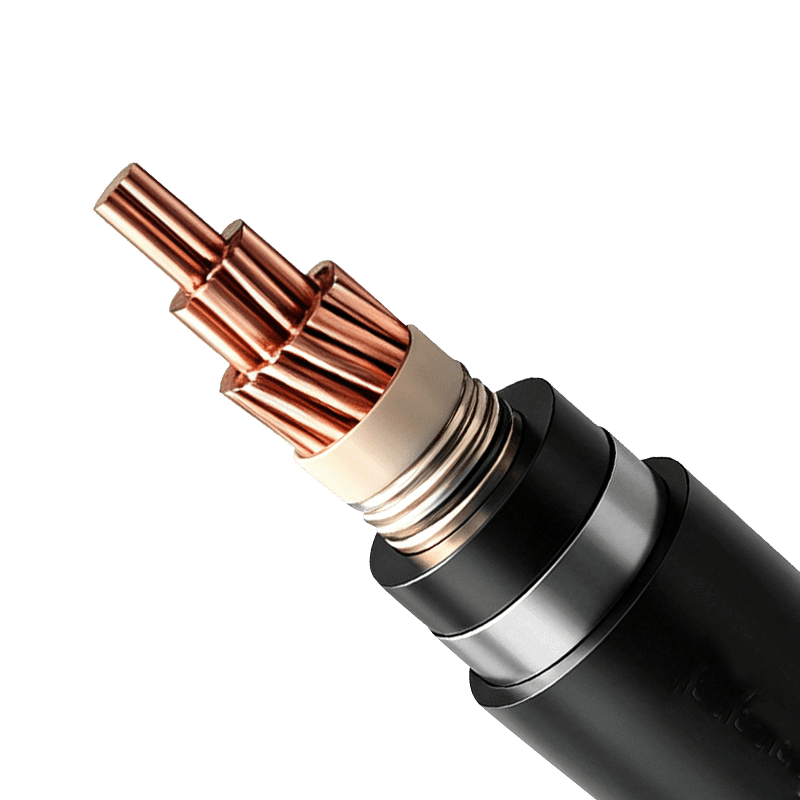
Power Cable for Subway and Urban Rail Transit (Rated Voltage 35kV)
-
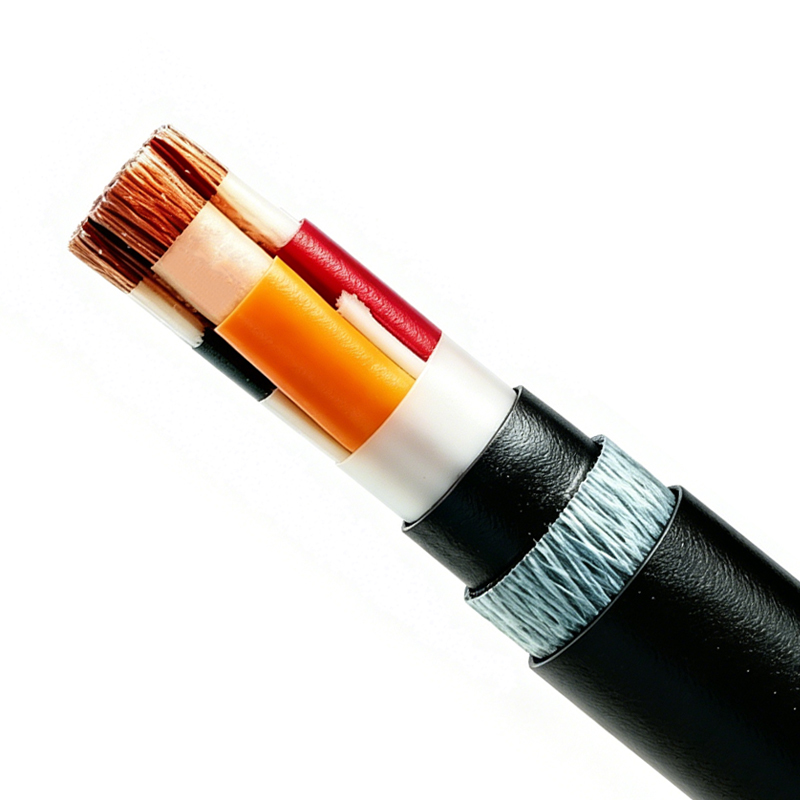
Flame-Retardant and Fire-Resistant Cable Series
-
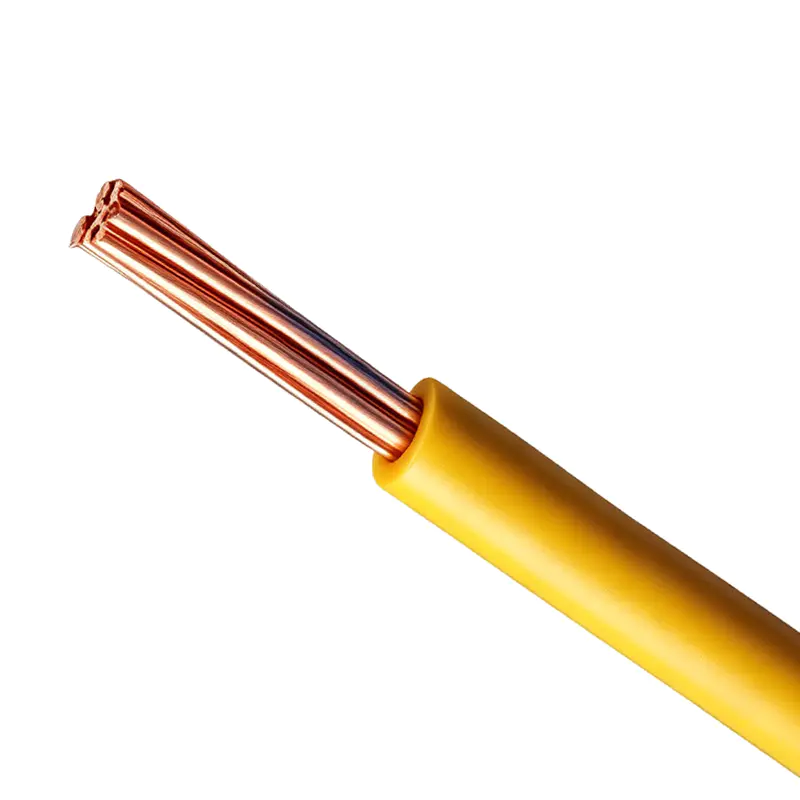
PVC Insulated Cable and Wire (Rated Voltage 450/750V and below)
-
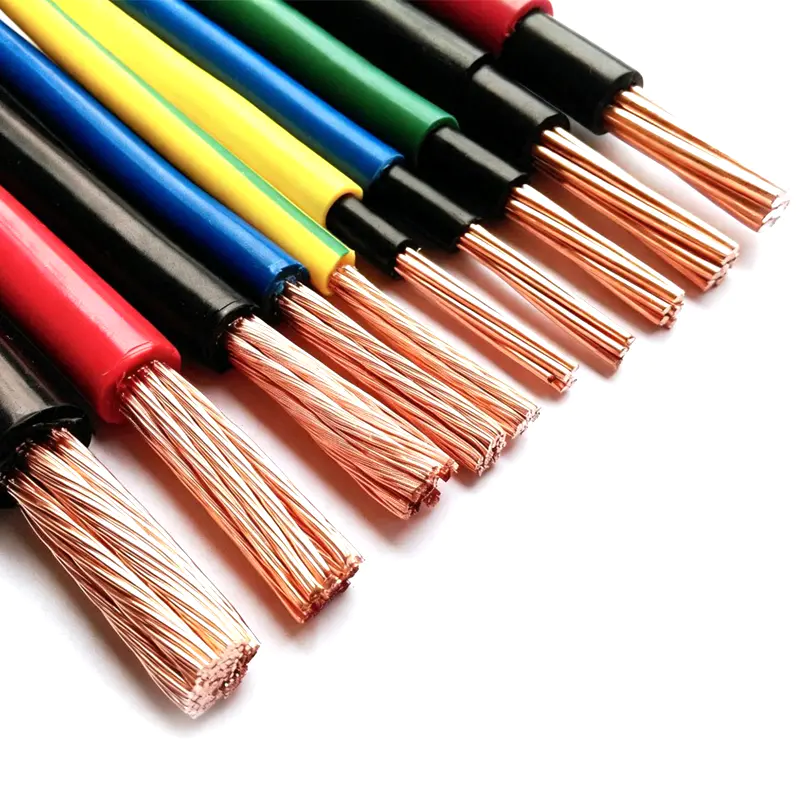
Cross-linked Polyolefin (XLPO) Insulated Wire and Cable (Rated Voltage 450/750V and below)

Copyright © Wuxi Guanghuan Cable Co., Ltd. All Rights Reserved. Power Cables Manufacturer Electrical Wire And Cable Factory

