


 English
 中文简体
 русский
 Español
 عربى

Flexible Fire-Proof Cable for Reliable Power Continuity in Critical Buildings
Content
- 1 Introduction
- 2 Why Fire-Resistant Circuit Integrity Matters
- 3 Product Construction and Functional Layers
- 4 Performance Advantages Over Conventional Alternatives
- 5 Compliance with Fire-Resistance Standards
- 6 Product Types and Selection Guide
- 7 Production Range and Engineering Flexibility
- 8 Thermal and Installation Characteristics
- 9 Applications in Critical Facilities
- 10 Manufacturing Strengths of Wuxi Guanghuan Cable Co., Ltd.
- 11 Quality Assurance from Raw Material to Delivery
- 12 Recommended Project Selection Process
- 13 Installation and Maintenance Recommendations
- 14 Q&A
- 14.1 What is the rated voltage of this flexible fire-proof cable?
- 14.2 What makes the cable fire-proof?
- 14.3 How is it different from a traditional rigid mineral-insulated cable?
- 14.4 What bending radius should be used?
- 14.5 Can the cable be supplied in long continuous lengths?
- 14.6 What is the maximum continuous conductor operating temperature?
- 14.7 Can the cable be used in public buildings?
- 14.8 Is the cable suitable for fire pumps and emergency lighting?
- 14.9 What cable sizes are available?
- 14.10 Which sheath should be selected?
- 14.11 What standards are associated with the cable?
- 14.12 What manufacturing capabilities support the product?
- 14.13 How should the cable be stored?
- 15 Conclusion
- 16 References
- 17 Product: Flexible Fire-proof Cable (Rated Voltage 0.6/1kV)
Introduction
Electrical power continuity becomes a life-safety requirement when a fire occurs. Emergency lighting, fire pumps, alarm systems, smoke-control equipment, evacuation systems, communication networks, automatic sprinklers, and other protective installations must continue operating even when surrounding temperatures rise sharply and direct flames, mechanical impact, or water spray are present. A conventional cable designed only for normal service may lose insulation integrity, short-circuit, or become mechanically damaged under these conditions. A fire-proof cable must therefore do more than transmit electricity during ordinary operation: it must help preserve the integrity of essential circuits during an emergency.
The 0.6/1kV Flexible Fire-proof Cable is engineered for this demanding purpose. It combines a high-conductivity copper conductor with composite mineral insulation and a flexible protective construction. Depending on the selected type, the cable may use a copper sheath, aluminum sheath, low-smoke zero-halogen polyolefin sheath, or PVC outer sheath. This range allows designers and contractors to match the cable to the required fire performance, flexibility, environmental protection, installation method, and project budget.
Compared with traditional rigid mineral-insulated cable designs, the product provides a more installation-friendly structure without abandoning the core safety benefits associated with mineral insulation. Its enhanced flexibility can reduce installation difficulty in congested cable trays, vertical shafts, equipment rooms, tunnels, and complex building layouts. The possibility of continuous long-length production can also reduce the number of intermediate joints, helping to minimize potential weak points in an emergency power system.
Manufactured by Wuxi Guanghuan Cable Co., Ltd., the product is part of a broad cable portfolio that includes power cables, electrical equipment wires and cables, bare conductors, overhead insulated cables, rail transit cables, energy-storage cables, photovoltaic cables, wind-power cables, and other specialized products. The company’s production capabilities, testing resources, quality systems, technical personnel, and extensive product experience support the development and manufacture of flexible fire-proof cables for demanding applications.
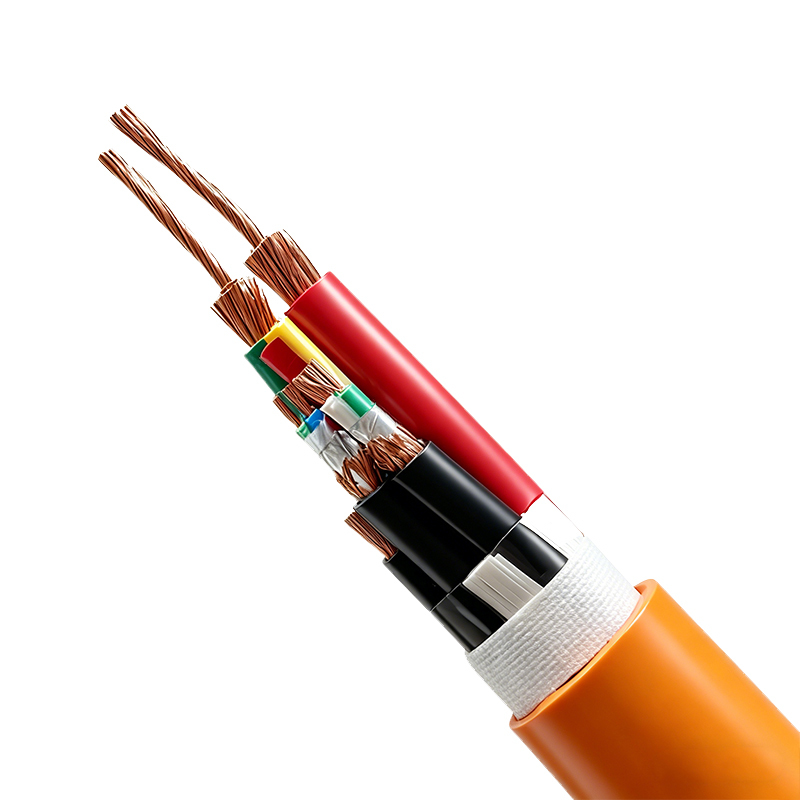
Flexible Fire-proof Cable (Rated Voltage 0.6/1kV)
Why Fire-Resistant Circuit Integrity Matters
During a building fire, the most important electrical circuits are often the ones that must remain energized while other systems are being shut down. Emergency lighting must guide occupants toward exits. Fire pumps may need to maintain water pressure. Alarm and fire-control systems must continue transmitting signals. Smoke extraction systems may need to operate for extended periods. In hospitals, data centers, transportation facilities, and industrial plants, interruption of a critical circuit can create consequences far beyond the initial electrical failure.
Circuit integrity describes the ability of a cable system to continue carrying electrical current under specified fire conditions. This performance depends on the conductor, insulation, sheath, joints, terminations, supports, installation methods, and surrounding environment. A cable with fire-resistant insulation is only one part of the complete system, but it is a fundamental part. If the insulation collapses or the conductor becomes exposed, the circuit may fail precisely when its operation is most important.
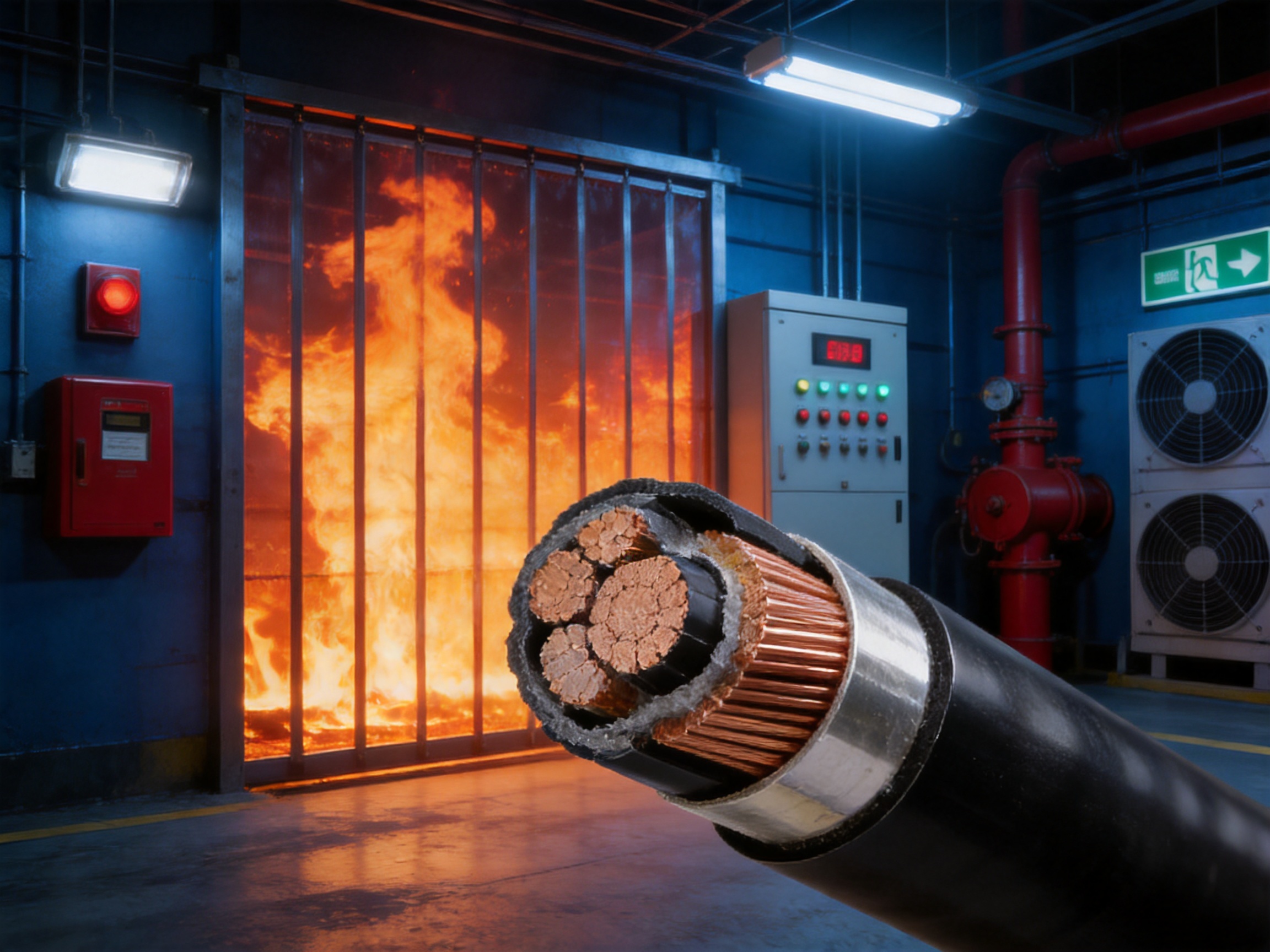
The flexible fire-proof cable uses composite mineral insulation to provide a stable barrier around the conductor. Mineral insulation does not support combustion in the same way as many organic polymeric materials, and it is designed to retain its electrical function under elevated temperatures. The material structure helps protect the conductor from the effects of fire while also reducing the risk of flame propagation along the cable route.
Fire performance must be evaluated together with mechanical and environmental performance. Firefighters may apply water spray while a cable is still exposed to heat. Falling components, vibration, or impact can place mechanical stress on cable routes. For this reason, the product is designed and tested for demanding combinations of flame exposure, mechanical shock, and water conditions in accordance with relevant standards.
Product Construction and Functional Layers
High-Purity Copper Conductor
The conductor uses high-purity electrical copper. Copper is widely selected for critical power circuits because of its high electrical conductivity, good termination performance, and established compatibility with a wide range of switchgear, distribution equipment, fire pumps, emergency generators, and control systems.
A high-conductivity conductor helps reduce transmission losses and voltage drop when the cable is correctly sized for the intended load. It also supports reliable operation of equipment that may be sensitive to voltage variation, including emergency lighting systems, motor-driven pumps, ventilation equipment, control panels, and fire alarm components. Proper conductor sizing remains essential, but the use of quality electrical copper provides a dependable foundation for the cable’s electrical performance.
Composite Mineral Insulation
The central insulation layer is based on a composite mineral material. Its principal function is to separate the conductor from other conductive elements and preserve electrical insulation when exposed to high temperatures. The mineral material is designed not to support combustion and to maintain stable characteristics for extended periods under severe thermal conditions.
The composite structure is especially important because the cable must balance several requirements at the same time. It needs sufficient insulation performance, resistance to fire, mechanical stability, and flexibility suitable for practical installation. A material system optimized only for fire resistance may be too rigid for complex routes, while a highly flexible system without appropriate thermal stability may not provide the required level of circuit protection. The product’s composite mineral insulation is intended to address this balance.
Protective Sheath Options
The protective layer varies according to cable type and application. Copper-sheathed versions provide a robust metallic protective layer and are suitable for projects requiring a strong barrier around the mineral-insulated core. Aluminum-sheathed versions offer another metallic construction for selected fire-proof applications. Other versions use low-smoke zero-halogen polyolefin or PVC outer sheaths to provide mechanical protection and environmental adaptability.
Low-smoke zero-halogen polyolefin sheaths are particularly suitable for enclosed public spaces, transportation facilities, hospitals, data centers, libraries, and other locations where smoke toxicity and corrosive gas emissions must be controlled. During combustion, low-smoke and halogen-free materials can help improve visibility and reduce the release of corrosive halogen-containing gases. This characteristic supports evacuation and may reduce secondary damage to sensitive electrical and electronic equipment.
PVC-sheathed versions can be selected where the project’s environmental, flame, mechanical, and installation requirements are compatible with PVC. The choice should be made according to the complete design specification rather than by considering the sheath material in isolation.
Structural element |
Primary function |
Practical benefit |
Electrical copper conductor |
Transmits electrical power with low resistance |
Supports efficient operation of emergency and safety equipment |
Composite mineral insulation |
Maintains electrical separation under high-temperature conditions |
Helps preserve circuit integrity during fire exposure |
Copper or aluminum sheath |
Provides metallic protection around the insulated core |
Improves mechanical robustness for suitable installations |
LSZH polyolefin outer sheath |
Provides low-smoke, halogen-free environmental protection |
Supports safer evacuation and reduced corrosive emissions |
PVC outer sheath |
Provides conventional external protection |
Offers a practical option for compatible project conditions |
Performance Advantages Over Conventional Alternatives
Improved Flexibility Compared with Rigid Mineral-Insulated Cable
Traditional rigid mineral-insulated cable can provide strong fire performance, but its stiffness may complicate routing and termination. Bending around corners, entering distribution cabinets, passing through congested risers, and connecting to equipment may require more planning and additional installation space. In large projects with many changes in direction, rigid cable can increase labor requirements and make precise alignment more difficult.
The flexible fire-proof cable is designed to retain mineral-insulation fire performance while offering improved flexibility. This enables contractors to work more efficiently around structural obstacles and existing services. Flexible construction can be especially valuable in refurbishment projects, equipment rooms, narrow service corridors, and areas where cable routes must follow irregular building geometry.
The allowable bending radius depends on the selected structure. For models equipped with a copper sheath, the recommended allowable bending radius is not less than 20 times the cable outer diameter. For flexible models without a copper sheath, the bending radius can be reduced to 15 times the outer diameter. These values must be observed during design and installation to prevent damage to the insulation or protective layers.
Reduced Dependence on Intermediate Joints
Long-length continuous production is another important advantage. Every intermediate joint adds a possible point of installation error, thermal weakness, moisture entry, or future maintenance difficulty. Reducing the number of joints can simplify inspection and improve the overall dependability of a critical power route.
Continuous lengths can also help contractors organize cable pulling operations more effectively. Fewer joints may reduce the amount of jointing material, specialized labor, enclosure space, and inspection time required on site. Although properly installed joints can be reliable, eliminating unnecessary joints remains a sensible strategy for emergency and life-safety circuits.
Low-Smoke and Non-Toxic Safety Options
In a fire, smoke can become a greater immediate hazard than flames. Dense smoke reduces visibility, complicates evacuation, and can interfere with rescue operations. In enclosed areas, the release of corrosive or toxic gases may also damage equipment and endanger occupants. The product range includes LSZH polyolefin sheath options intended for applications where low smoke and halogen-free performance are priorities.
These options are particularly appropriate for facilities with high occupant density, valuable electronic equipment, or strict environmental requirements. They can be used in transport hubs, hospitals, public buildings, data centers, control rooms, libraries, exhibition centers, and similar locations, subject to the applicable project standards and approvals.
Adaptability to Different Project Requirements
A single cable construction cannot provide the best solution for every application. A metallic sheath may be preferred for mechanical protection and a specific installation environment. An LSZH outer sheath may be required for public safety. A PVC outer sheath may be selected for a compatible general-purpose installation. The range of BTTRZ, BTTYRZ, BTTVRZ, BTLY, BTYRZ, BTVRZ, RTXMY, and BBTRZ types allows engineers to select a suitable combination of conductor, mineral insulation, metallic protection, and polymeric sheath.
The product can also be supplied with flame-retardant performance in Class A, Class B, or Class C configurations, and with low-smoke, halogen-free characteristics when required by the customer specification. The final selection should consider the applicable national standards, building code, installation method, circuit function, ambient conditions, fire strategy, and required certification.
Compliance with Fire-Resistance Standards
The cable is manufactured according to specialized enterprise standard Q/320282 GAD085. It is also designed to meet the relevant testing requirements of GB/T 12706.1 and GB/T 19216.21 for maintaining circuit integrity under fire conditions. In addition, the product has passed the British BS 6387 performance assessment, which evaluates cables required to maintain circuit integrity during fire exposure.
BS 6387 includes several demanding performance categories. The C test assesses fire resistance. The W test evaluates performance under fire with water exposure. The Z test assesses fire with mechanical shock. Together, these categories provide a broader view of cable survivability than a fire-only evaluation.
Standards compliance is valuable because it gives designers, contractors, consultants, and end users a common technical basis for assessing cable performance. It also supports more consistent procurement and quality verification. However, compliance does not remove the need for correct installation. Cable supports, cleats, glands, terminations, joints, spacing, bending radius, and routing must all be suitable for the specified fire-resistance system.
Standard or assessment |
Relevant performance focus |
Q/320282 GAD085 |
Specialized enterprise manufacturing and product requirements |
GB/T 12706.1 |
Power cable construction and performance requirements applicable to the product category |
GB/T 19216.21 |
Testing of cable circuit integrity under fire conditions |
BS 6387 |
Performance requirements for cables required to maintain circuit integrity under fire conditions |
BS 6387 C |
Fire-resistance performance |
BS 6387 W |
Fire resistance with water exposure |
BS 6387 Z |
Fire resistance with mechanical shock |
Product Types and Selection Guide
The available product types address different combinations of sheath and flexibility requirements. The following descriptions summarize the principal constructions provided in the product range.
BTTRZ
BTTRZ is a copper-core, composite mineral-insulated, copper-sheathed flexible fire-proof cable rated at 0.6/1kV. Its metallic sheath provides a strong protective structure for projects where copper-sheathed construction is preferred.
BTTYRZ
BTTYRZ combines a copper core and composite mineral insulation with a copper sheath and a halogen-free, low-smoke, flame-retardant polyolefin outer sheath. It is suitable for projects that require both metallic protection and enhanced smoke and halogen performance.
BTTVRZ
BTTVRZ uses a copper core, composite mineral insulation, copper sheath, and PVC outer sheath. It can be considered where a copper-sheathed construction with PVC external protection is suitable for the project conditions.
BTLY
BTLY is a copper-core flexible mineral-insulated fire-proof cable with an aluminum sheath. It provides a metallic-sheathed construction and can be selected when the project specification calls for this type of protective layer.
BTYRZ and BBTRZ
BTYRZ and BBTRZ are copper-core composite mineral-insulated cables with halogen-free, low-smoke, flame-retardant polyolefin outer sheaths. These constructions are particularly relevant to public, commercial, institutional, transportation, and high-value technical environments where smoke and corrosive emissions require careful control.
BTVRZ
BTVRZ is a copper-core composite mineral-insulated cable with a PVC outer sheath. It offers a flexible fire-proof option for applications compatible with PVC-sheathed construction.
RTXMY
RTXMY is a mineral composite-insulated ultra-flexible fire-proof cable. Its ultra-flexible structure can be advantageous where cable routing involves restricted spaces, frequent changes in direction, or demanding connection arrangements.
Type |
Principal construction |
Typical selection consideration |
BTTRZ |
Copper core, composite mineral insulation, copper sheath |
Metallic protection and flexible fire-proof performance |
BTTYRZ |
Copper sheath with LSZH flame-retardant polyolefin outer sheath |
Metallic protection plus low-smoke, halogen-free performance |
BTTVRZ |
Copper sheath with PVC outer sheath |
Projects compatible with PVC external protection |
BTLY |
Flexible mineral insulation with aluminum sheath |
Applications requiring aluminum-sheathed construction |
BTYRZ |
Composite mineral insulation with LSZH polyolefin outer sheath |
Public buildings and sensitive indoor environments |
BTVRZ |
Composite mineral insulation with PVC outer sheath |
General applications suitable for PVC sheath materials |
RTXMY |
Mineral composite insulation, ultra-flexible structure |
Confined routes and complex connection arrangements |
BBTRZ |
Composite mineral insulation with LSZH polyolefin outer sheath |
Flexible fire-proof power distribution and safety circuits |
Production Range and Engineering Flexibility
The product range supports single-core and multi-core constructions. For BTTRZ, BTTYRZ, BTTVRZ, and BTLY or NG-A configurations, single-core sizes range from 10 mm² to 400 mm², while multi-core sizes range from 2.5 mm² to 185 mm². For BTYRZ, BTVRZ, RTXMY, and BBTRZ, single-core sizes range from 10 mm² to 400 mm², while multi-core sizes range from 2.5 mm² to 240 mm².
This range allows the cable to be specified for relatively small emergency circuits as well as larger power-supply routes. Engineers can select a conductor cross-sectional area according to the connected load, permissible voltage drop, installation conditions, fault-current requirements, ambient temperature, grouping, and applicable electrical regulations.
The availability of multiple core arrangements also supports different distribution concepts. Single-core cables may be useful for larger current-carrying systems and certain installation layouts, while multi-core cables can simplify the routing of several conductors within one assembly. The correct design depends on the electrical system, cable support method, phase arrangement, neutral and protective conductor requirements, and local installation rules.
Product group |
Single-core nominal cross-sectional area |
Multi-core nominal cross-sectional area |
BTTRZ, BTTYRZ, BTTVRZ, BTLY (NG-A) |
10–400 mm² |
2.5–185 mm² |
BTYRZ, BTVRZ, RTXMY, BBTRZ |
10–400 mm² |
2.5–240 mm² |
Thermal and Installation Characteristics
The maximum continuous operating temperature of the conductor is rated at 90°C. This rating provides a useful basis for cable selection, but the actual permissible current depends on the complete installation. Ambient temperature, cable grouping, tray arrangement, conduit conditions, soil thermal resistivity where applicable, ventilation, and installation spacing can all affect ampacity.
The cable can withstand installation environments as low as -20°C, while a construction temperature of no less than 0°C is recommended. Cold-weather installation requires careful handling because low temperatures can affect the flexibility of sheath materials and increase the risk of damage during pulling or bending. If installation must take place in colder conditions, the project team should follow appropriate preparation and handling procedures.
Bending requirements must be considered before procurement. Copper-sheathed models require an allowable bending radius of not less than 20 times the cable outer diameter. Flexible models without a copper sheath may be installed with a bending radius down to 15 times the outer diameter. These are not merely design preferences. Excessive bending can place stress on insulation, sheaths, joints, and terminations, potentially reducing long-term reliability.
During installation, the cable should be pulled using suitable equipment and methods. Pulling tension, sidewall pressure, route cleanliness, support spacing, and protection at entry points should be controlled. Sharp edges and unprotected openings can damage the outer layer. Cables should not be dragged directly across rough surfaces, and temporary storage should prevent crushing, water accumulation, and unnecessary exposure to contaminants.
Terminations deserve particular attention. The cable end must be prepared according to the selected construction and the approved termination system. Glands, stress-control components, sealing materials, lugs, and connection hardware should be compatible with the conductor and sheath. Critical circuits should be inspected, tested, and documented after installation.
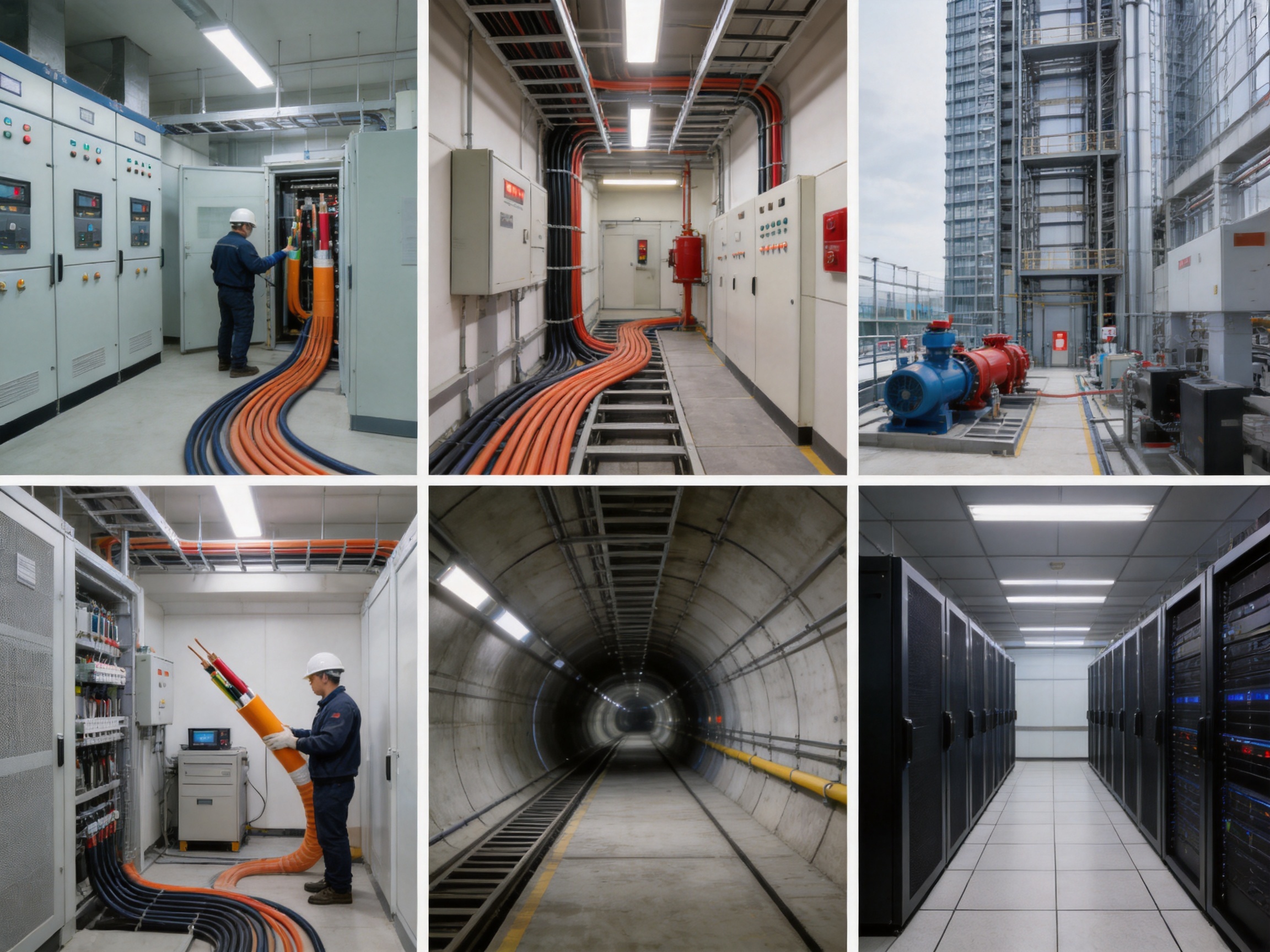
Applications in Critical Facilities
High-Rise Buildings
High-rise buildings depend on vertical electrical routes that may serve many floors and essential systems. Emergency lighting, fire alarm panels, smoke-control fans, fire pumps, pressurization systems, and evacuation communication equipment may all require fire-resistant power or control circuits. Flexible fire-proof cable can simplify routing through risers, plant rooms, ceiling voids, and equipment spaces while supporting the required level of circuit continuity.
Hospitals and Healthcare Facilities
Hospitals contain patients who may not be able to evacuate independently. Operating rooms, intensive-care areas, medical gas systems, emergency generators, fire pumps, alarm systems, and communication networks require careful power planning. LSZH versions may be preferred in occupied areas and enclosed technical zones where smoke and corrosive emissions must be minimized.
Shopping Malls and Exhibition Centers
Large public buildings contain high occupant loads, extensive ceiling spaces, complex tenant layouts, and many electrical services. The flexible construction can assist installation around mechanical systems, lighting infrastructure, escalators, fire compartments, and architectural features. Fire-resistant cables can be used for selected emergency and fire-protection circuits according to the building’s electrical and fire strategy.
Subways, Airports, and Tunnels
Transportation facilities are often characterized by long routes, restricted access, high passenger density, and challenging emergency conditions. A cable system may need to continue operating despite heat, water, vibration, and mechanical disturbance. The product’s fire, water, and mechanical-shock testing background makes the cable range relevant to engineering evaluations for these environments.
Data Centers and Libraries
Data centers and libraries contain valuable equipment and materials that can be affected by smoke, corrosive gases, or loss of power. LSZH cable options can help address smoke and halogen concerns, while continuous long lengths may reduce unnecessary joints in important distribution routes. The final design must coordinate cable selection with fire suppression, emergency power, grounding, monitoring, and equipment protection systems.
Petrochemical and Metallurgical Facilities
Industrial plants may combine high temperatures, vibration, dust, chemical exposure, and demanding electrical loads. Fire-proof cable can support selected safety, control, and power circuits where continuity is required. Engineers must evaluate chemical compatibility, mechanical protection, installation temperature, hazardous-area requirements, and the applicable industrial standards before selecting the final cable construction.
Manufacturing Strengths of Wuxi Guanghuan Cable Co., Ltd.
Wuxi Guanghuan Cable Co., Ltd. was founded in 1998 and is headquartered in Guanlin Town, Yixing City, Jiangsu Province, a region recognized as an important cable-manufacturing center. The company has registered capital of RMB 400.8 million and operates across more than 100,000 square meters, including more than 45,000 square meters of building area.
The company operates more than 70 production and testing lines and employs more than 140 people, including over 30 technical professionals. Its annual sales revenue is approximately RMB 2 billion, with annual output value exceeding RMB 3 billion. These resources provide a substantial manufacturing base for products that require controlled material preparation, precise layer construction, stable extrusion, conductor processing, electrical testing, and final inspection.
The company offers more than 100 product categories and over 30,000 specifications under the registered Liguang brand. This breadth of experience is valuable for specialized cable production because it demonstrates familiarity with different conductor sizes, insulation systems, sheath materials, voltage levels, environmental requirements, and customer specifications.
Its product portfolio covers power cables, electrical equipment wires and cables, bare conductors, overhead insulated cables, high-speed railway and urban rail transit cables, energy-storage cables, photovoltaic cables, wind-power cables, and other solutions. Experience across these areas can support cross-functional engineering knowledge in conductor design, insulation processing, flame performance, mechanical protection, and application-specific quality control.
Advanced Testing and Process Control
Quality control begins with material verification and continues through each stage of production. Conductors must be checked for dimensional consistency, surface quality, and electrical performance. Mineral insulation must be processed with attention to filling, compactness, uniformity, and the relationship between insulation thickness and cable flexibility. Sheathing operations must be controlled to achieve the required dimensions, surface finish, adhesion, and mechanical characteristics.
The company uses advanced equipment such as online eccentricity monitors, high-voltage series-resonance testers, and partial-discharge detectors. Online eccentricity monitoring helps identify uneven insulation or sheath distribution during production. High-voltage series-resonance testing supports the evaluation of insulation withstand performance. Partial-discharge detection can help identify localized defects that may develop into electrical failures under service stress.
For fire-proof cable, production control is especially important because fire performance depends on the integrity of the complete construction. Gaps, weak interfaces, dimensional variation, contamination, or damage to the protective layers can influence performance. Automated and instrumented inspection helps improve consistency and provides useful evidence for quality records.
Management System Certifications
Wuxi Guanghuan Cable Co., Ltd. has obtained ISO 9001 quality management, ISO 14001 environmental management, ISO 45001 occupational health and safety management, and ISO 50001 energy management certifications. It has also obtained GB/T 29490 intellectual property management certification, a Green Management System certification, a Social Responsibility Management System certification, and an After-Sales Service Management System certification.
These systems indicate that manufacturing is supported by structured processes extending beyond product assembly. Quality management addresses process consistency and customer requirements. Environmental and energy systems support controlled resource use and environmental responsibility. Occupational health and safety systems address workplace risks. After-sales service management supports communication, technical assistance, and customer response after delivery.
The company’s products have received CCC, TÜV, product carbon footprint, China Energy-Saving and Environmentally Friendly Product, and other certifications. The exact certification applicable to a particular cable should be confirmed for the selected type, voltage, size, and intended market.
Recognition and Market Experience
The company has been recognized as a National High-Tech Enterprise, one of China’s Top 500 Machinery Enterprises, a Jiangsu Specialized, Sophisticated, Distinctive and Innovative SME, a Jiangsu Provincial Green Factory, a National Intellectual Property Advantage Enterprise, and a Quality Integrity Enterprise.
It has also passed qualification and capability verification for power cables and conductors conducted by the State Grid Corporation of China. The company serves power companies and major energy and engineering enterprises across China. This market experience can be valuable when supplying specialized cables for projects where documentation, traceability, production consistency, and technical communication are important.
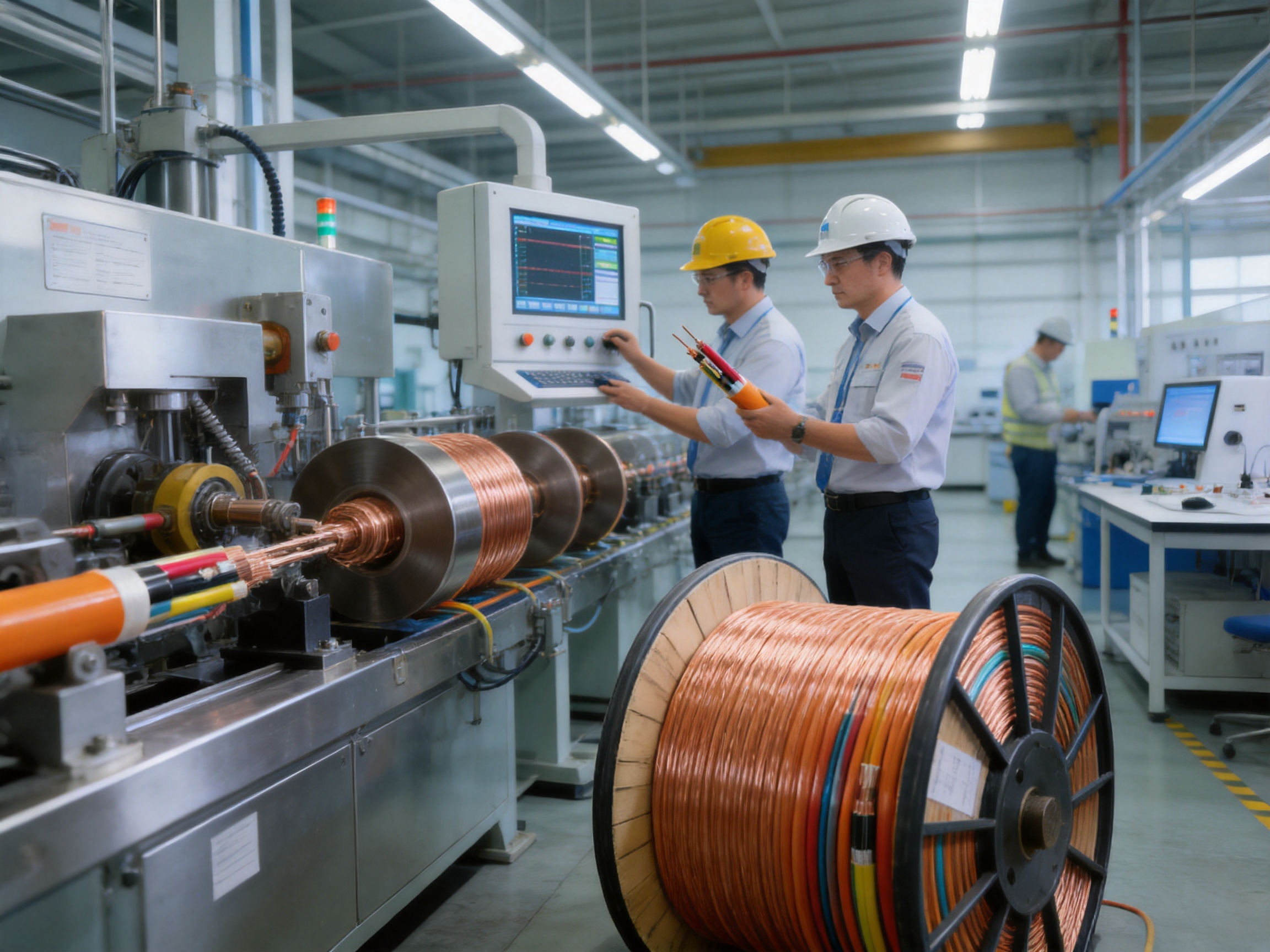
Quality Assurance from Raw Material to Delivery
A reliable fire-proof cable requires coordinated control of raw materials, manufacturing equipment, personnel, testing, packaging, and logistics. Copper must meet the required electrical and dimensional specifications. Insulation and sheath materials must be stored in suitable conditions and verified before use. Production parameters must be monitored to prevent variation between batches. Finished cable must be inspected and tested before release.
Typical quality activities include conductor resistance checks, dimensional inspection, insulation resistance testing, voltage withstand testing, sheath examination, marking verification, and visual inspection. Depending on the product type and contract requirements, additional fire-resistance, flame-retardance, smoke, halogen, mechanical, thermal, and environmental tests may be applied.
Traceability is also important. Batch identification, production records, test data, inspection reports, and packaging information should be linked to the delivered cable. This helps customers verify conformity, manage installation records, support commissioning, and investigate any issue that may arise during the service life of the system.
Packaging and transportation should protect the cable from crushing, impact, moisture, contamination, and uncontrolled bending. Cable drums should be handled with suitable lifting equipment and stored on stable surfaces. The ends should remain sealed until installation. Before use, the installer should inspect the cable for visible damage and confirm that the supplied product matches the approved specification.
Recommended Project Selection Process
The first step is to define the function of the circuit. A cable for an emergency lighting circuit may have different load and size requirements from a cable serving a fire pump motor or a smoke-control fan. The required survival time, current rating, voltage drop, fault-current withstand, control method, and emergency power arrangement should be identified.
The second step is to assess the environment. Designers should consider indoor or outdoor installation, temperature range, humidity, water exposure, chemical exposure, vibration, mechanical impact, ultraviolet exposure, cable tray arrangement, and the presence of combustible materials. Public and enclosed spaces may require LSZH construction, while industrial locations may require additional mechanical or chemical protection.
The third step is to select the construction. Copper-sheathed, aluminum-sheathed, LSZH-sheathed, PVC-sheathed, and ultra-flexible options should be compared according to the project’s technical and regulatory requirements. The decision should not be based only on initial purchase price. Installation labor, joint requirements, termination methods, inspection needs, maintenance access, and expected service reliability should also be considered.
The fourth step is to verify the size and core arrangement. Conductor cross-sectional area should be determined through electrical calculations. The designer should consider continuous load, emergency overload, voltage drop, short-circuit conditions, installation derating, grouping, and ambient temperature. Core identification and grounding arrangements should be coordinated with the complete system design.
The fifth step is to review installation details. Cable routes should provide adequate space for the specified bending radius. Supports should be selected to withstand the cable weight and fire-related conditions. Penetrations through fire compartments should use compatible fire-stopping systems. Terminations and joints should be installed by trained personnel according to approved procedures.
Installation and Maintenance Recommendations
Before installation, inspect the cable drum, markings, ends, sheath, and documentation. Confirm the product type, voltage rating, conductor size, number of cores, length, and test records. Any damage, deformation, water ingress, or unclear identification should be investigated before the cable is installed.
During cable pulling, maintain controlled tension and avoid sudden jerks. Use rollers or other suitable supports at changes of direction. Protect the cable from sharp edges and prevent it from being crushed by temporary structures or other construction materials. Do not exceed the specified bending radius, particularly near terminations and equipment entries.
After installation, check the route, support spacing, separation from heat sources, fire stopping, sheath condition, and identification. Electrical tests should be carried out according to the project commissioning plan. Emergency circuits should be clearly documented so that future maintenance teams can identify them quickly.
Routine maintenance should include visual inspection of accessible routes, cable supports, terminations, glands, joints, and fire-compartment penetrations. Any evidence of overheating, moisture, corrosion, physical damage, loose supports, or unauthorized modification should be corrected. Testing intervals should be established according to the building’s maintenance strategy, applicable regulations, and the importance of the connected system.
Q&A
What is the rated voltage of this flexible fire-proof cable?
The rated voltage is 0.6/1kV. The exact electrical application and installation method should be confirmed against the selected cable type, conductor size, system design, and applicable standards.
What makes the cable fire-proof?
The cable uses composite mineral insulation and a construction designed to maintain circuit integrity under specified fire conditions. Depending on the type, it may also include a copper sheath, aluminum sheath, LSZH polyolefin outer sheath, or PVC outer sheath. Fire performance must be considered together with correct supports, joints, terminations, and installation.
How is it different from a traditional rigid mineral-insulated cable?
The flexible fire-proof cable retains the protective advantages of mineral insulation while providing improved flexibility. This can simplify routing, reduce installation difficulty, and make it easier to work around corners, equipment, and confined spaces. The allowable bending radius depends on the specific construction.
What bending radius should be used?
For copper-sheathed models, the allowable bending radius is not less than 20 times the cable outer diameter. For flexible models without a copper sheath, the bending radius can be reduced to 15 times the outer diameter. The project installation instructions should always be followed.
Can the cable be supplied in long continuous lengths?
Yes. The product supports long-length continuous production. Long lengths can reduce the number of intermediate joints and may improve installation efficiency and system reliability when the route is properly planned.
What is the maximum continuous conductor operating temperature?
The maximum continuous conductor operating temperature is rated at 90°C. Actual ampacity must be calculated based on installation conditions, cable grouping, ambient temperature, and applicable electrical requirements.
Can the cable be used in public buildings?
Yes, it can be considered for high-rise buildings, hospitals, shopping malls, exhibition centers, airports, subways, tunnels, libraries, and other public facilities. LSZH versions may be selected where low smoke and halogen-free performance is required.
Is the cable suitable for fire pumps and emergency lighting?
It is designed for critical circuits such as fire linkage control systems, emergency lighting, automatic sprinkler circuits, and other life-safety applications. The final selection must be verified against the load, circuit design, required fire-resistance classification, and local regulations.
What cable sizes are available?
Single-core products are available from 10 mm² to 400 mm². Multi-core products are available from 2.5 mm² to 185 mm² for certain types and from 2.5 mm² to 240 mm² for other types. Availability should be confirmed for the specific construction and project order.
Which sheath should be selected?
The choice depends on the application. Copper or aluminum sheaths may be suitable where metallic protection is required. LSZH polyolefin sheaths are appropriate where smoke and halogen control is important. PVC sheaths may be suitable for compatible general applications. Engineers should evaluate the complete environment and project specification.
What standards are associated with the cable?
The product is manufactured according to Q/320282 GAD085 and is designed to meet relevant requirements of GB/T 12706.1 and GB/T 19216.21. It has also passed BS 6387 assessments covering fire, water, and mechanical-shock performance. Certification and test documentation should be confirmed for the specific product supplied.
What manufacturing capabilities support the product?
The manufacturer operates more than 70 production and testing lines, employs technical professionals, and uses online eccentricity monitoring, high-voltage series-resonance testing, and partial-discharge detection. It also maintains quality, environmental, occupational health and safety, energy, social responsibility, and after-sales service management systems.
How should the cable be stored?
Store cable drums on stable surfaces in a clean and dry location. Protect the cable from impact, water, contamination, excessive heat, and uncontrolled bending. Keep the ends sealed and handle drums with suitable equipment. Inspect the cable before installation.
Conclusion
The 0.6/1kV Flexible Fire-proof Cable provides a practical combination of fire resistance, circuit integrity, installation flexibility, low-smoke options, and long-length production capability. Its composite mineral insulation is designed to protect critical electrical circuits under severe thermal conditions, while the available sheath constructions allow the product to be adapted to public buildings, transportation facilities, industrial plants, data centers, hospitals, and other critical environments.
Its advantages over more rigid mineral-insulated alternatives include easier routing, reduced installation complexity, and the ability to work more effectively in confined or irregular spaces. Continuous production can reduce intermediate joints, while copper conductors support efficient power transmission. The availability of copper-sheathed, aluminum-sheathed, LSZH, PVC-sheathed, and ultra-flexible types gives engineers greater freedom to match the cable to project conditions.
These product features are supported by Wuxi Guanghuan Cable Co., Ltd.’s manufacturing scale, technical personnel, testing equipment, management certifications, broad product portfolio, and experience serving power and engineering customers. From raw-material control and online process monitoring to electrical testing and final inspection, the company’s manufacturing approach is intended to deliver consistent cable quality for demanding applications.
For any fire-protection or emergency-power project, product selection should be integrated with electrical calculations, fire engineering, cable support design, termination procedures, fire stopping, commissioning, and maintenance. When correctly specified and installed, flexible fire-proof cable can form an important part of a resilient power-distribution system that supports evacuation, fire-fighting operations, emergency control, and the protection of people and property.
References
GB/T 12706.1, Power Cables with Extruded Insulation and Their Accessories for Rated Voltages from 1kV to 3kV.
GB/T 19216.21, Tests for Electric Cables under Fire Conditions—Circuit Integrity.
BS 6387, Performance Requirements for Cables Required to Maintain Circuit Integrity under Fire Conditions.
Q/320282 GAD085, Specialized Enterprise Standard for Flexible Fire-Proof Cable Products.
ISO 9001, Quality Management Systems—Requirements.
ISO 14001, Environmental Management Systems—Requirements with Guidance for Use.
ISO 45001, Occupational Health and Safety Management Systems—Requirements with Guidance for Use.
ISO 50001, Energy Management Systems—Requirements with Guidance for Use.
Manufacturer-provided technical information for 0.6/1kV flexible fire-proof cable product types, construction, performance, production range, and installation requirements.
Manufacturer-provided corporate information concerning production facilities, testing equipment, management systems, certifications, product portfolio, and technical capabilities.
Product: Flexible Fire-proof Cable (Rated Voltage 0.6/1kV)

-
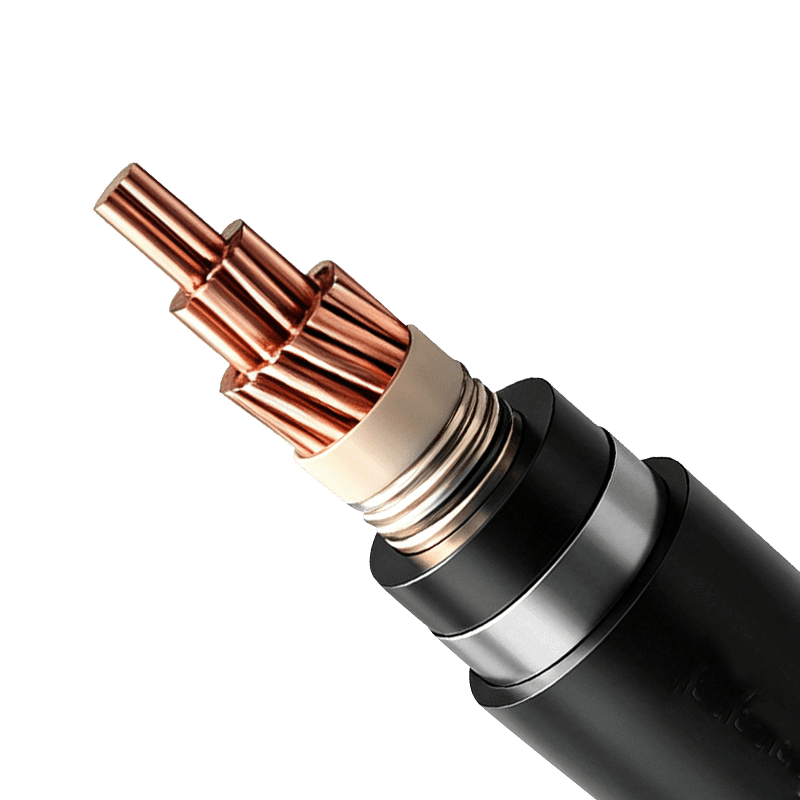
Power Cable for Subway and Urban Rail Transit (Rated Voltage 35kV)
-
Flexible Fire-proof Cable (Rated Voltage 0.6/1kV)
-
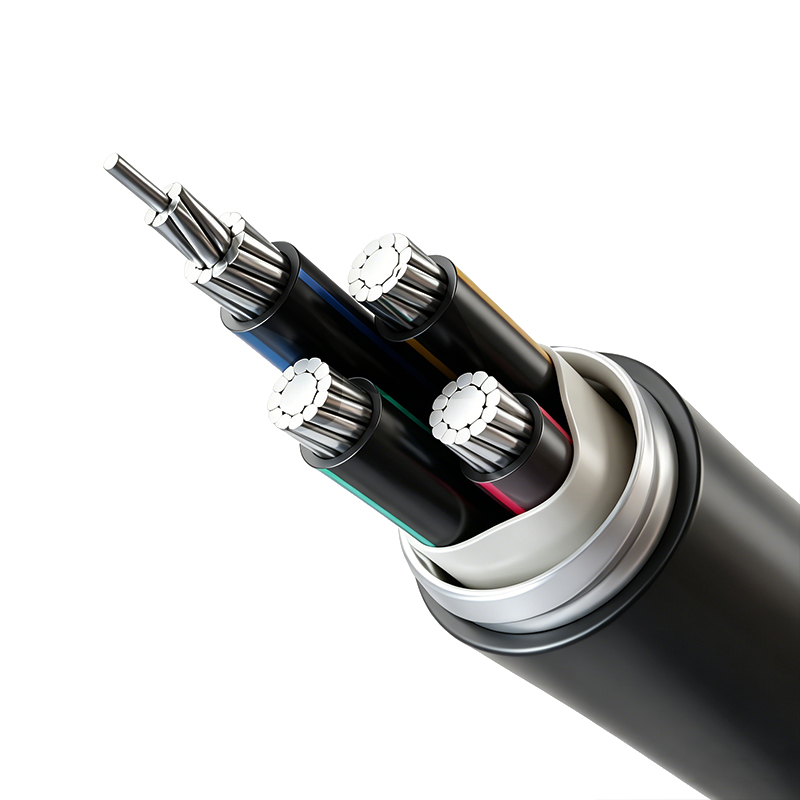
Aluminum Alloy Conductor Plastic Insulated Power Cable (Rated Voltage up to 26/35kV)
-
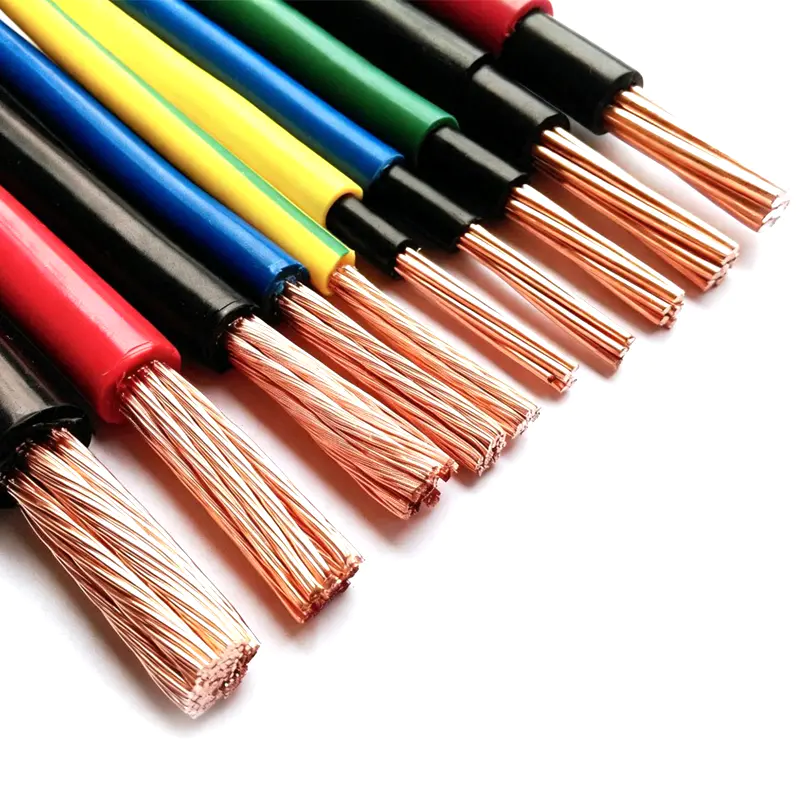
Cross-linked Polyolefin (XLPO) Insulated Wire and Cable (Rated Voltage 450/750V and below)
-
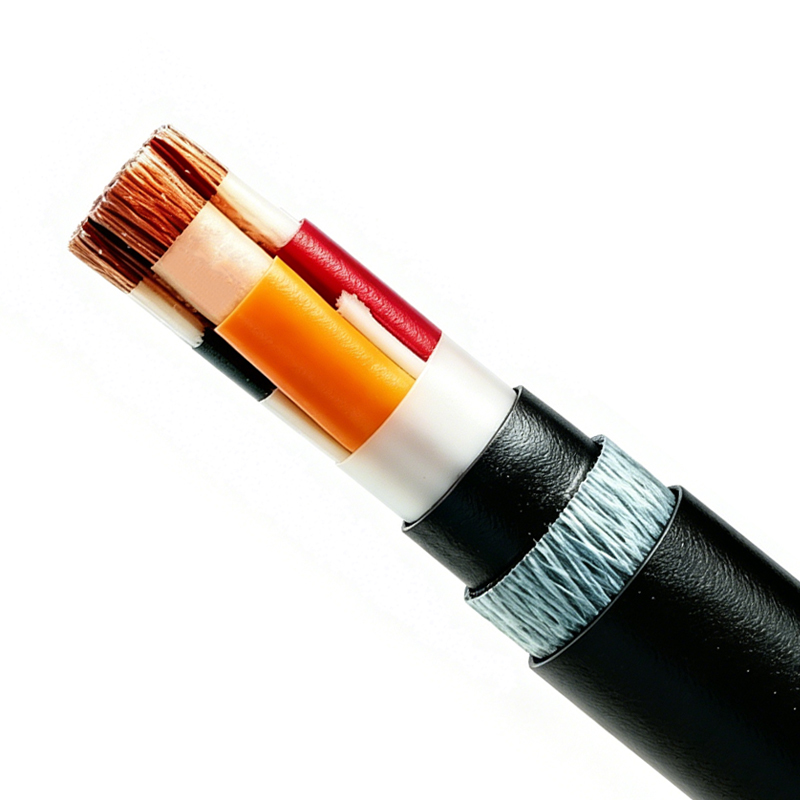
Flame-Retardant and Fire-Resistant Cable Series

Copyright © Wuxi Guanghuan Cable Co., Ltd. All Rights Reserved. Power Cables Manufacturer Electrical Wire And Cable Factory

