


 English
 中文简体
 русский
 Español
 عربى

Flame-Retardant and Fire-Resistant Cable Series: Safety, Continuity, and Advanced Manufacturing
Content
- 1 Why Fire-Performance Cables Matter
- 2 Product Scope and Configuration Options
- 3 Understanding Flame-Retardant Classes
- 4 Fire Resistance and Circuit Integrity
- 5 Low-Smoke Zero-Halogen Performance
- 6 Material Engineering Behind Fire Performance
- 7 Advanced Manufacturing Capabilities
- 8 Quality Control from Raw Material to Finished Cable
- 9 Standards and Testing Framework
- 10 Performance Advantages Compared with General-Purpose Cables
- 11 Application in High-Rise and Public Buildings
- 12 Application in Transportation and Underground Infrastructure
- 13 Application in Industrial and Specialized Facilities
- 14 Application Selection Guide
- 15 Manufacturing Strengths Supporting Project Reliability
- 16 Environmental and Management Advantages
- 17 Installation and Project Coordination
- 18 Inspection, Testing, and Traceability
- 19 Why Choose a Specialist Manufacturer
- 20 Q&A
- 20.1 What is the difference between a flame-retardant cable and a fire-resistant cable?
- 20.2 What do ZA, ZB, ZC, and ZD mean?
- 20.3 What does the N code represent?
- 20.4 What does WDZ mean?
- 20.5 Where are low-smoke zero-halogen cables most useful?
- 20.6 How long can the fire-resistant cables maintain circuit operation?
- 20.7 Can a flame-retardant cable replace a fire-resistant cable?
- 20.8 Does a fire-resistant cable guarantee that the entire circuit will remain operational?
- 20.9 What should be checked before ordering?
- 20.10 Why is manufacturing control important for fire-performance cables?
- 20.11 Can these products be used in industrial facilities?
- 20.12 Are the listed standards sufficient for every project?
- 21 Conclusion
- 22 References
- 23 Product: Flame-Retardant and Fire-Resistant Cable Series
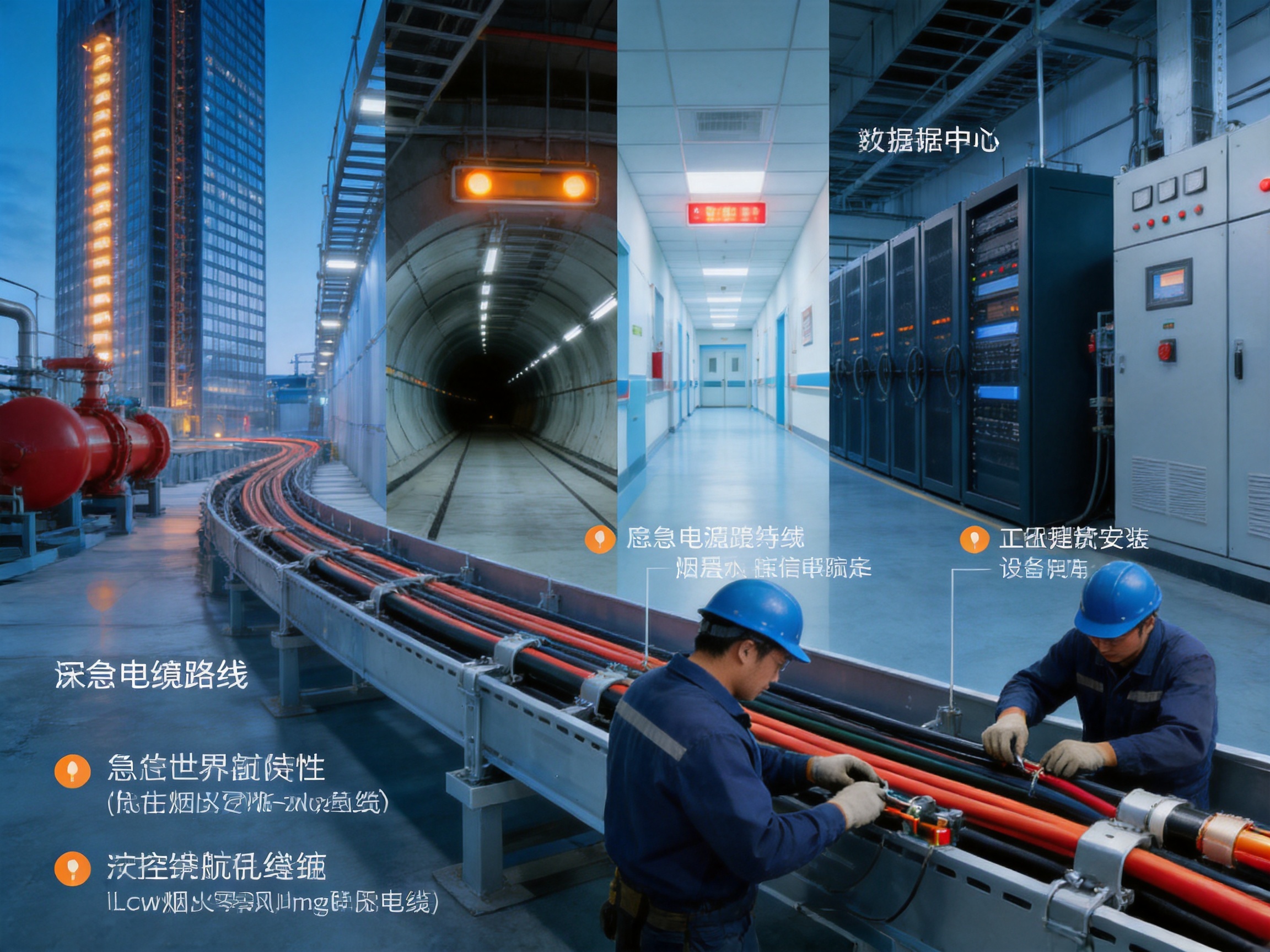
Fire safety is a fundamental requirement in modern electrical infrastructure. Buildings, transportation networks, industrial facilities, data centers, and energy installations all depend on cables to deliver power and control signals. During normal operation, a cable is expected to provide efficient transmission, mechanical reliability, insulation performance, and long service life. During a fire, however, its role becomes even more critical. A cable must help restrict the spread of flame and, where specified, continue supplying electricity to essential equipment while people evacuate and emergency systems operate.
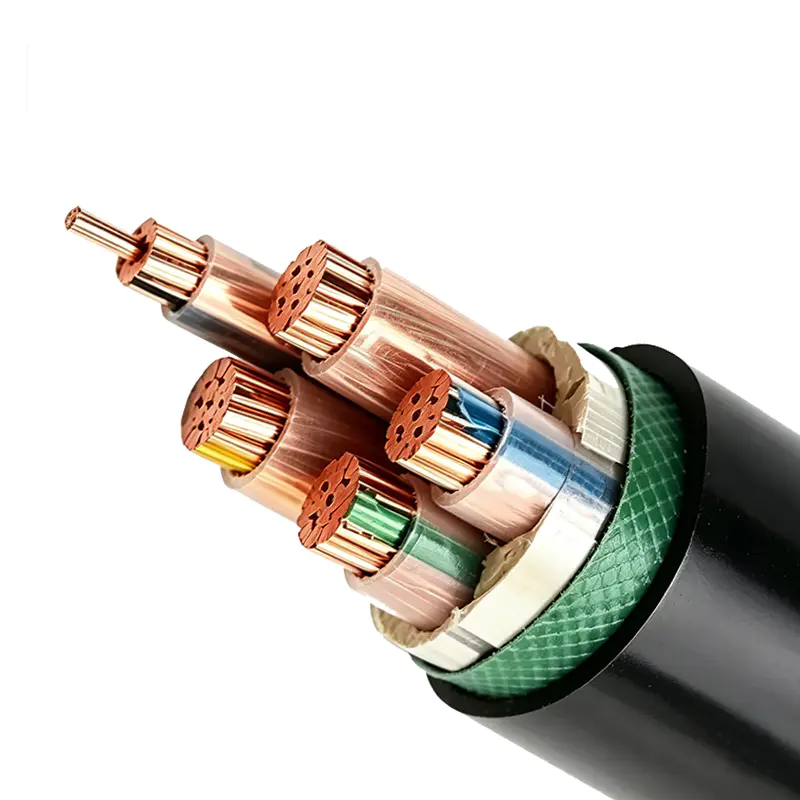
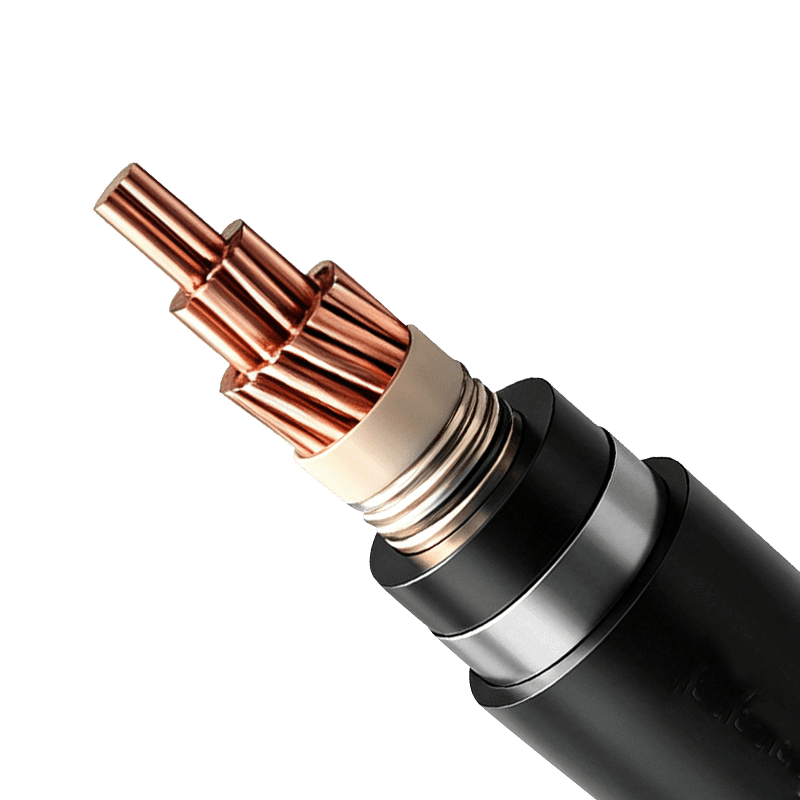
The Flame-Retardant and Fire-Resistant Cable Series is designed for these demanding conditions. The series includes flame-retardant cables, fire-resistant cables, low-smoke zero-halogen cables, and combined flame-retardant and fire-resistant configurations. These products are developed from power cables, control cables, or electrical equipment cables by optimizing insulation, sheath, filler, wrapping, and other material systems. The result is a product family that addresses both fire propagation and circuit continuity.
Manufactured by Wuxi Guanghuan Cable Co., Ltd., the series combines controlled material selection, structured product design, advanced extrusion, comprehensive testing, and application-oriented technical support. The company’s broad cable portfolio and established production capabilities allow customers to select a fire-performance configuration while retaining the electrical and mechanical properties required for a particular project.
Why Fire-Performance Cables Matter
Electrical cables can influence fire development in several ways. If cable insulation or sheathing burns easily, flames may travel along cable trays, shafts, tunnels, ceilings, or other installation routes. Once a cable route becomes involved, fire can spread from one compartment or floor to another. Smoke, corrosive gases, and reduced visibility can create additional hazards even when the flame itself is not extensive.
Flame-retardant cables are intended to reduce the possibility of flame propagation along a grouped cable installation. They are tested under controlled conditions involving a defined quantity of non-metallic material, a specified flame application time, and performance criteria related to flame spread and after-burning. This function is especially important where many cables are installed together.
Fire-resistant cables serve a different but complementary purpose. They are designed to maintain circuit integrity for a defined period when exposed to fire. The objective is not merely to prevent the cable from burning. The cable must continue to transmit electrical energy so that emergency lighting, fire pumps, smoke extraction systems, alarm systems, communication equipment, sprinkler controls, and other life-safety systems can remain operational.
Low-smoke zero-halogen designs add an environmental and evacuation benefit. When exposed to fire, these cables are formulated to minimize halogen acid gas emissions and reduce smoke density. This can help limit corrosive damage to equipment and improve visibility in evacuation areas. For enclosed public spaces, transportation facilities, hospitals, and high-occupancy buildings, these properties can be as important as flame spread control.
Product Scope and Configuration Options
The product series is not a single fixed cable construction. It is a fire-performance platform that can be combined with different base cable models. Depending on the electrical function and project requirement, the combustion characteristic code may be applied to power cables, control cables, electrical equipment wires, or other compatible cable types.
The main product configurations include halogenated flame-retardant cables, low-smoke zero-halogen flame-retardant cables, halogenated fire-resistant cables, and low-smoke zero-halogen fire-resistant cables. Flame-retardant classes A, B, C, and D provide graded performance according to the installation and fire-risk conditions. The N code identifies fire resistance, while WDZ-based codes identify low-smoke zero-halogen characteristics.
| Product group | Typical code family | Main function | Typical selection purpose |
|---|---|---|---|
| Halogenated flame-retardant | ZA, ZB, ZC, ZD | Limits flame spread along cable installations | Power and control installations requiring graded flame-retardant performance |
| Low-smoke zero-halogen flame-retardant | WDZ, WDZA, WDZB, WDZC, WDZD | Combines flame retardancy with low smoke and low corrosiveness | Public buildings, enclosed spaces, transit facilities, and evacuation-sensitive areas |
| Fire-resistant | N | Maintains circuit operation during a defined fire exposure | Emergency power, fire pumps, alarms, and other critical circuits |
| Flame-retardant and fire-resistant | ZAN, ZBN, ZCN, ZDN | Combines graded flame retardancy with fire resistance | Installations requiring both flame-spread control and circuit integrity |
| Low-smoke zero-halogen fire-resistant | WDZN, WDZAN, WDZBN, WDZCN, WDZDN | Combines fire resistance, flame retardancy, low smoke, and zero-halogen characteristics | High-occupancy, enclosed, underground, and safety-critical infrastructure |
The final selection must always be based on the complete cable designation, voltage grade, conductor material, conductor size, number of cores, installation method, current-carrying capacity, ambient conditions, short-circuit requirements, and applicable project standards. The combustion characteristic code is an important part of the selection process, but it does not replace the electrical design review.
Understanding Flame-Retardant Classes
The ZA, ZB, ZC, and ZD designations represent different flame-retardant classes. In general, Class A provides the highest flame-retardant performance in the series, followed by Classes B, C, and D. The classification is associated with the volume of non-metallic material present in the test arrangement and the severity of the applied fire exposure.
According to the supplied technical information, the representative non-metallic material volumes range from approximately 7 liters per meter to 0.5 liters per meter. The corresponding fire supply times range from approximately 40 minutes to 20 minutes, depending on the class. The test evaluates whether burning or carbonization remains within the required limit and whether flame continues after the fire source is removed.
This graded structure provides designers with greater flexibility than a single all-purpose fire designation. A lightly loaded cable route may require a different classification from a large cable tray containing many bundled cables. Applying a higher class than necessary may increase cost or affect construction choices, while applying an insufficient class can create unacceptable fire-propagation risk. The correct approach is to match the cable designation to the installation density, route arrangement, fire compartmentation, and project specification.
For cables with an outer diameter not exceeding 12 millimeters, the supplied information identifies a special applicability note for the relevant flame-retardant test arrangement. This detail illustrates why cable dimensions and test sample configuration must be reviewed together. The same code should not be interpreted independently of the cable’s physical construction and applicable test method.
Fire Resistance and Circuit Integrity
Flame retardancy and fire resistance are often confused, but they address separate performance objectives. A flame-retardant cable is primarily intended to restrict the spread of fire. It may not be required to continue operating during direct flame exposure. A fire-resistant cable, by contrast, must retain electrical continuity for a specified time under defined fire conditions.
The fire-resistant configurations in this series are designed for circuits that cannot be allowed to fail immediately during a fire. Examples include fire pumps, emergency lighting, fire detection and alarm systems, smoke control equipment, emergency communication systems, evacuation signaling, and selected control circuits. Depending on the project design, the same requirements may apply to equipment in tunnels, underground stations, hospitals, high-rise buildings, industrial plants, and data centers.
The supplied product information identifies a fire exposure period of 90 minutes followed by a 15-minute cooling period for the applicable fire-resistant test. Testing is carried out at the rated voltage for cables of 0.6/1 kV and below. The evaluation includes continuity-related criteria, such as the ability to maintain the required circuit condition and prevent the specified protective device or indicator from failing during the test.
Actual project performance depends on more than the cable alone. Cable support systems, cleats, glands, joints, terminations, tray construction, spacing, bending radius, and installation workmanship can all influence circuit integrity. A fire-resistant cable should therefore be installed as part of a coordinated fire-resistance system. The cable manufacturer’s installation recommendations and the project’s fire engineering requirements should be considered before construction.
Low-Smoke Zero-Halogen Performance
In an enclosed building, smoke can become a more immediate threat than flame. Dense smoke can obscure exit signs, make stairways difficult to use, interfere with rescue operations, and damage sensitive electronic equipment. Halogen-containing materials may generate acidic and corrosive gases when burned, potentially affecting people, switchgear, control systems, communication equipment, and structural components.
The low-smoke zero-halogen versions in the series are developed to reduce these risks. The technical information identifies a pH weighted value of at least 4.3 and a weighted conductivity value not exceeding 10 microsiemens per millimeter for the relevant low-corrosiveness evaluation. These indicators are used to assess the acidity and conductivity of combustion products.
The series also identifies a minimum light transmittance of 60 percent for the low-smoke characteristic. The exact number of samples depends on the cable’s outer diameter. Larger cables, medium-diameter cables, small cables, and bundled or twisted samples are evaluated according to different sample arrangements. This approach recognizes that smoke generation can vary with cable size and construction.
Low-smoke zero-halogen construction is particularly valuable in places where occupants may have limited mobility or where evacuation routes are enclosed. Hospitals, shopping centers, hotels, exhibition centers, airports, metro stations, underground tunnels, and large public buildings commonly require careful control of smoke, corrosive gases, and flame propagation.
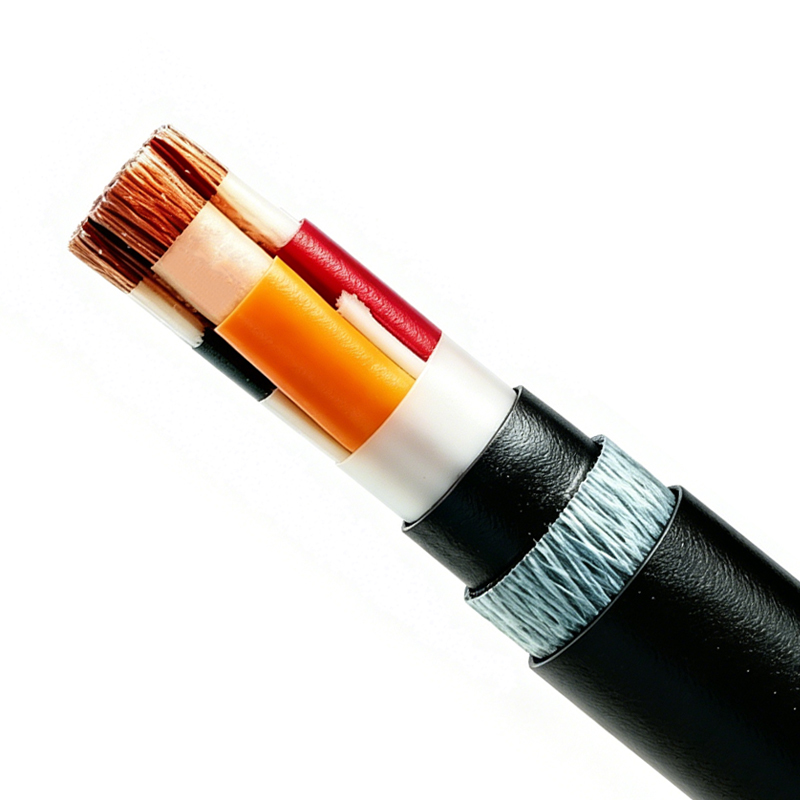
Flame-Retardant and Fire-Resistant Cable Series
Material Engineering Behind Fire Performance
The fire performance of a cable begins with its material system. Insulation and sheath compounds must provide electrical insulation, flexibility, mechanical protection, environmental resistance, and stable processing characteristics while also meeting fire-related requirements. Improving one property can affect another. For example, a material designed for low smoke may require different processing conditions from a conventional compound, while a fire-resistant construction may require special layers or tapes to maintain insulation during combustion.
For flame-retardant products, the material formulation is selected to reduce ignition, slow combustion, and limit flame propagation. The formulation must also be compatible with extrusion equipment and maintain consistent wall thickness around the conductor. Uneven insulation or sheath thickness can affect electrical performance and may produce inconsistent behavior under fire exposure.
For low-smoke zero-halogen products, the compound system is selected without relying on halogen-based materials for fire performance. The formulation must minimize smoke and corrosive emissions while preserving tensile strength, elongation, abrasion resistance, aging performance, and electrical stability. These demands require controlled compounding and careful quality verification.
Fire-resistant cables generally require a coordinated combination of conductor, insulation, fire-resistant layers, wrapping materials, fillers, and outer protection. The design must maintain separation and insulation around the conductor when exposed to high temperature, direct flame, mechanical impact, and, where applicable, water spray. The material layers must remain properly positioned during manufacturing, installation, and testing.
Wuxi Guanghuan Cable Co., Ltd. has a broad manufacturing base covering power cables, electrical equipment wires and cables, bare conductors, overhead insulated cables, high-speed railway and urban rail transit cables, energy-storage cables, photovoltaic cables, and wind-power cables. This product breadth supports the development of specialized fire-performance constructions because the company can draw on experience across several conductor, insulation, sheath, and application technologies.
Advanced Manufacturing Capabilities
A fire-performance cable must be manufactured with greater process discipline than a general-purpose cable. Small variations in conductor geometry, insulation eccentricity, compound temperature, line speed, layer adhesion, or sheath thickness can influence both electrical reliability and fire-test performance. For this reason, production control is a central advantage of a specialist cable manufacturer.
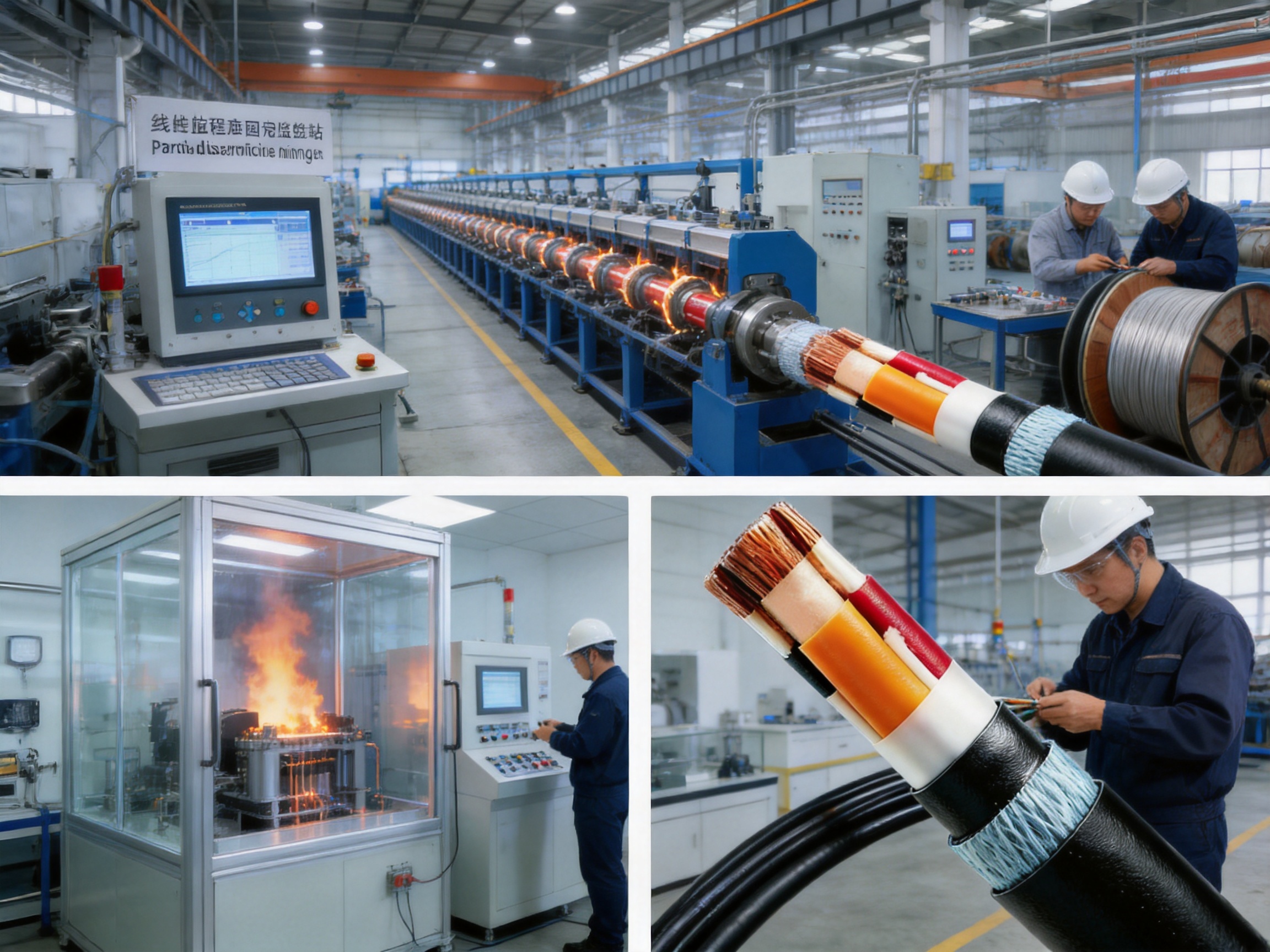
The company operates more than 70 advanced production and testing lines. This equipment base supports multiple cable categories and allows production to be organized according to conductor size, cable construction, material system, and performance requirement. A diversified line configuration also helps reduce the risk of using a one-process-fits-all approach for products with significantly different technical characteristics.
Conductor processing begins with suitable conductor materials and controlled stranding or forming operations. The conductor must provide stable resistance, mechanical flexibility where required, and consistent dimensions for subsequent insulation extrusion. Proper conductor geometry is especially important for fire-resistant cables because the conductor and surrounding insulation system must remain correctly positioned during thermal exposure.
Insulation and sheath extrusion require accurate temperature control, stable material feeding, appropriate screw and die configuration, and continuous monitoring. The aim is to achieve uniform thickness, smooth surfaces, reliable bonding where required, and controlled eccentricity. Online eccentricity monitoring is one of the advanced technologies identified in the company’s quality system. It can help detect deviations during production rather than waiting until final inspection.
For multilayer or fire-resistant constructions, the sequence and tension of wrapping operations are important. Fire-resistant tapes, separating layers, fillers, and protective sheaths must be applied consistently along the entire cable length. Uneven overlaps or excessive tension may compromise flexibility or create localized weaknesses. Controlled production parameters help maintain repeatable construction quality.
After extrusion and assembly, cables may undergo dimensional inspection, conductor resistance testing, insulation resistance testing, voltage testing, sheath testing, mechanical tests, aging tests, and fire-performance tests according to the applicable product standard. The manufacturer’s high-voltage series resonance testers and partial discharge detectors further support the evaluation of insulation systems and finished cable performance.
Quality Control from Raw Material to Finished Cable
Quality cannot be created through final testing alone. A reliable fire-performance cable requires control at every stage, beginning with the qualification of raw materials. Incoming materials should be identified, inspected, stored under suitable conditions, and traced to production batches. This is particularly important for specialized insulation and sheath compounds, fire-resistant tapes, fillers, metallic components, and low-smoke zero-halogen materials.
During production, process parameters are monitored and recorded. These parameters may include conductor preheating, extrusion temperatures, line speed, cooling conditions, take-up tension, layer dimensions, and curing or cross-linking conditions where applicable. Consistent records support process analysis and help identify potential causes if a deviation is detected.
Online eccentricity monitoring is valuable because insulation displacement can reduce dielectric strength, increase electrical stress, or create a nonuniform protective layer. Continuous monitoring allows operators to identify process variation quickly. This can reduce material waste and improve the consistency of long production runs.
Electrical testing is also central to cable quality. High-voltage testing evaluates the integrity of the insulation system, while partial discharge detection can reveal localized defects or weaknesses that may not be visible through ordinary inspection. These methods are especially relevant to cables intended for stable operation in power distribution and critical electrical systems.
The company has obtained ISO 9001 quality management certification, along with ISO 14001 environmental management, ISO 45001 occupational health and safety, and ISO 50001 energy management certifications. It has also obtained other management and product-related certifications identified in the supplied company information. These systems indicate a structured approach to production management, environmental control, workplace safety, energy use, documentation, and continual improvement.
Standards and Testing Framework
The Flame-Retardant and Fire-Resistant Cable Series is associated with several domestic and international test frameworks. Flame-retardant performance is identified with the GB/T 18380.3 series, corresponding broadly to IEC 60332-3 testing principles for flame propagation of vertically mounted bunched cables. The series covers Classes A, B, C, and D according to the applicable test arrangement.
Fire resistance is associated with GB/T 19216.21 and relevant circuit-integrity requirements. These tests are intended to verify whether a cable can continue to function under specified fire exposure conditions. The precise test setup may include flame, mechanical impact, and water spray, depending on the applicable standard and product category.
For low-smoke zero-halogen products, GB/T 17650.2 is identified for halogen acid gas emission or related combustion-product evaluation, while GB/T 17651.2 is identified for smoke density and light transmittance. The product information specifies a minimum light transmittance of 60 percent for the low-smoke characteristic.
| Performance property | Representative standard or framework | Purpose of evaluation |
|---|---|---|
| Flame retardancy | GB/T 18380.3 series; equivalent IEC 60332-3 principles | Evaluates flame spread and after-burning in grouped cable installations |
| Fire resistance | GB/T 19216.21 and relevant circuit-integrity requirements | Evaluates continued operation under defined fire exposure conditions |
| Halogen acid gas and corrosiveness | GB/T 17650.2 | Evaluates combustion products for low-halogen or low-corrosiveness performance |
| Smoke density | GB/T 17651.2 | Evaluates smoke production and light transmittance during combustion |
| Electrical insulation | Applicable product and project standards | Confirms voltage withstand, insulation resistance, and operational reliability |
Standards should be interpreted according to the current edition, product type, cable voltage level, test configuration, and project specification. A purchasing team should request the applicable test reports, certificates, technical data sheets, and conformity documents before approving a cable for a safety-critical installation.
Performance Advantages Compared with General-Purpose Cables
Conventional cables may provide satisfactory electrical transmission under normal conditions but may not offer sufficient fire performance for high-risk installations. The Flame-Retardant and Fire-Resistant Cable Series provides a more comprehensive response by allowing the designer to specify the required fire behavior rather than treating fire protection as an afterthought.
The first advantage is graded flame protection. Classes A through D give engineers a structured method for selecting flame-retardant performance according to cable grouping and installation density. This is more precise than simply labeling a cable as “fire safe” without defining the test conditions or performance class.
The second advantage is the availability of combined functions. A project may need both resistance to flame spread and continued circuit operation. ZAN, ZBN, ZCN, and ZDN configurations are intended to address this combined requirement. For installations where smoke and corrosive gases are also concerns, WDZN and its derivative configurations add low-smoke zero-halogen characteristics.
The third advantage is improved suitability for enclosed public environments. Low-smoke zero-halogen materials can help reduce smoke opacity and corrosive emissions, supporting evacuation and protecting equipment. This may provide an important benefit over conventional halogen-containing cables in tunnels, stations, hospitals, hotels, public venues, and enclosed technical spaces.
The fourth advantage is application flexibility. Because the combustion characteristic code can be combined with a relevant base cable model, the customer does not need to choose between fire safety and basic electrical function. The cable can be specified according to conductor arrangement, voltage, control purpose, mechanical requirements, and fire-performance level.
The fifth advantage is manufacturing depth. A specialist producer with a broad product portfolio, numerous production and testing lines, technical personnel, and established quality systems can coordinate material selection, process control, testing, and documentation more effectively than a supplier focused only on basic commodity cables.
Application in High-Rise and Public Buildings
High-rise buildings present complex fire-safety challenges. Vertical cable shafts can create continuous routes between floors, while large cable quantities may be concentrated in electrical rooms, risers, ceiling voids, and service corridors. Hospitals and hotels add the challenge of protecting occupants who may need assistance during evacuation.
Flame-retardant cables can help limit the spread of fire along grouped cable routes. Fire-resistant designs can support emergency systems such as fire pumps, pressurization fans, emergency lighting, alarm systems, and evacuation communication. Low-smoke zero-halogen designs are suitable for areas where smoke visibility and corrosive emissions must be carefully controlled.
Shopping malls, exhibition centers, and public venues often contain large open spaces, high occupant density, extensive lighting systems, escalators, elevators, security equipment, and complex communications networks. Cable selection should consider not only load current and voltage drop but also the consequences of fire propagation and loss of critical circuits.
For these projects, the product designation should be coordinated with the fire zoning plan, emergency power plan, cable tray arrangement, and building services design. Cables for ordinary loads may require flame retardancy, while cables serving emergency equipment may require fire resistance in addition to flame retardancy.
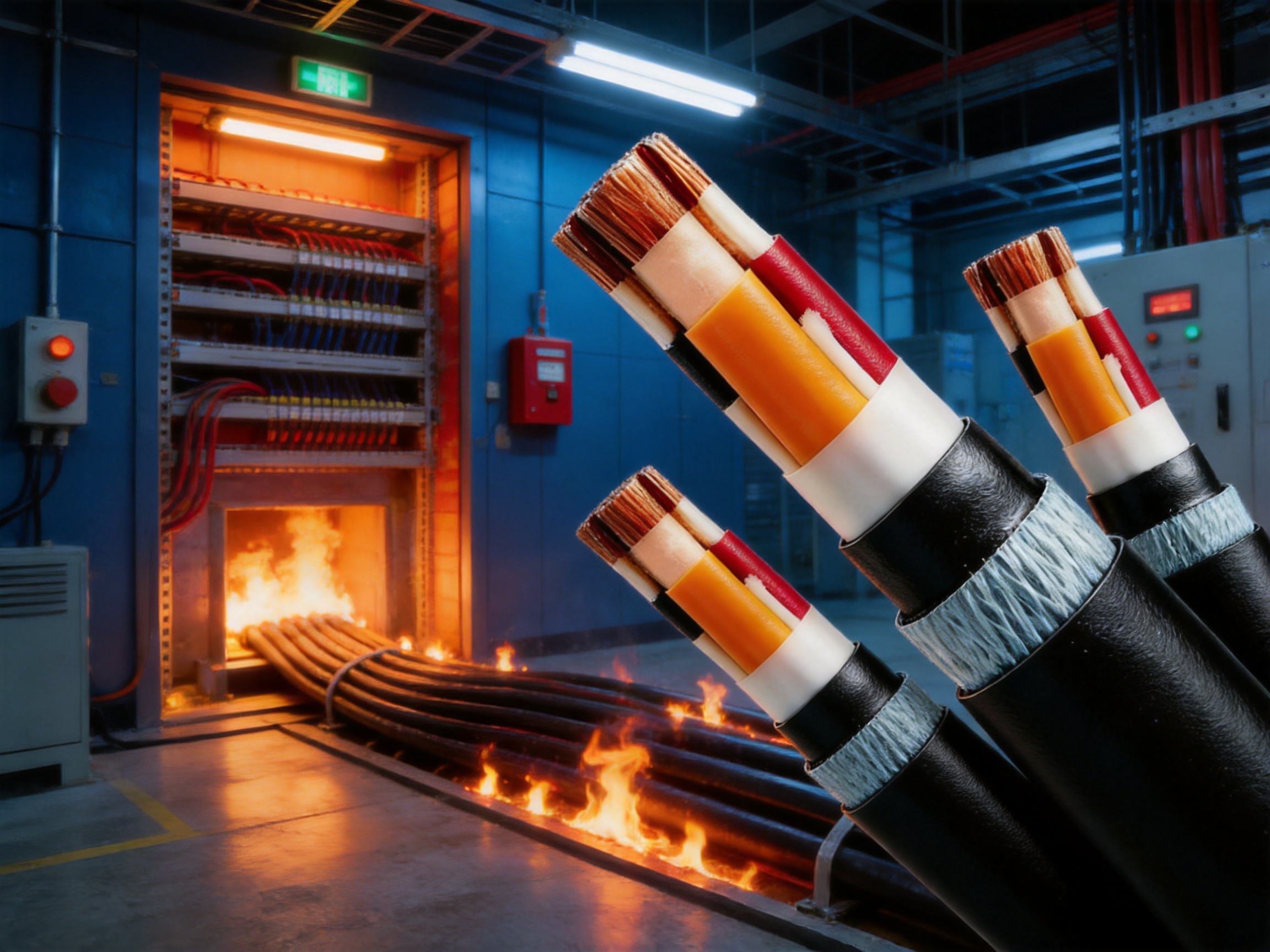
Application in Transportation and Underground Infrastructure
Subways, airports, underground tunnels, railway facilities, and transportation hubs frequently contain long cable routes in enclosed or partially enclosed spaces. Evacuation may be difficult, and smoke can accumulate rapidly. Maintenance and emergency access may also be restricted.
Low-smoke zero-halogen cables can help address the smoke and corrosiveness concerns associated with such environments. Fire-resistant cables can support essential control and power circuits for ventilation, emergency lighting, signaling, fire detection, communication, pumping, and station control systems.
Underground tunnels also place special demands on cable installation. Cables may be exposed to moisture, vibration, mechanical movement, constrained bending space, and large temperature variations. The selected product must therefore meet fire-performance requirements without sacrificing mechanical and electrical suitability.
Transportation projects often involve strict documentation, inspection, and acceptance procedures. Cable suppliers may be required to provide type-test reports, routine-test records, material declarations, factory inspection support, and traceability documents. The manufacturer’s established management systems and testing capabilities can help support these requirements.
Application in Industrial and Specialized Facilities
Petrochemical plants, power stations, nuclear facilities, data centers, and other specialized industrial environments depend on stable electrical and control systems. A cable failure during a fire may interrupt production, disable safety systems, damage communication networks, or delay emergency response.
In industrial facilities, the appropriate fire-performance level depends on the process hazard, cable route, equipment importance, fire compartmentation, and emergency shutdown strategy. Some circuits may need fire resistance because they must remain operational during an incident. Others may primarily require flame retardancy to prevent a cable route from becoming a pathway for fire spread.
Data centers require additional attention because smoke and corrosive gases may damage servers, storage systems, power distribution equipment, and communication infrastructure even when the flame does not directly reach the equipment. Low-smoke zero-halogen cables can be considered for appropriate areas, subject to the facility’s fire engineering design and applicable technical specifications.
Petrochemical and energy installations may impose requirements related to chemical exposure, oil resistance, temperature, electromagnetic compatibility, shielding, and mechanical protection. Fire performance must be evaluated together with these properties. A fire-retardant code alone does not confirm suitability for every industrial environment.
Application Selection Guide
Correct selection begins with understanding what the cable must do before, during, and after a fire. The following questions should be answered by the electrical designer, fire engineer, contractor, and procurement team.
Determine the electrical function
Identify whether the cable is intended for power transmission, control, instrumentation, signaling, communication, emergency power, or equipment wiring. Confirm the rated voltage, conductor material, core count, conductor cross-section, operating current, voltage drop, short-circuit conditions, and installation method.
Assess the fire scenario
Determine whether the main requirement is flame-spread limitation, circuit continuity, low smoke, low corrosiveness, or a combination of these properties. Consider the cable grouping, tray fill, vertical or horizontal routing, fire compartment boundaries, and proximity to occupied areas.
Select the combustion characteristic code
Choose the appropriate ZA, ZB, ZC, or ZD class for flame-retardant performance. Where circuit integrity is required, select the relevant N combination. Where low-smoke zero-halogen behavior is required, use the applicable WDZ-based code. The exact designation should be confirmed against the project standard and cable model.
Review installation compatibility
Check minimum bending radius, allowable pulling tension, support spacing, cleat type, jointing method, termination accessories, ambient temperature, moisture exposure, and fire-resistant support requirements. A cable cannot provide its full designed performance if installation conditions damage its layers or compromise its support system.
Confirm documentation
Request technical data sheets, applicable test reports, inspection certificates, product certificates, material information, quality records, and installation instructions. For critical projects, factory audits, witness testing, or third-party verification may also be appropriate.
| Project condition | Potentially suitable product direction | Important verification points |
|---|---|---|
| Grouped cables in a high-rise riser | ZA, ZB, ZC, or ZD flame-retardant cable | Tray grouping, non-metallic material volume, class requirement, vertical routing |
| Emergency lighting or fire pump circuit | N combined with the required base cable | Required survival time, circuit-integrity test, support and termination system |
| Underground station or tunnel | WDZ or WDZN configuration | Smoke density, corrosiveness, moisture, mechanical protection, evacuation requirements |
| Hospital or hotel | Low-smoke zero-halogen flame-retardant or fire-resistant configuration | Occupancy, evacuation routes, emergency systems, smoke visibility |
| Data center | Low-smoke zero-halogen configuration where specified | Smoke impact, corrosive emissions, electrical performance, equipment compatibility |
| Industrial safety circuit | Flame-retardant and/or fire-resistant configuration | Process hazard, chemical exposure, temperature, shielding, continuity requirements |
Manufacturing Strengths Supporting Project Reliability
Wuxi Guanghuan Cable Co., Ltd. was founded in 1998 and is located in Guanlin Town, Yixing City, Jiangsu Province, an area recognized as an important cable manufacturing center in China. The company covers more than 100,000 square meters, including more than 45,000 square meters of building area. Its registered capital is stated as RMB 400.8 million.
The company employs more than 140 people, including more than 30 technical professionals, and operates over 70 advanced production and testing lines. Its annual sales revenue is approximately RMB 2 billion, with annual output value exceeding RMB 3 billion according to the supplied company information. These resources provide a strong foundation for large-scale production, technical development, quality assurance, and project support.
With more than 100 product categories and over 30,000 specifications under the registered Liguang brand, the company can support customers whose projects require several cable types from one manufacturing source. This is useful for large engineering projects where power cables, control cables, electrical equipment wires, overhead conductors, photovoltaic cables, energy-storage cables, rail transit cables, and fire-performance cables must be coordinated.
The company has passed qualification and capability verification for power cables and conductors conducted by the State Grid Corporation of China and serves power companies and major energy and engineering enterprises across China. Its certification and customer experience provide evidence of familiarity with structured procurement, technical documentation, inspection procedures, and quality expectations.
Another strength is the integration of manufacturing and testing. Instead of treating fire performance as a marketing label, the company’s process includes material management, online production monitoring, electrical testing, high-voltage testing, partial discharge detection, and final inspection. This integrated approach helps connect design intent with actual production quality.
Environmental and Management Advantages
Modern cable procurement increasingly considers environmental impact, energy use, occupational safety, and product traceability. Low-smoke zero-halogen cables address one part of this requirement by reducing halogen-related combustion emissions. The manufacturer’s ISO 14001 environmental management and ISO 50001 energy management certifications indicate that environmental and energy considerations are incorporated into formal management systems.
The company has also obtained certifications and recognitions related to green manufacturing, product carbon footprint, energy-saving and environmentally friendly products, social responsibility, and after-sales service, as identified in the supplied information. These qualifications may assist customers with environmental documentation and responsible procurement programs.
Environmental performance should be assessed across the complete product life cycle. Customers may need to consider raw materials, manufacturing energy, packaging, transportation, installation waste, service life, maintenance, and end-of-life treatment. The most suitable product is not necessarily the one with the lowest initial price; it is the one that provides the required performance, service reliability, compliance, and total project value.
Installation and Project Coordination
Fire-performance cables should be installed by qualified personnel according to the manufacturer’s instructions and the project’s approved construction documents. The cable should not be dragged over sharp surfaces, crushed beneath heavy materials, exposed to excessive pulling tension, or bent below its minimum radius. Damage to the outer sheath or fire-resistant layers may reduce the expected performance.
Cable trays and supports should be selected to withstand the expected mechanical and fire conditions. For fire-resistant circuits, the support system must remain functional for the required period. Unsupported or improperly fixed cables may fall, separate from terminals, or experience mechanical damage during a fire even if the cable construction itself has passed the required test.
Joints and terminations are critical. A fire-resistant cable connected to ordinary accessories may not provide a fire-resistant circuit. Termination kits, glands, joints, fire-resistant enclosures, and connection hardware should be compatible with the cable and the required fire duration.
During construction, cables should be identified by product code and circuit function. Storage conditions should prevent moisture absorption, contamination, ultraviolet exposure, and physical damage. Drum handling must be controlled to avoid impact and excessive rolling. Before energization, the installed cable should undergo the required inspection and electrical tests.
Designers should also distinguish between a product’s laboratory rating and the performance of a complete installed circuit. Test conditions are defined and controlled. Actual project conditions may involve different cable spacing, support systems, bending arrangements, joints, and environmental exposure. The design should therefore use the cable’s tested application range and avoid extending certification beyond its stated scope.
Inspection, Testing, and Traceability
For a safety-critical cable order, incoming inspection should verify cable type, model code, voltage rating, conductor size, core count, length, drum identification, marking, and appearance. The purchaser should compare the delivered product with the approved technical submittal and purchase specification.
Factory documentation may include routine test records, type-test reports, certificate of conformity, raw-material records, production batch information, and inspection reports. Where required, customers may arrange witness testing or third-party inspection. Clear documentation makes it easier to prove that the delivered cable corresponds to the tested and approved construction.
Traceability is particularly important when several cable classes or base models are supplied to the same project. The ZA, ZB, ZC, ZD, N, and WDZ-based codes should be clearly marked on the cable, drum, packing list, and certificate. Misidentification can lead to incorrect installation or substitution between circuits with different fire-performance requirements.
After installation, the project team should retain cable records for maintenance and future modification. If a new cable is added to an existing tray, the change may alter grouping density and fire-test assumptions. The fire-performance classification should be reviewed whenever cable routes are modified or expanded.
Why Choose a Specialist Manufacturer
Fire-performance cables require more than a basic extrusion line and a printed product label. They require material knowledge, accurate construction, suitable test equipment, documented processes, and the ability to support customers throughout design, procurement, delivery, installation, and after-sales service.
A specialist manufacturer can help customers select an appropriate combination of electrical and fire characteristics. This reduces the risk of choosing a cable based solely on a generic term such as “fireproof” or “flame-resistant.” Clear model nomenclature and structured product categories also make technical communication easier between manufacturers, design institutes, contractors, consultants, and inspection agencies.
Wuxi Guanghuan Cable Co., Ltd. combines long-term cable manufacturing experience, a large product range, technical personnel, production capacity, testing resources, management certifications, and project service capabilities. These strengths support the consistent manufacture of flame-retardant and fire-resistant products for building, transportation, industrial, energy, and specialized infrastructure applications.
The company’s focus on “Quality First, Customer Foremost” is supported by process equipment such as online eccentricity monitors, high-voltage series resonance testers, and partial discharge detectors. Such equipment does not replace engineering judgment, but it provides important tools for controlling production quality and verifying cable reliability.
Q&A
What is the difference between a flame-retardant cable and a fire-resistant cable?
A flame-retardant cable is designed mainly to limit flame spread along a cable installation. A fire-resistant cable is designed to maintain circuit integrity for a specified period during fire exposure. Some products combine both functions, such as ZAN, ZBN, ZCN, ZDN, WDZN, WDZAN, WDZBN, WDZCN, and WDZDN configurations.
What do ZA, ZB, ZC, and ZD mean?
These codes identify flame-retardant classes. Class A generally represents the highest performance level in this series, followed by Classes B, C, and D. The correct class depends on the cable grouping, non-metallic material volume, installation arrangement, and project specification.
What does the N code represent?
The N code identifies a fire-resistant characteristic. It is often combined with a flame-retardant code, such as ZAN or ZBN, when the cable must both limit flame spread and maintain circuit operation during fire exposure.
What does WDZ mean?
WDZ identifies a low-smoke zero-halogen flame-retardant characteristic. Additional letters may indicate the applicable flame-retardant class or fire-resistant combination. The complete cable model should be reviewed because WDZ-based codes can represent different performance levels.
Where are low-smoke zero-halogen cables most useful?
They are particularly useful in enclosed, crowded, underground, or evacuation-sensitive spaces such as hospitals, hotels, shopping malls, airports, subway stations, tunnels, exhibition centers, and data centers. Their low-smoke and low-corrosiveness characteristics can help protect visibility, people, and equipment during a fire.
How long can the fire-resistant cables maintain circuit operation?
The supplied technical information identifies a fire exposure period of 90 minutes followed by a 15-minute cooling period for the applicable fire-resistant test. The actual rating must be confirmed from the product’s current test report, cable model, voltage level, and project specification.
Can a flame-retardant cable replace a fire-resistant cable?
No. Flame retardancy and fire resistance have different objectives. A flame-retardant cable may restrict fire spread but may not maintain circuit operation during direct flame exposure. If an emergency system must continue operating during a fire, a suitably tested fire-resistant cable and compatible installation system are required.
Does a fire-resistant cable guarantee that the entire circuit will remain operational?
Not automatically. Circuit performance also depends on supports, trays, joints, glands, terminations, connection equipment, installation workmanship, and the fire exposure. All components should be selected and installed as a coordinated fire-resistant system.
What should be checked before ordering?
Customers should confirm the base cable model, rated voltage, conductor size, number of cores, conductor material, insulation and sheath type, fire-performance code, low-smoke requirement, installation method, test standard, required documentation, delivery length, and project-specific approvals.
Why is manufacturing control important for fire-performance cables?
Uneven insulation thickness, inaccurate layer placement, poor material mixing, damaged fire-resistant wrapping, or inconsistent sheath dimensions can affect electrical reliability and fire-test performance. Controlled material handling, extrusion, wrapping, online monitoring, electrical testing, and traceability help reduce these risks.
Can these products be used in industrial facilities?
Yes, the series is intended for applications including industrial plants, petrochemical facilities, power infrastructure, nuclear facilities, and data centers. However, the cable must also meet any requirements for temperature, chemicals, oil, moisture, mechanical protection, shielding, electromagnetic compatibility, and process safety.
Are the listed standards sufficient for every project?
No. The listed standards provide a technical framework for flame retardancy, fire resistance, halogen-related combustion products, and smoke performance. Each project may also require additional electrical, mechanical, environmental, transportation, building, or local regulatory standards. The current applicable editions should be verified before approval.
Conclusion
The Flame-Retardant and Fire-Resistant Cable Series provides a structured solution for electrical installations where fire behavior is a central design concern. By combining graded flame retardancy, circuit integrity, low-smoke performance, zero-halogen options, and flexible base cable configurations, the series can address the different safety priorities found in buildings, transportation networks, industrial plants, data centers, and energy infrastructure.
Its key advantages include the ability to distinguish flame-spread control from fire resistance, select performance classes according to installation conditions, reduce smoke and corrosive emissions through low-smoke zero-halogen construction, and maintain critical circuit operation for a defined fire duration. These benefits are strengthened by the manufacturer’s broad product range, large production and testing capacity, experienced technical team, quality management systems, and advanced inspection equipment.
For the best result, product selection should be integrated with electrical design, fire engineering, installation planning, accessory selection, and inspection procedures. When the correct cable type is matched with a suitable support and connection system, the series can make a meaningful contribution to fire containment, emergency system continuity, evacuation safety, and long-term infrastructure reliability.
References
1. GB/T 18380.3 Series, Tests on Electric and Optical Fibre Cables under Fire Conditions—Part 3: Test for Vertical Flame Spread of Vertically-Mounted Bunched Wires or Cables.
2. IEC 60332-3 Series, Tests on Electric and Optical Fibre Cables under Fire Conditions—Vertical Flame Spread Test for Vertically-Mounted Bunched Wires or Cables.
3. GB/T 19216.21, Fire-Resisting Characteristics of Electric Cables under Fire Conditions—Circuit Integrity Test Requirements.
4. GB/T 17650.2, Test on Gases Evolved during Combustion of Materials from Cables—Determination of Degree of Acidity of Gases Evolved during the Combustion of Polymeric Materials.
5. GB/T 17651.2, Measurement of Smoke Density of Cables Burning under Defined Conditions—Determination of Light Transmittance.
6. Wuxi Guanghuan Cable Co., Ltd., Technical Information for Flame-Retardant and Fire-Resistant Cable Series.
7. Wuxi Guanghuan Cable Co., Ltd., Product and Manufacturing Capability Information.
8. ISO 9001, Quality Management Systems—Requirements.
9. ISO 14001, Environmental Management Systems—Requirements with Guidance for Use.
10. ISO 45001, Occupational Health and Safety Management Systems—Requirements with Guidance for Use.
11. ISO 50001, Energy Management Systems—Requirements with Guidance for Use.
12. General engineering principles for the selection, installation, testing, and maintenance of fire-performance electrical cables in high-occupancy and safety-critical facilities.
Product: Flame-Retardant and Fire-Resistant Cable Series


Copyright © Wuxi Guanghuan Cable Co., Ltd. All Rights Reserved. Power Cables Manufacturer Electrical Wire And Cable Factory

