


 English
 中文简体
 русский
 Español
 عربى

Aluminum Alloy Conductor Plastic Insulated Power Cable for Reliable Medium- and Low-Voltage Distribution
Content
- 1 Product Overview and Functional Purpose
- 2 Core Construction and Material Design
- 3 Electrical and Operating Characteristics
- 4 Advantages Compared with Conventional Cable Options
- 5 Manufacturing Process and Quality Control
- 6 Standards, Certification, and Technical Compliance
- 7 Application Fields
- 8 Installation and Engineering Recommendations
- 9 Why Manufacturer Capability Matters
- 10 Technical Purchasing Checklist
- 11 Quality, Sustainability, and Long-Term Value
- 12 Frequently Asked Questions
- 12.1 What is aluminum alloy conductor plastic insulated power cable?
- 12.2 What voltage range does the product cover?
- 12.3 Why use an aluminum alloy conductor?
- 12.4 Is the cable suitable for permanent installation?
- 12.5 What insulation material is normally used?
- 12.6 What is the maximum long-term conductor temperature?
- 12.7 What temperature can the conductor reach during a short circuit?
- 12.8 What is the minimum installation temperature?
- 12.9 What bending radius is required?
- 12.10 Can the cable be used in industrial plants?
- 12.11 Can it be used in buildings and public facilities?
- 12.12 Which standards can be used for production?
- 12.13 What testing equipment supports production quality?
- 12.14 What information should be provided when requesting a quotation?
- 12.15 Does a lighter cable automatically have a lower cost?
- 12.16 Can aluminum alloy cables replace every other conductor type?
- 13 Conclusion
- 14 References
- 15 Product: Aluminum Alloy Conductor Plastic Insulated Power Cable (Rated Voltage up to 26/35kV)
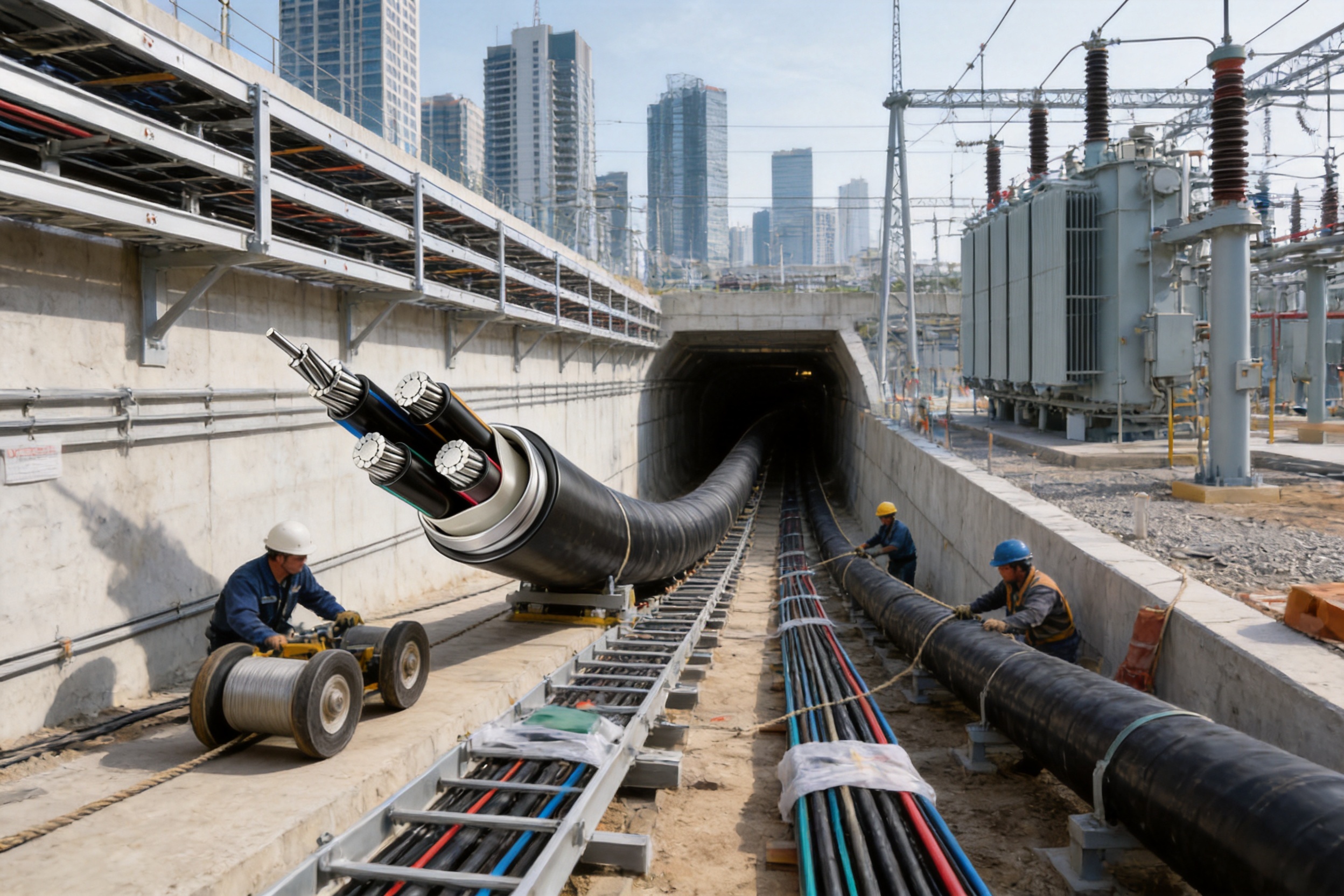
Modern power networks require cables that can deliver dependable electrical performance while also reducing installation difficulty, material consumption, and lifecycle costs. Aluminum alloy conductor plastic insulated power cable, with rated voltages up to 26/35kV, is designed to address these requirements in medium- and low-voltage transmission and distribution systems. It combines an aluminum alloy conductive core with plastic insulation, protective sheath materials, and a carefully engineered cable structure to provide a practical solution for building projects, industrial facilities, public infrastructure, and utility networks.
The product is intended for fixed installation and the transmission or distribution of electrical energy. Its construction balances conductivity, mechanical strength, heat resistance, environmental protection, and installation flexibility. In comparison with many conventional cable designs, the use of an aluminum alloy conductor can reduce cable weight and make transportation, handling, pulling, and positioning more convenient. At the same time, an appropriately designed conductor and insulation system can maintain the stable electrical characteristics required by power distribution equipment.
Wuxi Guanghuan Cable Co., Ltd. manufactures this type of cable as part of a broad portfolio that includes power cables, electrical equipment wires and cables, bare conductors, overhead insulated cables, rail transit cables, and cables for renewable energy and energy storage applications. The company’s production capabilities, testing systems, technical personnel, and quality management procedures support the manufacture of cables for demanding infrastructure and industrial projects.
Product Overview and Functional Purpose
Aluminum alloy conductor plastic insulated power cable is a power transmission product developed for systems where electrical energy must be conveyed safely over fixed routes. The cable typically consists of an aluminum alloy conductor, a plastic insulation layer, and an outer sheath. Depending on the application and design requirements, additional structural elements may be included to improve mechanical protection, moisture resistance, flame performance, or environmental adaptability.
The conductor forms the primary current-carrying path. Aluminum alloy is selected because it offers a useful balance between electrical conductivity, low density, strength, and material efficiency. Compared with a conductor made from a heavier material, an aluminum alloy design can lower the mass of the finished cable. This can be beneficial when cable drums must be transported to restricted construction sites, when long cable lengths must be installed in buildings, or when installation teams need to work in trenches, tunnels, shafts, and cable corridors.
The insulation layer separates the energized conductor from other conductors, metallic components, and the surrounding environment. Cross-linked polyethylene is a commonly used plastic insulation material for this product category. It provides stable dielectric performance, suitable heat resistance, and resistance to aging when the cable is correctly selected, installed, and operated. The insulation system is particularly important in medium-voltage networks because electrical stress, thermal loading, and installation conditions must be controlled over the full service life of the cable.
The outer sheath provides mechanical and environmental protection. It helps shield the internal structure from abrasion, moisture, contamination, and other conditions that may be encountered during installation and operation. The sheath material and thickness can be selected according to the project environment, installation method, and relevant technical requirements.
The cable is suitable for rated voltage systems extending from low-voltage distribution at 0.6/1kV to medium-voltage systems up to 26/35kV, subject to the applicable product design and standards. Its applications include urban distribution networks, industrial power systems, public buildings, commercial developments, transportation facilities, and large infrastructure projects.
Core Construction and Material Design
Aluminum Alloy Conductor
The aluminum alloy conductor is the central feature of this product. It is manufactured through controlled material preparation, conductor forming, stranding, and inspection processes. The alloy composition and conductor construction are selected to provide stable electrical performance while improving handling characteristics and mechanical reliability.
A conductor must do more than carry current. It must also withstand the forces associated with manufacturing, drum winding, transportation, pulling, bending, and final installation. An optimized aluminum alloy structure helps the cable maintain its shape and performance during these stages. The conductor’s mechanical characteristics are especially important where cables are routed through narrow spaces, installed over long distances, or exposed to repeated handling during construction.
One of the main practical advantages of aluminum alloy is its lower density compared with heavier conductive materials. Lower weight can simplify logistics and reduce the physical effort required for installation. It may also permit more efficient use of cable support systems, lifting equipment, and transportation resources. These benefits can be particularly valuable in high-rise buildings, underground projects, industrial plants, and infrastructure sites where access is difficult.
Aluminum alloy conductors also support efficient resource utilization. The material provides a combination of conductivity and weight control that is suitable for many power distribution applications. However, conductor selection must always be based on the required current-carrying capacity, voltage level, installation conditions, allowable voltage drop, short-circuit requirements, and applicable engineering standards.
Plastic Insulation System
The insulation system is generally based on cross-linked polyethylene or another specified plastic insulation material. Cross-linked polyethylene is widely used in power cable construction because it offers stable electrical insulation, good thermal performance, and resistance to aging under properly controlled operating conditions.
For medium-voltage service, the insulation must be manufactured with high dimensional accuracy and consistent material quality. Small variations in insulation thickness, concentricity, contamination level, or surface condition can affect long-term reliability. For this reason, modern production lines use controlled extrusion processes, online monitoring equipment, and electrical testing systems to help maintain uniformity along the complete cable length.
The insulation material must also withstand the thermal conditions associated with normal operation and temporary fault conditions. For the relevant cross-linked polyethylene insulated cable designs, the maximum permissible long-term conductor operating temperature is generally 90°C. Under a short circuit lasting no more than five seconds, the maximum allowable conductor temperature may reach 250°C, provided that the cable design and installation conditions meet the applicable requirements.
Outer Sheath and Environmental Protection
The outer sheath is designed to protect the inner cable components from mechanical damage and environmental exposure. During installation, the sheath may encounter contact with cable trays, ducts, conduits, supports, soil, or other construction materials. During service, it may be exposed to moisture, dust, temperature variations, chemicals, vibration, and occasional impact.
A suitable sheath structure helps maintain cable integrity throughout transportation, installation, and long-term operation. The specific sheath material should be selected according to the project environment. Indoor building installations, outdoor utility routes, industrial sites, tunnels, underground facilities, and marine-related applications may require different levels of environmental resistance and mechanical protection.
Although the sheath provides important protection, it does not eliminate the need for correct installation. Cable routes should be designed to avoid unnecessary mechanical stress, excessive bending, sharp edges, water accumulation, and incompatible chemicals. Correct cable spacing, support, termination, grounding, and sealing are also essential to system reliability.
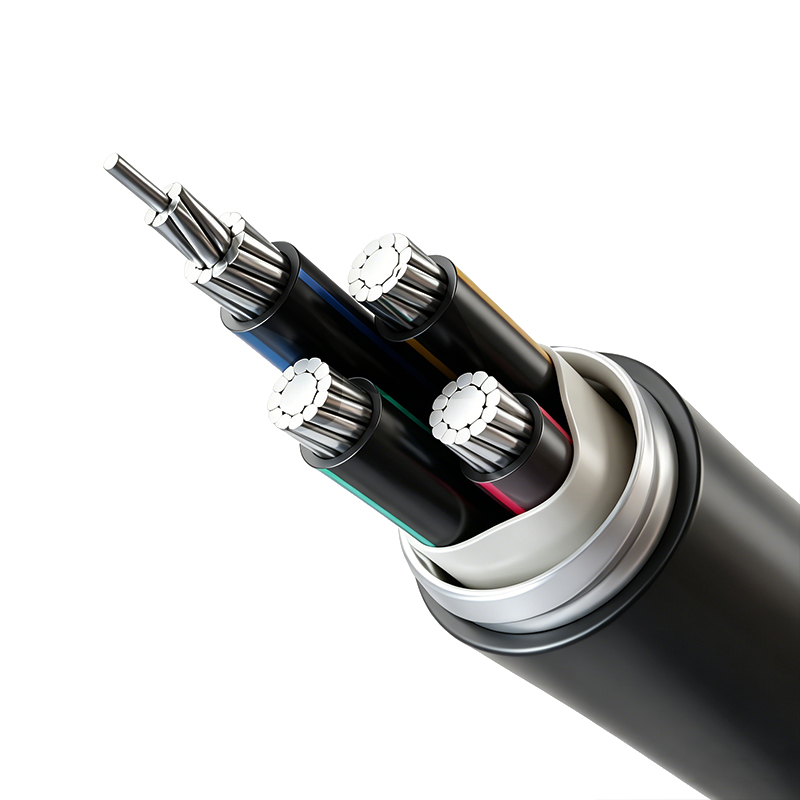
Aluminum Alloy Conductor Plastic Insulated Power Cable (Rated Voltage up to 26/35kV)
Electrical and Operating Characteristics
Medium-Voltage Performance
In medium-voltage systems, cross-linked polyethylene insulated power cable is designed to operate with stable electrical performance over extended periods. The cable can be produced for voltage classes ranging from 3.6/6kV to 26/35kV, depending on the selected construction and project specification.
The conductor’s maximum permissible long-term operating temperature is generally 90°C. This temperature rating supports continuous operation when the cable is correctly sized and installed with adequate heat dissipation. Actual current-carrying capacity depends on several factors, including conductor size, installation method, ambient temperature, soil thermal resistivity, cable grouping, spacing, duct configuration, and surrounding materials.
During a short circuit lasting no more than five seconds, the maximum allowable conductor temperature may reach 250°C. This temporary capability allows the cable to withstand the thermal effects of specified fault conditions while protective devices isolate the fault. The cable system must nevertheless be coordinated with circuit breakers, relays, fuses, grounding systems, and other protection equipment.
For installation, the ambient temperature should not be lower than 0°C unless a project-specific procedure provides suitable measures. Plastic insulation and sheath materials can become less flexible at low temperatures. Installing cable below the recommended temperature may increase the risk of damage during pulling or bending. If cold-weather construction is unavoidable, the cable supplier and installation contractor should establish appropriate storage, preheating, handling, and testing procedures.
The minimum bending radius for three-core medium-voltage cables is generally not less than ten times the cable outer diameter. For single-core medium-voltage cables, the minimum bending radius is generally not less than fifteen times the cable outer diameter. These limits help prevent excessive stress on the conductor, insulation, screening components, and sheath.
Low-Voltage Performance
For 0.6/1kV low-voltage distribution systems, cross-linked polyethylene insulated cables provide stable operation for building power distribution, industrial feeders, equipment connections, and public infrastructure networks. The long-term maximum permissible conductor operating temperature is generally 90°C, while the maximum conductor temperature under a short circuit lasting no more than five seconds may reach 250°C.
The recommended installation ambient temperature is not lower than 0°C. The minimum bending radius is generally not less than seven times the cable outer diameter. Low-voltage cable installations can involve complex routes through electrical rooms, risers, plant areas, trenches, and cable trays, so the bending requirement should be considered during route design rather than only at the time of installation.
Low-voltage applications often involve a large number of parallel circuits and closely packed cable groups. This makes thermal design particularly important. A cable that is adequate when installed individually may require a reduced allowable current when grouped with other energized cables. Engineers should use the applicable ampacity tables, correction factors, and installation standards for the actual project conditions.
Voltage Classes and Project Selection
Selection of the correct cable voltage class is essential. The rated voltage must correspond to the system’s phase-to-phase and phase-to-earth requirements, grounding arrangement, insulation coordination, and switching conditions. A cable designed for a particular voltage class should not be substituted solely on the basis of conductor size.
For a building or industrial project, cable selection should consider the rated voltage, continuous load current, fault current, route length, voltage drop, installation method, operating temperature, fire requirements, environmental exposure, mechanical risks, and expected future capacity. In medium-voltage systems, additional factors may include screen design, earthing method, termination type, jointing technology, and partial discharge performance.
Advantages Compared with Conventional Cable Options
Weight Reduction and Easier Handling
The lower density of aluminum alloy can reduce the weight of the cable compared with many equivalent heavy-conductor designs. Weight reduction can improve transportation efficiency and make installation more manageable. A lighter cable may require less lifting capacity, fewer handling resources, and simpler positioning procedures, particularly on projects with restricted access.
In high-rise construction, cable shafts and vertical risers can present significant logistical challenges. Long cable lengths must be lifted, supported, and guided through confined routes. Lower cable weight can reduce the load on temporary handling systems and simplify coordination between electrical contractors and other trades. In underground and transportation projects, it can also help reduce the difficulty of moving cable drums through tunnels, ramps, and service corridors.
Improved Installation Convenience
Installation convenience is an important factor in the total value of a cable. The product’s aluminum alloy conductor and engineered plastic insulation system provide a combination of manageable weight, suitable flexibility, and mechanical stability. These characteristics can make the cable easier to route through trays, ducts, trenches, risers, and equipment connection areas.
Convenient installation does not mean that bending limits, pulling tension, or termination requirements can be ignored. Instead, it means that the cable can be integrated effectively into a well-designed construction process. Contractors should follow the manufacturer’s instructions for drum handling, pulling equipment, cable rollers, tension limits, bending radius, jointing, and end preparation.
Balanced Electrical and Mechanical Performance
A major benefit of an aluminum alloy cable is its balanced performance profile. The product is not designed only to minimize material weight. It is engineered to provide electrical conductivity together with mechanical strength, thermal stability, and environmental resistance.
The conductor must maintain reliable contact with lugs and terminals. The insulation must maintain its dielectric properties under operating voltage and temperature. The sheath must protect the internal construction. The completed cable must also withstand the stresses associated with manufacture, shipping, installation, and service. A balanced design helps reduce the risk that improvement in one characteristic will create unacceptable limitations in another.
Resource and Lifecycle Considerations
Material efficiency is increasingly important in power infrastructure. Lower cable weight can influence transportation energy, handling resources, support requirements, and installation labor. Aluminum alloy conductor designs can therefore contribute to practical resource optimization when they are correctly specified for the electrical duty.
Lifecycle value also depends on reliability. A cable that is easy to install but poorly protected from its environment may create future maintenance problems. Conversely, a cable with a robust insulation and sheath system can support stable operation and reduce the likelihood of premature replacement. The product’s cross-linked polyethylene insulation, controlled manufacturing process, and protective sheath are intended to support long-term service reliability.
Adaptability to Multiple Engineering Environments
The cable can be used in a wide range of applications, from urban power grids and commercial buildings to industrial facilities, transportation systems, and public infrastructure. This adaptability is supported by the availability of different conductor sizes, core arrangements, voltage classes, insulation constructions, sheath materials, and testing requirements.
Projects in different countries or regions may specify different standards or approval requirements. The product can be manufactured and tested according to applicable Chinese, International Electrotechnical Commission, British, American, or project-specific technical requirements, subject to engineering confirmation. This flexibility is valuable for international contractors, equipment integrators, and infrastructure developers working across multiple markets.
Manufacturing Process and Quality Control
Material Preparation
Manufacturing begins with the selection and inspection of conductor materials, insulation compounds, sheath materials, and other components. Material consistency is essential because variations in alloy composition, polymer properties, moisture content, contamination, or storage condition can affect the performance of the finished cable.
Incoming materials should be checked against purchasing specifications and production requirements. Conductive materials may be evaluated for dimensions, surface condition, mechanical properties, and electrical characteristics. Plastic materials may be checked for identification, processing characteristics, cleanliness, and suitability for the intended insulation or sheath application.
Proper storage is also part of quality control. Materials must be protected from contamination, moisture, excessive heat, and damage. Controlled storage helps ensure that materials enter production in a condition consistent with the approved manufacturing process.
Conductor Drawing and Stranding
Aluminum alloy conductor production generally involves drawing, shaping, and stranding operations. Drawing reduces the conductor material to the required dimensions while improving surface uniformity and dimensional accuracy. The process must be controlled to prevent excessive deformation, surface defects, or undesirable changes in mechanical properties.
Stranding combines individual wires into a conductor with the required cross-sectional area, flexibility, and structural stability. Lay length, tension, alignment, and compaction must be controlled so that the conductor remains uniform along its length. A consistent conductor geometry supports stable resistance, predictable insulation extrusion, and reliable termination.
Production personnel and process engineers monitor equipment settings and finished conductor characteristics. Dimensional inspection, resistance testing, visual examination, and mechanical checks help identify deviations before the conductor enters subsequent stages.
Insulation Extrusion
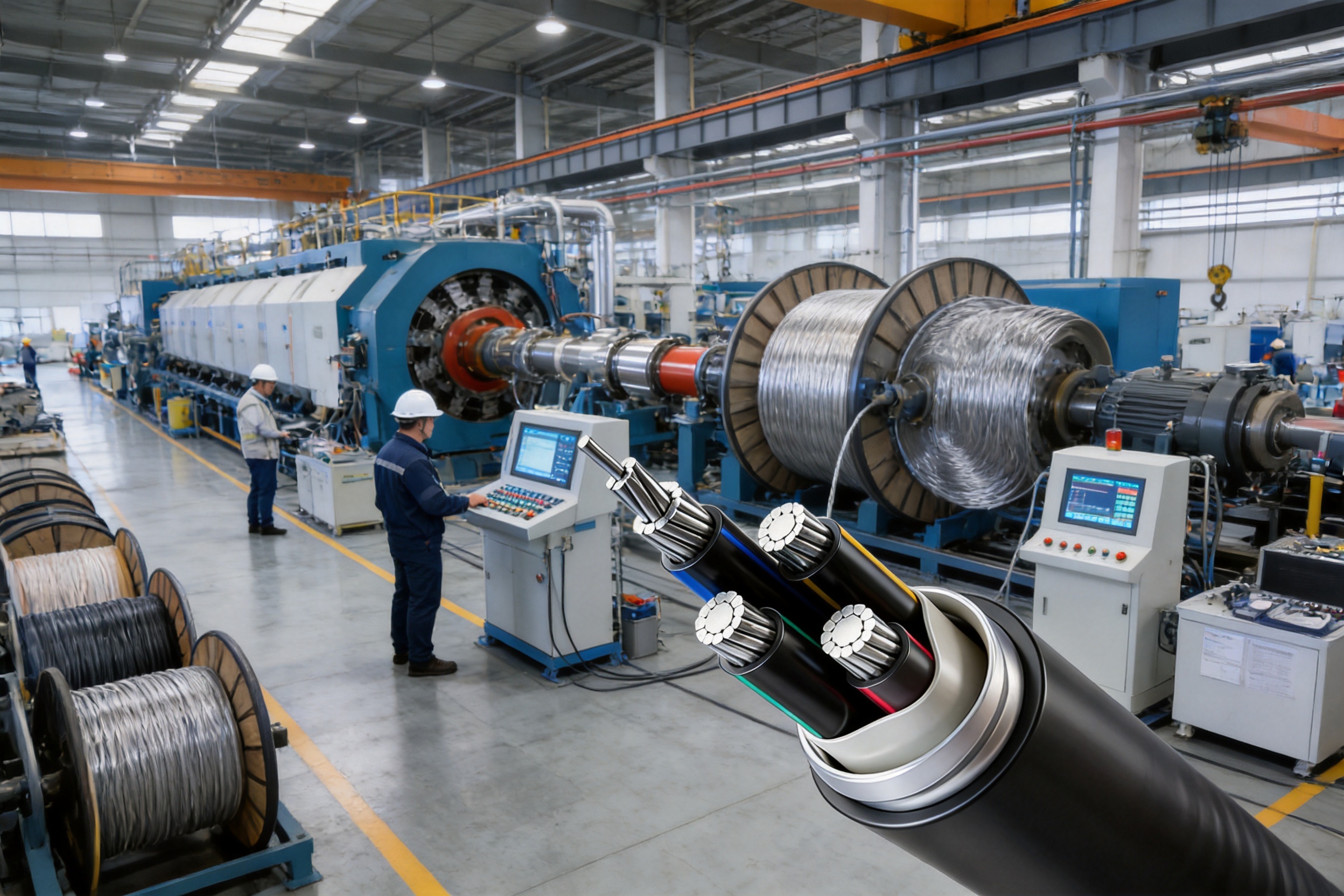
Insulation extrusion is one of the most important operations in power cable production. The insulation material is heated, plasticized, and applied around the conductor through a precision extrusion system. The objective is to produce a smooth, continuous, concentric insulation layer with the specified thickness and electrical properties.
Temperature, pressure, extrusion speed, cooling conditions, material cleanliness, and conductor alignment must be carefully controlled. In medium-voltage cable production, the insulation surface and interface quality are particularly important because electrical stress is concentrated around the conductor and insulation system.
Online eccentricity monitoring can identify variations in insulation thickness and concentricity during production. This allows operators to make timely adjustments rather than relying only on final inspection. Continuous monitoring improves process visibility and helps reduce the risk of extended sections of nonconforming cable.
Screening, Sheathing, and Cable Finishing
Depending on the cable design, screening or other protective layers may be applied after insulation extrusion. These components help manage electrical stress, provide grounding paths, or contribute to mechanical protection. Their dimensions, continuity, contact, and position must meet the approved construction requirements.
The outer sheath is then extruded over the internal cable structure. Sheath extrusion requires control of material temperature, line speed, cooling, thickness, surface quality, and marking. The finished surface should be uniform and free from defects that could reduce environmental protection or complicate installation.
After production, the cable is cooled, measured, inspected, marked, and wound onto a suitable drum. Drum length, direction of winding, end sealing, identification, and packaging must be controlled to protect the cable during transport and storage.
Electrical Testing and Inspection
Quality control for power cable includes both process inspection and final testing. Depending on the product design and applicable standard, tests may include conductor resistance, dimensional inspection, insulation thickness, sheath thickness, voltage withstand, insulation resistance, partial discharge, mechanical performance, thermal performance, and aging-related evaluations.
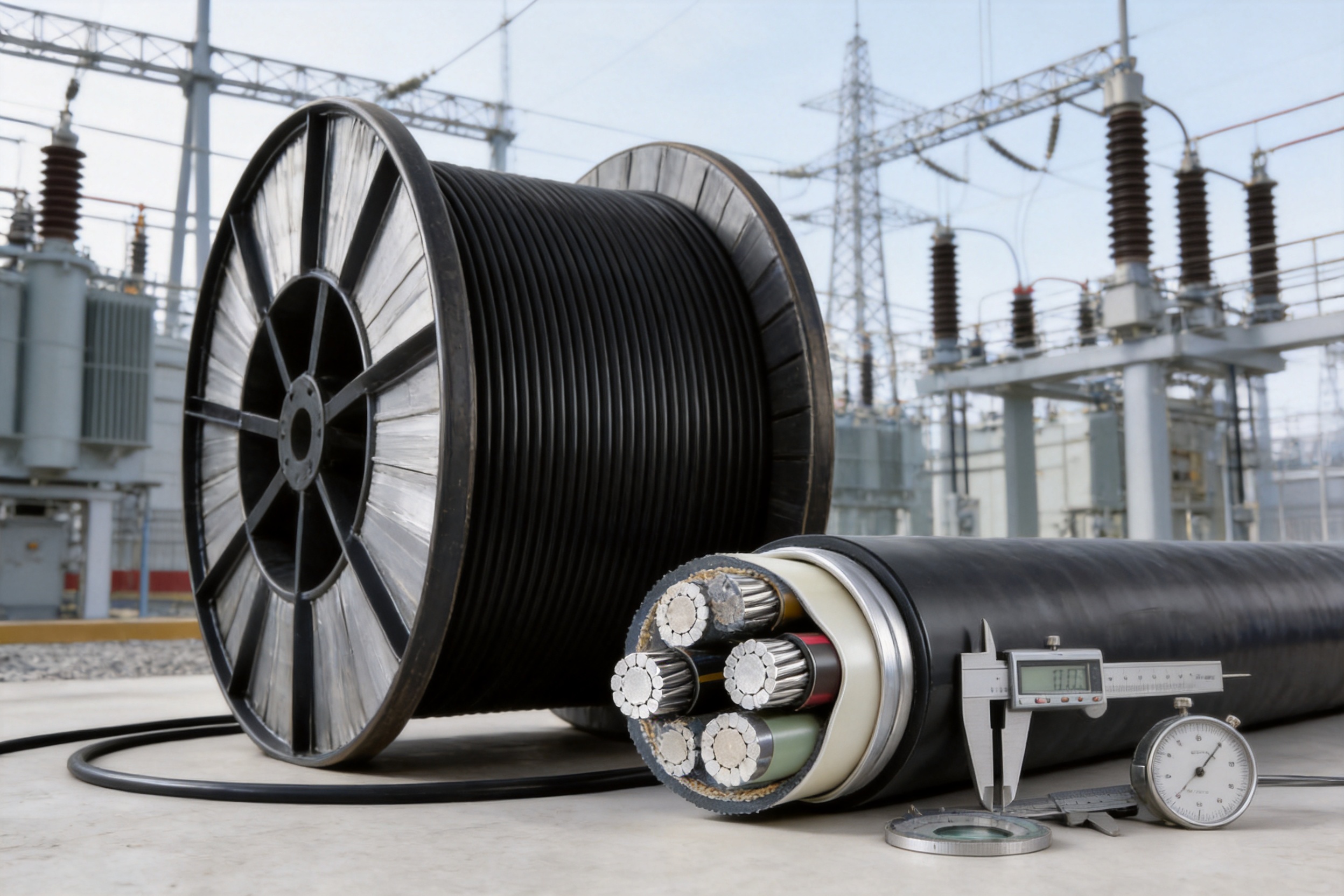
High-voltage series resonance testers can be used for voltage testing, while partial discharge detectors can help identify localized electrical defects in insulation systems. Online monitoring equipment can support real-time control during extrusion. These technologies provide multiple layers of assurance rather than relying on a single final test.
Testing equipment must itself be maintained, calibrated, and verified. Accurate test results depend on reliable instruments, appropriate procedures, competent operators, and traceable records. A professional cable manufacturer should be able to link finished products to production batches, test results, materials, and inspection documentation.
Advanced Manufacturing Resources
Wuxi Guanghuan Cable Co., Ltd. operates more than 70 advanced production and testing lines. The company employs more than 140 people, including over 30 technical professionals, and has an operating site covering more than 100,000 square meters, with more than 45,000 square meters of building area.
The company’s equipment includes online eccentricity monitoring systems, high-voltage series resonance testers, and partial discharge detection equipment. These resources support process control across conductor production, insulation extrusion, cable assembly, electrical testing, and final inspection.
A large production and testing infrastructure can provide several advantages to customers. It supports repeatable manufacturing, production scheduling for different cable specifications, engineering coordination, batch traceability, and testing for project-specific requirements. It also allows the manufacturer to serve diverse sectors without limiting its capabilities to a narrow product range.
Standards, Certification, and Technical Compliance
The product is manufactured in accordance with GB/T 31840-2025 as specified for this product offering. The standard provides a technical basis for design, manufacturing, testing, and acceptance. Compliance with a recognized standard helps establish consistent requirements for conductor construction, insulation, sheath, electrical performance, mechanical properties, and inspection.
Depending on the destination market and project requirements, the cable may also be manufactured and tested according to International Electrotechnical Commission standards, British standards, American standards, or other approved technical specifications. The applicable standard should be identified before production because different standards may define different test methods, construction details, marking requirements, voltage designations, and acceptance criteria.
Wuxi Guanghuan Cable Co., Ltd. has obtained ISO 9001 quality management certification, ISO 14001 environmental management certification, ISO 45001 occupational health and safety certification, and ISO 50001 energy management certification. The company also holds certifications or management system recognitions related to intellectual property, green management, social responsibility, and after-sales service.
Product-related qualifications include CCC, TÜV, product carbon footprint, and China Energy-Saving and Environmentally Friendly Product certifications, according to the company’s stated credentials. Such certifications do not replace project-specific technical review, but they provide additional evidence of the manufacturer’s quality systems, environmental awareness, product conformity, and organizational capability.
The company has also passed qualification and capability verification for power cables and conductors conducted by the State Grid Corporation of China. This experience is relevant to customers seeking a manufacturer familiar with utility-sector expectations, technical documentation, testing discipline, and large-scale project delivery.
Application Fields
Buildings and Commercial Complexes
In high-rise buildings, residential developments, hotels, hospitals, theaters, conference centers, libraries, museums, shopping centers, and large commercial complexes, the cable can be used for incoming power, main distribution, sub-distribution, and equipment feeder circuits. Its weight and installation characteristics can be useful in vertical risers, basement service corridors, electrical rooms, and long cable tray routes.
Building projects often require careful coordination with fire protection, mechanical services, elevators, structural elements, and interior construction. A cable solution that is manageable during installation can help reduce site congestion and improve construction efficiency. The final design must still comply with local fire, electrical, grounding, and building regulations.
Industrial and Energy Facilities
Industrial and mining enterprises, petrochemical plants, steel production facilities, energy projects, and manufacturing plants require cables that can operate reliably under continuous loads and demanding environmental conditions. The product can be applied to medium-voltage distribution networks, plant substations, motor feeders, process equipment, utility systems, and auxiliary power circuits.
Industrial environments may include vibration, dust, chemicals, temperature variation, heavy equipment movement, and electromagnetic considerations. Cable selection should therefore consider sheath material, mechanical protection, routing, separation from heat sources, and compatibility with the surrounding environment.
Urban Power Grid Construction
Urban distribution systems require cables that can be installed in underground ducts, utility corridors, substations, cable trenches, and compact distribution facilities. Aluminum alloy conductor cables can provide practical advantages where cable weight, transportation, or installation access is a concern.
Urban projects may involve limited road access, strict construction schedules, existing utility congestion, and restrictions on excavation. A cable manufacturer that can provide multiple conductor sizes, voltage classes, sheath options, and testing arrangements can help engineers select a product suitable for the particular network configuration.
Transportation Infrastructure
Airports, tunnels, metro systems, light rail systems, underground parking facilities, and civil defense engineering structures require reliable power distribution and carefully managed installation. Cable routes may include long tunnels, vertical shafts, narrow service galleries, and areas with difficult ventilation or restricted access.
The cable can be used in appropriate power distribution systems within such facilities, subject to the required fire performance, smoke requirements, mechanical protection, electromagnetic compatibility, and project standards. Transportation projects typically require detailed documentation and strict inspection, making the manufacturer’s testing and quality management capabilities important considerations.
Public Facilities and Institutional Projects
Government buildings, financial centers, broadcasting and television centers, sports complexes, educational facilities, and cultural buildings depend on stable power supplies for lighting, communications, security, data processing, HVAC, elevators, and essential services. Power cable selection must support reliability while fitting the building’s installation and maintenance strategy.
For public facilities, the cable may be used in normal power distribution systems, emergency power arrangements, equipment feeders, and connections between substations and distribution boards. Designers should distinguish between standard power circuits and circuits requiring special fire survival or emergency operation performance.
Marine and Offshore-Related Applications
The product may also be considered for selected applications in ships, offshore oil platforms, and other special engineering environments when the cable design, sheath, fire performance, corrosion resistance, mechanical protection, and approval requirements are suitable. Marine and offshore projects usually impose additional requirements that must be confirmed before ordering.
Saltwater exposure, humidity, vibration, confined spaces, oil contamination, and strict fire safety requirements can affect cable selection. A standard land-based power cable should not automatically be used in a marine or offshore application without technical review and the necessary approvals.
Installation and Engineering Recommendations
Correct installation is essential to achieving the expected performance of aluminum alloy conductor plastic insulated power cable. Before delivery, project personnel should confirm cable type, voltage class, conductor size, core arrangement, drum length, sheath specification, end termination, jointing system, and applicable standard.
Cable drums should be inspected upon arrival for signs of impact, water ingress, damaged flanges, or missing identification. The cable ends should remain sealed until termination or jointing. Drums should be stored on stable ground and protected from rolling, excessive moisture, direct damage, and unauthorized handling.
During cable pulling, the installation team should use suitable rollers, guides, pulling socks, swivels, winches, and tension monitoring equipment. Excessive pulling force can damage the conductor, insulation, screen, or sheath. The cable should not be dragged directly over rough surfaces or sharp edges.
Bending radius requirements must be observed throughout installation. For medium-voltage three-core cables, the minimum bending radius is generally not less than ten times the cable outer diameter. For single-core medium-voltage cables, the minimum is generally not less than fifteen times the cable outer diameter. For low-voltage cable designs covered by the stated operating characteristics, the minimum bending radius is generally not less than seven times the cable outer diameter.
Cable routes should be designed with sufficient space for bending, termination, inspection, and future maintenance. Sharp directional changes should be avoided where possible. In trenches and ducts, the cable should be protected from standing water, excessive pressure, sharp debris, and incompatible materials.
Aluminum alloy conductor terminations require compatible lugs, connectors, jointing compounds, and installation procedures. Contact surfaces should be prepared according to the connector manufacturer’s instructions. Torque values must be controlled, and the completed connection should be protected against moisture, oxidation, and mechanical movement.
For single-core alternating-current cables, engineers should evaluate magnetic effects, arrangement, spacing, bonding, and metallic sheath or armor connections. The installation arrangement can affect ampacity, induced voltage, losses, and system safety. These factors should be addressed during design rather than after cable delivery.
After installation, inspection and testing should be completed before energization. Depending on the voltage class and project requirements, tests may include continuity, phase identification, insulation resistance, sheath integrity, conductor resistance, voltage withstand, and other acceptance tests. Test results should be documented and retained as part of the project quality records.
Why Manufacturer Capability Matters
Power cable performance depends on more than the nominal conductor material and insulation type. Consistent quality requires reliable materials, controlled production, suitable equipment, trained personnel, effective testing, and disciplined documentation. A manufacturer with broad production experience can help reduce technical and supply risks throughout the project lifecycle.
Wuxi Guanghuan Cable Co., Ltd. was founded in 1998 and is headquartered in Guanlin Town, Yixing City, Jiangsu Province, an area recognized as an important cable manufacturing center in China. The company has registered capital of RMB 400.8 million and serves customers across power, infrastructure, industrial, energy, transportation, and equipment sectors.
The company offers more than 100 product categories and more than 30,000 specifications under the registered Liguang brand. Its product range includes power cables, electrical equipment wires and cables, bare conductors, overhead insulated cables, high-speed railway and urban rail transit cables, energy storage cables, photovoltaic cables, and wind power cables.
This breadth of experience can benefit customers with complex projects requiring several cable types from one supplier. It may simplify technical coordination, purchasing management, document control, inspection planning, packaging, and delivery scheduling. It also indicates that the manufacturer has experience adapting production and testing procedures to different product structures and application environments.
The company reports annual sales revenue of approximately RMB 2 billion and annual output value exceeding RMB 3 billion. These figures reflect substantial manufacturing and market activity, while the company’s technical professionals support product development, engineering service, process improvement, and quality control.
A comprehensive management system is another important strength. Quality management under ISO 9001 supports process control and continuous improvement. Environmental management under ISO 14001 addresses environmental responsibilities. ISO 45001 supports occupational health and safety, while ISO 50001 focuses on energy management. Together, these systems reflect an approach that considers product quality, production efficiency, environmental impact, and workplace safety.
The company has been recognized as a National High-Tech Enterprise, a Jiangsu Specialized, Sophisticated, Distinctive and Innovative Small and Medium-Sized Enterprise, a Jiangsu Provincial Green Factory, a National Intellectual Property Advantage Enterprise, and a Quality Integrity Enterprise. It has also been recognized among China’s Top 500 Machinery Enterprises, according to the supplied company information.
These qualifications support the view that the company is not simply a trading organization but a manufacturer with its own production, testing, technical, and management capabilities. For buyers, the practical value lies in the ability to review technical requirements, arrange customized production, conduct inspections, and provide after-sales support through an established industrial organization.
Technical Purchasing Checklist
| Item | What to Confirm | Why It Matters |
|---|---|---|
| Voltage class | System rated voltage and insulation level | Ensures compatibility with the power network and insulation coordination |
| Conductor | Aluminum alloy type, cross-sectional area, and construction | Determines conductivity, current capacity, weight, and mechanical performance |
| Core arrangement | Single-core or three-core construction | Affects installation, bending radius, thermal behavior, and cable routing |
| Insulation | Cross-linked polyethylene or specified plastic insulation | Provides the required dielectric and thermal performance |
| Sheath | Material, thickness, environmental resistance, and color | Protects the cable from moisture, abrasion, chemicals, and mechanical damage |
| Installation method | Direct burial, duct, tray, tunnel, building riser, or other route | Influences ampacity, mechanical protection, and bending requirements |
| Operating temperature | Long-term and short-circuit temperature limits | Supports correct thermal design and protection coordination |
| Standards | GB/T, IEC, British, American, or project-specific requirements | Defines design, testing, marking, and acceptance criteria |
| Testing | Routine, sample, type, and special tests | Confirms conformity and provides documented quality evidence |
| Accessories | Terminations, joints, lugs, connectors, and bonding components | Ensures the complete cable system performs reliably |
Quality, Sustainability, and Long-Term Value
Quality in a power cable is closely related to long-term system reliability. A defect that is not identified during manufacturing may become difficult and expensive to correct after the cable has been installed underground, inside a building, or within a transportation facility. For this reason, process monitoring and electrical testing are essential parts of the product value.
The use of online eccentricity monitoring helps control insulation geometry during extrusion. High-voltage series resonance testing supports voltage withstand verification. Partial discharge detection can help identify localized insulation defects that may not be visible through external inspection. These technologies complement material controls, dimensional inspection, and production traceability.
Sustainability considerations also extend beyond the cable material itself. Lower cable weight can reduce transportation and handling requirements. Energy management systems can help manufacturers monitor production energy use. Environmental management procedures can support responsible handling of materials, waste, emissions, and industrial resources.
The company’s product carbon footprint and China Energy-Saving and Environmentally Friendly Product credentials, as stated in the supplied information, may assist customers with environmental reporting and procurement evaluation. Project owners should confirm the scope, validity, and applicability of any certification to the specific cable model and order.
Long-term value depends on correct design, installation, testing, operation, and maintenance. The cable should not be overloaded, exposed to conditions outside its design range, or installed with incompatible accessories. When the complete system is properly engineered, the product can provide dependable service across a broad range of power distribution applications.
Frequently Asked Questions
What is aluminum alloy conductor plastic insulated power cable?
It is a power cable that uses an aluminum alloy conductor to carry electrical current and a plastic insulation system, commonly cross-linked polyethylene, to provide electrical separation and thermal protection. An outer sheath protects the internal structure from mechanical and environmental influences.
What voltage range does the product cover?
The product offering covers low-voltage systems such as 0.6/1kV and medium-voltage systems extending through voltage classes up to 26/35kV, subject to the selected construction, applicable standard, and project specification.
Why use an aluminum alloy conductor?
Aluminum alloy provides a useful combination of electrical conductivity, low density, mechanical strength, and material efficiency. Its lower weight can simplify transportation, handling, and installation compared with some heavier conductor alternatives.
Is the cable suitable for permanent installation?
Yes. The product is intended for fixed installation in power transmission and distribution systems. The route, support, bending radius, termination, jointing, and environmental protection must comply with the manufacturer’s instructions and the applicable engineering standards.
What insulation material is normally used?
Cross-linked polyethylene is commonly used. It provides stable electrical insulation, good heat resistance, and aging resistance when manufactured, installed, and operated within the specified conditions.
What is the maximum long-term conductor temperature?
For the stated cross-linked polyethylene insulated designs, the maximum permissible long-term conductor operating temperature is generally 90°C. The actual allowable current must be calculated for the specific installation conditions.
What temperature can the conductor reach during a short circuit?
When the short-circuit duration does not exceed five seconds, the maximum allowable conductor temperature may reach 250°C for the stated cable designs. The protection system must isolate faults within the specified time.
What is the minimum installation temperature?
The ambient temperature during installation should generally not be lower than 0°C. Special procedures should be confirmed with the manufacturer if installation in colder conditions is unavoidable.
What bending radius is required?
For medium-voltage three-core cables, the minimum bending radius is generally not less than ten times the cable outer diameter. For medium-voltage single-core cables, it is generally not less than fifteen times the outer diameter. For the stated low-voltage designs, the minimum is generally not less than seven times the outer diameter.
Can the cable be used in industrial plants?
Yes. It can be used in industrial and mining enterprises, petrochemical facilities, steel projects, power facilities, manufacturing plants, and other industrial power distribution systems. The sheath, mechanical protection, fire performance, and environmental resistance must be selected for the actual site conditions.
Can it be used in buildings and public facilities?
Yes. Typical applications include high-rise buildings, residential developments, hotels, hospitals, theaters, conference centers, government buildings, financial centers, sports complexes, libraries, museums, and commercial complexes.
Which standards can be used for production?
The product is manufactured according to GB/T 31840-2025 as specified. Depending on the project, it can also be manufactured and tested according to applicable International Electrotechnical Commission, British, American, or other approved standards.
What testing equipment supports production quality?
The manufacturer uses equipment such as online eccentricity monitors, high-voltage series resonance testers, and partial discharge detectors. These systems support insulation control, electrical testing, and defect detection during production and final inspection.
What information should be provided when requesting a quotation?
Customers should provide the voltage class, conductor size, number of cores, cable length, installation method, environmental conditions, sheath requirements, applicable standard, required tests, delivery location, and accessory requirements. Clear information allows the manufacturer to prepare an accurate technical and commercial proposal.
Does a lighter cable automatically have a lower cost?
Not necessarily. Total cost depends on conductor size, insulation thickness, sheath, accessories, standards, testing, logistics, installation labor, and market conditions. The main potential advantages of lower weight are easier handling, reduced transportation burden, and installation convenience.
Can aluminum alloy cables replace every other conductor type?
No. Cable selection must be based on electrical, mechanical, thermal, environmental, and regulatory requirements. Aluminum alloy conductor cable is a strong option for many applications, but engineers must verify current capacity, connection technology, fault performance, installation conditions, and project standards before making a substitution.
Conclusion
Aluminum alloy conductor plastic insulated power cable with rated voltage up to 26/35kV provides a practical combination of electrical performance, reduced weight, installation convenience, mechanical strength, and environmental adaptability. Its aluminum alloy conductor supports efficient material use and manageable handling, while cross-linked polyethylene insulation provides stable dielectric performance and heat resistance. The protective sheath helps preserve the cable’s integrity during installation and long-term service.
The cable is suitable for a broad range of applications, including urban power networks, buildings, industrial facilities, public infrastructure, transportation projects, energy installations, and selected special engineering environments. Its performance depends on correct voltage selection, conductor sizing, installation design, accessory compatibility, testing, and operation within the specified limits.
Wuxi Guanghuan Cable Co., Ltd. strengthens the product offering through extensive manufacturing resources, more than 70 production and testing lines, technical personnel, advanced electrical inspection equipment, multi-standard production capability, and a wide portfolio of cable products. Its quality, environmental, energy, safety, and after-sales management systems provide a structured foundation for serving domestic and international engineering customers.
For project owners, designers, contractors, and distributors, the most important consideration is the complete cable system rather than a single material feature. When the aluminum alloy conductor, insulation, sheath, accessories, manufacturing controls, standards, and installation procedures are properly coordinated, this cable can support reliable and efficient power transmission across modern medium- and low-voltage infrastructure.
References
GB/T 31840-2025, Power Cables with Rated Voltages up to and Including 35kV, applicable technical requirements and testing provisions.
International Electrotechnical Commission standards for power cables, insulated conductors, electrical testing, and cable accessories.
British standards relating to power cable construction, performance, installation, and acceptance testing.
American standards relating to insulated power cables, conductors, electrical distribution systems, and cable testing.
ISO 9001, Quality Management Systems, principles and requirements for controlled manufacturing and continuous improvement.
ISO 14001, Environmental Management Systems, principles for environmental control and responsible industrial operations.
ISO 45001, Occupational Health and Safety Management Systems, requirements for safe production and workplace risk management.
ISO 50001, Energy Management Systems, principles for monitoring and improving energy performance.
Manufacturer technical information for aluminum alloy conductor plastic insulated power cable, including product structure, operating characteristics, applications, testing capabilities, and quality certifications.
Product: Aluminum Alloy Conductor Plastic Insulated Power Cable (Rated Voltage up to 26/35kV)

-
Aluminum Alloy Conductor Plastic Insulated Power Cable (Rated Voltage up to 26/35kV)
-
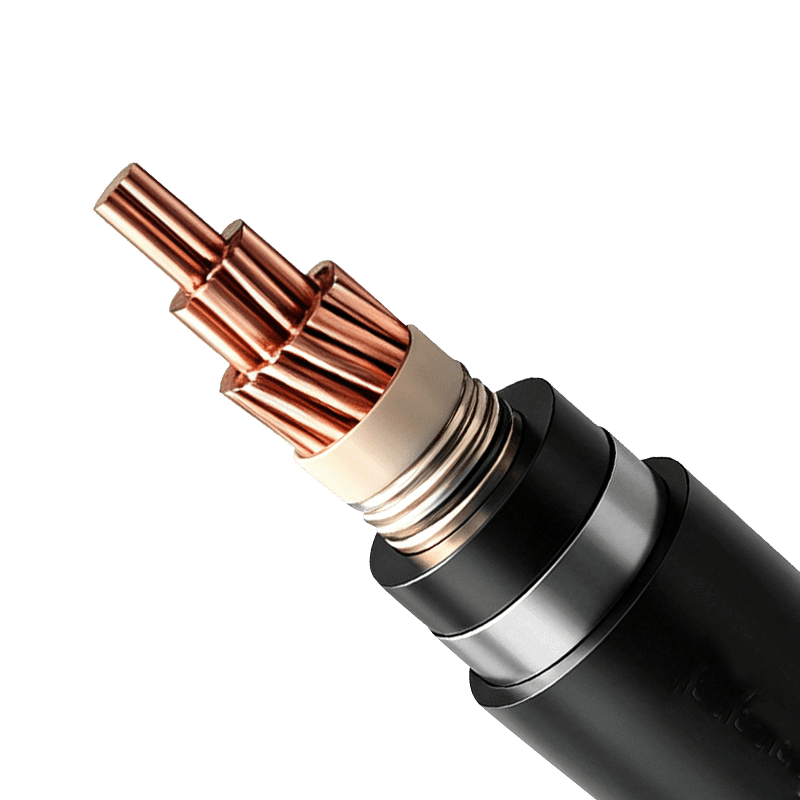
Power Cable for Subway and Urban Rail Transit (Rated Voltage 35kV)
-
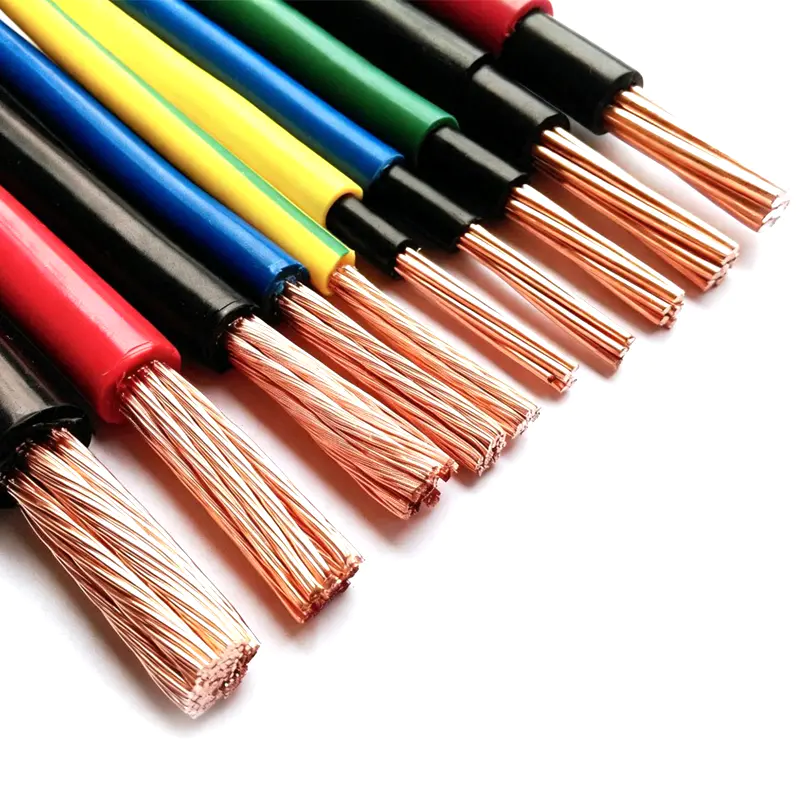
Cross-linked Polyolefin (XLPO) Insulated Wire and Cable (Rated Voltage 450/750V and below)
-
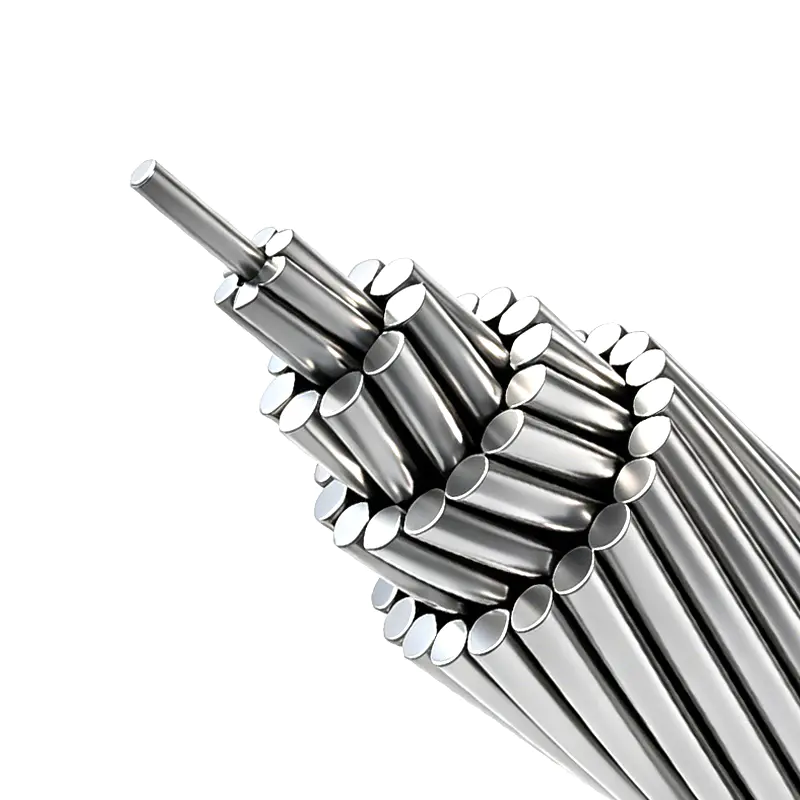
AAC, AAAC & ACSR - Aluminum and Aluminum Alloy Stranded Conductors
-
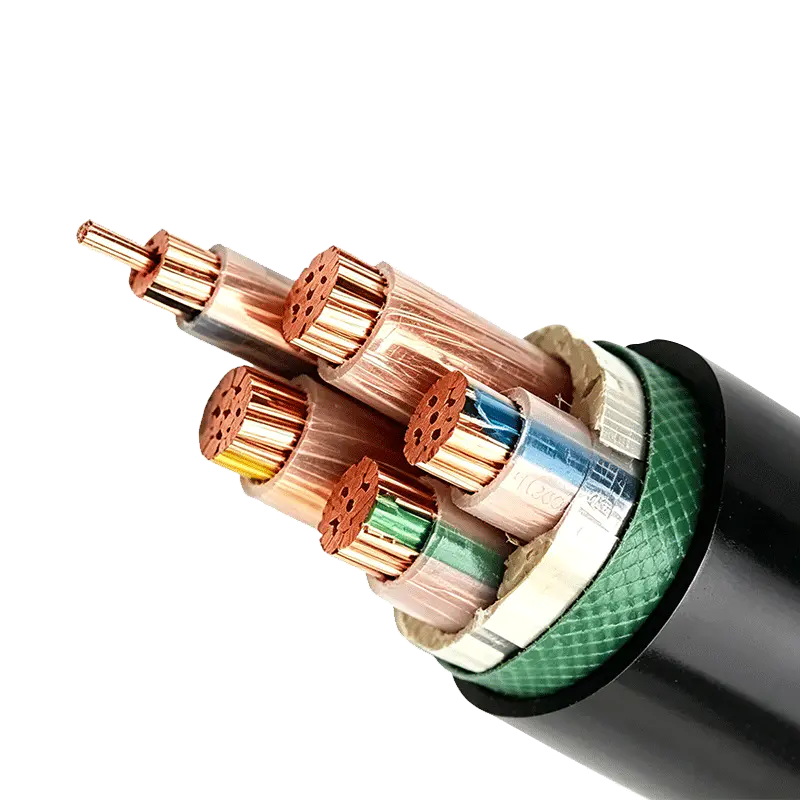
Rated Voltage 0.6/1kV XLPE Insulated Power Cable

Copyright © Wuxi Guanghuan Cable Co., Ltd. All Rights Reserved. Power Cables Manufacturer Electrical Wire And Cable Factory

