


 English
 中文简体
 русский
 Español
 عربى

Aluminum Alloy Conductor Plastic Insulated Power Cable for Reliable Medium- and Low-Voltage Distribution
Content
- 1 1. Product Overview
- 2 2. Why Aluminum Alloy Conductors Are Used
- 3 3. Main Construction and Material Characteristics
- 4 4. Operating Performance
- 5 5. Advantages in Comparison with Conventional Cable Options
- 6 6. Advanced Manufacturing Process
- 7 7. Quality Management and Manufacturing Capability
- 8 8. Compliance with Standards
- 9 9. Application Fields
- 10 10. Installation and Project Selection Guidance
- 11 11. Customer Value and Competitive Position
- 12 12. Frequently Asked Questions
- 12.1 Q1: What is the maximum rated voltage of this cable?
- 12.2 Q2: Why choose an aluminum alloy conductor instead of a conventional conductor?
- 12.3 Q3: What insulation material is commonly used?
- 12.4 Q4: What is the maximum long-term conductor temperature?
- 12.5 Q5: What temperature can the conductor reach during a short circuit?
- 12.6 Q6: What is the minimum installation temperature?
- 12.7 Q7: What bending radius should be observed?
- 12.8 Q8: Can the cable be manufactured according to international standards?
- 12.9 Q9: Is the cable suitable for outdoor or underground installation?
- 12.10 Q10: What should be considered when connecting an aluminum alloy conductor?
- 12.11 Q11: What testing is performed during manufacturing?
- 12.12 Q12: Which industries can use this cable?
- 13 13. Conclusion
- 14 References
- 15 Product: Aluminum Alloy Conductor Plastic Insulated Power Cable (Rated Voltage up to 26/35kV)
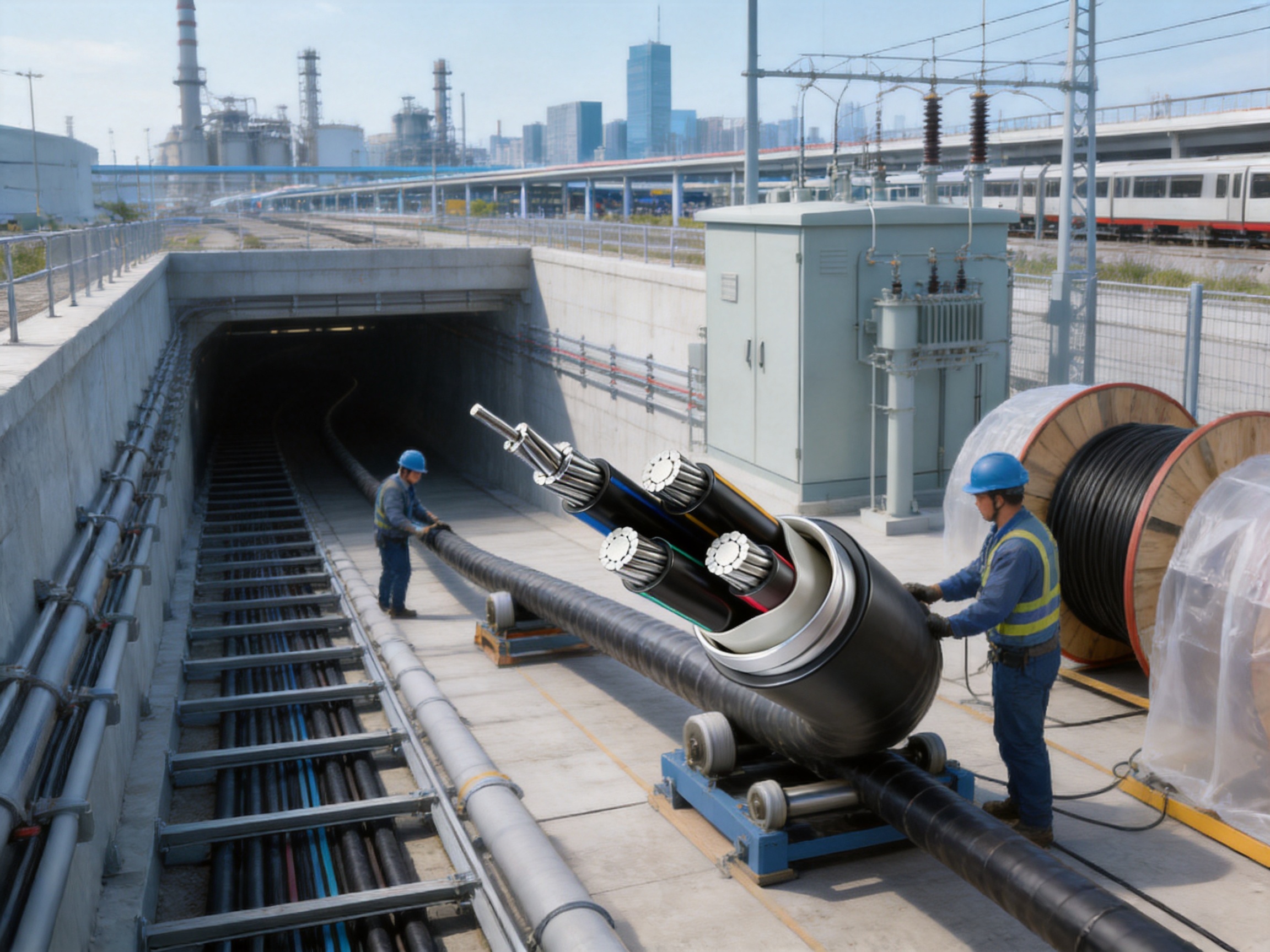
Reliable cable infrastructure is essential to the safe operation of modern buildings, industrial facilities, public utilities, transportation systems, and power networks. As electricity demand continues to increase, cable users are looking for products that combine electrical stability, mechanical strength, installation efficiency, environmental resistance, and reasonable lifecycle cost. Aluminum alloy conductor plastic insulated power cable, available for power systems with rated voltages up to 26/35kV, is designed to address these requirements.
This cable uses an aluminum alloy conductor as its conductive core and a plastic insulation system, commonly based on cross-linked polyethylene. The construction provides a practical balance between conductivity, weight, strength, heat resistance, and service durability. It is suitable for fixed installation in medium- and low-voltage transmission and distribution systems and can be manufactured for different project requirements, including applications involving urban power grids, industrial distribution networks, large buildings, transportation facilities, and energy infrastructure.
Compared with conventional cable designs, the aluminum alloy conductor version provides important benefits in conductor weight, handling, resource utilization, and installation convenience. These benefits are achieved without compromising the fundamental requirements of power transmission when the cable is correctly selected, installed, tested, and operated according to the applicable technical standards.
Manufactured by Wuxi Guanghuan Cable Co., Ltd., the product is supported by a broad production portfolio, advanced testing equipment, multiple quality management certifications, and experience in power cable manufacturing. The company produces power cables, electrical equipment wires and cables, bare conductors, overhead insulated cables, rail transit cables, and cables for renewable energy and energy storage applications. This wider technical background supports the development and production of reliable aluminum alloy conductor plastic insulated power cables for domestic and international engineering projects.
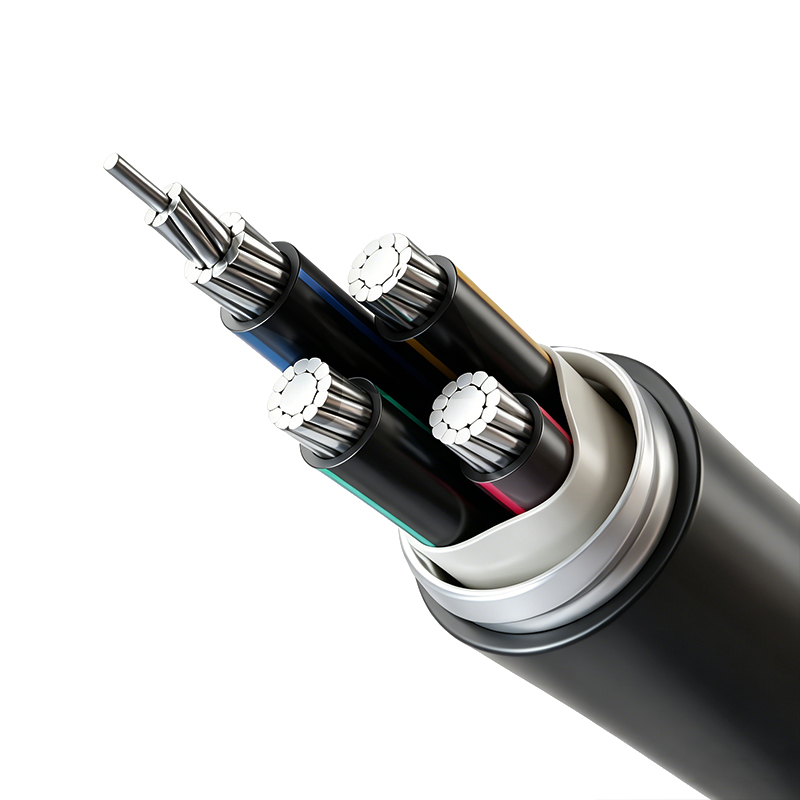
Aluminum Alloy Conductor Plastic Insulated Power Cable (Rated Voltage up to 26/35kV)
1. Product Overview
The aluminum alloy conductor plastic insulated power cable is a fixed-installation cable intended for the transmission and distribution of electrical energy. Its rated voltage range can extend to 26/35kV, making it suitable for many medium-voltage power systems. Related configurations are also available for low-voltage systems rated 0.6/1kV and medium-voltage systems ranging from 3.6/6kV to 35kV, depending on the selected product structure and project specification.
The cable normally consists of an aluminum alloy conductor, an insulation layer, and an outer sheath. Additional components may be included according to the voltage level, cable type, installation environment, mechanical protection requirements, and customer specification. For medium-voltage products, the design may include appropriate conductor screening, insulation screening, metallic screening, water-blocking measures, armor, or other protective structures where required by the technical standard or application.
The primary function of the conductor is to carry electrical current with stable conductivity. The insulation system separates the conductor electrically from other conductors, screens, metallic components, and the surrounding environment. The sheath protects the internal structure against mechanical contact, moisture, contamination, and other external influences encountered during transport, installation, and service.
As a plastic insulated cable, the product is designed for reliable operation in fixed power distribution systems. Cross-linked polyethylene is commonly used because it provides strong dielectric performance, good heat resistance, low dielectric loss, and resistance to aging under properly controlled operating conditions. These features make it suitable for long-term service in infrastructure systems where shutdowns and maintenance operations may be difficult or costly.
2. Why Aluminum Alloy Conductors Are Used
Conductor selection has a direct impact on cable weight, installation procedures, structural design, transport requirements, and project cost. Aluminum alloy conductors offer a useful alternative to traditional conductor materials in applications where weight reduction and ease of handling are important considerations.
Aluminum alloy is lighter than copper. For a comparable current-carrying requirement, an aluminum alloy conductor may allow a cable design with substantially lower conductor weight than a copper-based alternative. The exact conductor size and performance depend on the rated voltage, installation method, ambient conditions, allowable temperature, voltage drop, short-circuit requirements, and applicable standard. However, the lower density of aluminum alloy remains a significant advantage during logistics and site construction.
Lower cable weight can simplify drum transportation, lifting, pulling, positioning, and routing. This is particularly useful in large construction projects, high-rise buildings, underground facilities, tunnels, industrial plants, and locations where access for heavy installation equipment is restricted. A lighter cable can reduce the physical burden on cable support systems and may make it easier for installation teams to complete long cable routes safely and efficiently.
Aluminum alloy also provides better mechanical strength than basic commercially pure aluminum in many conductor designs. Alloy composition, conductor drawing, stranding, compaction, heat treatment, and quality control all influence the final mechanical properties. Properly manufactured aluminum alloy conductors can offer a practical combination of tensile strength, flexibility, conductivity, and resistance to installation-related stress.
Another consideration is resource utilization. Aluminum is widely used in electrical infrastructure and is an important material for long-term energy development. Its availability, relatively low density, and suitability for recycling support efficient material utilization across the product lifecycle. For large projects that require extensive cable lengths, the material selection can influence transportation energy, installation labor, and overall resource consumption.
These advantages do not mean that every aluminum alloy cable is automatically interchangeable with every copper cable. Engineering selection must account for conductor cross-sectional area, electrical resistance, current rating, connection technology, thermal performance, cable route, and local standards. The benefit of the product lies in providing a carefully designed and manufactured aluminum alloy solution that meets the requirements of the intended power system.
3. Main Construction and Material Characteristics
3.1 Aluminum Alloy Conductor
The conductor is manufactured from aluminum alloy and formed into a stranded or compacted structure according to the product design. Stranding helps provide the required flexibility for cable installation, while compaction can reduce the conductor diameter and improve the efficiency of the insulation and sheath structure.
Conductor manufacturing requires strict control of material composition, wire diameter, stranding pitch, surface condition, electrical resistance, tensile properties, and dimensional accuracy. These factors affect the stability of the finished cable. A conductor with consistent geometry supports uniform application of insulation and screening materials, reducing the possibility of localized electrical stress or dimensional irregularity.
The conductor is designed to provide stable current transmission under normal operating conditions. It must also withstand the thermal and mechanical effects associated with temporary overloads and short circuits within the limits specified by the relevant standard. The conductor design is therefore considered together with the insulation system, installation method, ambient temperature, and allowable operating temperature.
3.2 Plastic Insulation Layer
The insulation layer commonly uses cross-linked polyethylene. Cross-linking changes the structure of polyethylene and improves its ability to withstand elevated operating temperatures. Under normal operation, the maximum permissible long-term conductor temperature is generally 90°C for the applicable product configurations described in the technical information.
Cross-linked polyethylene insulation provides stable dielectric strength and good resistance to thermal aging. It also has relatively low dielectric loss, which supports efficient operation in medium-voltage systems. When the insulation is produced with controlled cleanliness, concentricity, thickness, and extrusion conditions, it can provide dependable insulation performance over a long service period.
Insulation quality is strongly influenced by the production environment. Foreign particles, moisture, surface damage, uneven thickness, or poor interface quality can increase electrical stress and reduce service reliability. For this reason, modern cable production uses controlled material handling, precision extrusion, online monitoring, and electrical testing to reduce manufacturing defects.
3.3 Screening and Protective Components
Depending on the voltage level and cable design, screening layers may be applied around the conductor and insulation. These layers help control the electrical field, improve voltage distribution, and provide a defined path for fault or leakage currents. The precise screening structure is selected according to the rated voltage, insulation system, applicable standard, and customer requirements.
The outer sheath provides protection against environmental and mechanical influences. Sheath materials may be selected for resistance to moisture, abrasion, sunlight, chemicals, temperature variation, and other conditions associated with the installation environment. In projects requiring additional mechanical protection, armored structures or other protective measures may be incorporated.
A suitable sheath is particularly important in underground routes, industrial locations, transportation facilities, and areas where cables may be exposed to dampness, soil pressure, mechanical contact, or occasional chemical contamination. The sheath does not replace correct installation practice, but it provides an important layer of protection during the service life of the cable.
4. Operating Performance
The operating characteristics of the cable are determined by the voltage rating, conductor size, insulation material, cable construction, installation arrangement, ambient conditions, and applicable standard. The figures below describe the main characteristics supplied for the relevant product families and should be confirmed against the final technical data sheet before project approval.
| Item | Medium-Voltage Configuration | Low-Voltage Configuration |
|---|---|---|
| Typical rated voltage range | 3.6/6kV to 35kV, including systems up to 26/35kV | 0.6/1kV |
| Maximum long-term conductor temperature | 90°C | 90°C |
| Maximum conductor temperature during a short circuit of up to 5 seconds | 250°C | 250°C |
| Recommended minimum ambient temperature during installation | 0°C | 0°C |
| Minimum bending radius | Three-core: not less than 10 times the cable outer diameter; single-core: not less than 15 times the cable outer diameter | Not less than 7 times the cable outer diameter, subject to the final cable construction |
4.1 Continuous Operating Temperature
A maximum permissible long-term conductor temperature of 90°C enables the cable to carry current reliably during normal operation when the installation conditions and load calculation are correct. The actual current rating depends on heat dissipation, cable grouping, soil thermal resistivity, ambient temperature, installation depth, ventilation, and other factors.
Engineers should not determine ampacity from conductor size alone. Cables installed in ducts, trenches, cable trays, tunnels, or enclosed spaces may have different heat dissipation conditions. Multiple circuits installed close together can also increase the operating temperature. Correct derating calculations are therefore essential for safe and efficient system design.
4.2 Short-Circuit Performance
During a short circuit lasting no more than five seconds, the conductor temperature may reach 250°C within the specified design limits. This characteristic allows the cable to withstand the temporary thermal stress associated with fault clearance by protective devices.
Short-circuit performance depends on the conductor cross-sectional area, fault current, duration, conductor material, screen or metallic component design, and the ability of the entire cable system to withstand electrodynamic forces. Protective devices should be selected and coordinated so that fault duration remains within the cable’s specified capability.
4.3 Installation Temperature and Bending Radius
The recommended minimum ambient temperature during installation is 0°C. When cable materials become cold, their flexibility may decrease and the risk of insulation or sheath damage can increase during bending. If installation must occur in lower temperatures, the project team should follow the manufacturer’s approved procedures for storage, preheating, handling, and installation.
Bending radius is another important installation control. Medium-voltage three-core cables require a minimum bending radius of not less than ten times the cable outer diameter, while single-core cables require not less than fifteen times the outer diameter. The higher requirement for single-core cables reflects the need to protect their internal structure, screening arrangement, and insulation system.
For the 0.6/1kV configuration described in the product information, the minimum bending radius is not less than seven times the cable outer diameter. The final value should always be confirmed for the specific cable construction, especially where armor, special sheaths, large conductor sizes, or unusual installation conditions are involved.
5. Advantages in Comparison with Conventional Cable Options
5.1 Lower Handling Weight
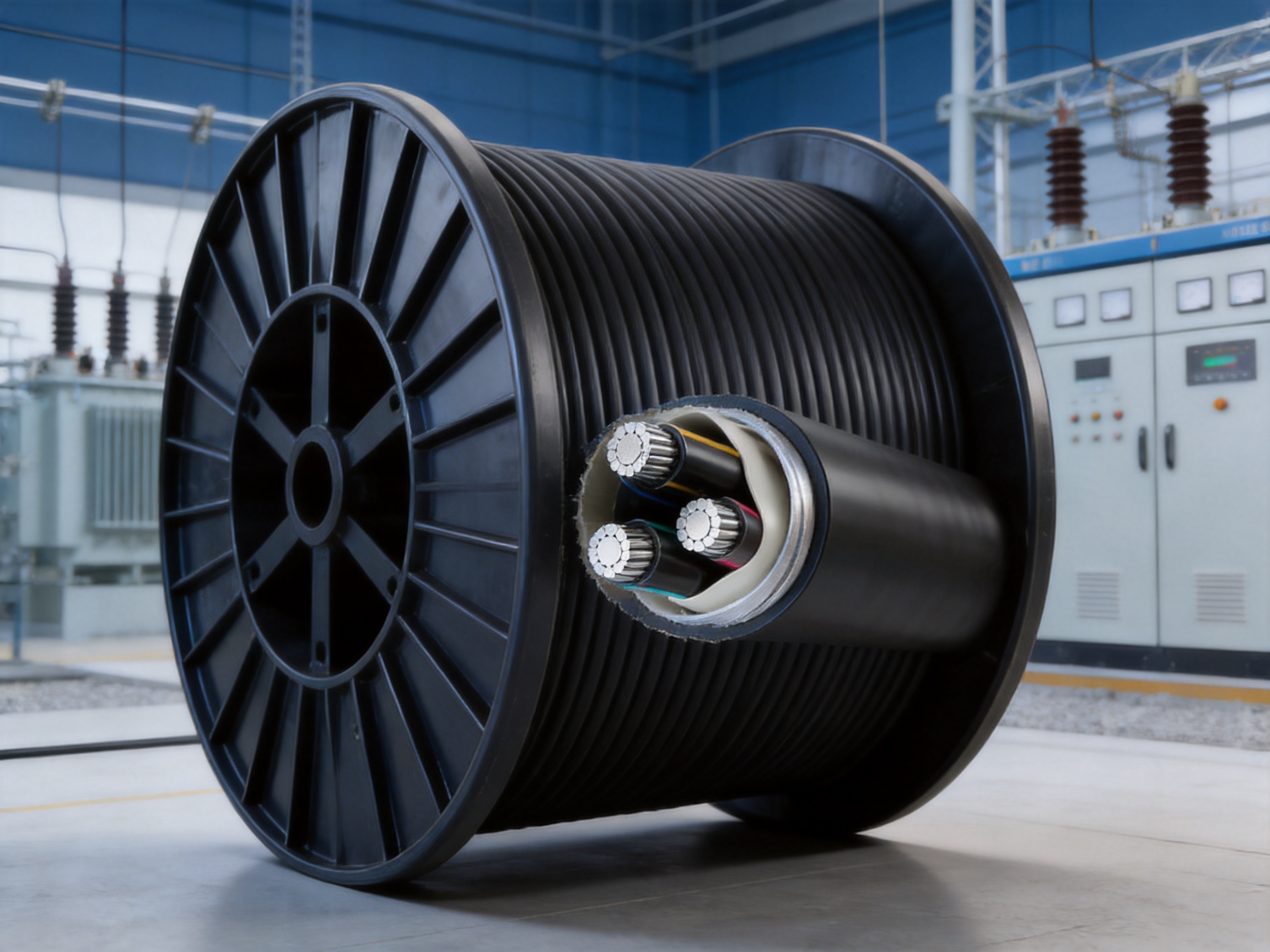
The lower density of aluminum alloy can reduce cable weight compared with an equivalent copper conductor design. This can be valuable when cables must be transported over long distances, lifted to upper floors, pulled through narrow ducts, or installed in locations with limited construction access.
Reduced weight can also help contractors manage cable drums and pulling operations. Smaller handling teams or lighter lifting equipment may be sufficient for certain routes, although every project must still use appropriate safety procedures. The benefit is especially relevant to large-scale installations where hundreds or thousands of meters of cable are required.
5.2 Installation Convenience
Installation convenience is influenced by cable weight, flexibility, drum size, route configuration, bending radius, and termination requirements. Aluminum alloy conductor cables can help reduce physical effort during positioning and routing. When combined with a carefully designed sheath and suitable cable accessories, the product can support efficient construction schedules.
Installation teams must use connectors and termination systems designed for aluminum alloy conductors. Correct surface preparation, joint compound where required, torque control, and connector compatibility are essential. The weight advantage is most valuable when supported by disciplined installation practices.
5.3 Mechanical Strength
Aluminum alloy offers improved mechanical properties compared with basic aluminum conductor materials. The conductor can be designed to resist pulling forces and handling stresses while maintaining the required electrical performance. Manufacturing control is important because excessive tension, sharp bending, or improper pulling can damage any cable regardless of conductor material.
5.4 Thermal and Electrical Stability
The plastic insulation system provides stable electrical performance and heat resistance. Cross-linked polyethylene can operate at a maximum long-term conductor temperature of 90°C and withstand short-term conductor temperatures of up to 250°C during a short circuit lasting no more than five seconds, subject to the product design and applicable standard.
Stable insulation performance supports reliable energy transmission in medium-voltage and low-voltage distribution systems. The insulation also contributes to a compact cable structure, which can be advantageous where cable corridors, shafts, ducts, and equipment rooms have limited space.
5.5 Resource and Lifecycle Considerations
Aluminum alloy conductor cables can support efficient material utilization in large infrastructure projects. Their lower weight may reduce transportation and handling requirements, while the conductor material remains suitable for recycling at the end of the cable’s service life. These factors can contribute to lifecycle planning and project sustainability objectives.
Lifecycle performance should also include service reliability, maintenance requirements, installation quality, and the suitability of the cable for its environment. A lower initial material cost alone does not define value. The product’s practical advantage comes from combining material efficiency with controlled manufacturing and dependable operation.
6. Advanced Manufacturing Process
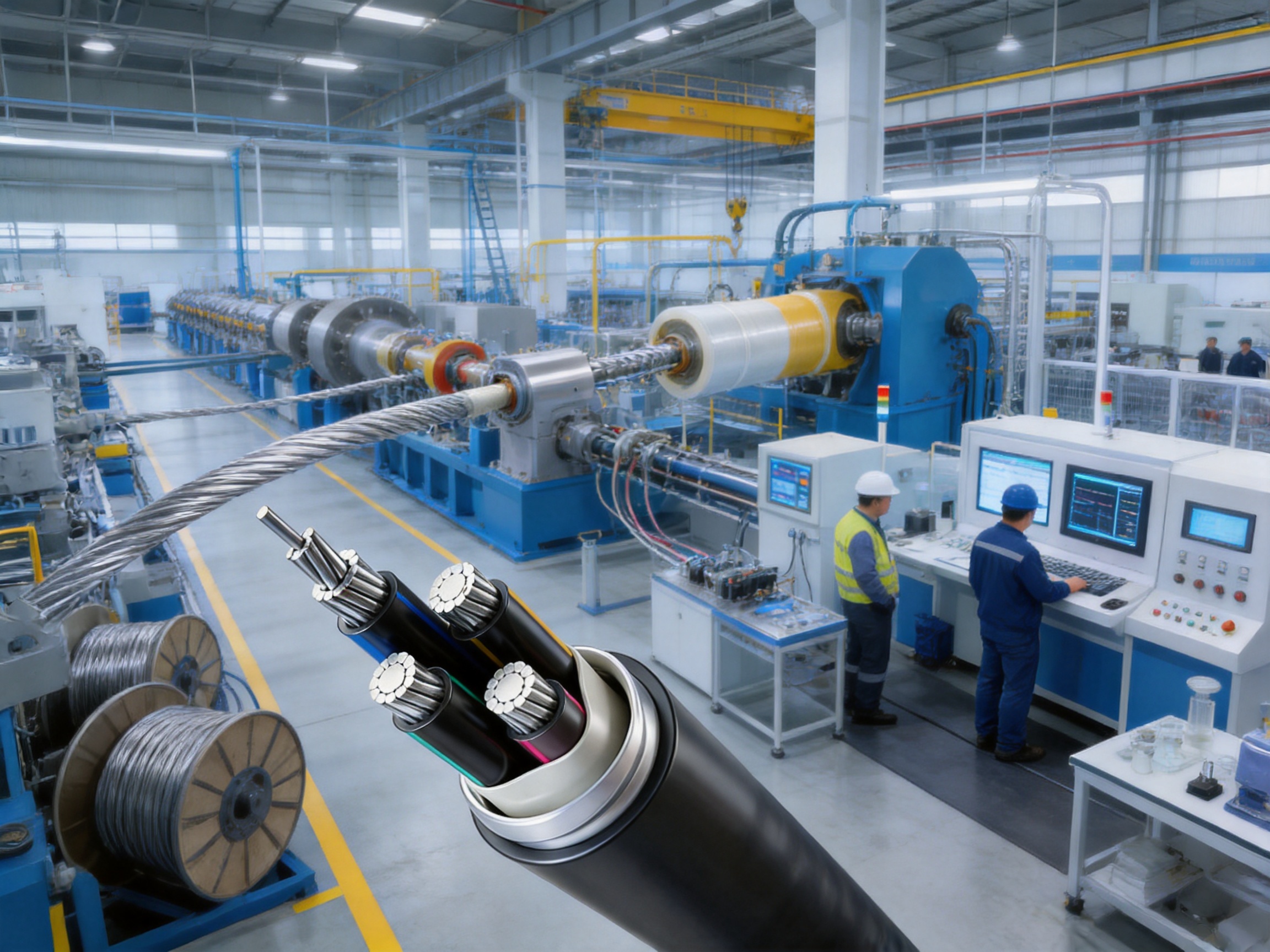
Reliable cable performance depends on the complete manufacturing process rather than on one individual material. Wuxi Guanghuan Cable Co., Ltd. applies a production system covering raw material control, conductor processing, insulation extrusion, cable assembly, sheath application, testing, packaging, and after-sales support.
6.1 Raw Material Control
Aluminum alloy rod, insulation compounds, sheath materials, screening materials, metallic components, and auxiliary materials must be verified before entering production. Material inspection helps confirm chemical composition, electrical properties, mechanical performance, cleanliness, and compatibility with the specified cable design.
Incoming material control reduces variation between production batches. It also helps ensure that the final cable meets dimensional, electrical, and mechanical requirements. Traceability procedures can connect finished cable sections to production records, test results, and material batches.
6.2 Conductor Drawing and Stranding
Aluminum alloy conductor wires are processed to achieve controlled diameter and mechanical performance. Drawing conditions, lubrication, die condition, line speed, and tension influence wire quality. The wires are then stranded or compacted into the required conductor structure.
During stranding, attention is given to pitch, concentricity, surface condition, and dimensional consistency. A uniform conductor supports stable electrical resistance and provides a better foundation for subsequent insulation extrusion. Online monitoring and process inspection help identify deviations before they affect long cable lengths.
6.3 Insulation Extrusion
Plastic insulation is applied through a controlled extrusion process. The extrusion line must maintain stable temperature, pressure, speed, material feeding, and cooling conditions. Uniform insulation thickness and concentricity are essential because uneven insulation can create localized electrical stress.
For medium-voltage cable, cleanliness control is especially important. Extrusion equipment, material handling systems, and production areas must be managed to reduce contamination. The insulation and associated screening layers are produced with controlled interfaces to support reliable dielectric performance.
6.4 Cable Assembly and Sheathing
After the conductor and insulation system are completed, the cable components are assembled according to the product design. The assembly process may include laying up multiple cores, applying fillers or binders, adding screens or armor, and extruding the outer sheath.
Sheath extrusion requires control of material temperature, line speed, cooling, thickness, and surface finish. The finished sheath must provide consistent coverage and adequate protection without damaging the insulation or internal components. Dimensional inspection helps confirm that the finished cable meets the specified outer diameter and construction requirements.
6.5 Online Monitoring and Process Control
Modern manufacturing lines use monitoring systems to identify changes in conductor geometry, insulation eccentricity, surface quality, diameter, and process stability. Online eccentricity monitoring is particularly valuable because it can detect whether the insulation is uniformly positioned around the conductor.
Early detection allows operators to correct the process before a large quantity of cable is produced. This reduces material waste, improves consistency, and supports more reliable final testing. Process data can also contribute to traceability and continuous improvement.
6.6 Electrical and High-Voltage Testing
Finished cables undergo electrical tests appropriate to their rated voltage and standard. Testing may include conductor resistance, insulation resistance, voltage withstand, partial discharge, dimensional inspection, sheath integrity, and other routine or type tests.
High-voltage series resonance testing equipment can be used to apply controlled test voltage efficiently. Partial discharge detectors help identify localized insulation defects that may not be visible through ordinary visual inspection. These technologies support the verification of medium-voltage cable insulation quality before shipment.
7. Quality Management and Manufacturing Capability
Wuxi Guanghuan Cable Co., Ltd. was founded in 1998 and is headquartered in Guanlin Town, Yixing City, Jiangsu Province, a region recognized as an important cable manufacturing center in China. The company covers more than 100,000 square meters, including over 45,000 square meters of building area.
The company operates more than 70 production and testing lines and employs more than 140 people, including over 30 technical professionals. Its annual sales revenue is approximately RMB 2 billion, while annual output value exceeds RMB 3 billion. These resources provide production capacity for both standard cable products and customized project requirements.
The company’s product portfolio includes more than 100 categories and over 30,000 specifications under the registered Liguang brand. This breadth allows engineering teams to source different cable types from a manufacturer with experience in power transmission, electrical equipment wiring, bare conductors, rail transit, renewable energy, and energy storage applications.
Its management systems include ISO 9001 quality management, ISO 14001 environmental management, ISO 45001 occupational health and safety management, ISO 50001 energy management, GB/T 29490 intellectual property management, green management, social responsibility management, and after-sales service management certifications.
The company’s products have received CCC, TÜV, product carbon footprint, China Energy-Saving and Environmentally Friendly Product, and other certifications. It has also passed qualification and capability verification for power cables and conductors conducted by the State Grid Corporation of China. These qualifications support confidence in its ability to serve utilities, engineering contractors, industrial enterprises, and major energy projects.
Quality control is implemented throughout the product lifecycle. It begins with technical design and material selection, continues through conductor processing and insulation extrusion, and extends to final testing, packaging, delivery, installation guidance, and after-sales service. This integrated approach is important because cable reliability depends on every stage, not only on the final electrical test.
8. Compliance with Standards
The product is manufactured in accordance with GB/T 31840-2025 according to the supplied product information. This standard provides a technical basis for cable design, manufacturing, performance evaluation, and testing within the applicable scope.
Depending on the destination market and project requirements, the cable can also be manufactured and tested according to International Electrotechnical Commission standards, British standards, American standards, or other agreed technical specifications. International standard capability is useful for overseas construction projects, multinational procurement programs, industrial installations, and infrastructure developments involving several regulatory systems.
Although standards provide a common technical framework, the purchaser should confirm the exact edition, applicable clauses, test requirements, voltage designation, conductor class, sheath material, fire performance, environmental requirements, and documentation package before placing an order. Project specifications may include requirements beyond the basic product standard.
9. Application Fields
9.1 Buildings and Public Facilities
The cable can be used in power distribution systems for high-rise buildings, residential developments, hotels, hospitals, theaters, conference centers, libraries, museums, and large commercial complexes. In these locations, dependable power distribution and efficient installation are important because cable routes may pass through shafts, service corridors, basements, parking areas, or dedicated electrical rooms.
Hospitals, public buildings, and commercial facilities may also require careful coordination with fire safety, emergency power, access control, and maintenance systems. The cable type should therefore be selected together with the building’s fire performance, smoke control, installation environment, and emergency power requirements.
9.2 Industrial and Energy Facilities
Industrial and mining enterprises, petrochemical plants, power facilities, and steel production projects often contain long cable routes and demanding environmental conditions. Cables may be exposed to dust, vibration, temperature variation, oil, chemicals, mechanical impact, or restricted installation spaces.
For these applications, the cable structure should be specified according to the actual environment. Sheath material, armor, screening, grounding, flame performance, and resistance to chemicals or moisture may require special consideration. The aluminum alloy conductor design can be advantageous where long cable runs and installation handling are major project concerns.
9.3 Transportation Infrastructure
Airports, tunnels, metro systems, light rail systems, underground parking facilities, and civil defense structures require organized and reliable power distribution. Cable installation may involve narrow passages, vertical shafts, underground ducts, cable trays, and areas with limited ventilation.
The product’s weight reduction can help simplify route installation, while the plastic insulation system provides the electrical performance required for fixed distribution circuits. Transportation projects often involve strict documentation and testing requirements, so standard compliance and traceability are important during procurement.
9.4 Urban Power Networks
Urban power grids require cables that can operate reliably in underground systems, substations, distribution corridors, and compact utility spaces. Aluminum alloy conductor cables can support the expansion of distribution networks by offering a practical balance between current-carrying capability, weight, installation efficiency, and material utilization.
When used in urban systems, the cable must be coordinated with joints, terminations, grounding systems, duct arrangements, water protection, and fault protection. Installation records and test documentation should be retained to support future maintenance and network management.
9.5 Special Engineering Environments
The product may also be considered for ships, offshore oil platforms, large shopping centers, parking facilities, and other special engineering environments when the selected construction satisfies the project’s environmental and safety requirements. Marine and offshore applications may require additional fire, smoke, oil resistance, water resistance, halogen, or mechanical requirements.
The cable should not be selected solely because it has the required voltage rating. The complete application environment must be reviewed, and any special certification or testing required by the owner, classification society, authority, or project specification must be confirmed in advance.
10. Installation and Project Selection Guidance
Before ordering, the purchaser should define the rated voltage, number of cores, conductor cross-sectional area, cable length, installation method, ambient temperature, short-circuit current, fault duration, bending route, screen or armor requirements, sheath material, and applicable standard.
The current-carrying capacity should be calculated using the actual installation conditions. Engineers should consider cable grouping, soil conditions, duct thermal resistance, ventilation, sunlight exposure, surrounding equipment, and continuous or intermittent loading. Voltage drop and prospective short-circuit current should also be checked.
During transportation and storage, cable drums should be protected from impact, moisture, and unauthorized movement. Drums should be rolled only in the marked direction and secured properly during transport. Cable ends should remain sealed to prevent water entry.
During installation, the pulling force should remain within the approved limit. Appropriate pulling equipment, rollers, guides, and bend controls should be used. The cable should not be dragged directly across abrasive surfaces or forced around bends tighter than the specified minimum radius.
Terminations and joints must use accessories compatible with aluminum alloy conductors and the cable insulation system. Connection surfaces should be clean, prepared according to the accessory manufacturer’s instructions, and tightened with controlled torque. Poor connections can cause resistance heating and may undermine the performance of an otherwise high-quality cable.
After installation, the cable system should undergo the inspections and tests required by the project specification. Test results, drum numbers, route information, joint locations, termination records, and as-built drawings should be preserved for future maintenance.
11. Customer Value and Competitive Position
The main competitive value of this product is the combination of material efficiency, reliable insulation, controlled manufacturing, broad specification capability, and international standards support. Some cable suppliers may focus mainly on low purchase price, while others may emphasize high-end specialty construction. This product is positioned as a balanced solution for mainstream power transmission and distribution projects.
Its aluminum alloy conductor can reduce handling weight and support installation efficiency. Its plastic insulation system offers stable electrical and thermal performance. Its manufacturing process incorporates conductor control, precision insulation extrusion, online monitoring, high-voltage testing, and partial discharge detection. Its production organization can support both standard orders and customized engineering requirements.
The company’s broad portfolio is another advantage. Experience in power cables, electrical equipment cables, overhead conductors, rail transit cables, and renewable energy cables provides a broader understanding of different conductor, insulation, sheath, testing, and installation requirements. This can help customers coordinate multiple cable categories through one experienced manufacturer.
Certification and management systems also contribute to supplier reliability. ISO-based systems, product certifications, power industry qualification verification, and documented testing procedures help reduce procurement risk. For large infrastructure projects, the ability to supply technical documents, inspection records, test certificates, and product traceability can be as important as the cable itself.
12. Frequently Asked Questions
Q1: What is the maximum rated voltage of this cable?
The product is designed for power systems with rated voltages up to 26/35kV. Related product configurations cover low-voltage systems rated 0.6/1kV and medium-voltage systems ranging from 3.6/6kV to 35kV. The exact rating must be confirmed according to the selected construction and project specification.
Q2: Why choose an aluminum alloy conductor instead of a conventional conductor?
Aluminum alloy conductors are lighter and can provide useful mechanical strength and stable electrical performance. Their lower weight may simplify transportation, handling, pulling, and routing, especially on long cable runs or projects with restricted access. Proper conductor sizing and compatible termination accessories are essential.
Q3: What insulation material is commonly used?
The insulation layer commonly uses cross-linked polyethylene. This material provides stable dielectric performance, good heat resistance, and resistance to aging. The final insulation structure depends on the cable voltage level and applicable standard.
Q4: What is the maximum long-term conductor temperature?
The maximum permissible long-term conductor temperature is generally 90°C for the medium-voltage and low-voltage configurations described in the product information.
Q5: What temperature can the conductor reach during a short circuit?
When the short-circuit duration does not exceed five seconds, the maximum allowable conductor temperature is 250°C, subject to the specified cable design, conductor size, and applicable standard.
Q6: What is the minimum installation temperature?
The ambient temperature during installation should not be lower than 0°C unless an approved special procedure is used. Low temperatures can reduce material flexibility and increase the risk of damage during bending and handling.
Q7: What bending radius should be observed?
For medium-voltage cables, the minimum bending radius is not less than ten times the cable outer diameter for three-core cables and fifteen times the outer diameter for single-core cables. For the described 0.6/1kV configuration, the minimum bending radius is not less than seven times the cable outer diameter. The final manufacturer’s data sheet takes priority.
Q8: Can the cable be manufactured according to international standards?
Yes. In addition to GB/T 31840-2025, the product can be manufactured and tested according to applicable IEC, British, American, or other agreed standards, depending on regional and project requirements.
Q9: Is the cable suitable for outdoor or underground installation?
It may be suitable for outdoor or underground fixed installation when the selected sheath, armor, water protection, and environmental construction meet the conditions of the project. The purchaser should provide complete environmental information before final product selection.
Q10: What should be considered when connecting an aluminum alloy conductor?
Terminations and joints should be specifically compatible with aluminum alloy conductors. Surface preparation, oxidation control, connector selection, torque, joint compound, and installation sequence should follow the approved accessory instructions. Qualified technicians should perform all medium-voltage terminations and joints.
Q11: What testing is performed during manufacturing?
Testing may include conductor resistance, dimensional checks, insulation performance, voltage withstand, sheath integrity, high-voltage testing, partial discharge detection, and other routine or type tests required by the applicable standard and project specification.
Q12: Which industries can use this cable?
Typical application fields include urban power grids, industrial plants, mining enterprises, petrochemical facilities, power infrastructure, high-rise buildings, hospitals, hotels, transportation systems, tunnels, metro projects, airports, public facilities, commercial complexes, and other fixed power distribution installations.
13. Conclusion
Aluminum alloy conductor plastic insulated power cable rated up to 26/35kV provides a practical solution for modern medium- and low-voltage power transmission and distribution systems. Its design combines an aluminum alloy conductor with a plastic insulation system and protective sheath, creating a cable that can deliver stable electrical performance while reducing weight and improving installation convenience.
The cable’s operating characteristics include a maximum long-term conductor temperature of 90°C, a short-circuit conductor temperature of up to 250°C for a duration not exceeding five seconds, and defined installation temperature and bending radius requirements. These characteristics make the product suitable for carefully designed and correctly installed power networks.
Its advantages are strengthened by advanced manufacturing processes, including controlled conductor production, precision insulation extrusion, online eccentricity monitoring, high-voltage series resonance testing, partial discharge detection, and comprehensive quality management. Wuxi Guanghuan Cable Co., Ltd. combines these capabilities with a broad product portfolio, international standards support, multiple management certifications, and experience serving power, infrastructure, industrial, transportation, and energy projects.
For project owners, designers, contractors, and distributors, the product offers more than a conductor and insulation assembly. It represents an integrated cable solution supported by manufacturing capacity, technical resources, testing capability, standards compliance, and lifecycle-oriented service. With correct engineering selection and professional installation, it can support dependable power distribution in a wide range of modern infrastructure environments.
References
GB/T 31840-2025, Technical Requirements for Plastic Insulated Power Cables and Related Product Requirements.
International Electrotechnical Commission, IEC standards for power cables with extruded insulation.
British Standards Institution, applicable standards for electric cables and power distribution systems.
American cable and electrical engineering standards applicable to insulated power cables and distribution installations.
Cross-Linked Polyethylene Insulated Power Cable Technical Data, manufacturer-provided product information.
Quality management and testing records for aluminum alloy conductor plastic insulated power cable production.
Power cable installation, current-carrying capacity, bending radius, jointing, and termination engineering guidance.
Wuxi Guanghuan Cable Co., Ltd. corporate manufacturing, certification, production capability, and product portfolio information.
Product: Aluminum Alloy Conductor Plastic Insulated Power Cable (Rated Voltage up to 26/35kV)

-
Aluminum Alloy Conductor Plastic Insulated Power Cable (Rated Voltage up to 26/35kV)
-
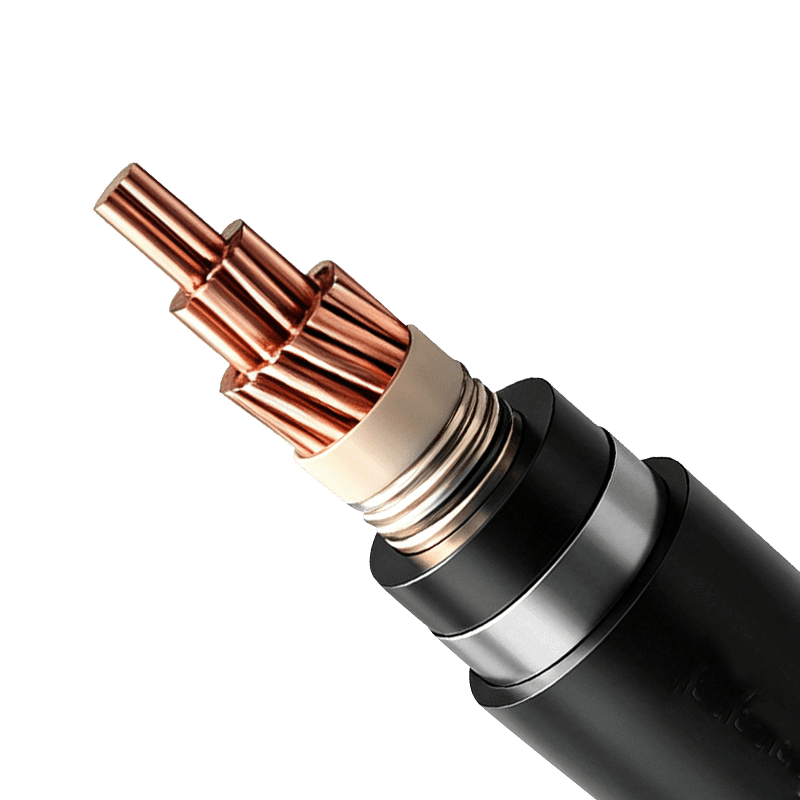
Power Cable for Subway and Urban Rail Transit (Rated Voltage 35kV)
-
Cross-linked Polyolefin (XLPO) Insulated Wire and Cable (Rated Voltage 450/750V and below)
-
AAC, AAAC & ACSR - Aluminum and Aluminum Alloy Stranded Conductors
-
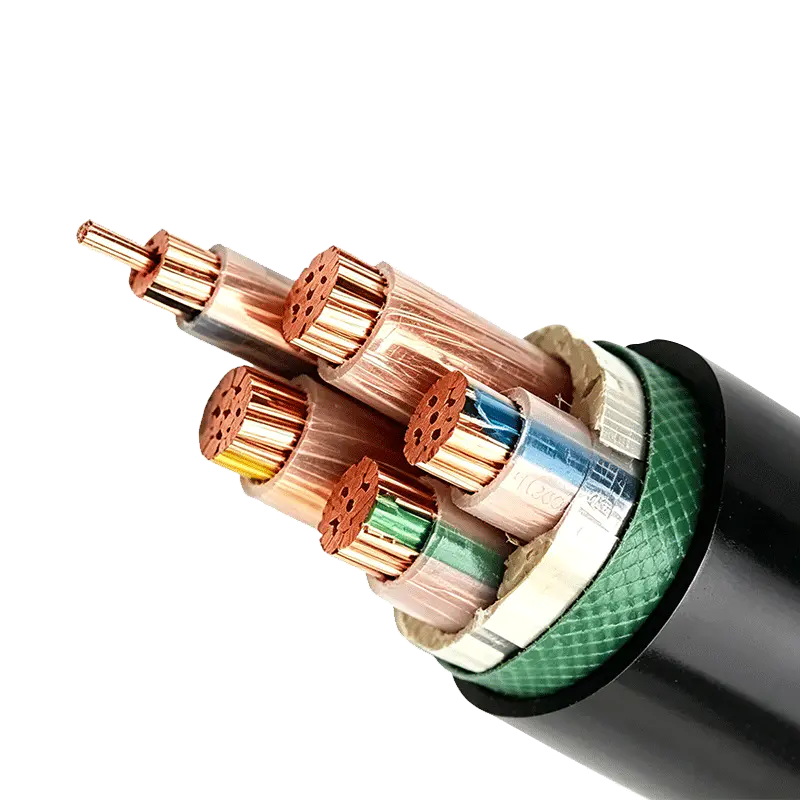
Rated Voltage 0.6/1kV XLPE Insulated Power Cable

Copyright © Wuxi Guanghuan Cable Co., Ltd. All Rights Reserved. Power Cables Manufacturer Electrical Wire And Cable Factory

