


 English
 中文简体
 русский
 Español
 عربى

Aluminum Alloy Conductor Plastic Insulated Power Cable for Rated Voltages up to 26/35kV
Content
- 1 Product Overview
- 2 Why Aluminum Alloy Conductors Are Important
- 3 Key Product Advantages
- 4 Product Structure and Materials
- 5 Operating Characteristics
- 6 Applications in Building Engineering
- 7 Applications in Public Infrastructure
- 8 Applications in Industrial and Energy Facilities
- 9 Applications in Transportation and Underground Construction
- 10 Applications in Marine and Special Engineering
- 11 Manufacturing Strengths
- 12 Standards and Compliance
- 13 Quality Control from Raw Materials to Delivery
- 14 Comparison with Conventional Cable Options
- 15 Installation and Handling Guidance
- 16 Project Selection Checklist
- 17 Frequently Asked Questions
- 17.1 What is an aluminum alloy conductor plastic insulated power cable?
- 17.2 What voltage range does the product cover?
- 17.3 What are the main advantages of aluminum alloy conductors?
- 17.4 Is this cable a direct replacement for a copper cable?
- 17.5 What insulation material is normally used?
- 17.6 What is the maximum long-term conductor temperature?
- 17.7 What is the permitted short-circuit conductor temperature?
- 17.8 What is the minimum installation temperature?
- 17.9 What bending radius is required?
- 17.10 Can the product be manufactured according to IEC standards?
- 17.11 What testing equipment is used during production?
- 17.12 Where can this cable be used?
- 17.13 What information should be provided when requesting a quotation?
- 18 Supplier Capability and Service Support
- 19 Conclusion
- 20 References
- 21 Product: Aluminum Alloy Conductor Plastic Insulated Power Cable (Rated Voltage up to 26/35kV)
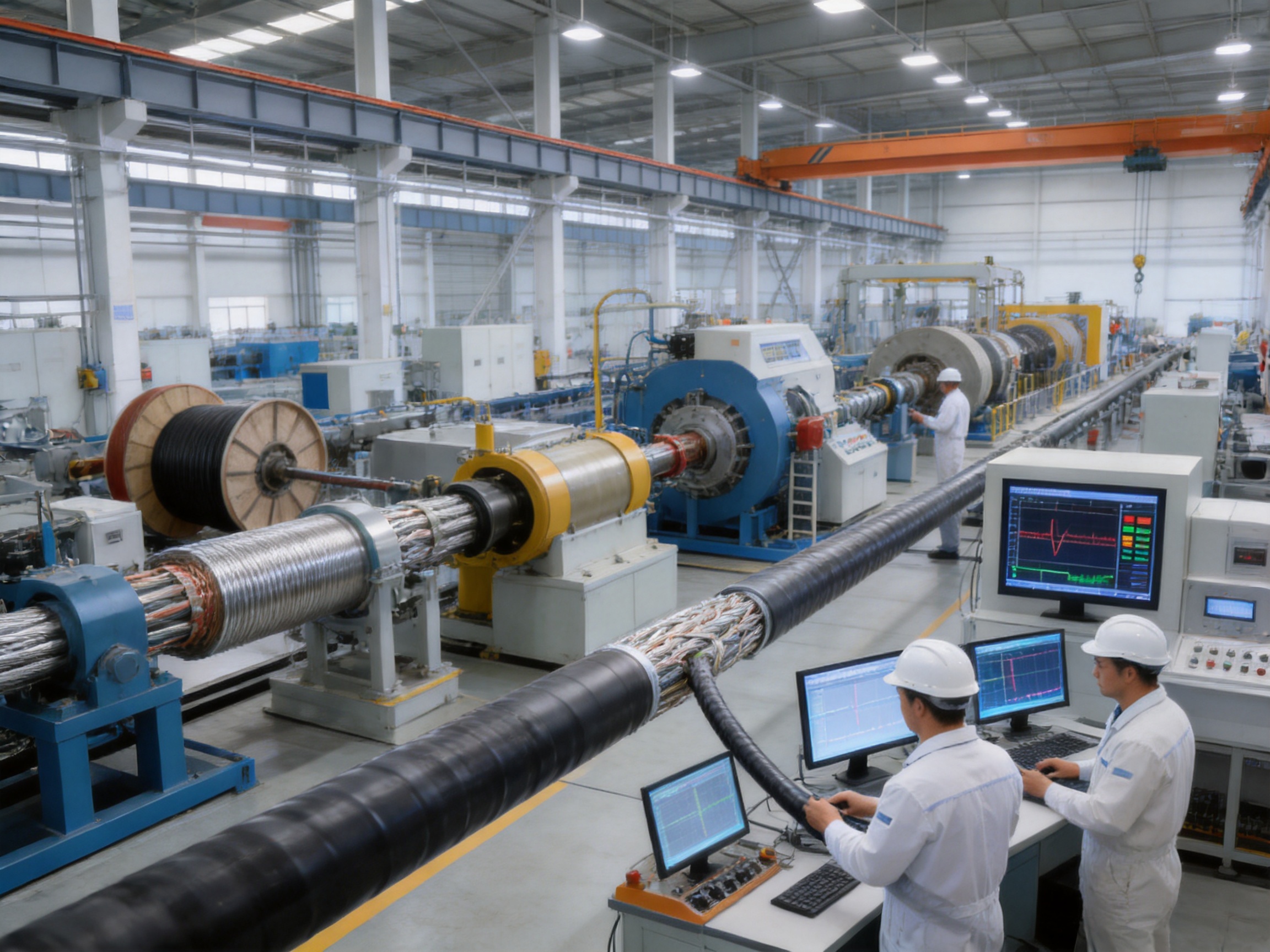
Reliable power transmission depends on cable systems that combine electrical performance, mechanical strength, installation efficiency, and long-term environmental stability. The aluminum alloy conductor plastic insulated power cable with rated voltages up to 26/35kV is designed to address these requirements in medium-voltage and low-voltage power transmission and distribution systems. By combining an aluminum alloy conductor with a high-performance plastic insulation system, the cable provides a practical solution for building projects, industrial facilities, public infrastructure, utility networks, and specialized engineering environments.
This cable is manufactured by Wuxi Guanghuan Cable Co., Ltd., a Chinese cable manufacturer with extensive experience in power cables, electrical equipment wires, overhead conductors, rail transit cables, and renewable-energy cable products. The company operates from Guanlin Town, Yixing City, Jiangsu Province, an area recognized as an important cable manufacturing center in China. Its manufacturing capabilities include more than 70 production and testing lines, professional technical personnel, and quality management systems covering design, material control, production, testing, storage, and after-sales service.
The product is particularly suitable for customers seeking a lower-weight alternative to comparable copper-conductor cables while retaining reliable current-carrying performance and mechanical stability. Its aluminum alloy conductor can reduce cable handling demands, while the plastic insulation system offers dependable dielectric protection, heat resistance, and aging resistance. The result is a cable solution that can support modern power distribution requirements without sacrificing installation practicality or operational reliability.
Product Overview
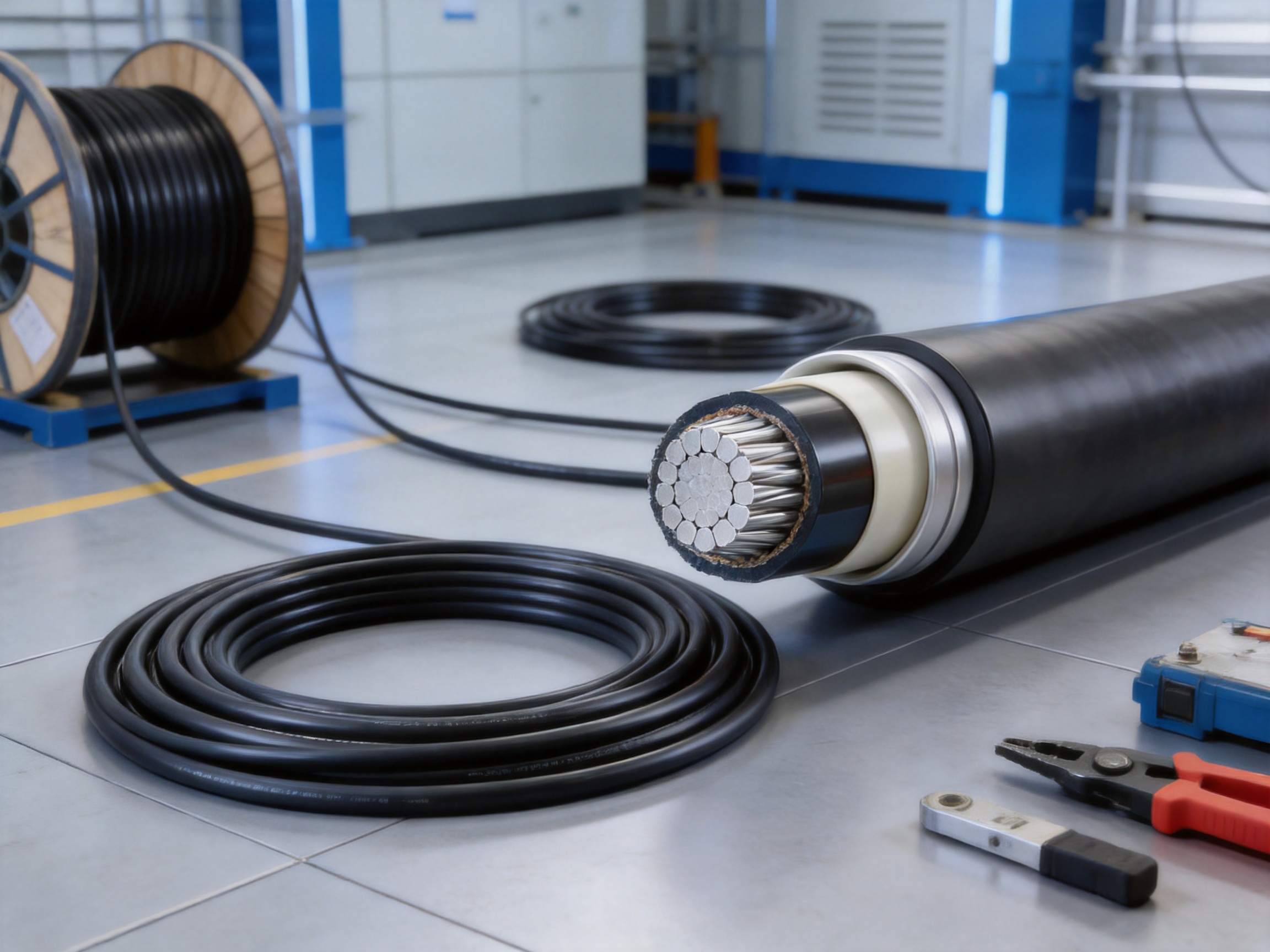
The aluminum alloy conductor plastic insulated power cable consists primarily of an aluminum alloy conductor, a plastic insulation layer, and an outer protective sheath. Depending on the voltage rating, conductor arrangement, installation environment, and project requirements, the cable may be supplied in single-core or three-core configurations and may incorporate additional structural layers for mechanical, electrical, or environmental protection.
The product range covers low-voltage applications at 0.6/1kV and medium-voltage applications from 3.6/6kV to 26/35kV. The operating characteristics described for cross-linked polyethylene insulated cables also cover systems with rated voltages up to 35kV. This makes the product suitable for a broad range of power transmission and distribution applications, from building power systems to industrial substations and urban utility networks.
The conductor is manufactured from aluminum alloy rather than conventional pure aluminum or copper. Alloying and conductor design are used to improve the balance between electrical conductivity, tensile strength, flexibility, weight, and installation performance. The conductor structure is optimized to provide stable electrical transmission while helping the cable withstand normal handling and service conditions.
The insulation layer commonly uses cross-linked polyethylene. Cross-linked polyethylene, often identified as XLPE, is widely used in power cables because it offers stable electrical insulation, good thermal performance, resistance to aging, and dependable operation over extended service periods. The outer sheath provides protection against environmental exposure, mechanical contact, and normal installation stresses.
For engineering customers, the product can be manufactured and tested according to applicable Chinese, international, British, or American technical requirements when project conditions demand a particular standard framework. This multi-standard production capability is valuable for contractors, distributors, utilities, and international engineering companies working across different markets.
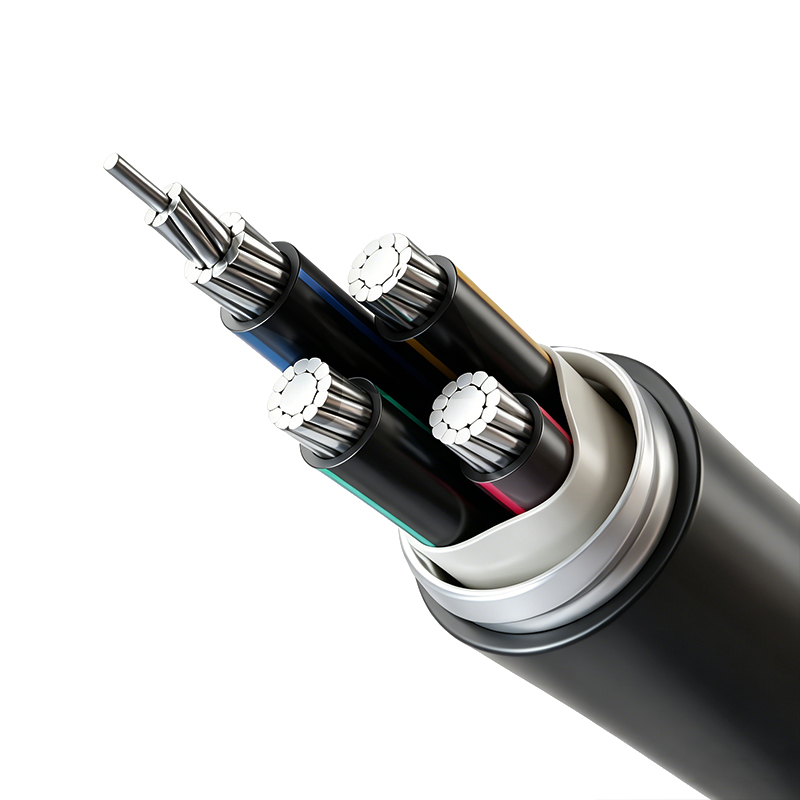
Aluminum Alloy Conductor Plastic Insulated Power Cable (Rated Voltage up to 26/35kV)
Why Aluminum Alloy Conductors Are Important
Conductor material has a direct influence on cable weight, installation labor, support requirements, transportation cost, and overall project practicality. Copper has traditionally been selected for many power cable applications because of its high electrical conductivity. However, copper cables can be relatively heavy and may involve higher material costs. Aluminum alloy conductors provide an alternative approach by reducing conductor weight while maintaining the electrical and mechanical characteristics needed for many power distribution systems.
Compared with a similar copper-conductor cable designed for the same general power transmission purpose, an aluminum alloy conductor cable can be easier to transport, pull, position, and terminate. Lower weight can also reduce the physical demands placed on cable trays, supports, lifting equipment, and installation crews. These benefits are especially relevant in high-rise buildings, underground utility projects, industrial plants, tunnels, transportation facilities, and locations where access is limited.
The aluminum alloy conductor is also suitable for projects that place emphasis on material efficiency and resource utilization. Aluminum is widely available and is used extensively in electrical transmission products. Through suitable alloy composition, conductor design, and manufacturing control, the material can deliver a practical combination of conductivity and mechanical performance.
Weight reduction does not mean that the cable is intended for every application without engineering review. Cable size, conductor cross-sectional area, installation method, permissible voltage drop, short-circuit conditions, ambient temperature, and protection coordination must always be evaluated by qualified technical personnel. Nevertheless, when the product is correctly selected, aluminum alloy conductor construction can provide an effective balance between performance and installation economy.
Key Product Advantages
Reduced Cable Weight
One of the most significant advantages of aluminum alloy conductor cables is reduced weight compared with many equivalent copper-conductor solutions. A lighter cable is easier to transport from the delivery point to the installation location. It may also require less lifting equipment and fewer workers during cable placement.
In large projects, weight reduction can influence the design of cable support systems. Cable trays, brackets, vertical supports, and risers must still be designed according to applicable codes and engineering calculations, but lighter cable assemblies may help simplify handling and support planning. This is especially useful in buildings, underground corridors, industrial workshops, and rail transit infrastructure where cable routes may be long or difficult to access.
Installation Convenience
Installation efficiency is affected by cable mass, bending requirements, route complexity, termination procedures, and available working space. The aluminum alloy conductor design supports easier handling while the cable structure maintains the mechanical stability required for normal installation. A lighter product can reduce fatigue among installation workers and improve productivity during long cable-pulling operations.
Installation teams must observe the specified minimum bending radius. For medium-voltage cross-linked polyethylene insulated cables, the minimum bending radius is not less than 10 times the cable outer diameter for three-core cables and not less than 15 times the outer diameter for single-core cables. For low-voltage cables, the minimum bending radius is not less than 7 times the cable outer diameter. Following these limits helps prevent damage to the conductor, insulation, screen, or sheath.
Stable Electrical Performance
The purpose of the conductor is to transmit electrical energy with stable performance during normal operation. The optimized aluminum alloy conductor structure is designed to provide dependable conductivity and suitable mechanical strength. The conductor cross-sectional area and cable construction can be selected according to system current, voltage level, installation conditions, and project specifications.
Stable electrical performance also depends on correct cable selection, proper jointing, high-quality terminations, appropriate grounding, and effective protection equipment. The cable itself forms one part of a complete power system. Its performance is therefore supported by controlled manufacturing and by correct installation and commissioning practices.
Reliable XLPE Insulation
Cross-linked polyethylene insulation is used because of its combination of electrical and thermal properties. The insulation system provides a strong dielectric barrier between the conductor and other cable components. It is designed to remain stable during normal operation and to withstand the thermal conditions associated with temporary overload or fault events within the applicable limits.
XLPE insulation also provides useful resistance to aging. This is important in fixed power installations where cables may remain in service for many years and may be difficult or expensive to replace. Stable insulation performance helps reduce the probability of electrical leakage, insulation breakdown, and unplanned interruption when the cable is selected and installed correctly.
Good Heat Resistance
For the medium-voltage cross-linked polyethylene insulated cable range, the maximum permissible long-term operating temperature of the conductor is 90°C. Under short-circuit conditions lasting no more than five seconds, the maximum allowable conductor temperature is 250°C. The same general temperature characteristics apply to the low-voltage XLPE insulated cable information provided for this product family.
These temperature limits are important for cable sizing and system protection. The actual permitted operating condition depends on conductor size, installation method, ambient conditions, grouping, soil thermal resistivity where applicable, and national or project-specific requirements. Engineers should use the relevant technical documentation and applicable standards when calculating ampacity and short-circuit withstand capability.
Mechanical and Environmental Protection
The outer sheath protects the internal cable structure during transport, installation, and service. Sheath material selection is intended to provide environmental resistance and mechanical protection suitable for the intended application. Depending on the product design, the sheath can help protect against moisture, normal abrasion, contact with surrounding construction materials, and general environmental exposure.
Although the sheath provides important protection, cable routes should still be planned to avoid unnecessary mechanical damage, excessive pulling tension, sharp edges, prolonged water exposure beyond the product rating, and chemical conditions outside the specified service environment. Additional protective measures may be needed in areas with severe mechanical impact, fire risks, corrosive chemicals, rodents, or special installation conditions.
Adaptability to Different Projects
The cable is suitable for power transmission and distribution systems in urban, industrial, commercial, public, transportation, and specialized environments. Its voltage range and structural options allow project designers to consider the product for both medium-voltage supply networks and lower-voltage distribution systems.
Manufacturing according to Chinese standards, IEC standards, British standards, or American standards can support international engineering cooperation. The exact standard, test method, construction, marking, and documentation requirements should be confirmed before production. This approach helps align the finished cable with the technical specifications of a utility, EPC contractor, consultant, building owner, or government project.
Product Structure and Materials
Aluminum Alloy Conductor
The conductor is the central current-carrying component. It uses aluminum alloy material formed into a controlled conductor structure. The alloy composition and processing method are selected to achieve a balance between conductivity, tensile performance, flexibility, and weight.
Conductor manufacturing requires control of raw material quality, alloy composition, drawing conditions, dimensional accuracy, surface condition, stranding, and electrical resistance. A consistent conductor structure helps ensure uniform insulation extrusion and stable cable geometry. It also supports reliable termination when compatible lugs, connectors, and preparation procedures are used.
Aluminum alloy conductors require suitable installation practices. Connections should use terminals and jointing systems designed for aluminum or aluminum alloy conductors. Contact surfaces must be prepared according to the connector manufacturer’s instructions, and installers should use correct torque values and approved anti-oxidation measures where specified. These procedures help maintain low-resistance electrical connections throughout the service life of the system.
Plastic Insulation Layer
The insulation layer is commonly cross-linked polyethylene. During production, insulation must be applied concentrically and with controlled thickness. The extrusion process must prevent voids, contamination, surface defects, and dimensional irregularities that could weaken electrical performance.
In medium-voltage cable production, insulation quality is particularly important because the electric field is stronger and defects can contribute to partial discharge or premature insulation deterioration. For this reason, production facilities use process controls and electrical testing equipment to verify insulation integrity and cable performance.
Protective Sheath
The sheath forms the external protective surface of the cable. Its functions include protecting the internal structure from normal mechanical contact, environmental exposure, and handling stress. A well-controlled sheath should have consistent thickness, good surface quality, and sufficient adhesion or dimensional stability according to the cable design.
The sheath material and construction can be adapted to project requirements. Customers may need to consider flame performance, low-smoke characteristics, resistance to oil or chemicals, ultraviolet exposure, moisture, flexibility, or special environmental conditions. Any special sheath requirement should be specified before quotation and production.
Operating Characteristics
The cable family includes cross-linked polyethylene insulated power cables for rated voltages from 3.6/6kV to 35kV and low-voltage cables rated at 0.6/1kV. The following values summarize the principal operating characteristics supplied for the product.
| Item | Medium-Voltage XLPE Cable | Low-Voltage XLPE Cable |
|---|---|---|
| Typical rated voltage range | 3.6/6kV to 26/35kV, within the described product range | 0.6/1kV |
| Maximum conductor temperature during normal operation | 90°C | 90°C |
| Maximum conductor temperature during a short circuit of no more than five seconds | 250°C | 250°C |
| Minimum ambient temperature during installation | 0°C | 0°C |
| Minimum bending radius | Three-core: 10 times outside diameter; single-core: 15 times outside diameter | Not less than 7 times outside diameter |
| Main insulation material | Cross-linked polyethylene or specified plastic insulation | Cross-linked polyethylene or specified plastic insulation |
The values in this table are general product characteristics based on the supplied technical information. The final cable specification should be confirmed against the applicable standard, conductor size, construction, installation method, and customer technical agreement. Special designs may have different requirements.
Normal Operating Temperature
A maximum permissible long-term conductor temperature of 90°C allows the cable to carry current under normal operating conditions while maintaining the expected performance of the insulation system. The allowable current is not determined by temperature rating alone. Heat dissipation depends on whether the cable is installed in air, a conduit, a cable tray, a tunnel, soil, or another environment.
For multiple cables installed together, mutual heating can reduce the permissible current. Engineers should account for grouping, ambient temperature, solar exposure, ventilation, soil conditions, and the presence of thermal insulation. Accurate thermal calculations help prevent excessive conductor temperature and support longer service life.
Short-Circuit Performance
The stated short-circuit conductor temperature of 250°C for a duration not exceeding five seconds provides a reference for fault-condition design. A short circuit creates a rapid increase in current and conductor temperature. Protective devices should clear the fault within the time assumed by the cable design and system study.
Short-circuit withstand calculations should consider conductor cross-sectional area, conductor material, initial temperature, fault current, clearing time, and the thermal properties of insulation and surrounding layers. The final system design must coordinate the cable with circuit breakers, fuses, relays, transformers, switchgear, and grounding equipment.
Installation Temperature
The installation ambient temperature should not be lower than 0°C according to the supplied operating information. Low temperatures can reduce the flexibility of plastic materials and increase the possibility of cracking or damage during pulling and bending. If installation must take place in colder conditions, the project team should consult the manufacturer for approved handling and preconditioning procedures.
Bending Radius
Respecting the minimum bending radius is essential. Excessive bending can deform the conductor, compress or stretch insulation, damage screens, or create mechanical stress at terminations. Cable rollers, pulling equipment, corner guides, and temporary supports should be selected to maintain a smooth route.
Single-core and three-core cables have different bending requirements because their construction and mechanical behavior differ. Installers should measure the actual cable outside diameter and apply the specified multiplier rather than relying on an approximate visual estimate.
Applications in Building Engineering
The cable is suitable for electrical distribution systems in high-rise buildings, residential developments, hotels, hospitals, theaters, conference centers, libraries, museums, and other large structures. It can be used between substations, main distribution boards, transformer rooms, vertical risers, and major distribution points when the selected construction meets the building’s safety and installation requirements.
In high-rise buildings, reduced cable weight can be useful in vertical shafts and long riser routes. Installation teams may benefit from easier movement through restricted spaces, while building designers can evaluate cable support requirements with the overall cable arrangement in mind. The cable can also support distribution routes in basements, service corridors, mechanical rooms, and parking facilities.
Hospitals, public buildings, and commercial properties often require dependable power distribution because electrical interruptions can affect safety, comfort, business operations, and critical equipment. Cable selection should therefore be coordinated with emergency power systems, fire protection strategies, circuit segregation, and building electrical codes.
Applications in Public Infrastructure
Government buildings, financial centers, broadcasting and television centers, sports complexes, shopping centers, and large public venues require organized power distribution networks. These facilities may contain lighting systems, elevators, heating and cooling equipment, security systems, communication equipment, pumps, and other substantial electrical loads.
The aluminum alloy conductor plastic insulated power cable can be considered for feeders and distribution circuits where its voltage rating, conductor size, insulation properties, sheath construction, and fire-performance characteristics satisfy the project specification. Its lighter construction can simplify logistics in large public projects with extensive cable quantities.
For public facilities, engineering teams may also require special flame-retardant, low-smoke, halogen-free, fire-resistant, or enhanced safety constructions. Such requirements must be confirmed during the design stage. The standard product should not be assumed to provide special fire performance unless it has been specifically manufactured and tested for that purpose.
Applications in Industrial and Energy Facilities
Industrial and mining enterprises, petrochemical plants, power facilities, and steel smelting projects often contain large motors, transformers, production equipment, control systems, and heavy-duty distribution networks. The cable can be applied in suitable fixed-installation circuits where the selected construction is compatible with the operating environment.
Industrial projects place particular emphasis on mechanical protection, chemical resistance, temperature, vibration, electromagnetic conditions, and maintenance accessibility. Petrochemical and mining facilities may require special cable designs for hazardous areas or exposure to oil, solvents, corrosive substances, dust, moisture, or mechanical impact. A project-specific technical review is necessary before use in these environments.
In power facilities, the cable may be used in distribution systems, auxiliary power circuits, transformer connections, plant services, or other fixed installations. Correct coordination with switchgear, protection systems, grounding arrangements, and short-circuit studies is essential.
Applications in Transportation and Underground Construction
Airports, tunnels, metro systems, light rail systems, underground parking facilities, and civil defense structures contain complex cable routes and restricted installation spaces. Cables may be installed in trays, conduits, shafts, service galleries, equipment rooms, or underground ducts.
The product’s lower weight compared with many equivalent copper cables can assist transportation and handling in underground locations. However, tunnel and rail projects often have strict requirements for flame spread, smoke emission, toxicity, electromagnetic compatibility, water resistance, and mechanical protection. The cable construction must be selected according to the applicable transportation and infrastructure standards.
Underground installations also require careful attention to drainage, water accumulation, cable pulling tension, route protection, joint access, and future maintenance. Where cables pass through fire compartments or structural barriers, approved fire-stopping systems should be used.
Applications in Marine and Special Engineering
The supplied application information includes ships, offshore oil platforms, large commercial complexes, and other special engineering environments. These applications may involve demanding conditions such as salt spray, humidity, vibration, restricted space, motion, fire risk, and difficult maintenance access.
Marine and offshore projects generally require product approvals and tests beyond those used for ordinary land-based installations. Before using the cable on a vessel or offshore platform, customers should confirm requirements from the relevant classification society, owner, designer, and regulatory authority. The cable must be supplied with the construction, sheath, fire performance, corrosion resistance, and certification required for the specific project.
Manufacturing Strengths
Integrated Production and Testing Capability
Wuxi Guanghuan Cable Co., Ltd. operates more than 70 advanced production and testing lines. This equipment base supports multiple cable categories and enables the company to manage conductor processing, insulation extrusion, sheath application, cable assembly, and final testing within an organized manufacturing system.
Integrated production helps improve process coordination. Conductor dimensions can be controlled before insulation extrusion, extrusion conditions can be monitored during production, and finished cables can undergo electrical and physical testing before dispatch. A structured production flow reduces the risk of inconsistency between separate manufacturing stages.
Online Eccentricity Monitoring
Online eccentricity monitoring equipment is used to check whether insulation is positioned concentrically around the conductor during extrusion. Uneven insulation can create variations in electric field distribution and reduce the effective margin of the insulation system. Continuous monitoring allows production personnel to identify deviations and make timely process adjustments.
For medium-voltage cable, insulation concentricity is especially important. A controlled and uniform insulation layer supports reliable dielectric performance and helps maintain consistent cable dimensions for subsequent sheathing and installation operations.
High-Voltage Series Resonance Testing
High-voltage series resonance testing equipment is used to apply controlled high-voltage test conditions to cable products. This type of testing helps verify insulation withstand performance and identify defects that could cause failure during service.
Testing procedures are carried out according to the relevant product standard, technical agreement, and quality plan. The test voltage, duration, acceptance criteria, and test sequence depend on the rated voltage and applicable standard. High-voltage testing provides an important layer of quality assurance before shipment.
Partial Discharge Detection
Partial discharge detection is an important diagnostic method for medium-voltage and high-voltage insulation systems. Partial discharge refers to localized electrical activity within or around an insulation system that does not immediately bridge the entire insulation path. If uncontrolled, it can contribute to progressive insulation deterioration.
The use of partial discharge detection demonstrates the company’s focus on electrical quality beyond basic dimensional inspection. It supports the identification of insulation defects and helps improve confidence in the cable’s suitability for medium-voltage power systems.
Professional Technical Personnel
The company employs more than 140 people, including more than 30 technical professionals. Technical personnel contribute to product development, process optimization, standard interpretation, testing, quality control, and customer support. This technical foundation is important when customers require non-standard constructions, special voltage ratings, international standards, or project-specific documentation.
Quality Management Systems
The company has obtained ISO 9001 quality management certification, ISO 14001 environmental management certification, ISO 45001 occupational health and safety certification, and ISO 50001 energy management certification. It also holds certifications associated with intellectual property, green management, social responsibility, and after-sales service management.
These systems support a broader approach to manufacturing quality. Product quality depends not only on the final electrical test but also on supplier management, process documentation, equipment maintenance, worker training, environmental control, energy management, traceability, and corrective action procedures.
Standards and Compliance
The product is manufactured in accordance with GB/T 31840-2025 according to the supplied information. This standard provides a reference framework for the design, construction, testing, and performance of relevant power cable products. The exact applicability should be confirmed based on the final cable type, rated voltage, conductor material, insulation system, and customer specification.
For international projects, the product can also be manufactured and tested according to IEC, British, or American standards when requested. Different standards may use different terminology, voltage classifications, test sequences, conductor requirements, marking rules, and acceptance criteria. Customers should identify the governing standard at the inquiry stage.
A complete technical confirmation should normally include rated voltage, number of cores, conductor cross-sectional area, conductor material, insulation material, sheath material, screen or armor requirements, installation environment, fire performance, applicable standard, drum length, marking, testing, and documentation.
Quality Control from Raw Materials to Delivery
Quality control begins with the selection and inspection of raw materials. Aluminum alloy rod, insulation compounds, sheath compounds, metallic components, packaging materials, and auxiliary production materials should be controlled according to internal procedures and applicable standards.
During conductor processing, production teams control drawing, stranding, diameter, resistance, surface condition, and mechanical characteristics. During insulation extrusion, they control temperature, pressure, line speed, insulation thickness, concentricity, cleanliness, and surface quality. During sheathing, they control dimensions, appearance, adhesion where applicable, and protection of the internal structure.
Finished cables undergo visual, dimensional, electrical, and mechanical checks according to the product standard. Depending on the cable type and customer requirements, tests may include conductor resistance, insulation resistance, voltage withstand, partial discharge, dimensional inspection, tensile properties, aging performance, sheath integrity, and other tests.
Production records and test documentation help support traceability. For large infrastructure projects, customers may request factory inspection, witness testing, routine test reports, type-test records, certificates of conformity, packing lists, drum schedules, and installation guidance.
Comparison with Conventional Cable Options
Product comparison should be based on the complete cable system rather than conductor material alone. Copper cables may offer higher conductivity per unit cross-sectional area, while aluminum alloy cables may offer lower weight and potentially improved material economy. The correct choice depends on current, voltage drop, short-circuit performance, installation route, termination technology, project budget, and applicable codes.
Compared with conventional aluminum conductors, aluminum alloy conductors can offer improved mechanical properties and a more balanced performance profile. Alloy design and conductor processing may enhance tensile strength and handling behavior, although the exact characteristics depend on the specific alloy and cable construction.
Compared with many heavier cable alternatives, the aluminum alloy product can simplify logistics and installation. This advantage may be especially meaningful when cable quantities are large, cable routes are long, or lifting access is restricted.
Compared with some basic plastic-insulated products, a properly manufactured XLPE insulated cable provides a high operating temperature and suitable thermal performance for modern distribution systems. The value of the product lies in the combination of conductor design, insulation quality, protective sheath, controlled manufacturing, and testing capability.
Installation and Handling Guidance
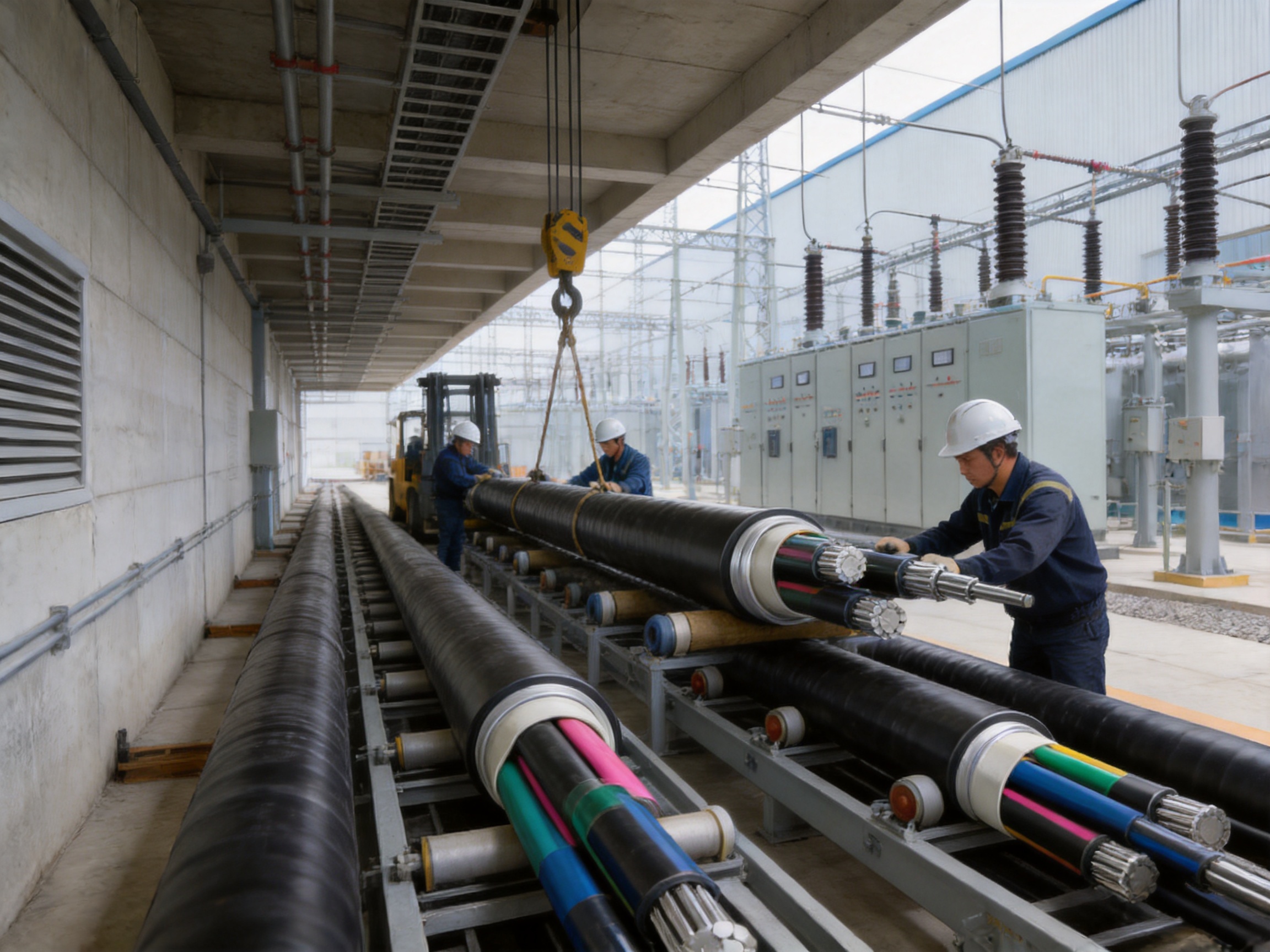
Cables should be transported on suitable drums or reels and protected from impact, moisture, contamination, and uncontrolled rolling. Drum direction should follow the markings. Before installation, the cable should be inspected for visible damage, correct identification, end sealing, and conformity with the delivery documents.
The pulling method should control maximum pulling tension and sidewall pressure. Rollers should be positioned at appropriate intervals, and the cable should not be dragged across rough ground or sharp edges. During installation, the cable should not be twisted, kinked, crushed, or bent below the specified minimum radius.
At cable ends, moisture protection should be maintained until termination. Terminations and joints must be selected for the conductor material, voltage class, insulation system, screen arrangement, and installation environment. Aluminum alloy conductors require connectors designed for compatible thermal expansion and electrical contact behavior.
After installation, the cable route should be checked for support, spacing, identification, grounding, fire stopping, and protection against mechanical damage. Testing and commissioning should be completed according to the applicable standard and project requirements before energization.
Project Selection Checklist
Customers evaluating this cable should first define the system voltage and operating conditions. The rated voltage must be compatible with the network, insulation coordination, transformer arrangement, switchgear, and protection system.
The required conductor cross-sectional area should be determined from continuous current, voltage drop, short-circuit current, installation method, ambient conditions, grouping, and future load growth. The number of cores and cable arrangement should match the system configuration.
The installation environment should be reviewed for indoor or outdoor use, direct burial, duct installation, cable tray, vertical riser, tunnel, industrial exposure, moisture, chemicals, ultraviolet radiation, vibration, fire risk, and mechanical impact.
Customers should also confirm the required standard, inspection plan, delivery length, drum size, marking language, documentation, certification, and any special construction. Early confirmation reduces the risk of redesign or delayed approval.
Frequently Asked Questions
What is an aluminum alloy conductor plastic insulated power cable?
It is a power cable that uses an aluminum alloy conductor to carry electrical current and a plastic insulation system, commonly cross-linked polyethylene, to provide electrical separation and thermal protection. An outer sheath protects the cable structure during installation and service.
What voltage range does the product cover?
The described product is designed for rated voltages up to 26/35kV. The supplied operating information also covers medium-voltage XLPE insulated cables from 3.6/6kV to 35kV and low-voltage cables rated at 0.6/1kV. The exact voltage rating must be confirmed for each order.
What are the main advantages of aluminum alloy conductors?
The main advantages include reduced weight, easier transportation and installation, useful mechanical strength, stable electrical performance, and efficient material utilization. The cable must still be correctly sized and terminated for the intended application.
Is this cable a direct replacement for a copper cable?
It may serve a similar power distribution function, but it should not be treated as an automatic direct replacement. Conductor size, ampacity, voltage drop, short-circuit withstand, termination hardware, installation conditions, and applicable standards must be reviewed by qualified engineers.
What insulation material is normally used?
The insulation layer commonly uses cross-linked polyethylene. XLPE provides stable electrical insulation, good heat resistance, and resistance to aging when manufactured and installed according to the applicable requirements.
What is the maximum long-term conductor temperature?
The maximum permissible long-term operating temperature of the conductor is 90°C for the medium-voltage and low-voltage XLPE cable characteristics provided. Actual current-carrying capacity depends on installation and environmental conditions.
What is the permitted short-circuit conductor temperature?
When the short-circuit duration does not exceed five seconds, the maximum allowable conductor temperature is 250°C according to the supplied technical information. The protection system must clear faults within the applicable design duration.
What is the minimum installation temperature?
The ambient temperature during installation should not be lower than 0°C. If installation in colder conditions is unavoidable, the manufacturer should be consulted for suitable handling procedures.
What bending radius is required?
For medium-voltage cables, the minimum bending radius is not less than 10 times the outside diameter for three-core cables and 15 times the outside diameter for single-core cables. For low-voltage cables, the minimum bending radius is not less than 7 times the outside diameter.
Can the product be manufactured according to IEC standards?
Yes. In addition to GB/T 31840-2025, the product can be manufactured and tested according to IEC, British, or American standards when required by the project. The governing standard should be confirmed before production.
What testing equipment is used during production?
The company uses production and testing equipment including online eccentricity monitors, high-voltage series resonance testers, and partial discharge detectors. These tools support control of insulation geometry, high-voltage withstand, and medium-voltage insulation quality.
Where can this cable be used?
Potential applications include urban power grids, industrial distribution systems, high-rise buildings, hospitals, hotels, public facilities, airports, tunnels, metro systems, light rail projects, underground parking facilities, power plants, petrochemical facilities, steel projects, commercial complexes, ships, and offshore platforms, subject to project-specific approval.
What information should be provided when requesting a quotation?
Customers should provide rated voltage, number of cores, conductor cross-sectional area, conductor material, insulation and sheath requirements, cable length, installation environment, applicable standard, fire-performance requirements, testing requirements, delivery destination, and documentation needs.
Supplier Capability and Service Support
Wuxi Guanghuan Cable Co., Ltd. was founded in 1998 and has developed a broad product portfolio covering power cables, electrical equipment wires and cables, bare conductors, overhead insulated cables, rail transit cables, energy storage cables, photovoltaic cables, and wind power cables. The company offers more than 100 product categories and more than 30,000 specifications under its registered Liguang brand.
The company has registered capital of RMB 400.8 million, covers more than 100,000 square meters, and has more than 45,000 square meters of building area. Its reported annual sales revenue is approximately RMB 2 billion, with annual output value exceeding RMB 3 billion. These resources support large-volume manufacturing as well as project-oriented production.
Its certifications and recognitions include quality, environmental, occupational health and safety, energy, intellectual property, green management, social responsibility, and after-sales service systems. Products have received CCC, TÜV, product carbon footprint, energy-saving, and environmentally friendly product certifications where applicable.
The company has also passed qualification and capability verification for power cables and conductors conducted by the State Grid Corporation of China. Its customer base includes power companies and major energy and engineering enterprises across China. This experience can support customers requiring technical communication, production coordination, inspection documentation, and after-sales assistance.
Conclusion
The aluminum alloy conductor plastic insulated power cable with rated voltages up to 26/35kV is a practical solution for modern medium-voltage and low-voltage power distribution systems. Its main strengths come from the combination of a lightweight aluminum alloy conductor, reliable plastic insulation, protective sheath construction, controlled thermal characteristics, and broad application flexibility.
Compared with many conventional cable options, the product can provide advantages in weight reduction, transportation, installation convenience, and resource utilization. Its cross-linked polyethylene insulation supports a 90°C maximum long-term conductor temperature and a 250°C short-circuit temperature for faults lasting no more than five seconds, subject to the applicable product and system requirements.
The manufacturing capabilities of Wuxi Guanghuan Cable Co., Ltd. further strengthen the product offering. More than 70 production and testing lines, online eccentricity monitoring, high-voltage series resonance testing, partial discharge detection, technical personnel, and certified management systems support consistent production and quality assurance.
For the best result, customers should select the cable through a complete engineering review. Rated voltage, conductor size, installation method, operating current, short-circuit conditions, bending radius, environmental exposure, fire performance, connection hardware, and applicable standards must all be considered. When correctly specified, manufactured, installed, and tested, this aluminum alloy conductor cable can provide dependable service in building projects, urban infrastructure, industrial facilities, transportation systems, and other demanding power applications.
References
GB/T 31840-2025, Power Cables with Rated Voltages up to and Including 35kV, applicable product standard information supplied for this article.
International Electrotechnical Commission, IEC standards for power cables with extruded insulation and related cable testing practices.
British Standards Institution, relevant British standards for power cables, electrical installations, and cable testing.
American cable and electrical installation standards, including applicable requirements for conductors, insulation systems, ampacity, and installation practices.
Wuxi Guanghuan Cable Co., Ltd., product information for aluminum alloy conductor plastic insulated power cables.
Wuxi Guanghuan Cable Co., Ltd., company information, manufacturing capabilities, quality systems, certifications, and technical equipment.
Product: Aluminum Alloy Conductor Plastic Insulated Power Cable (Rated Voltage up to 26/35kV)

-
Aluminum Alloy Conductor Plastic Insulated Power Cable (Rated Voltage up to 26/35kV)
-
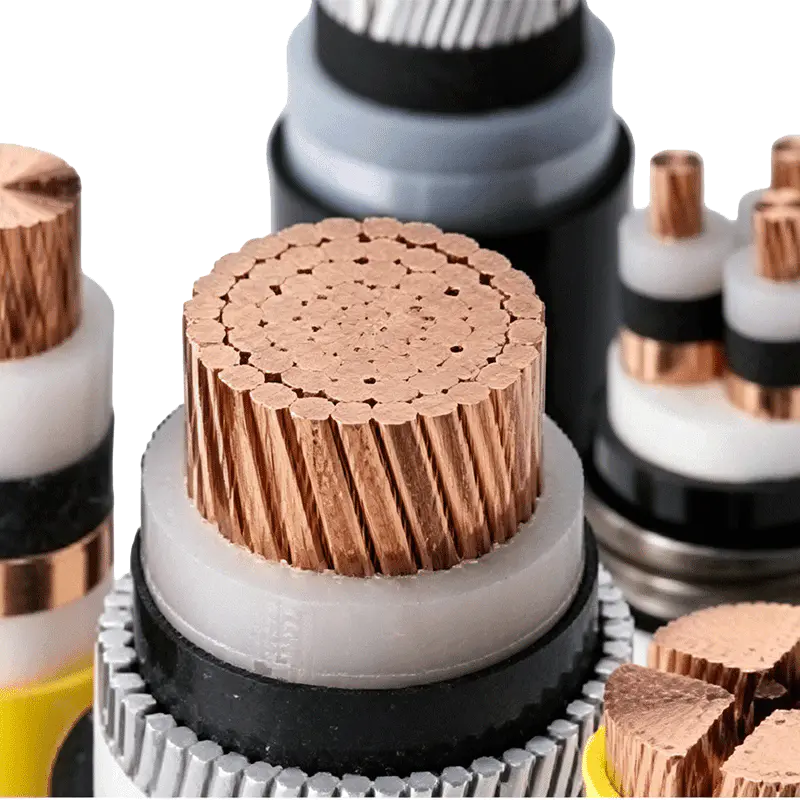
Rated Voltage 3.6/6kV–26/35kV XLPE Insulated Power Cable
-
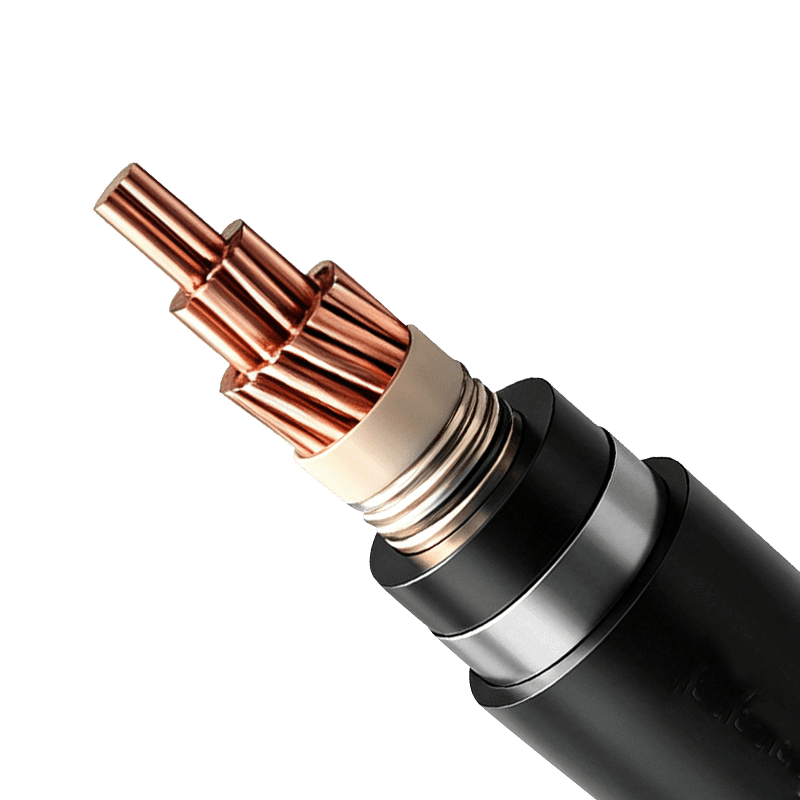
Power Cable for Subway and Urban Rail Transit (Rated Voltage 35kV)
-
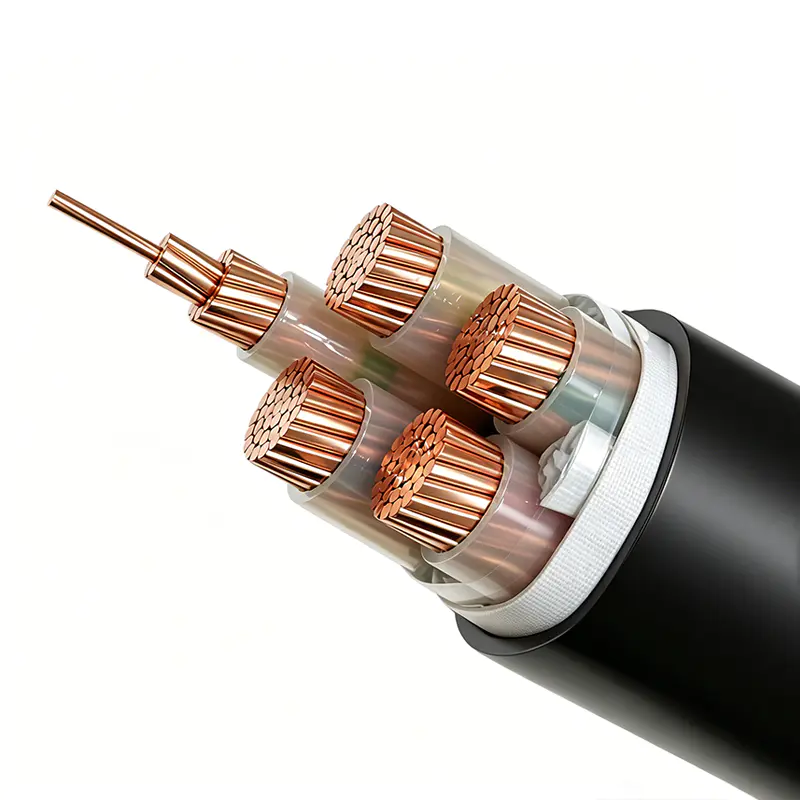
Rated Voltage 1.8/3kV XLPE Insulated Power Cable
-
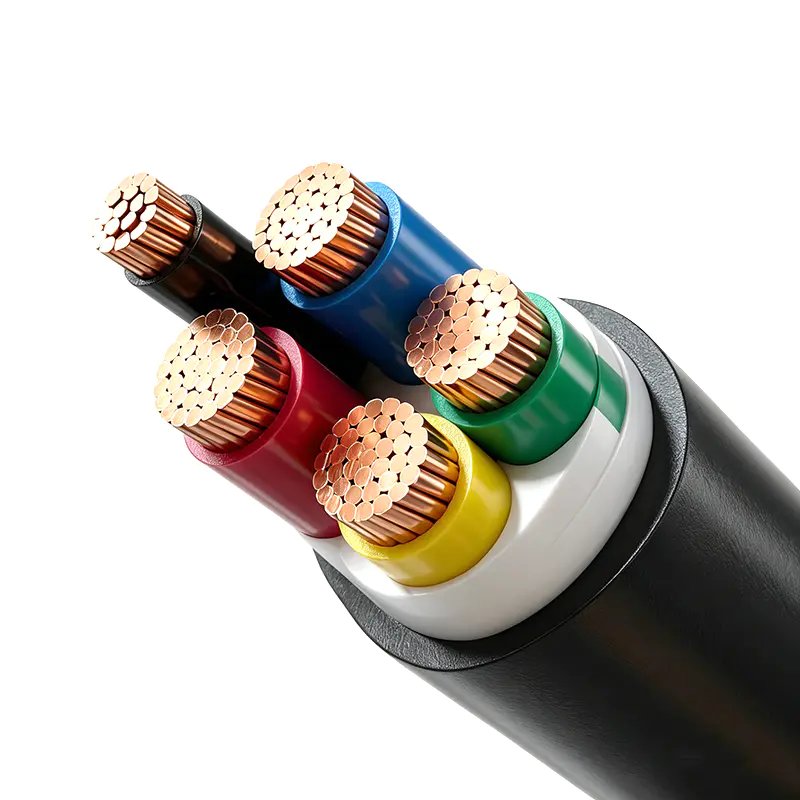
Rated Voltage 1.8/3kV PVC Insulated Power Cable

Copyright © Wuxi Guanghuan Cable Co., Ltd. All Rights Reserved. Power Cables Manufacturer Electrical Wire And Cable Factory

