


 English
 中文简体
 русский
 Español
 عربى

Aerial Insulated Cables for Reliable Overhead Power Distribution
Content
- 1 1. The Role of Aerial Insulated Cables in Modern Distribution Networks
- 2 2. Product Scope and Rated Voltage Options
- 3 3. Conductor Materials and Mechanical Design
- 4 4. Insulation Materials and Their Operating Benefits
- 5 5. Technical Performance in Difficult Environments
- 6 6. Product Configurations for Different Distribution Requirements
- 7 7. Type Designations and Product Selection
- 8 8. Compliance with National Standards and Technical Specifications
- 9 9. Manufacturing Strengths and Quality Control
- 10 10. Advantages Compared with Conventional Bare Conductors
- 11 11. Advantages Compared with Less Specialized Cable Solutions
- 12 12. Applications in Urban and Rural Power Networks
- 13 13. Installation and Project Planning Considerations
- 14 14. Maintenance and Long-Term Reliability
- 15 15. Sustainable and Efficient Infrastructure Benefits
- 16 16. Manufacturing and Service Capability
- 17 17. Recommended Selection Procedure
- 18 18. Frequently Asked Questions
- 18.1 What is an aerial insulated cable?
- 18.2 What voltage levels are available?
- 18.3 Which conductor materials can be selected?
- 18.4 Which insulation material provides the highest temperature rating?
- 18.5 Can these cables be installed in areas with trees?
- 18.6 Are steel-reinforced designs suitable for long spans?
- 18.7 What is the minimum bending radius?
- 18.8 Can the cables be used for temporary power facilities?
- 18.9 What standards are identified for the products?
- 18.10 How should a customer choose between PVC and XLPE?
- 19 19. Conclusion
- 20 References
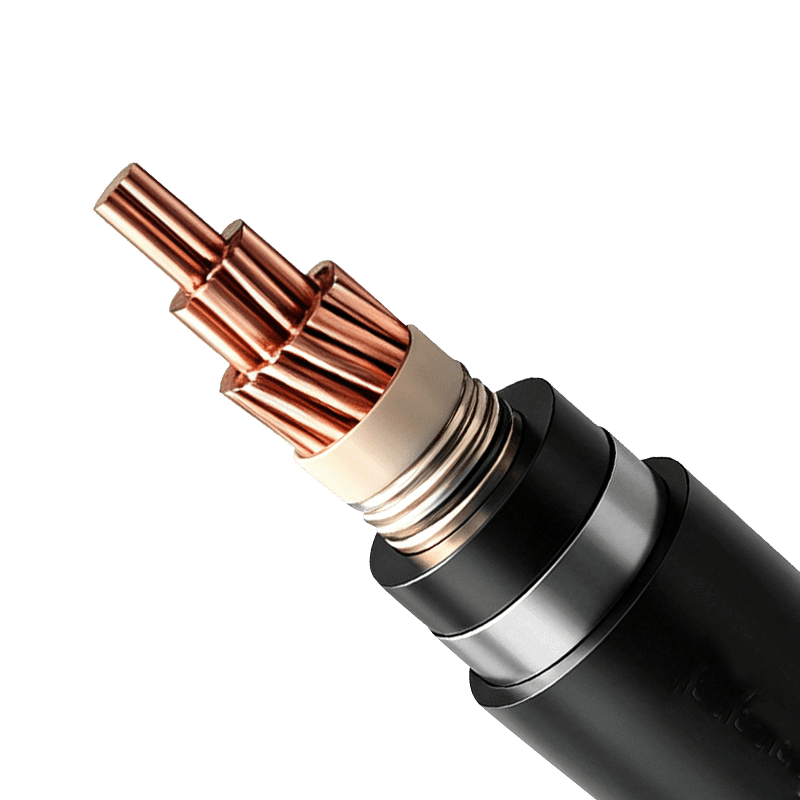
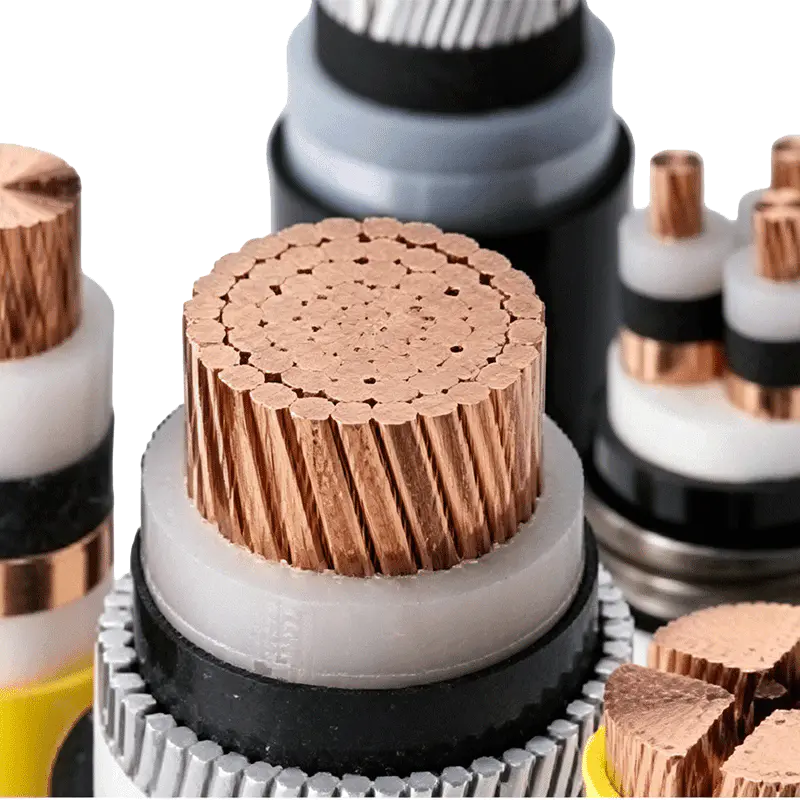
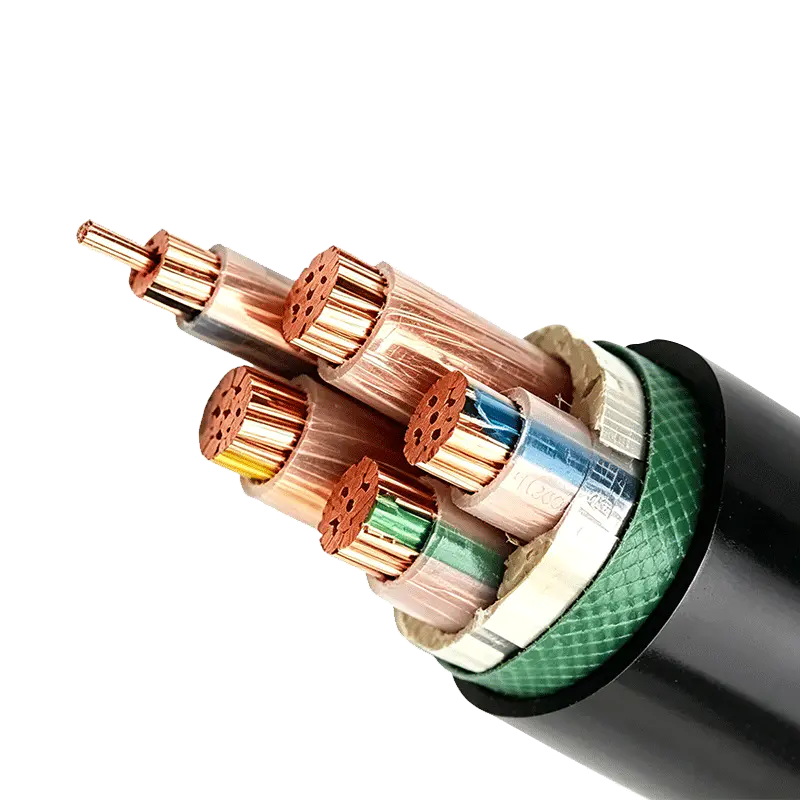
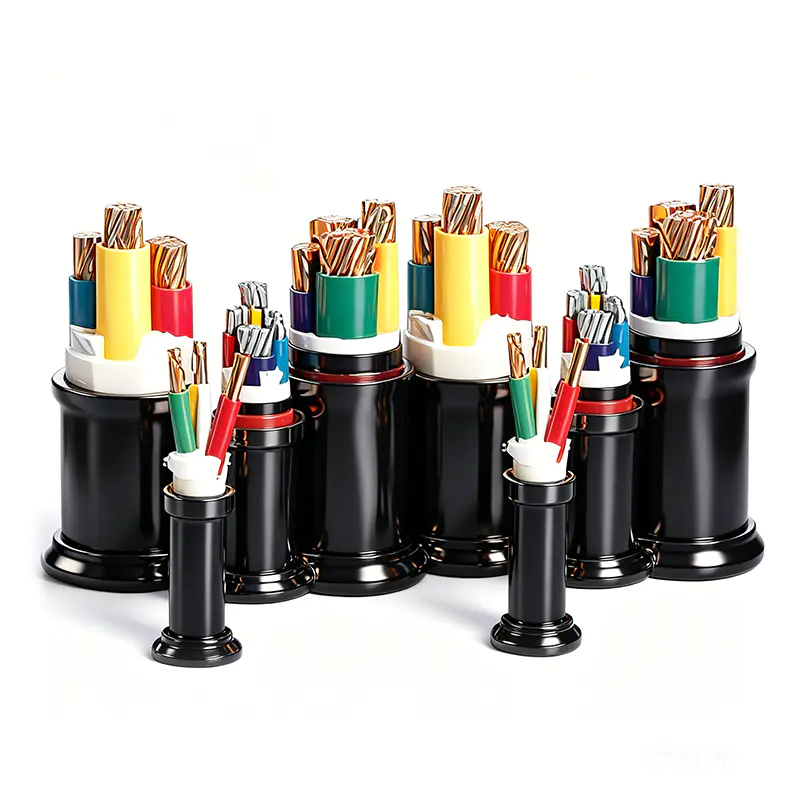
- 21 Product: Aerial Insulated Cable (Rated Voltage 1kV, 10kV, 20kV, 35kV)
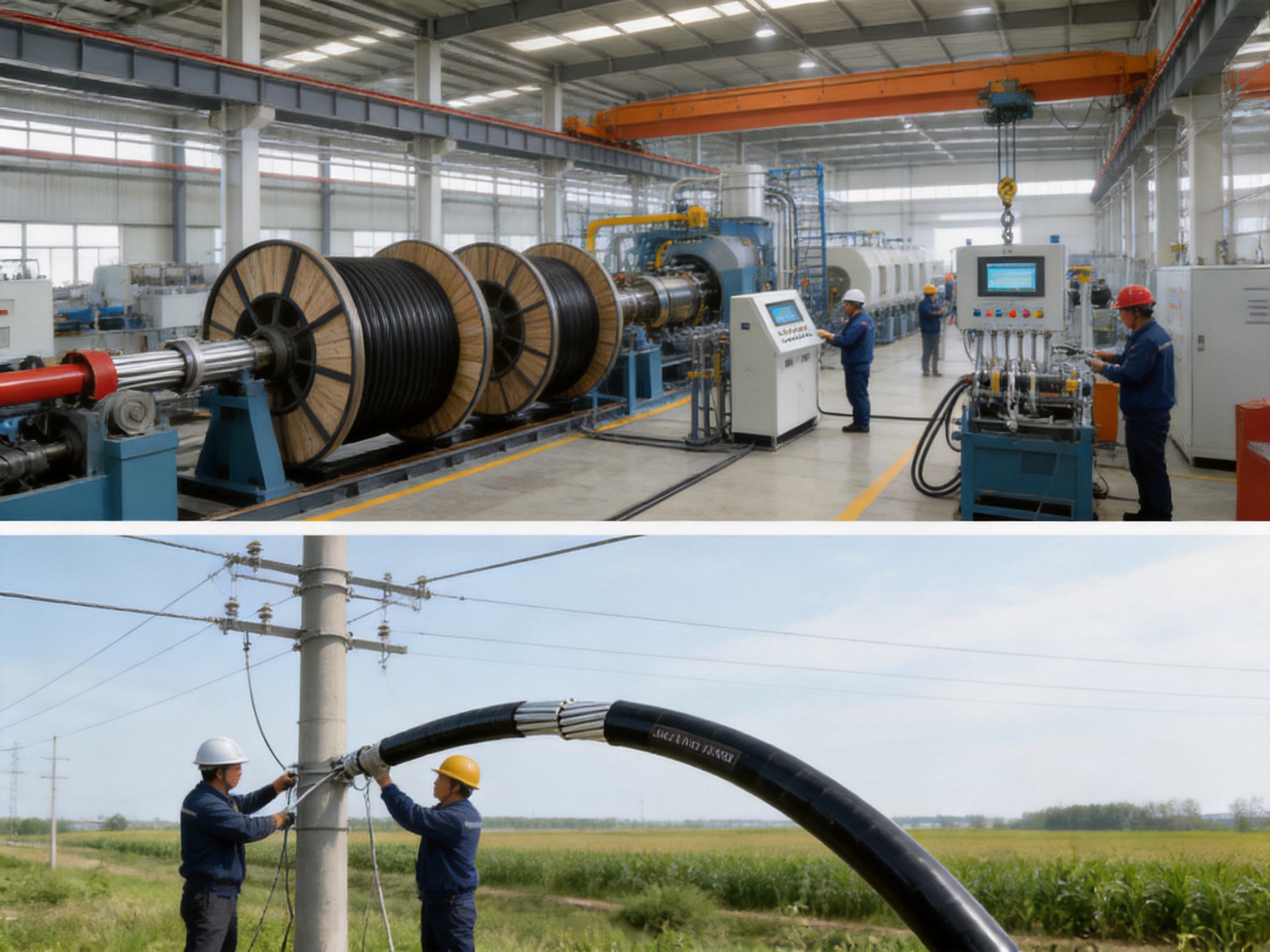
Aerial insulated cables provide a practical and dependable solution for overhead power distribution where conventional bare conductors or underground cables are not ideally suited. By combining the installation flexibility of overhead lines with the improved safety and environmental protection of insulated construction, these cables help utilities, contractors, and industrial users build more reliable distribution systems in complex operating environments.
The product range described in this article covers rated voltages of 1 kV, 10 kV, 20 kV, and 35 kV. It includes copper, aluminum, aluminum-alloy, and steel-reinforced conductor designs, together with PVC, polyethylene, high-density polyethylene, and cross-linked polyethylene insulation options. Single-core, multi-core, and parallel-bundled configurations are available to meet different requirements for current capacity, mechanical strength, installation conditions, and network design.
Manufactured by Wuxi Guanghuan Cable Co., Ltd., these aerial insulated cables are developed for urban distribution networks, rural electrification, service connections, forest and green-belt areas, scenic locations, temporary facilities, and other places where overhead lines must operate safely in restricted or environmentally sensitive spaces.
1. The Role of Aerial Insulated Cables in Modern Distribution Networks
Power distribution infrastructure must balance electrical performance, construction cost, safety, environmental impact, and ease of maintenance. Bare overhead conductors remain widely used because they are economical and relatively simple to install. However, bare conductors require sufficient clearance from trees, buildings, vehicles, and other objects. They may also be more vulnerable to line faults caused by vegetation, animals, windborne debris, and accidental contact.
Underground cables provide a high level of protection from external contact, but underground construction can require extensive excavation, traffic management, drainage considerations, civil engineering, and restoration work. In dense urban areas, forest zones, protected landscapes, and locations with limited construction space, underground installation may be expensive or technically difficult.
Aerial insulated cable occupies the practical middle ground between these two approaches. The cable remains suitable for overhead installation, while the insulation layer provides an additional protective barrier around the conductor. This construction can reduce the likelihood of faults caused by incidental contact with vegetation or wildlife and can improve electrical safety in areas where maintaining large clearances is difficult.
The result is a distribution product that is especially useful when a project requires the speed and flexibility of overhead construction without relying entirely on exposed conductors. The cables can be mounted on poles and other approved supporting structures for fixed overhead installation, service lines, distribution feeders, and connections to temporary electrical facilities.
2. Product Scope and Rated Voltage Options
The product family supports a broad range of network applications. The 1 kV range is intended primarily for low-voltage overhead distribution, service lines, and fixed overhead installations. The 10 kV range is designed for medium-voltage distribution systems and can be supplied in standard and lightweight thin-insulated forms. The 20 kV and 35 kV ranges address higher-voltage distribution requirements and are offered in both non-reinforced and steel-reinforced constructions.
Rated voltage |
Typical application scope |
Available construction characteristics |
1 kV |
Low-voltage overhead distribution, service lines, and fixed installations |
Single-core, two-core, three-core, four-core, and parallel-bundled designs; copper, aluminum, or aluminum alloy conductors; PVC, polyethylene, or XLPE insulation |
10 kV |
Medium-voltage overhead distribution feeders and networks near vegetation or dense development |
Standard and lightweight thin-insulated designs; copper, aluminum, or aluminum alloy conductors; optional steel-reinforced load-bearing structures |
20 kV |
Higher-voltage distribution networks and fixed overhead lines |
Polyethylene or XLPE insulation; copper or aluminum conductors; steel-reinforced aluminum designs |
35 kV |
Higher-voltage distribution and long-distance overhead feeder applications |
Polyethylene or XLPE insulation; copper or aluminum conductors; load-bearing aluminum conductors with steel reinforcement |
The stated production range includes nominal conductor sections from 10 mm² to 400 mm² for selected 1 kV and 10 kV configurations. For 20 kV and 35 kV products, nominal sections from 10 mm² to 300 mm² are listed for single-conductor designs, while multi-conductor arrangements include sections from 25 mm² to 300 mm². Final conductor size should be selected according to load current, voltage drop, span length, ambient conditions, short-circuit requirements, and applicable installation regulations.
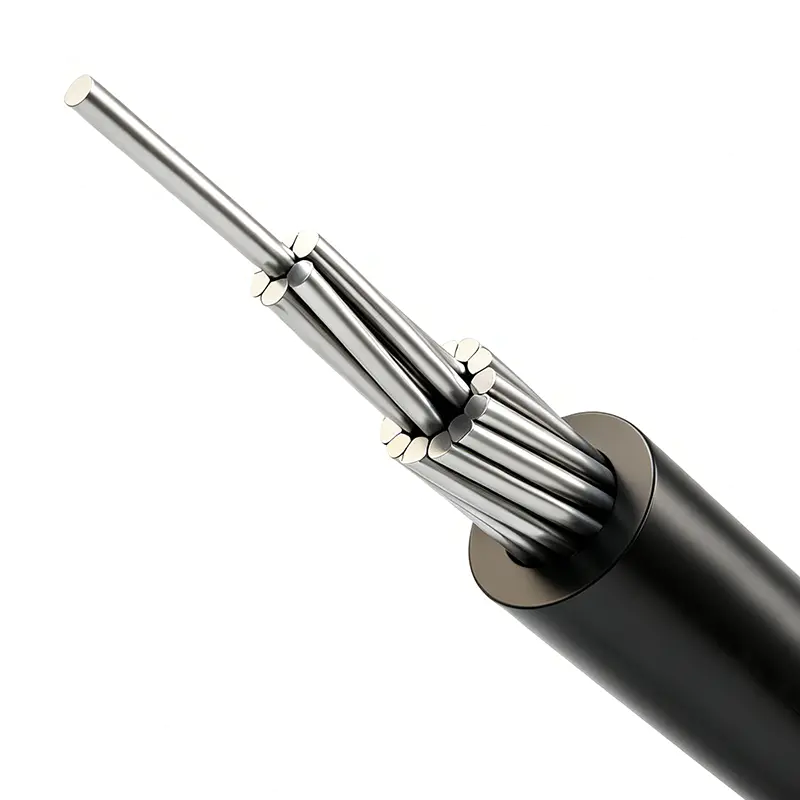
Aerial Insulated Cable (Rated Voltage 1kV, 10kV, 20kV, 35kV)
3. Conductor Materials and Mechanical Design
3.1 Copper Conductors
Copper conductors are suitable for projects that prioritize high conductivity, compact conductor dimensions, and strong electrical performance. Copper has a low electrical resistivity and can provide efficient transmission in service connections, distribution circuits, and applications where space is limited.
Copper is also mechanically robust and can be used in a range of insulated overhead cable designs. It is particularly appropriate where the installation requires a compact conductor with stable electrical characteristics or where the designer prefers copper for connection compatibility with existing equipment.
3.2 Aluminum Conductors
Aluminum conductors offer a favorable combination of conductivity, low density, and cost efficiency. Their lower weight can reduce the mechanical burden placed on poles, crossarms, fittings, and support structures. Aluminum is therefore widely used for overhead distribution systems, especially when long spans or large conductor sections are involved.
The aluminum conductor options in this product family are available in several constructions, including insulated conductors without a separate steel load-bearing core and reinforced designs intended for higher mechanical demands. Proper selection of alloy, stranded construction, and supporting hardware is essential for achieving the required sag and tension performance.
3.3 Aluminum-Alloy Conductors
Aluminum-alloy conductors are available for projects requiring a balance between low weight, electrical conductivity, and enhanced mechanical performance. Alloy conductors can be advantageous where the line design includes longer spans, greater installation tension, or more demanding environmental loading.
The use of aluminum alloy provides an additional option for engineers who need to optimize the relationship between conductor weight, tensile strength, thermal capability, and line geometry. Selection should be based on the complete mechanical design rather than conductor material alone.
3.4 Steel-Reinforced Load-Bearing Designs
For long spans, high wind exposure, or installations with increased mechanical loads, the product range includes aluminum or aluminum-alloy conductors reinforced with a steel load-bearing core. The steel component contributes tensile strength, while the surrounding conducting strands provide the electrical path.
These reinforced constructions can help control sag and improve the mechanical stability of overhead lines. They are suitable for applications where the cable must withstand greater tension or where support points are widely spaced. The final design must account for span length, wind pressure, ice loading where applicable, installation temperature, conductor tension, and the characteristics of poles and fittings.
4. Insulation Materials and Their Operating Benefits
4.1 PVC Insulation
PVC-insulated 1 kV aerial cables are intended for conventional low-voltage distribution applications. PVC provides a practical and economical insulation system for service lines and fixed overhead installations. Its maximum continuous operating temperature is specified as 70°C in the supplied technical information.
PVC designs are appropriate when the project requires reliable insulation and a cost-effective solution under ordinary operating conditions. They should be selected with consideration for ambient temperature, current loading, solar heating, installation spacing, and the requirements of the applicable standard.
4.2 Polyethylene and High-Density Polyethylene
Polyethylene-based insulation provides useful weather resistance and dielectric performance for overhead applications. The supplied product information identifies polyethylene and high-density polyethylene as available insulation materials. HDPE is specified with a maximum continuous operating temperature of 75°C.
Polyethylene insulation is valuable for outdoor lines because aerial cables are exposed to sunlight, moisture, temperature variation, wind, dust, and occasional contact with vegetation. The material selection can be adapted to the voltage class and mechanical construction of the cable.
4.3 Cross-Linked Polyethylene
XLPE is the highest-temperature insulation option in the listed range, with a maximum continuous operating temperature of 90°C. It also provides strong mechanical performance and is widely used where the distribution network requires higher thermal capability.
Under short-circuit conditions lasting no more than five seconds, XLPE insulation can withstand an instantaneous conductor temperature of up to 250°C according to the supplied technical information. This capability helps the cable tolerate short-duration fault conditions, although the complete protection system must still be designed to clear faults quickly and safely.
XLPE designs are offered at 1 kV, 10 kV, 20 kV, and 35 kV. They are particularly suitable for distribution systems that experience variable loading, higher operating temperatures, demanding environmental conditions, or the need for additional thermal margin.
Insulation material |
Maximum continuous operating temperature |
Typical characteristics |
PVC |
70°C |
Economical insulation for conventional low-voltage overhead distribution |
PE |
70°C |
Suitable for standard distribution configurations and outdoor use |
HDPE |
75°C |
Enhanced weather resistance and dielectric performance |
XLPE |
90°C |
Higher thermal capability, strong mechanical performance, and short-circuit temperature resistance up to 250°C for five seconds |
5. Technical Performance in Difficult Environments
Aerial distribution lines are exposed to changing weather and external influences throughout their service life. The product is designed for stable operation across an ambient temperature range of approximately -40°C to +40°C. Cable installation is specified for temperatures no lower than -20°C.
These limits are important during project planning. At low temperatures, insulation flexibility, handling procedures, bending force, and installation tension must be considered. At high ambient temperatures, current-carrying capacity and heat dissipation become more significant. Solar radiation, wind, conductor spacing, and the thermal characteristics of the installation site can all affect the cable's actual operating temperature.
Insulation also provides a barrier against incidental contact. In wooded areas and green belts, tree branches may approach or touch overhead lines. In urban environments, buildings, signs, and other structures may restrict available clearance. In areas with frequent bird activity, the insulated surface can reduce the likelihood of certain contact-related faults compared with exposed conductors.
Insulation does not eliminate the need for correct line design, vegetation management, protective devices, or statutory clearances. Instead, it adds an important layer of protection that can improve network resilience when used as part of a properly engineered system.
5.1 Bending Performance
Correct bending practice is essential for protecting the conductor and insulation. For 1 kV cables, the minimum bending radius is specified between four times and six times the cable outer diameter, depending on the cable construction and outer diameter.
For 10 kV, 20 kV, and 35 kV cables, the minimum bending radius is specified as not less than 20(D+d) for single-core structures and 15(D+d) for multi-core structures. In this expression, D and d represent the relevant cable dimensions used for the applicable construction.
Installers should avoid sharp bends, localized crushing, excessive pulling tension, and contact with rough edges. Bending radius requirements should be confirmed against the product's technical data sheet and the approved installation method before work begins.
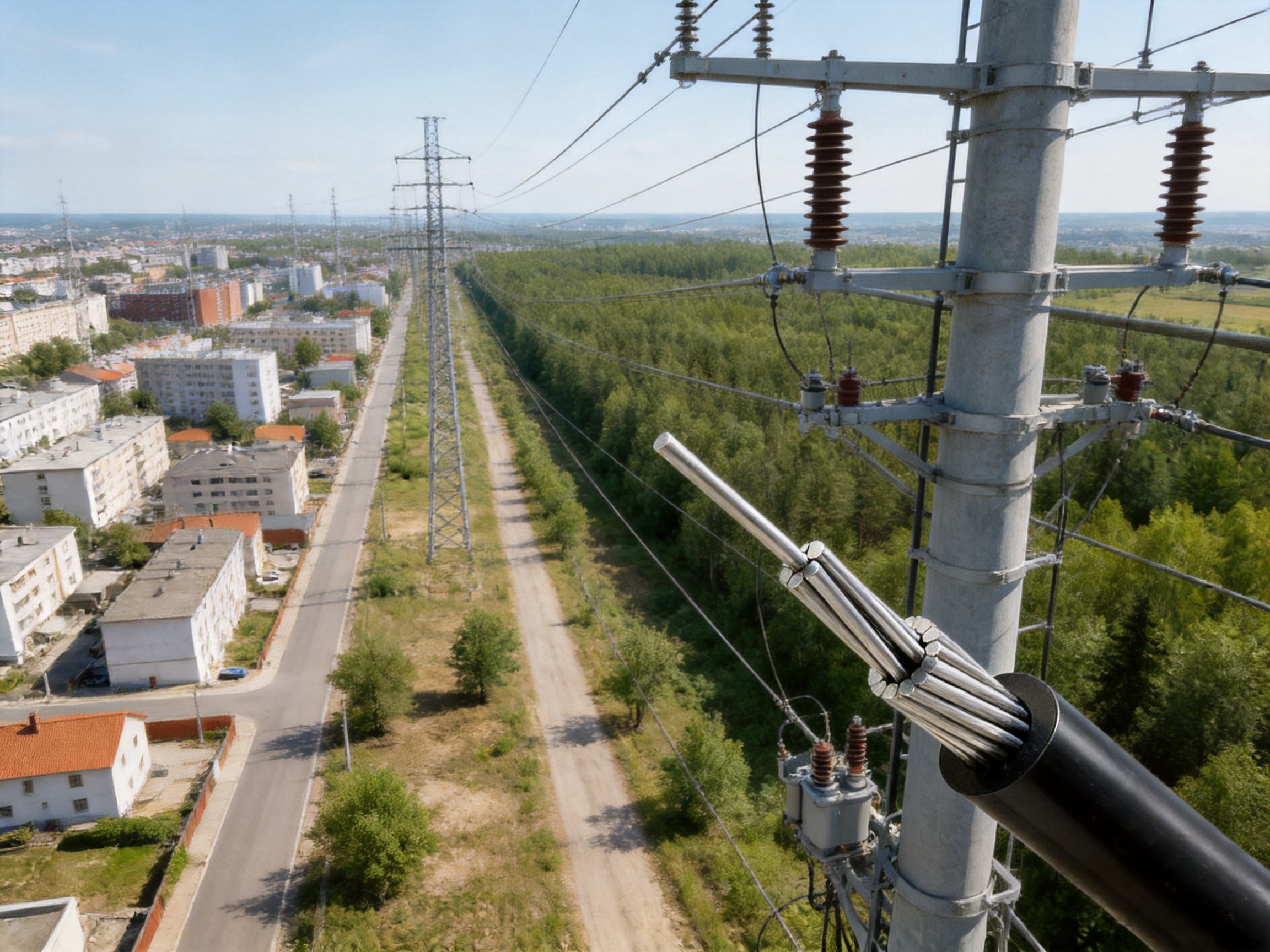
6. Product Configurations for Different Distribution Requirements
6.1 Single-Core Insulated Overhead Cables
Single-core designs are available across several voltage classes. They offer flexibility in phase arrangement, line layout, and accessory selection. A single-core arrangement can be useful where the network design requires independent phase conductors, specialized spacing, or compatibility with existing overhead hardware.
At 1 kV, single-core cables are available with copper, aluminum, or aluminum-alloy conductors and PVC, polyethylene, or XLPE insulation. At higher voltages, single-core designs are offered with polyethylene or XLPE insulation, including optional steel-reinforced load-bearing constructions.
6.2 Multi-Core and Parallel-Bundled Low-Voltage Cables
For 1 kV applications, the product family includes two-core and four-core square parallel-bundled constructions. These arrangements can simplify low-voltage distribution and service-line installation by grouping the conductors into a compact overhead assembly.
Parallel bundling can reduce the required corridor width and provide a more organized installation compared with individually spaced conductors. The final arrangement must be matched with compatible suspension, anchoring, piercing, connection, and termination accessories.
6.3 Lightweight Thin-Insulated 10 kV Designs
The 10 kV range includes lightweight thin-insulated options identified by the “/Q” designation in the supplied type list. These designs are intended for applications where reduced insulation thickness and lower overall weight are beneficial, subject to the applicable technical requirements.
Lightweight construction can assist projects involving restricted support capacity, difficult access, or long installation routes. However, cable selection must consider the complete system, including electrical insulation coordination, mechanical loads, accessories, clearances, and environmental exposure.
7. Type Designations and Product Selection
The listed product types use combinations of letters to identify conductor material, insulation, reinforcement, and construction. For example, JK designs generally identify insulated overhead cables, while the letters associated with PVC, polyethylene, or XLPE indicate the insulation material. L and LH variations identify aluminum or aluminum-alloy conductor options, while JKL(H) designs identify load-bearing constructions using a steel conductor.
At 1 kV, the product range includes JK(L,LH)V, JK(L,LH)Y, and JK(L,LH)YJ for copper, aluminum, or aluminum-alloy conductors with PVC, polyethylene, or XLPE insulation. Reinforced versions include JKL(H)GV, JKL(H)GY, and JKL(H)GYJ. BS1 and BS3 designs represent four-core and two-core square parallel-bundled options.
At 10 kV, available types include JK(L,LH)Y, JK(L,LH)YJ, JK(L,LH)Y/Q, and JK(L,LH)YJ/Q. Reinforced types include JKL(H)GY, JKL(H)GYJ, JKL(H)GY/Q, and JKL(H)GYJ/Q.
At 20 kV and 35 kV, the range includes JK(L)Y and JK(L)YJ for copper or aluminum conductors, together with JKLGY and JKLGYJ for steel-reinforced aluminum conductor designs. Project engineers should verify the exact designation, conductor class, insulation thickness, electrical properties, and dimensional data before placing an order.
8. Compliance with National Standards and Technical Specifications
The manufacturing and research processes for these aerial insulated cables comply with GB/T 12527-2008 and GB/T 14049-2008. The products also meet the requirements of Q/320282 GAD023 and Q/320282 GAD061.
Compliance with recognized standards provides a structured basis for evaluating conductor resistance, insulation performance, dimensions, mechanical characteristics, voltage withstand, aging behavior, and other relevant properties. It also supports consistent production and quality control across different cable constructions.
For an actual project, the purchaser should confirm which standard applies to the selected voltage class and configuration. Additional requirements may be imposed by the utility, engineering consultant, installation authority, or local electrical regulations. Product documentation should be reviewed together with the network design and procurement specification.
9. Manufacturing Strengths and Quality Control
Aerial insulated cable performance depends not only on the selected materials but also on manufacturing consistency. Conductor stranding, insulation extrusion, concentricity, surface quality, dimensional control, and testing discipline all influence long-term reliability.
Wuxi Guanghuan Cable Co., Ltd. operates more than 70 production and testing lines. Its facilities cover more than 100,000 square meters, including more than 45,000 square meters of building area. The company employs technical professionals who support product development, process optimization, testing, and customer service.
During conductor production, strands must be correctly formed and compacted to achieve the intended cross-sectional area, flexibility, conductivity, and tensile performance. For steel-reinforced designs, the steel core and conducting layers must be assembled with controlled alignment and tension. These factors affect the finished cable's mechanical behavior during installation and operation.
During insulation extrusion, stable temperature, pressure, material flow, and line speed are important for achieving a uniform insulation layer. Excessive eccentricity can reduce the electrical margin on one side of the cable, while surface defects or contamination may compromise performance. Online eccentricity monitoring helps identify dimensional deviations during production rather than relying only on final inspection.
High-voltage series resonance testing and partial discharge detection provide additional tools for evaluating insulation integrity. These tests can help identify weaknesses that may not be visible through ordinary dimensional inspection. The use of advanced testing equipment supports a more comprehensive approach to quality assurance.
The company's management systems include ISO 9001 quality management, ISO 14001 environmental management, ISO 45001 occupational health and safety management, and ISO 50001 energy management. It also maintains systems covering intellectual property, green management, social responsibility, and after-sales service.
These systems are significant because cable quality depends on the entire production organization. Procurement controls, process documentation, equipment maintenance, calibration, operator training, traceability, inspection records, and corrective action all contribute to the consistency of the final product.
10. Advantages Compared with Conventional Bare Conductors
The most direct advantage of an aerial insulated cable over a bare conductor is the presence of a continuous insulation layer. This layer can reduce the risk of faults resulting from incidental contact with branches, birds, and other external objects. It can also improve safety in locations where people or structures are closer to the line than would be desirable for exposed conductors.
Insulated construction can support narrower or more flexible overhead line corridors, subject to applicable regulations and clearance requirements. This is particularly useful in dense urban districts, forest edges, green belts, scenic areas, and locations where widening the right-of-way would be difficult.
Aerial insulated cables may also reduce some line-tripping events associated with vegetation contact. When properly selected and installed, the cable can continue operating in conditions where a bare conductor would be more vulnerable to a phase-to-ground or phase-to-phase fault.
Another advantage is the availability of several insulation materials and conductor constructions. A project can select PVC for a cost-sensitive low-voltage application, XLPE for higher thermal performance, aluminum for reduced weight, copper for compact high-conductivity designs, or steel-reinforced aluminum for higher mechanical strength.
Compared with underground cables, aerial insulated cables generally offer simpler route inspection and easier access for maintenance. They can also reduce excavation and civil construction requirements. This can make them attractive for emergency restoration, temporary facilities, rural extensions, and projects where underground installation is impractical.
11. Advantages Compared with Less Specialized Cable Solutions
Aerial installation places special demands on a cable. A product designed only for indoor wiring or ordinary fixed electrical equipment may not provide the required resistance to weather, mechanical tension, ultraviolet exposure, temperature changes, or overhead installation forces.
The product range described here is specifically configured for overhead distribution. It combines appropriate conductor structures, outdoor insulation materials, available reinforcement options, and voltage-specific designs. This specialization helps engineers avoid using a general-purpose cable in an environment for which it was not designed.
The broad voltage range is another practical advantage. A supplier capable of providing 1 kV through 35 kV products can support multiple parts of a distribution project with compatible design principles and technical documentation. This can simplify procurement, engineering coordination, spares management, and service support.
The availability of both standard and lightweight 10 kV products allows the line designer to evaluate trade-offs between insulation thickness, cable mass, mechanical loading, and installation requirements. The combination of copper, aluminum, aluminum alloy, and steel-reinforced structures further expands the available design options.
12. Applications in Urban and Rural Power Networks
12.1 Dense Urban Areas
Urban power networks often face narrow corridors, existing buildings, traffic restrictions, and numerous buried or overhead utilities. Aerial insulated cables can provide an overhead distribution option where conventional bare conductors require greater clearance or where underground construction would cause excessive disruption.
Low-voltage 1 kV cables can be used for service lines and local distribution. Medium-voltage 10 kV, 20 kV, and 35 kV designs can support feeder extensions and network reinforcement, provided that the system is designed with suitable terminations, switching equipment, surge protection, and clearances.
12.2 Forests, Green Belts, and Scenic Areas
Vegetation is a common source of overhead line faults. Branches can touch conductors during wind, trees may grow into the line corridor, and maintenance access can be limited in protected or scenic areas. Insulated overhead cables help reduce the electrical consequences of incidental tree contact and may support a more practical route through sensitive areas.
They do not replace vegetation management or safe working procedures. Trees must still be assessed, maintained, and kept within applicable clearance limits. Nevertheless, the additional insulation barrier can improve operational resilience where complete removal of vegetation is undesirable or impossible.
12.3 Rural Distribution and Service Connections
Rural networks may involve long spans, variable terrain, dispersed loads, and limited access for construction. Aluminum or aluminum-alloy conductors can reduce line weight, while steel-reinforced designs can provide increased tensile strength where span conditions are demanding.
At the low-voltage level, two-core and four-core parallel-bundled designs can simplify service-line construction. At medium voltage, single-core insulated conductors can support feeder extensions and local distribution improvements.
12.4 Temporary Electrical Facilities
Construction sites, temporary work areas, emergency power restoration projects, and seasonal facilities may require an overhead cable system that can be deployed more quickly than an underground network. The product range includes configurations suitable for power transmission links and temporary electrical installations, subject to the requirements of the project and local authority.
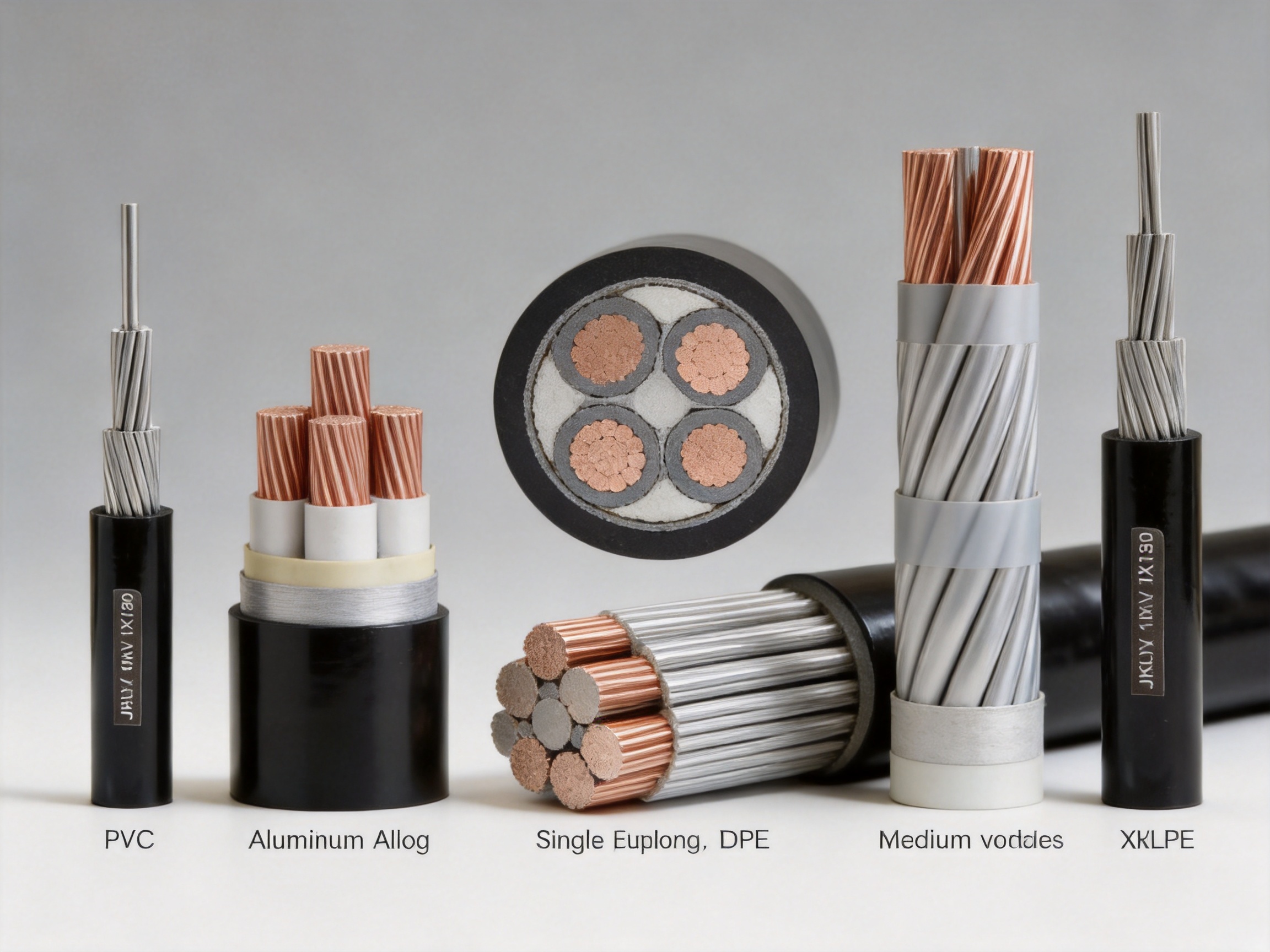
13. Installation and Project Planning Considerations
Successful installation begins with correct electrical and mechanical selection. Engineers should determine the expected load current, voltage level, fault current, route length, voltage drop, ambient temperature, solar exposure, span length, wind loading, and support arrangement.
Conductor size should not be selected solely from normal operating current. Emergency loading, short-circuit withstand, future capacity requirements, and voltage regulation may also influence the choice. XLPE products can provide additional thermal margin, but the allowable ampacity remains dependent on the complete installation environment.
Support structures and fittings must be compatible with the cable diameter, weight, tension, and insulation system. Suspension clamps, dead-end clamps, spacers, connectors, and terminations should be selected as a coordinated system. Improper hardware can damage the insulation or impose excessive stress on the conductor.
During handling, cable drums should be transported and stored in a manner that prevents impact, water ingress, flange damage, and uncontrolled rolling. Pulling equipment should be selected to control tension and prevent excessive sidewall pressure. The cable should not be dragged across abrasive surfaces or forced around bends smaller than the specified minimum radius.
Before energization, the installed line should be inspected for visible insulation damage, incorrect sag, poor connections, inadequate clearances, and defects in support hardware. Electrical tests should be performed according to the applicable standard, utility procedure, and project specification.
14. Maintenance and Long-Term Reliability
One of the practical benefits of overhead installation is the ability to inspect the route and supporting structures. Maintenance teams can examine cable surfaces, connections, clamps, insulators, poles, crossarms, and vegetation conditions without extensive excavation.
Routine inspection should consider signs of abrasion, thermal discoloration, mechanical damage, contamination, animal activity, corrosion of metallic components, and movement caused by wind or vibration. Particular attention should be given to terminations and connection points, where localized heating or mechanical stress may occur.
Vegetation management remains important even when insulated cables are used. Insulation reduces the likelihood of certain faults but does not make an overhead line immune to mechanical damage, sustained pressure, fire, falling trees, or severe weather.
Thermal loading should also be reviewed when network demand changes. New buildings, electric vehicle charging, heat pumps, industrial equipment, and distributed energy resources can increase current demand. Periodic load assessment helps confirm that the installed cable remains suitable for the service conditions.
15. Sustainable and Efficient Infrastructure Benefits
Aerial insulated cables can support more efficient infrastructure planning by reducing the need for extensive excavation in suitable applications. Less excavation may reduce construction disturbance, road restoration, traffic disruption, and the use of civil engineering materials.
The lightweight options and aluminum conductor designs can reduce the mass of cable transported and installed. The use of high-performance XLPE insulation can also provide greater thermal capability, potentially allowing a more efficient design when evaluated with the full electrical and mechanical system.
Environmental benefits depend on the complete project. Route selection, material production, installation methods, maintenance requirements, and end-of-life recycling all influence overall environmental performance. The manufacturer's ISO 14001 environmental management and ISO 50001 energy management systems provide an organizational framework for controlling environmental and energy-related impacts during manufacturing.
Aluminum and copper conductors may be recoverable at the end of service, while insulation materials require appropriate handling and recycling or disposal procedures. Project owners should include end-of-life considerations in procurement and asset-management planning.
16. Manufacturing and Service Capability
Wuxi Guanghuan Cable Co., Ltd. was founded in 1998 and is headquartered in Guanlin Town, Yixing City, Jiangsu Province, an area recognized for its cable manufacturing industry. The company has registered capital of RMB 400.8 million and provides products across power cables, electrical equipment wires and cables, bare conductors, overhead insulated cables, rail transit cables, and renewable-energy cable applications.
Its product portfolio includes more than 100 categories and more than 30,000 specifications under the Liguang brand. This breadth is relevant to aerial insulated cable customers because distribution projects often require more than one cable family. A supplier with capabilities in power, equipment, special, and energy-related cables can help coordinate related procurement requirements.
The company reports annual sales revenue of approximately RMB 2 billion and annual output value exceeding RMB 3 billion. It serves power companies and major energy and engineering enterprises across China and has passed qualification and capability verification for power cables and conductors conducted by the State Grid Corporation of China.
In addition to manufacturing, the company emphasizes technical support and after-sales service. For specialized overhead cable projects, service quality includes assistance with product selection, technical data, installation guidance, documentation, testing coordination, and response to field questions.
17. Recommended Selection Procedure
The first step is to define the system voltage and network function. A service line, low-voltage feeder, medium-voltage distribution line, and 35 kV overhead feeder will require different cable constructions and accessories.
The second step is to select the conductor material. Copper may be preferred for compact dimensions and high conductivity. Aluminum may be chosen for lower weight and cost efficiency. Aluminum alloy or steel-reinforced aluminum may be more appropriate for higher mechanical requirements.
The third step is to select the insulation. PVC and polyethylene can be suitable for conventional applications, while HDPE may be considered where weather resistance and dielectric performance are important. XLPE is appropriate where higher continuous operating temperature and stronger thermal performance are required.
The fourth step is to determine whether a single-core, multi-core, parallel-bundled, or load-bearing construction is needed. This decision should reflect the network layout, span length, support capacity, available corridor, installation equipment, and maintenance strategy.
The fifth step is to confirm the nominal conductor section. Current-carrying capacity, voltage drop, short-circuit requirements, mechanical loading, and future expansion should all be evaluated.
The final step is to confirm standards, accessories, testing, packaging, delivery, and installation requirements. The cable should be ordered with complete technical documentation and a clearly defined inspection plan.
18. Frequently Asked Questions
What is an aerial insulated cable?
An aerial insulated cable is a conductor designed for overhead fixed installation with an insulation layer surrounding the conducting element. It provides an alternative to bare overhead conductors and underground cables in suitable distribution applications.
What voltage levels are available?
The described product range covers 1 kV, 10 kV, 20 kV, and 35 kV rated voltage classes. The appropriate voltage class must match the electrical system and the applicable standard.
Which conductor materials can be selected?
Available conductor materials include copper, aluminum, and aluminum alloy. Steel-reinforced aluminum or aluminum-alloy structures are available when higher tensile strength and load-bearing performance are required.
Which insulation material provides the highest temperature rating?
XLPE provides the highest listed continuous operating temperature, rated at 90°C. PVC and polyethylene are rated at 70°C, while HDPE is rated at 75°C according to the supplied technical information.
Can these cables be installed in areas with trees?
They are particularly suitable for distribution routes near trees, forests, and green belts because insulation can reduce the likelihood of some faults caused by incidental contact. However, required clearances, vegetation management, and safe installation practices remain necessary.
Are steel-reinforced designs suitable for long spans?
Steel-reinforced designs are intended for applications requiring increased tensile strength and load-bearing capability. Their suitability depends on span length, wind and environmental loading, sag requirements, support structures, and the complete line design.
What is the minimum bending radius?
For 1 kV cables, the minimum bending radius is specified between 4D and 6D depending on the outer diameter and construction. For 10 kV, 20 kV, and 35 kV cables, the specified minimum is not less than 20(D+d) for single-core structures and 15(D+d) for multi-core structures.
Can the cables be used for temporary power facilities?
Yes. The product range is suitable for various overhead distribution, service-line, and temporary electrical facility applications when the voltage, conductor size, mechanical design, and installation method are correctly selected.
What standards are identified for the products?
The supplied information identifies GB/T 12527-2008, GB/T 14049-2008, Q/320282 GAD023, and Q/320282 GAD061. The applicable standard should be confirmed for the exact product type and project.
How should a customer choose between PVC and XLPE?
PVC may be suitable for conventional low-voltage applications where a 70°C continuous operating temperature is adequate. XLPE is preferable when the project requires a 90°C continuous operating temperature, higher thermal margin, or improved short-circuit temperature performance.
19. Conclusion
Aerial insulated cables offer a balanced approach to overhead power distribution. They retain the installation flexibility and accessibility of overhead systems while adding insulation that can improve safety, reduce certain contact-related faults, and support distribution in locations where bare conductors are difficult to use.
The product range covers 1 kV through 35 kV and provides multiple conductor, insulation, and structural options. Copper, aluminum, aluminum alloy, and steel-reinforced designs address different electrical and mechanical requirements. PVC, polyethylene, HDPE, and XLPE insulation allow engineers to optimize thermal performance, weather resistance, dielectric properties, and cost.
The manufacturing capabilities of Wuxi Guanghuan Cable Co., Ltd. strengthen the product offering. More than 70 production and testing lines, online eccentricity monitoring, high-voltage resonance testing, partial discharge detection, recognized management systems, and extensive cable industry experience support consistent quality and dependable service.
For urban networks, rural feeders, forest routes, green belts, scenic areas, service connections, and temporary facilities, these cables provide a versatile alternative to both bare overhead conductors and underground cable construction. Correct selection, compatible accessories, careful installation, and regular inspection are essential to realizing their full operational benefits.
References
GB/T 12527-2008, Overhead Insulated Cables with Rated Voltages up to and Including 1 kV.
GB/T 14049-2008, Overhead Insulated Cables with Rated Voltages of 10 kV and 35 kV.
Q/320282 GAD023, Technical Specification for Applicable Aerial Insulated Cable Products.
Q/320282 GAD061, Technical Specification for Applicable Medium-Voltage Aerial Insulated Cable Products.
Manufacturer technical information for aerial insulated cable rated at 1 kV, 10 kV, 20 kV, and 35 kV.
Manufacturer quality, production, testing, certification, and company capability information supplied for this article.
Product: Aerial Insulated Cable (Rated Voltage 1kV, 10kV, 20kV, 35kV)


Copyright © Wuxi Guanghuan Cable Co., Ltd. All Rights Reserved. Power Cables Manufacturer Electrical Wire And Cable Factory

