


 English
 中文简体
 русский
 Español
 عربى

Termite and Rodent Resistant Cables for Reliable Power and Signal Networks
Content
- 1 Why Biological Damage Is a Serious Cable Risk
- 2 Product Overview and Protection Concept
- 3 Integrated Cable Construction
- 4 Advantages Compared with Conventional Cable Protection
- 5 Performance Characteristics
- 6 Applications in High-Risk Environments
- 7 Manufacturing Strengths and Quality Control
- 8 How to Select the Appropriate Cable
- 9 Installation and Handling Recommendations
- 10 Lifecycle Value and Reliability Benefits
- 11 Environmental and Sustainability Considerations
- 12 Why Manufacturer Capability Matters
- 13 Frequently Asked Questions
- 13.1 What is a termite and rodent resistant cable?
- 13.2 What do the codes FY-X, FSH-X, and FSY-X mean?
- 13.3 Is the cable suitable for underground installation?
- 13.4 Can the cable be used for medium-voltage power systems?
- 13.5 Does biological resistance replace conduit or armor?
- 13.6 Does the cable contain environmentally harmful pesticides?
- 13.7 What is the recommended installation temperature?
- 13.8 What is the maximum conductor operating temperature?
- 13.9 How should the bending radius be determined?
- 13.10 Can the cable be customized?
- 13.11 Why choose a combined FSY-X design?
- 13.12 What information should be included in an inquiry?
- 14 Conclusion
- 15 References
- 16 Product: Termite and Rodent Resistant Cable
Underground and overhead cable systems are often designed around electrical performance, mechanical strength, weather resistance, and service life. However, one important risk is sometimes underestimated: biological damage caused by termites, ants, rodents, and other animals. In agriculture, forestry, water conservancy, railway, telecommunications, utility, and urban infrastructure projects, cable jackets and insulation may be exposed to persistent biting, gnawing, nesting, and burrowing activity. A small defect created by an animal can eventually allow moisture ingress, insulation deterioration, short circuits, signal interruption, or complete system failure.
Termite and rodent resistant cables are developed to address these risks at the cable-design level. Instead of relying only on installation depth, conduits, warning tapes, or periodic inspection, these cables integrate biological protection into the cable structure. Physical barriers, reinforced layers, specialized sheath materials, and carefully selected insulation systems work together to reduce the likelihood of penetration and maintain the integrity of the electrical system.
This product family includes termite resistant cables, rodent resistant cables, and combined termite and rodent resistant cables. The available designs cover low-voltage applications beginning at 300/300V and extend to medium- and high-voltage applications up to 26/35kV, depending on the specific cable construction and standard. The cable design is based on the ordinary cable model selected by the customer, with additional protective features added to respond to local biological hazards.
For projects that are difficult to access, expensive to repair, or critical to public services, biological resistance is not simply an optional feature. It can be an important part of lifecycle risk management.
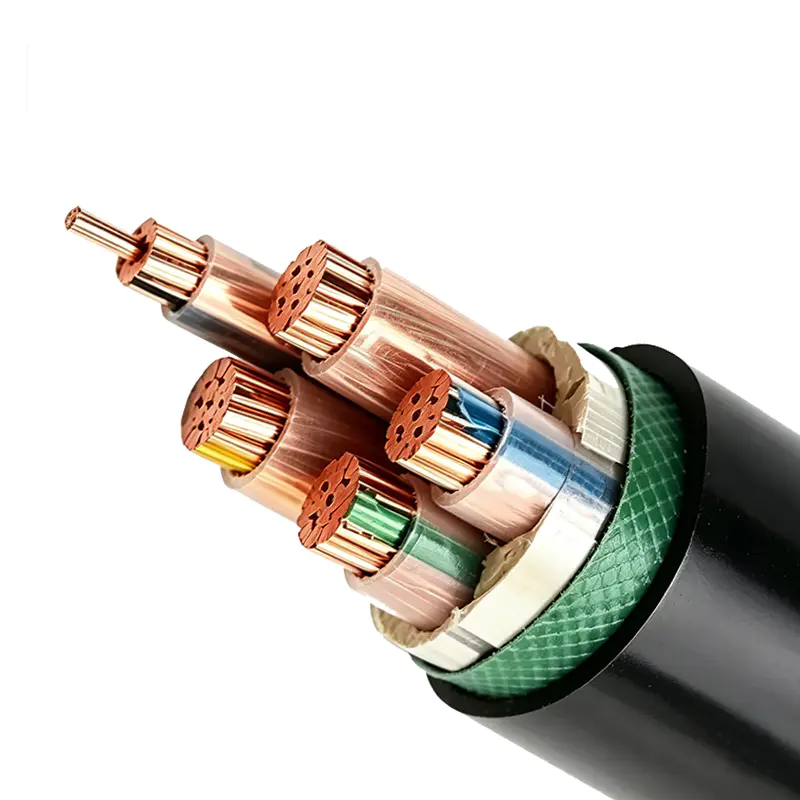
Termite and Rodent Resistant Cable
Why Biological Damage Is a Serious Cable Risk
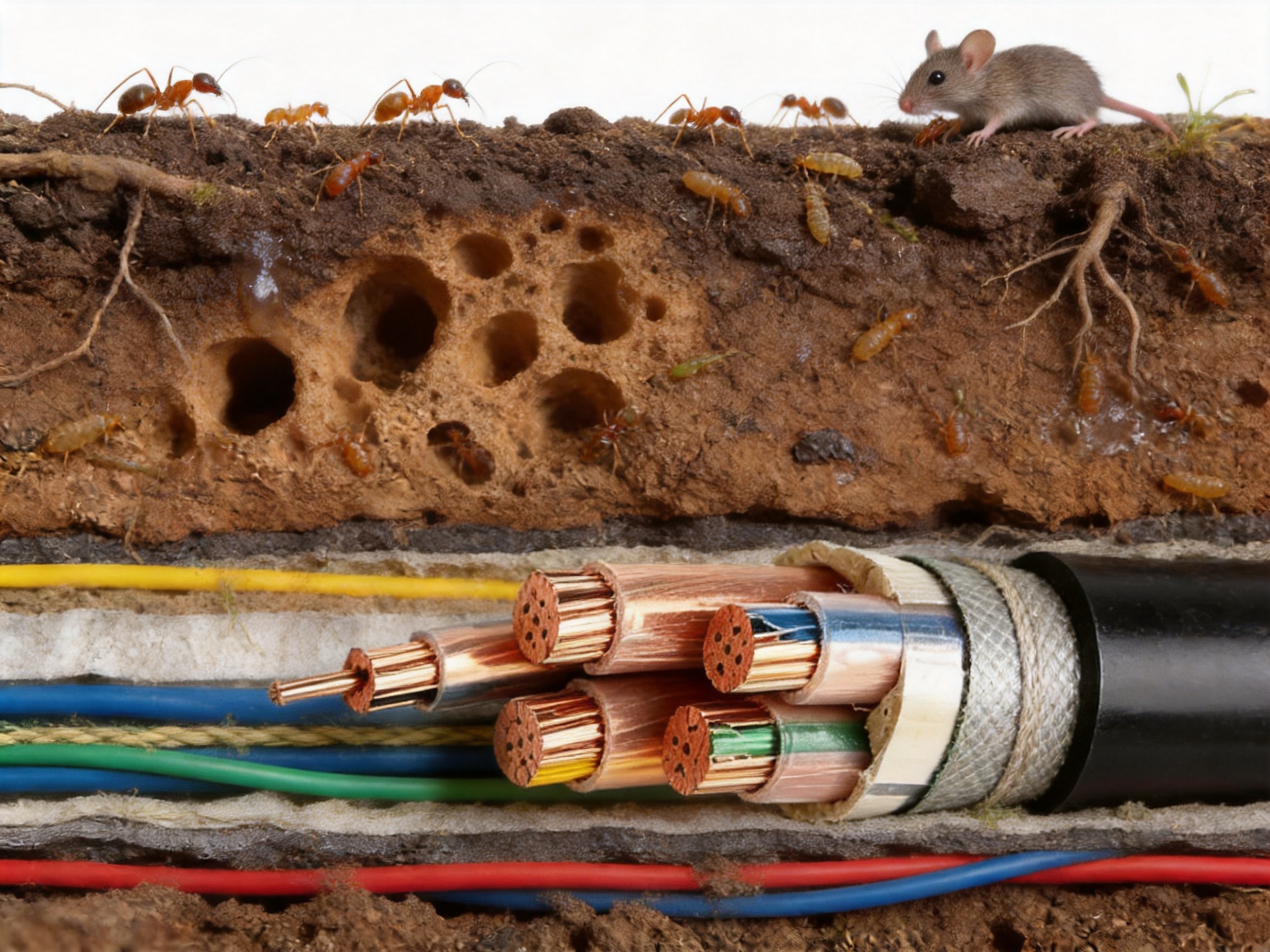
Cables installed in rural, forest, agricultural, coastal, or underground environments may remain hidden from view for many years. During this period, termites and rodents can interact with the cable repeatedly. Unlike a single accidental mechanical impact, biological damage may occur gradually and in multiple locations. A cable may appear intact during an initial inspection while its protective sheath is already weakened.
Termites can attack cable jackets when the material, installation environment, or surrounding conditions provide an accessible source of biting or abrasion. Ants and other insects may also contribute to damage in certain areas. Rodents, meanwhile, possess strong incisors that continue to grow throughout their lives. Gnawing helps them control tooth growth and can occur even when the cable is not a food source. Soft polymer jackets, insulation layers, and exposed cable sections may therefore become targets.
Once the outer jacket is penetrated, the cable may become vulnerable to moisture, soil chemicals, ultraviolet radiation, fungi, mechanical abrasion, and further animal activity. In low-voltage and control systems, this can result in insulation resistance reduction, intermittent operation, or signal errors. In power cables, the consequences may include phase-to-ground faults, tripping, fire hazards, equipment damage, and unplanned outages.
Traditional protective measures can reduce risk but may not eliminate it. Buried conduits can be damaged, access points may remain exposed, and protective barriers may degrade over time. Concrete channels and metal pipes may also increase installation cost and complicate maintenance. A cable with built-in biological protection provides an additional layer of defense that follows the cable along its entire route, including sections where external protection is incomplete.
Common Conditions That Increase Exposure
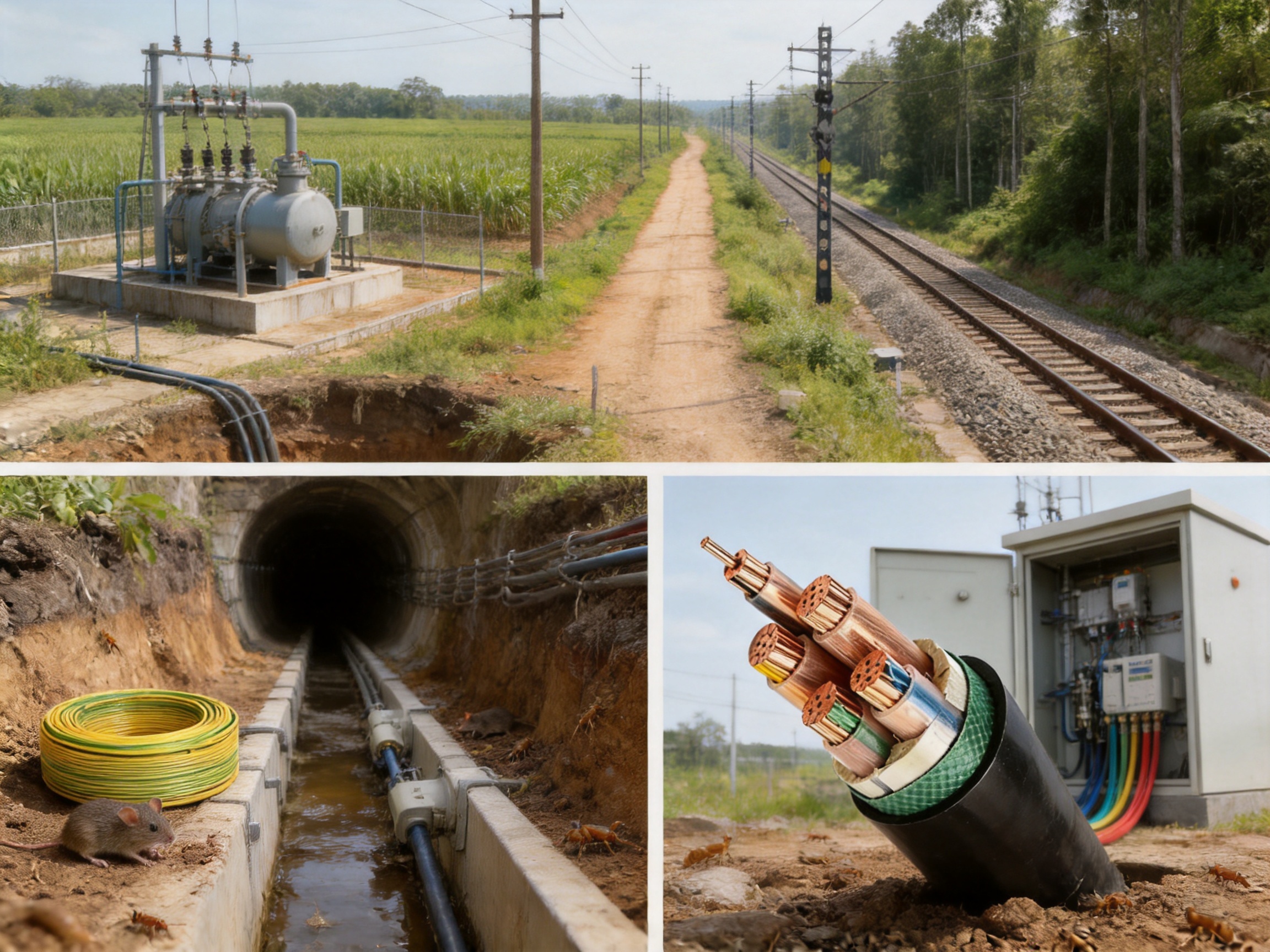
Biological risk is particularly high in warm and humid regions, forested areas, orchards, river embankments, irrigation projects, livestock facilities, and locations with abundant vegetation. Cable routes near buildings, warehouses, waste areas, grain storage facilities, and drainage systems may also attract rodents.
Old urban districts present a different challenge. Cables in underground pipe galleries, utility tunnels, substations, and renovated distribution networks may be installed near existing rodent populations. Space limitations can make additional protective structures difficult to add, while service interruptions during repair may affect large numbers of users.
Remote telecommunication stations, railway signaling installations, renewable-energy facilities, and outdoor monitoring systems are also sensitive to biological damage. These systems may be located far from maintenance teams, making a small cable defect disproportionately expensive to diagnose and repair.
Product Overview and Protection Concept
The termite and rodent resistant cable series is designed for environments in which biological attack may compromise cable reliability. Its protection concept combines material selection and structural reinforcement rather than depending on a single deterrent. The outer sheath is formulated to resist biting, gnawing, environmental stress cracking, and chemical deterioration. Internal layers are arranged to provide mechanical stability and additional separation between the biological threat and the conductive or insulating components.
The product family can be configured around different ordinary cable types. This means the protective system can be adapted to power cables, electrical equipment wires and cables, control cables, and other specialized applications, subject to the applicable construction and technical requirements. The designation “X” in the model codes represents the corresponding ordinary cable type and specification.
The principal model categories are:
Code |
Product Type |
Primary Protection Focus |
FY-X |
Termite resistant cable |
Long-term resistance against termite and similar insect damage |
FSH-X |
Rodent resistant cable |
High mechanical protection against rodent gnawing |
FSY-X |
Termite and rodent resistant cable |
Combined biological protection for complex environments |
The correct selection depends on the biological conditions at the installation site. Where termite exposure is the primary concern, an FY-X design may provide the most targeted solution. Where rodents are the dominant threat, an FSH-X configuration may be more appropriate. For sites with overlapping or uncertain risks, the FSY-X combined design offers a broader protective approach.
Integrated Cable Construction
The reliability of a biological-resistant cable depends on the interaction of its layers. The conductor must provide stable current transmission, the insulation must maintain electrical performance, and the protective layers must withstand the installation and operating environment. A specialized outer sheath alone cannot compensate for weaknesses in the rest of the cable. For this reason, the product is designed as a coordinated system.
Conductive Core
The cable may use high-quality conductive cores, including copper conductors where specified by the product design. The conductor size, stranding arrangement, electrical resistance, flexibility, and current-carrying capability are selected according to the ordinary cable standard and the intended application.
A stable conductor is especially important in remote or difficult-to-maintain installations. If the conductor has appropriate cross-sectional area and consistent manufacturing quality, the cable can support predictable voltage drop, thermal performance, and service behavior. The biological-resistant construction is therefore built on a conventional electrical foundation rather than being treated as a separate accessory.
Insulation System
The insulation layer separates the conductor from other conductive components and from the external environment. Depending on the ordinary cable model, insulation may be based on materials such as cross-linked polyethylene or other approved insulating compounds. The maximum continuous conductor operating temperature follows the relevant standard for the base cable. For example, a cable using XLPE insulation may be designed for a conductor operating temperature of up to 90°C under the applicable conditions.
Maintaining insulation integrity is essential after the outer jacket has encountered mechanical or biological stress. The multi-layer design creates additional separation and helps reduce the probability that a localized external attack will immediately become an electrical failure.
Filling Ropes and Binding Tapes
Filling ropes can help maintain a stable round cable profile and support the internal arrangement of cores. Binding tapes can hold the assembly together and contribute to dimensional stability during sheathing, transportation, installation, and operation.
These components may appear secondary compared with the conductor or sheath, but they influence the cable’s overall structural consistency. A well-organized cable core can reduce unwanted movement between components and help the protective layers perform as intended.
Inner Sheath
An inner sheath provides an additional protective boundary around the assembled cable core. It can help separate the core from the metal protective layer and outer sheath, improve mechanical stability, and provide a controlled surface for subsequent layers.
The inner sheath is particularly valuable in a cable designed for biological hazards because protection is not concentrated at only one point. Even if an animal damages the outermost material, the inner structure presents another barrier before the conductor or insulation system can be reached.
Metal Protective Layer
A metal protective layer is typically positioned above the inner sheath in rodent-resistant and combined designs. Its purpose is to provide a strong physical barrier against gnawing and other mechanical attacks. The exact metal construction depends on the cable model, required flexibility, voltage class, and applicable standard.
Compared with a polymer sheath alone, a properly selected metal layer can substantially increase resistance to penetration. It can also contribute to mechanical protection during installation, provided that the cable is handled according to its specified bending radius and pulling limitations.
Specialized Outer Sheath
The outermost sheath is the first line of defense against termites, rodents, moisture, soil contact, abrasion, and environmental exposure. The specialized sheath material is selected for hardness, chemical stability, resistance to environmental stress cracking, and biological resistance.
For termite-focused designs, the sheath can discourage biting or reduce the ability of termites to penetrate the cable. For rodent-focused designs, the sheath is formulated to make gnawing more difficult and to work together with the physical reinforcement layer. In combined designs, the material and structure are selected to address both categories of biological attack.
Advantages Compared with Conventional Cable Protection
Conventional cables can be reliable when installed in a controlled environment with suitable conduits, adequate burial depth, and effective inspection access. However, those conditions are not always available. Biological-resistant cables offer several practical advantages when compared with relying solely on external protection.
Protection Is Built into the Cable
External barriers protect only the sections that are correctly installed and maintained. A specialized cable carries its protective characteristics along the complete manufactured length. This helps reduce dependence on separate insect barriers, rodent guards, or improvised site measures.
Built-in protection is particularly useful at transitions, bends, equipment connections, and areas where cable routes enter cabinets or buildings. These locations can be difficult to protect with a continuous external barrier. The cable’s own sheath and internal layers remain present even when the route geometry changes.
Reduced Dependence on Chemical Treatment
Some traditional biological control methods depend on chemical treatment of soil, conduits, or surrounding structures. Chemical approaches may require repeated application and careful environmental management. They may also be unsuitable in agricultural, water conservancy, ecological, or residential areas.
The described cable series emphasizes eco-friendly sheath materials and a combination of physical and chemical protective measures within the cable design. This approach seeks to create a durable biological barrier while reducing reliance on broad environmental treatment. Project owners should still review the specific material declarations and local regulatory requirements for each order.
Improved Suitability for Difficult-to-Maintain Sites
A cable failure in an accessible plant room may be repaired quickly. A failure beneath a railway, inside a forest, across a river embankment, or at a remote telecommunications station may require excavation, traffic control, specialized labor, and extended service interruption.
Biological resistance can help reduce the probability of these failures and support longer maintenance intervals. Although no cable can eliminate every environmental risk, a design that addresses a known local hazard is generally more appropriate than a standard cable selected without considering biological exposure.
Layered Defense against Multiple Hazards
The cable provides more than a single deterrent. The outer sheath addresses biological and environmental exposure, the metal layer increases mechanical resistance, and the inner construction supports electrical and structural stability. This layered approach is an important advantage over a basic cable with only a conventional polymer jacket.
Broad Voltage and Application Coverage
The product family is available across a broad voltage range, from 300/300V low-voltage products to cables rated up to 26/35kV, depending on the selected series and specification. This allows engineers to apply the same biological-risk management concept to different parts of a facility or network.
For example, low-voltage cables may be used for equipment connections, control circuits, monitoring systems, and small distribution systems. Higher-voltage versions may be applied in distribution networks, substations, agricultural pumping facilities, and outdoor power infrastructure where biological damage could affect a larger service area.
Performance Characteristics
Voltage Range
The rated voltage is selected according to the cable series and ordinary cable specification. The available range begins at 300/300V and extends to 26/35kV. Customers should provide the system voltage, installation method, number of cores, conductor material, cross-sectional area, shielding requirements, and environmental conditions when requesting a technical proposal.
Voltage rating should never be selected only by the cable’s biological protection classification. Electrical insulation, screen design, conductor geometry, and test requirements must also correspond to the operating system.
Thermal Performance
The permissible maximum continuous operating temperature of the conductor follows the relevant wire and cable standard. The value depends on the insulation material, voltage class, installation conditions, conductor size, ambient temperature, and load cycle.
Thermal performance is important because excessive conductor temperature can accelerate insulation aging and influence the service life of the entire cable. A biological-resistant sheath does not replace correct ampacity calculations. Engineers should evaluate current rating using the actual installation arrangement, including grouping, soil thermal resistance, duct conditions, air circulation, and solar exposure where applicable.
Installation Temperature
The recommended ambient temperature for installation is not lower than 0°C. When installation is performed at or above 0°C, construction can generally proceed without preheating, subject to the detailed requirements of the selected cable standard and project method statement.
Cold-weather installation requires attention because polymer materials may become less flexible at low temperatures. Excessive bending or impact during cold handling can damage the sheath or internal layers even when the final operating environment is acceptable. Storage, transportation, unwinding, and jointing procedures should therefore be coordinated with the approved installation instructions.
Bending Radius
The allowable bending radius must comply with the relevant wire and cable standard. The required radius may vary according to cable diameter, conductor construction, metal protective layer, voltage class, and whether the cable is being installed dynamically or placed permanently.
Maintaining the specified radius is essential. Excessive bending can deform the insulation, stress the metal layer, compress the inner sheath, or create local weakness in the outer jacket. Biological resistance depends on structural continuity, so careful handling is part of the protection strategy.
Mechanical Stability
The protective structure is intended to resist common mechanical stresses encountered during transportation and installation. However, the cable should not be dragged over sharp edges, pulled beyond its rated tension, crushed by construction machinery, or stored beneath heavy loads. Installation tools should be selected to avoid concentrated pressure on the outer sheath.
A cable with high resistance to rodent gnawing may still be damaged by an excavator bucket, an improperly sized roller, or a severe pulling bend. Good installation practice remains necessary to preserve the product’s designed performance.
Applications in High-Risk Environments
Agriculture and Orchards
Agricultural facilities often combine irrigation systems, pump stations, processing equipment, storage buildings, lighting, monitoring devices, and long cable routes. These environments may support large populations of rodents and insects, while soil moisture and vegetation can create additional exposure.
Termite and rodent resistant cables can be used for power distribution to pumps, control equipment, greenhouse systems, field sensors, lighting, and farm buildings. In orchards and plantations, cables may cross areas where excavation and repeated maintenance are inconvenient. A cable with integrated biological protection can help support more dependable operation throughout the growing season.
Forestry and Rural Power Networks
Forest areas present a combination of biological activity, high humidity, vegetation, falling branches, soil movement, and limited access. Power and communication cables may be installed along long routes with few inspection points.
Where termite exposure is significant, an FY-X cable may provide targeted protection. If the site also contains rodents or if cables pass through structures used by animals, the combined FSY-X design may be more appropriate. Engineers should evaluate the route as a complete system rather than selecting protection based only on the most visible section.
Water Conservancy and River Infrastructure
Pumping stations, sluice gates, irrigation controls, reservoirs, levees, and drainage facilities may use cables in damp or partially buried environments. These locations can be difficult to access during high water, storms, or seasonal operation.
Biological-resistant cables can support power and control reliability in these facilities. The project design should also address water exposure, soil movement, corrosion, joint sealing, grounding, and protection against mechanical impact. Biological resistance is one element of a broader environmental protection plan.
Urban Underground Networks
Urban renewal projects often reuse existing corridors, ducts, galleries, and substations. Rodent populations can be concentrated in underground infrastructure, especially where food waste, drainage, or aging buildings are nearby.
Rodent-resistant and combined cables can be considered for distribution upgrades, control systems, building services, and substation connections. Their use may reduce dependence on extensive additional metal conduit, which can be valuable where existing corridors have limited space.
Railway Signaling and Transit Systems
Railway signal systems require stable communication and control performance. A damaged cable may affect signaling, monitoring, or operational safety. Routes can extend through embankments, tunnels, stations, depots, and remote trackside locations, creating different biological and environmental conditions along a single project.
When selecting cable types for rail applications, the biological protection classification should be considered together with electrical interference, flame performance, smoke characteristics, mechanical requirements, environmental conditions, and railway-specific approvals. The appropriate product must satisfy the complete project specification.
Telecommunications and Remote Stations
Telecommunication base stations and outdoor communication cabinets are frequently installed in isolated locations. Cable failures may interrupt data, voice, monitoring, and emergency communication services. Maintenance visits can be costly, especially when stations are located in mountainous, forested, or rural areas.
Biological-resistant cables can be used for selected power, control, and signal connections where animal activity is known to be a threat. The cable selection should account for electromagnetic compatibility, grounding, connector design, ultraviolet exposure, temperature variation, and cabinet entry protection.
Renewable-Energy and Distributed Power Facilities
Solar, wind, energy-storage, and distributed generation facilities often include long outdoor cable routes and remote equipment. Vegetation, open land, and limited daily supervision may create favorable conditions for rodents and insects.
Biological-resistant cable designs can complement other requirements such as ultraviolet resistance, weather resistance, flame behavior, direct burial suitability, shielding, and DC or AC voltage rating. The cable should be selected according to the actual circuit and not solely according to the location.
Manufacturing Strengths and Quality Control
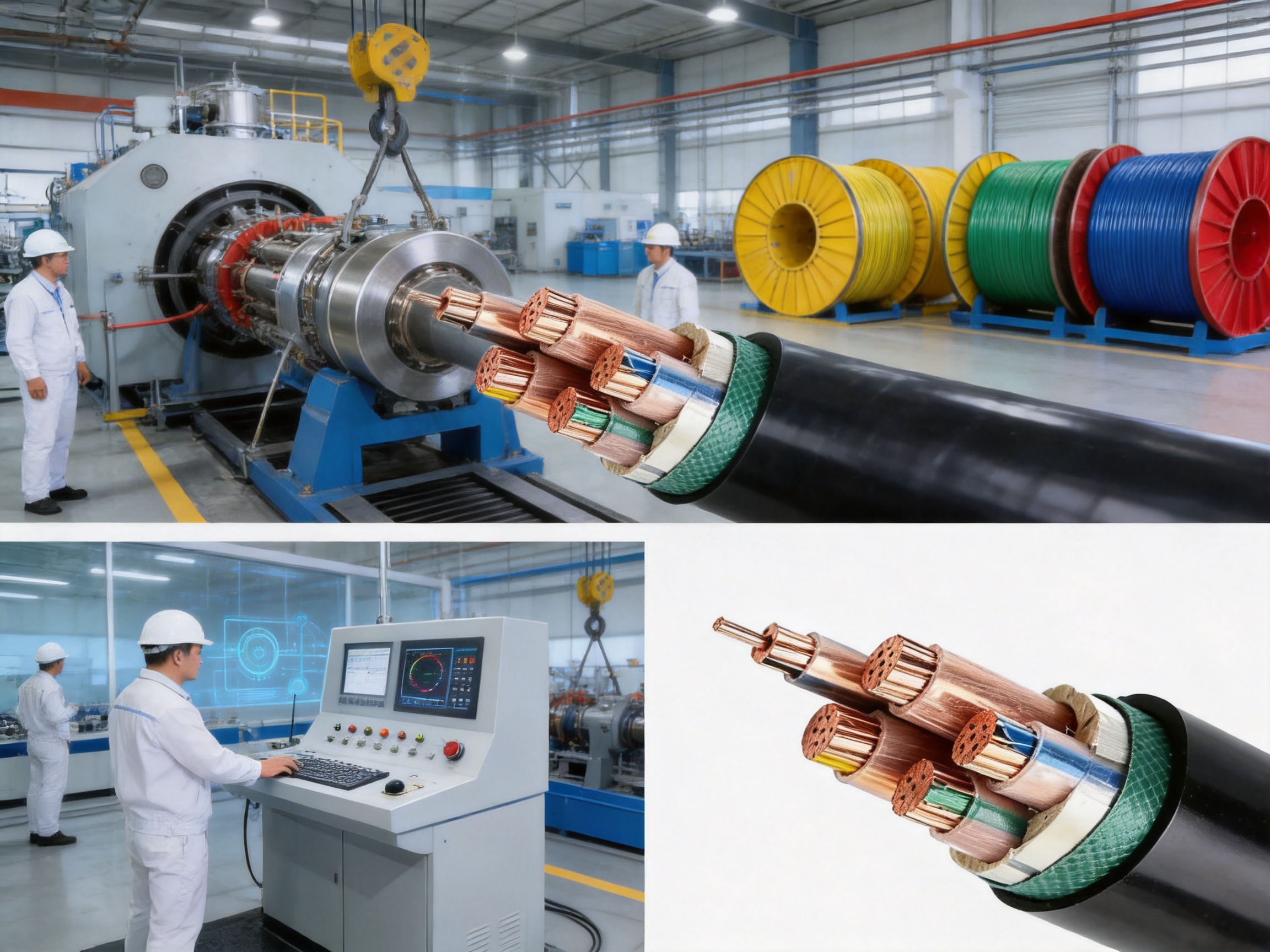
The quality of a specialized cable is influenced by the consistency of its materials, the precision of its production equipment, the control of process parameters, and the ability to verify performance through testing. Wuxi Guanghuan Cable Co., Ltd. operates as a high-tech cable manufacturer with experience in power cables, electrical equipment wires and cables, bare conductors, overhead insulated cables, railway and urban rail transit cables, energy-storage cables, photovoltaic cables, wind-power cables, and other specialized products.
The company was founded in 1998 and is headquartered in Guanlin Town, Yixing City, Jiangsu Province, a region recognized as an important cable manufacturing center in China. Its production base covers more than 100,000 square meters, including more than 45,000 square meters of building area. The company operates more than 70 production and testing lines and employs more than 140 people, including over 30 technical professionals.
This manufacturing scale supports the production of products with different voltage levels, conductor structures, insulation systems, protective layers, and application requirements. It also enables technical resources developed for ordinary power cables to be integrated into specialized cable designs such as termite and rodent resistant products.
Process Control from Conductor to Sheath
Manufacturing begins with conductor preparation. Conductor material must be controlled for dimensional accuracy, surface condition, electrical resistance, and stranding consistency. The conductor is then combined with insulation and other layers through processes that require stable temperature, line speed, pressure, and dimensional control.
Online eccentricity monitoring is an important capability in insulation and sheathing processes. Eccentricity control helps verify that the insulation and sheath are distributed consistently around the cable core. A uniform layer can improve dielectric performance, mechanical balance, and resistance to local weak points.
For multi-layer biological-resistant cables, production sequencing is especially important. Filling materials, binding tapes, inner sheaths, metal protective layers, and outer sheaths must be applied in the correct order and with compatible process conditions. Poor alignment or uneven coverage can reduce the effectiveness of the protective structure.
Electrical and High-Voltage Testing
High-voltage series resonance testing equipment is used for suitable cable testing requirements. High-voltage testing helps verify insulation performance and identify defects that could cause electrical breakdown during service.
Partial discharge detection is another advanced capability relevant to medium- and high-voltage cable quality. Partial discharge can indicate localized defects, voids, contamination, or irregularities within an insulation system. Detecting such conditions before shipment supports more reliable operation in demanding networks.
Testing is not limited to one final electrical measurement. Depending on the cable model and applicable standard, quality verification may include conductor resistance, insulation resistance, voltage withstand, dimensional inspection, mechanical testing, aging evaluation, sheath performance, and other routine or type tests.
Quality Management Systems
The company has obtained ISO 9001 quality management certification, together with ISO 14001 environmental management, ISO 45001 occupational health and safety, and ISO 50001 energy management certifications. It has also obtained certifications and management-system recognitions related to intellectual property, green management, social responsibility, and after-sales service.
These systems provide a framework for documented procedures, traceability, process responsibility, corrective action, environmental management, and continuous improvement. For specialized cable buyers, a mature management system can be as important as individual laboratory results because it supports repeatability across batches and product families.
Technical Breadth and Customization
With more than 100 product categories and over 30,000 specifications under the registered Liguang brand, the company has experience coordinating different conductor materials, insulation types, voltage levels, and application requirements. This technical breadth can help customers select a biological-resistant cable that is compatible with the rest of their system.
Customization may involve conductor size, number of cores, insulation material, screening, armor or metal protection, sheath color, rated voltage, packaging, and installation environment. Any customized design should be confirmed through technical documentation and, where necessary, sample evaluation or type testing.
How to Select the Appropriate Cable
Product selection should begin with a complete description of the installation environment. The following questions are useful during technical review.
What Biological Threat Is Present?
Determine whether the main threat is termites, ants, rodents, or a combination of these hazards. Local maintenance records, pest-control reports, soil conditions, and the experience of nearby facilities can provide useful evidence. If the biological condition is uncertain, a combined design may provide a more conservative solution.
What Is the Electrical Duty?
Confirm the system voltage, operating current, short-circuit conditions, frequency, number of cores, conductor material, and required insulation level. A biological-resistant cable must meet the electrical requirements of the circuit before its additional protection is considered.
How Will the Cable Be Installed?
Identify whether the cable will be directly buried, installed in ducts, placed in cable trays, suspended overhead, routed through tunnels, or connected to outdoor equipment. Installation method affects mechanical requirements, heat dissipation, bending radius, water exposure, and the need for additional armor or shielding.
What Environmental Conditions Apply?
Review ambient temperature, soil moisture, ultraviolet exposure, chemical contamination, vibration, flooding risk, salt spray, frost, and expected mechanical impact. Biological protection should be integrated with the other environmental requirements rather than evaluated alone.
How Important Is Maintenance Accessibility?
If repair access is limited or outages are expensive, a more comprehensive protective design may be justified. The cost of a specialized cable should be compared with the total lifecycle cost of excavation, fault location, replacement, service interruption, and reputational or operational damage.
Selection Factor |
Information to Confirm |
Effect on Cable Choice |
Biological exposure |
Termites, rodents, ants, or combined activity |
FY-X, FSH-X, or FSY-X protection classification |
Electrical system |
Voltage, current, frequency, short-circuit duty |
Conductor and insulation design |
Installation method |
Direct burial, duct, tray, tunnel, or outdoor route |
Mechanical protection and thermal rating |
Environmental conditions |
Moisture, temperature, chemicals, sunlight, vibration |
Sheath, insulation, and sealing requirements |
Maintenance conditions |
Accessibility, outage cost, inspection frequency |
Level of protection and lifecycle value |
Installation and Handling Recommendations
Before installation, inspect the cable drum, packaging, sheath surface, end seals, and identification marks. Any transport damage should be recorded and assessed before the cable is released for construction. Damaged ends should remain sealed to prevent moisture entry.
The cable should be uncoiled in the direction indicated by the drum markings. Sudden reverse rotation, uncontrolled pay-off, and contact with rough ground can damage the sheath. Rollers should be positioned at suitable intervals and at changes in direction. Pulling tension should remain within the approved limit.
During laying, maintain the specified bending radius. Avoid sharp temporary bends at drum exits, manholes, cabinets, and equipment entries. If the cable includes a metal protective layer, take care to avoid deformation or damage that could affect grounding, flexibility, or the protective barrier.
At joints and terminations, the biological protection system should be continued as far as practicable. A specialized cable can be compromised by an unsealed transition. Cable glands, joint kits, conduits, and cabinet entries should therefore be selected to prevent animal access and moisture ingress.
After installation, inspect the route for exposed sections, damaged jackets, poorly sealed entries, and locations where rodents can gain access. Backfill should not contain sharp debris that could puncture the sheath. Where cable routes enter buildings or equipment rooms, openings should be sealed in a way that remains compatible with thermal movement and future maintenance.
Lifecycle Value and Reliability Benefits
The purchase price of a specialized cable is only one part of the economic evaluation. A standard cable may appear less expensive at the time of procurement, but the comparison changes when the cost of external barriers, pest treatment, inspection, fault location, excavation, replacement, outage, and emergency labor is included.
Biological-resistant cables can support a preventive maintenance strategy. Their use may reduce the number of biological failures and allow maintenance teams to focus on planned inspection rather than emergency repair. This is especially valuable for utilities, railway operators, agricultural facilities, data and communication networks, and remote energy installations.
Reliability benefits also extend beyond the cable itself. Stable power and signal transmission can protect connected equipment, reduce nuisance trips, maintain process continuity, and support public safety. In a control system, a damaged signal cable may cause incorrect readings or unexpected shutdowns. In a distribution network, a damaged power cable may affect multiple downstream users.
Lifecycle value must still be assessed on a project-specific basis. The most suitable product depends on the severity of biological exposure, route length, electrical requirements, installation method, local labor costs, and the consequences of failure.
Environmental and Sustainability Considerations
Modern cable projects increasingly consider environmental impact alongside electrical and mechanical performance. A cable installed underground may remain in service for decades, so material stability, maintenance frequency, replacement requirements, and end-of-life handling are all relevant.
The product series uses environmentally friendly sheath materials and combines physical and chemical protective measures within the cable. The purpose is to resist biological damage without creating unnecessary harm to the surrounding ecosystem. Customers should request the applicable material information, environmental declarations, and compliance documentation for the exact product configuration.
Reduced failure frequency can also support sustainability objectives. Every emergency replacement requires new raw materials, transportation, labor, and disposal of the failed cable. Extending reliable service through appropriate design may reduce these lifecycle impacts. In addition, integrated protection may reduce the need for repeated application of chemical pest-control products around cable routes.
Environmental performance should be evaluated together with fire behavior, smoke generation, recyclability, packaging, energy consumption during manufacturing, and compliance with local regulations. A responsible cable selection process considers the full operating context rather than relying on one environmental claim.
Why Manufacturer Capability Matters
Biological-resistant cables are specialized products. Their performance depends on the compatibility of materials and the precision of multiple manufacturing steps. A manufacturer that produces only basic cable products may not have the same experience with layered protective structures, high-voltage insulation systems, online dimensional monitoring, and comprehensive testing.
A broad product portfolio can provide practical advantages. It allows the supplier to understand how a specialized cable fits into a larger electrical system, including power distribution, equipment wiring, overhead conductors, railway applications, renewable-energy facilities, and communication infrastructure. It also makes it easier to coordinate related cable types within one project.
Wuxi Guanghuan Cable Co., Ltd. has developed products for power, industrial, transportation, energy, and infrastructure applications. Its technical staff, production lines, and testing resources support the development and manufacture of cables with different structures and performance requirements.
The company has also passed qualification and capability verification for power cables and conductors conducted by the State Grid Corporation of China and serves power companies and major energy and engineering enterprises across China. Such experience demonstrates familiarity with demanding procurement, testing, documentation, and delivery requirements, although each project must still be evaluated against its own specification.
Frequently Asked Questions
What is a termite and rodent resistant cable?
It is a cable designed with specialized sheath materials and protective layers to reduce the risk of damage caused by termites, ants, rodents, and similar biological hazards. Depending on the model, protection may focus on termites, rodents, or both.
What do the codes FY-X, FSH-X, and FSY-X mean?
FY-X refers to a termite resistant cable. FSH-X refers to a rodent resistant cable. FSY-X refers to a cable designed for combined termite and rodent resistance. The letter “X” represents the corresponding ordinary cable type and specification used as the base design.
Is the cable suitable for underground installation?
It can be suitable for underground applications when the selected model, sheath, mechanical construction, and installation method meet the project requirements. Direct burial, duct installation, water exposure, soil conditions, and mechanical loading must be reviewed before selection.
Can the cable be used for medium-voltage power systems?
Selected products in the series cover rated voltages up to 26/35kV. The exact voltage rating, insulation system, screen arrangement, test requirements, and installation conditions must be confirmed for the specific cable model.
Does biological resistance replace conduit or armor?
Not necessarily. Biological resistance is one part of the protection strategy. Conduit, armor, tray, warning systems, or other external measures may still be required because of mechanical impact, fire, water, traffic, construction, or regulatory conditions.
Does the cable contain environmentally harmful pesticides?
The product description emphasizes eco-friendly sheath materials and a combination of physical and chemical protective measures. The exact material formulation should be confirmed through the manufacturer’s technical and environmental documentation for the selected model.
What is the recommended installation temperature?
The recommended ambient temperature for installation is not lower than 0°C. At or above 0°C, installation can generally proceed without preheating, subject to the cable’s detailed instructions and applicable standards.
What is the maximum conductor operating temperature?
The maximum continuous operating temperature follows the relevant standard for the base cable and insulation material. For example, an XLPE-insulated design may have a 90°C continuous conductor temperature rating under the applicable conditions.
How should the bending radius be determined?
The allowable bending radius must follow the relevant wire and cable standard and the specific product documentation. It depends on factors such as cable diameter, voltage level, conductor construction, and protective layers.
Can the cable be customized?
Many parameters can be reviewed during technical consultation, including conductor size, number of cores, voltage rating, insulation type, screening, protective structure, sheath requirements, and application conditions. Customization should be confirmed through an approved technical specification.
Why choose a combined FSY-X design?
The combined design is appropriate when both termites and rodents are present, when the biological conditions are complex, or when reliable site information is unavailable. It provides a broader protective approach than a cable intended for only one type of biological threat.
What information should be included in an inquiry?
Provide the application, rated voltage, conductor material and size, number of cores, operating current, installation method, route length, ambient conditions, biological hazards, required standards, delivery location, and any special requirements for fire, water, ultraviolet, shielding, or mechanical performance.
Conclusion
Termite and rodent resistant cables provide a practical response to a specific but consequential infrastructure risk. By combining high-quality conductive and insulating components with filling materials, binding tapes, inner sheaths, metal protective layers, and specialized outer jackets, the product family creates layered protection against biological attack.
The FY-X, FSH-X, and FSY-X classifications allow customers to match the product to termite exposure, rodent exposure, or combined biological hazards. With voltage coverage from 300/300V to 26/35kV across different series, the cables can be considered for applications ranging from equipment wiring and control systems to outdoor distribution and medium-voltage infrastructure.
The principal advantages over conventional cable protection are integrated protection, improved suitability for difficult-to-maintain locations, reduced dependence on external biological barriers, and a layered defense that addresses both mechanical and environmental stress. Proper selection and installation remain essential, but the product provides a stronger starting point for projects in agriculture, forestry, water conservancy, urban utilities, railways, telecommunications, renewable energy, and remote infrastructure.
Manufacturing capability is equally important. With advanced production and testing equipment, online eccentricity monitoring, high-voltage testing resources, partial discharge detection, broad technical experience, and certified management systems, Wuxi Guanghuan Cable Co., Ltd. is positioned to manufacture specialized cable products for demanding applications. Its experience across power, industrial, transportation, and renewable-energy cable categories supports the development of solutions that combine electrical performance with environmental protection.
For any project exposed to termites or rodents, biological resistance should be evaluated during the initial cable specification stage rather than after a failure occurs. A correctly selected and properly installed resistant cable can help protect transmission reliability, reduce maintenance uncertainty, and improve the long-term value of the entire electrical or signal network.
References
1. International Electrotechnical Commission, relevant standards for power cables, insulation systems, conductor performance, and cable testing.
2. International Organization for Standardization, ISO 9001 Quality Management Systems—Requirements.
3. International Organization for Standardization, ISO 14001 Environmental Management Systems—Requirements with Guidance for Use.
4. International Organization for Standardization, ISO 45001 Occupational Health and Safety Management Systems—Requirements with Guidance for Use.
5. International Organization for Standardization, ISO 50001 Energy Management Systems—Requirements with Guidance for Use.
6. Relevant national and enterprise standards for termite resistant, rodent resistant, power, control, and electrical equipment cables.
7. Manufacturer technical information for termite and rodent resistant cable series, including model classification, operating characteristics, construction, and application guidance.
Product: Termite and Rodent Resistant Cable

-
Termite and Rodent Resistant Cable
-
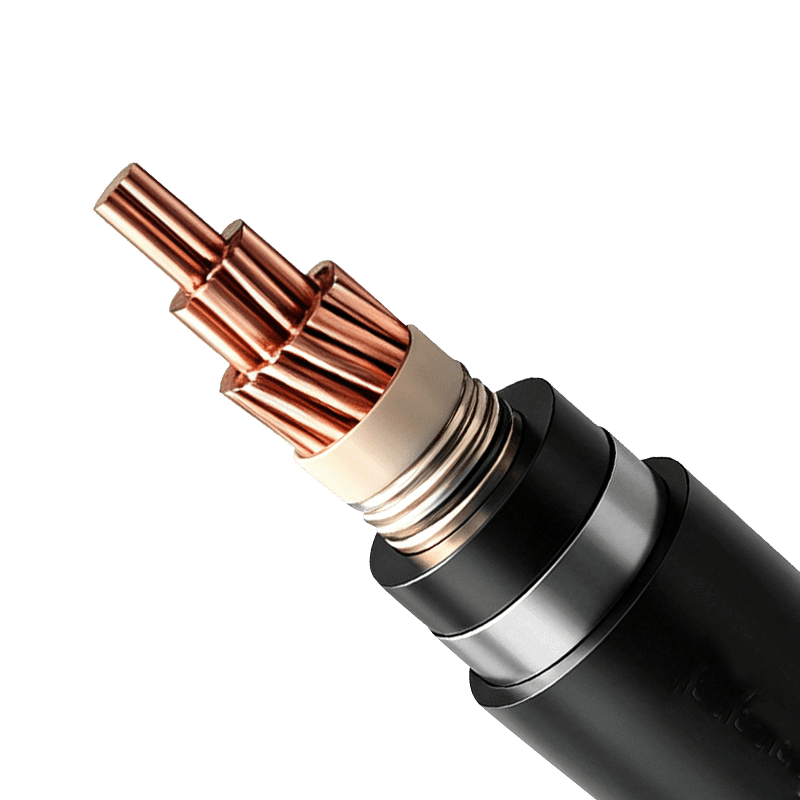
Power Cable for Subway and Urban Rail Transit (Rated Voltage 35kV)
-
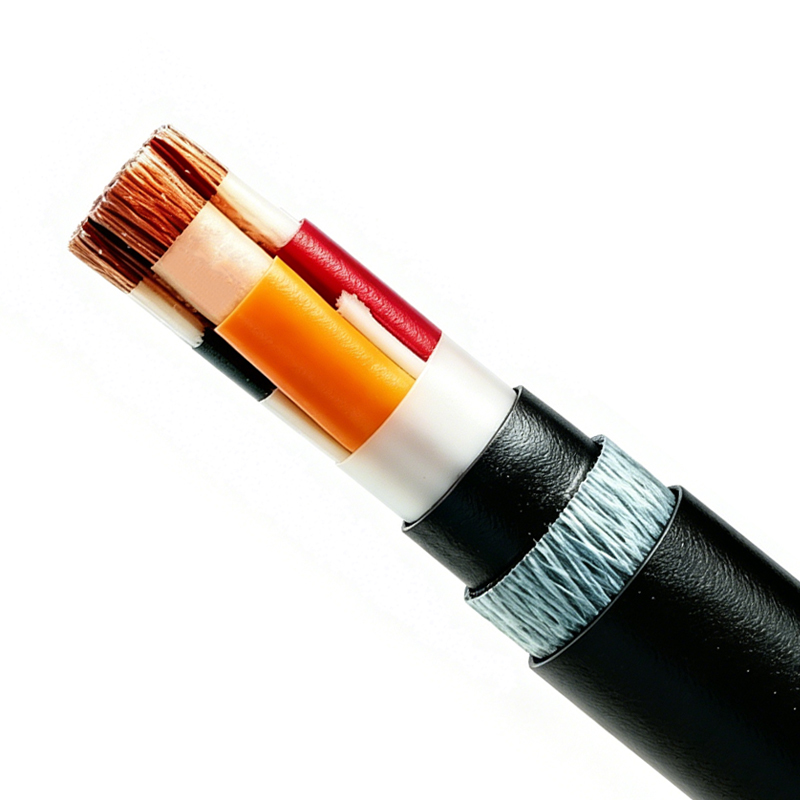
Flame-Retardant and Fire-Resistant Cable Series
-
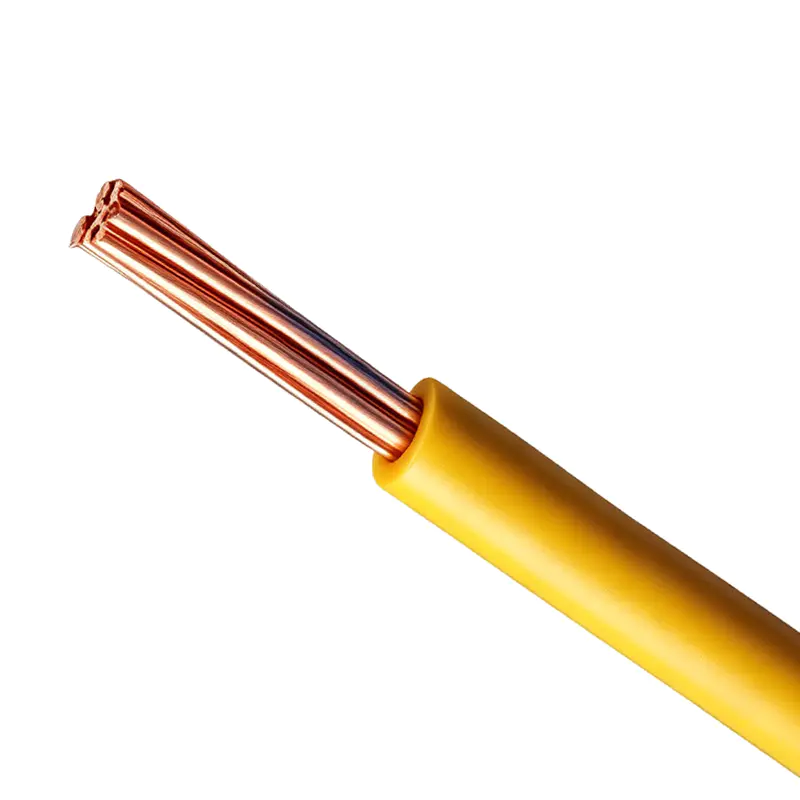
PVC Insulated Cable and Wire (Rated Voltage 450/750V and below)
-
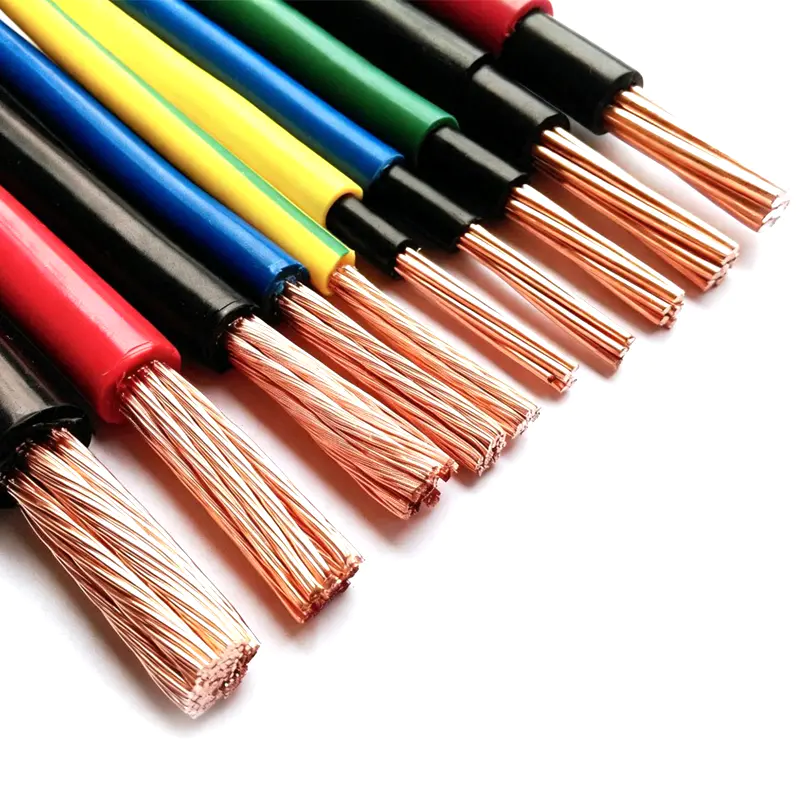
Cross-linked Polyolefin (XLPO) Insulated Wire and Cable (Rated Voltage 450/750V and below)

Copyright © Wuxi Guanghuan Cable Co., Ltd. All Rights Reserved. Power Cables Manufacturer Electrical Wire And Cable Factory

