


 English
 中文简体
 русский
 Español
 عربى

Copper Stranded Wire for Reliable Overhead and Electrical Connections
Content
- 1 Understanding Copper Stranded Wire
- 2 Product Series and Functional Differences
- 3 Material Quality and Electrical Conductivity
- 4 Hard-Drawn Copper for Mechanical Strength
- 5 Annealed and Soft Copper for Installation Flexibility
- 6 Advantages of Tin-Plated Copper Stranded Wire
- 7 Precision Concentric-Lay Stranding Process
- 8 Manufacturing Strengths of Wuxi Guanghuan Cable Co., Ltd.
- 9 Quality Assurance and Testing Capability
- 10 Compliance with Applicable Standards
- 11 Technical Data and Selection Considerations
- 12 Application Areas
- 13 Why This Product Range Offers an Advantage
- 14 Purchasing and Installation Recommendations
- 15 Q&A
- 15.1 What is the difference between TJ and TJR copper stranded wire?
- 15.2 When should a tinned copper stranded wire be selected?
- 15.3 Is copper stranded wire suitable for grounding systems?
- 15.4 What does concentric-lay stranding mean?
- 15.5 Why is annealing important?
- 15.6 Does tin plating improve conductivity?
- 15.7 What standards apply to this product series?
- 15.8 Can the conductor be customized?
- 15.9 What information should be included in a quotation request?
- 15.10 How does the manufacturer support product reliability?
- 16 Conclusion
- 17 References
- 18 Product: Copper Stranded Wire (TJ, TJR & TJX Series)
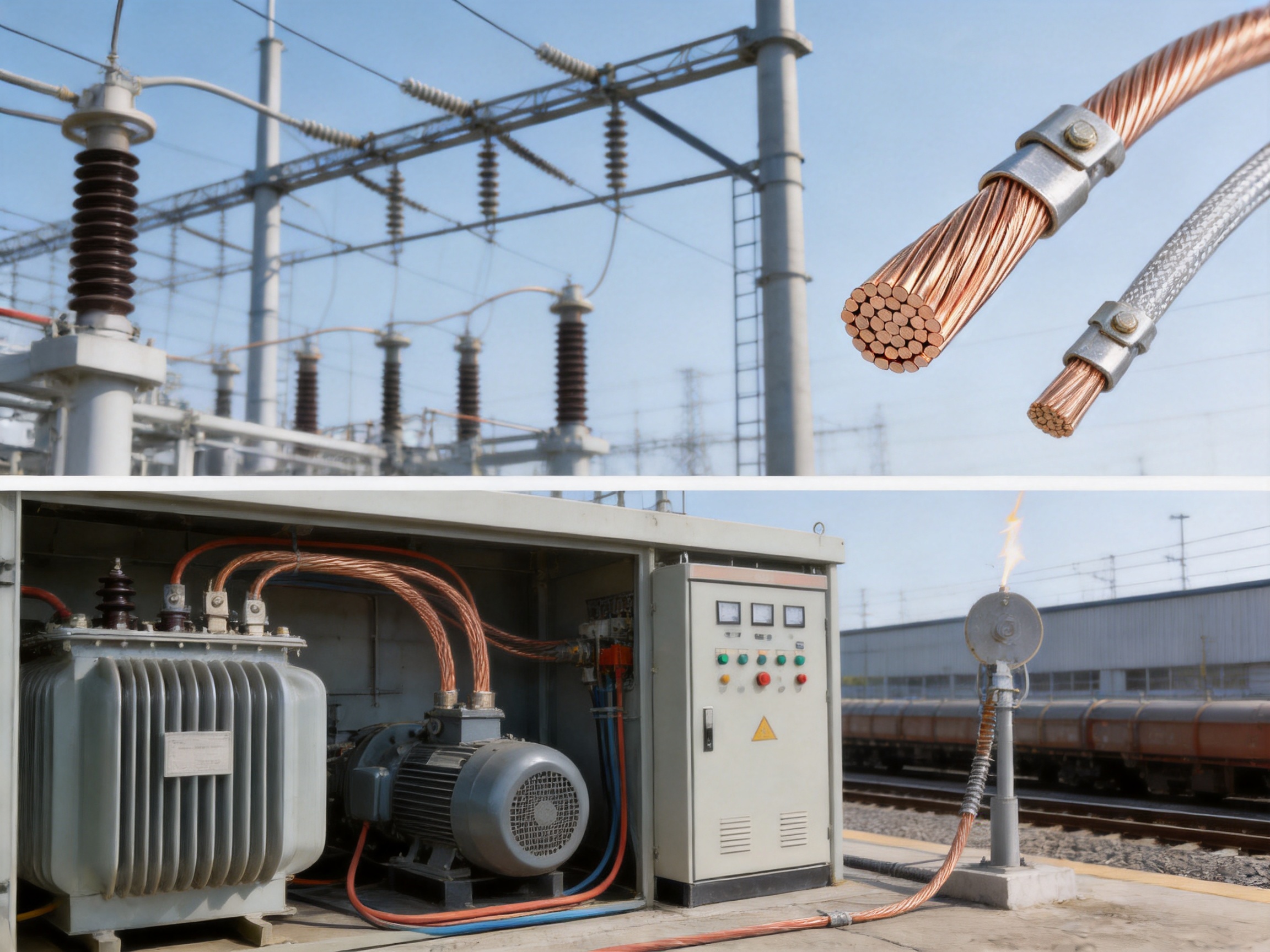
Copper stranded wire is a basic yet highly important conductive product used in power transmission, distribution networks, electrical equipment, grounding systems, transportation infrastructure, and industrial control applications. Although the product has a relatively simple appearance, its electrical performance, mechanical strength, flexibility, surface condition, dimensional accuracy, and long-term stability depend on careful material selection and precise manufacturing control.
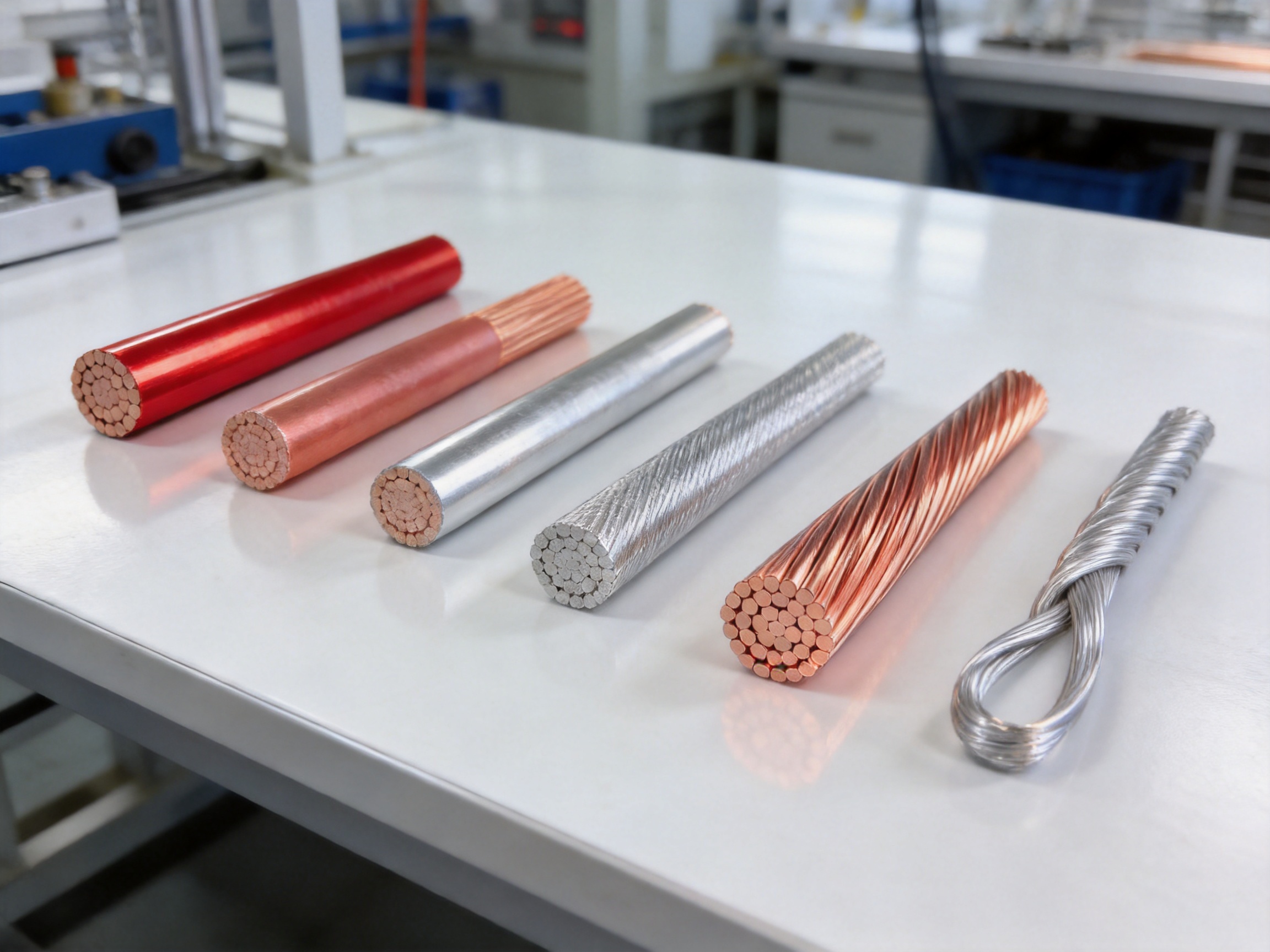
The TJ, TJR, TJX, TJRX, TJR1, and TJR1X series provide a broad selection of hard copper, annealed copper, tinned copper, and soft annealed tinned copper stranded wires. This range allows engineers and cable users to select a conductor according to the specific balance required between conductivity, tensile strength, flexibility, corrosion resistance, solderability, installation conditions, and service environment.
Produced by Wuxi Guanghuan Cable Co., Ltd., these copper stranded wires are manufactured using electrical-grade copper and a precision concentric-lay stranding process. The company combines advanced drawing, stranding, tin-plating, testing, and quality management capabilities to supply conductors for both demanding overhead applications and precision electrical equipment connections.
Understanding Copper Stranded Wire
Copper stranded wire is formed by combining multiple individual round copper wires into a larger conductor. Instead of using one solid copper rod, the stranding process creates a conductor with improved handling characteristics and greater adaptability to installation requirements. The individual wires are arranged in concentric layers around a central wire or central group, producing a compact and uniform conductor structure.
This construction provides several practical benefits. A stranded conductor can tolerate bending more effectively than a solid conductor of comparable cross-sectional area. It can also be routed through equipment, connected to terminals, and installed in areas where movement or vibration may occur. At the same time, the use of copper preserves excellent electrical conductivity and enables efficient transmission of current.
The performance of a copper stranded wire is influenced by several factors, including copper purity, individual wire diameter, stranding pitch, layer arrangement, drawing condition, annealing treatment, tin coating quality, conductor compactness, and surface smoothness. Manufacturing consistency is therefore essential. A conductor that meets its nominal cross-sectional area but has poor stranding quality or uncontrolled resistance may not provide dependable service.
The product range covered in this article is designed to address different technical priorities. Hard copper stranded wire is intended for applications requiring mechanical strength and resistance to physical stress. Annealed and soft annealed copper stranded wire provide better flexibility for equipment connections and installation in confined spaces. Tinned variants add an additional protective layer that improves oxidation resistance, corrosion resistance, and soldering performance.
Product Series and Functional Differences
TJ Hard Copper Stranded Wire
TJ is the hard copper stranded wire series. It is manufactured from copper wires that have undergone hard drawing, giving the conductor higher tensile strength and greater resistance to mechanical deformation. This characteristic is valuable in overhead conductors, grounding leads, lightning protection systems, and other installations where the wire may be exposed to pulling forces, wind-induced vibration, or mechanical handling during installation.
Hard copper stranded wire maintains the high conductivity expected from copper while offering stronger mechanical support than an annealed product. It is especially suitable where the conductor must remain stable over a long span or withstand external forces without excessive elongation. The available specification range is generally from 10 mm² to 400 mm².
TJR Annealed Copper Stranded Wire
TJR is an annealed copper stranded wire series. Through controlled heat treatment, the copper becomes more flexible and less resistant to bending. This makes TJR suitable for internal electrical connections, transformer and motor wiring, low-voltage equipment, switchgear cabinets, and installations where the conductor must be routed around corners or connected within a limited space.
Annealing also improves bending fatigue resistance. When a conductor is exposed to repeated movement, vibration, or adjustment during equipment assembly, a flexible annealed wire can reduce installation stress and help protect the conductor from premature damage. The specification range generally extends from 2.5 mm² to 400 mm².
TJX Tin-Plated Hard Copper Stranded Wire
TJX combines the mechanical strength of hard copper stranded wire with a tin-plated surface. The tin coating helps isolate the copper from moisture, oxygen, and certain corrosive contaminants. It also improves the conductor’s soldering characteristics and can help maintain a stable contact surface in humid or industrial environments.
TJX is appropriate where both tensile strength and enhanced environmental resistance are required. Typical applications include specialized grounding systems, industrial electrical connections, transportation equipment, coastal installations, and equipment exposed to elevated humidity or corrosive atmospheric conditions.
TJRX Annealed Tinned Copper Stranded Wire
TJRX is an annealed copper stranded wire with a tin-plated surface. It is designed for applications requiring a combination of flexibility, conductivity, solderability, and resistance to oxidation. The annealed copper structure makes the conductor easier to install, while the tin layer provides additional protection and improves connection reliability.
This series is particularly useful in electrical equipment, motors, transformers, control cabinets, power links, and industrial systems where conductors may be bent during assembly or exposed to humid operating conditions.
TJR1 and TJR1X Soft Annealed Copper Series
TJR1 is a soft annealed copper stranded wire designed for applications that place a high priority on flexibility. Compared with hard copper, soft annealed copper can be routed and connected more easily in compact electrical assemblies. It is useful where the conductor must accommodate frequent adjustment, vibration, movement, or a small installation radius.
TJR1X is the tinned version of the soft annealed series. It adds the environmental and connection advantages of tin plating to the high flexibility of soft annealed copper. TJR1X can be selected for equipment wiring and specialized connections where both mechanical softness and surface protection are important.
| Model | Product name | Typical specification range | Main performance focus |
| TJ | Hard copper stranded wire | 10–400 mm² | Mechanical strength and overhead use |
| TJX | Tin-plated hard copper stranded wire | According to project requirements | Strength, oxidation resistance, and solderability |
| TJR | Annealed copper stranded wire | 2.5–400 mm² | Flexibility and bending performance |
| TJRX | Annealed tinned copper stranded wire | According to project requirements | Flexibility, corrosion resistance, and solderability |
| TJR1 | Soft annealed copper stranded wire | According to project requirements | High flexibility and movement tolerance |
| TJR1X | Soft annealed tinned copper stranded wire | According to project requirements | High flexibility with tinned protection |
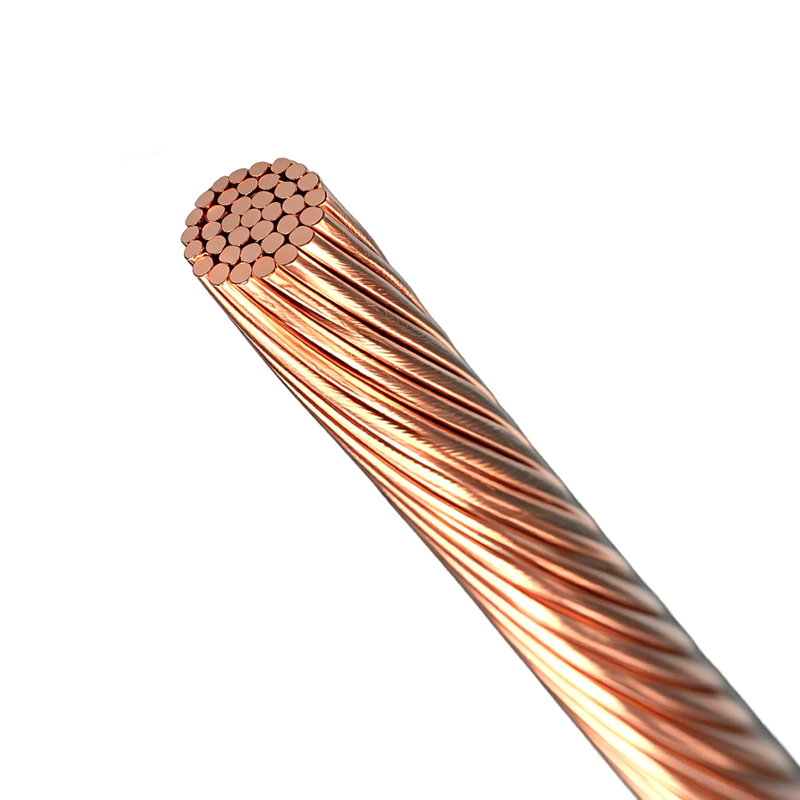
Copper Stranded Wire (TJ, TJR & TJX Series)
Material Quality and Electrical Conductivity
The main reason copper remains widely used in electrical conductors is its combination of high conductivity, good mechanical workability, thermal performance, and compatibility with common connection methods. However, not all copper conductors provide the same operating results. Impurities, inconsistent drawing, excessive surface defects, and poor stranding control can increase resistance and reduce service reliability.
The copper stranded wire series uses high-quality electrical-grade copper with controlled impurity levels. High-purity material helps the conductor achieve low direct-current resistance and stable current-carrying performance. By controlling the raw material and processing conditions, the manufacturing process supports consistent conductivity across different production batches.
Low resistance is important in both overhead and equipment applications. When current passes through a conductor, resistance produces heat and energy loss. A conductor with controlled resistance can reduce unnecessary voltage drop, limit heat accumulation, and improve the overall energy efficiency of the electrical system. These benefits become increasingly important in high-current applications and long-duration operation.
The supplied technical data provides maximum DC resistance values at 20°C for different conductor types. The resistance values vary according to nominal cross-sectional area and conductor condition. In general, larger cross-sectional areas provide lower resistance, while tinned and annealed variants may have slightly different values because of the surface treatment and conductor construction.
Hard-Drawn Copper for Mechanical Strength
The hard copper TJ series is manufactured through a drawing process that increases the strength of the copper wires. During drawing, the copper is reduced to the required diameter through controlled dies. This process improves dimensional accuracy and increases tensile strength, allowing the final stranded conductor to withstand greater mechanical stress.
Mechanical strength is a major consideration for overhead conductors. During installation, the conductor may be subjected to pulling tension, bending around hardware, and temporary handling loads. After installation, it can experience wind, temperature changes, vibration, and other external forces. A hard copper stranded wire provides a dependable balance between conductivity and structural stability.
Hard copper is also suitable for grounding and lightning protection applications where the conductor must maintain a stable path for fault or surge current while resisting physical damage. In these systems, the conductor’s ability to remain intact and securely connected is essential to the protection function.
Compared with a soft conductor, hard copper may require more careful handling when tight bends are necessary. Its primary advantage is strength rather than maximum flexibility. Selecting TJ for an application where mechanical stability is more important than repeated movement can help improve the service life and reliability of the installation.
Annealed and Soft Copper for Installation Flexibility
Annealing is a controlled heat-treatment process that changes the mechanical condition of copper. It reduces hardness and internal stress, producing a more flexible conductor. The result is a wire that can be bent and routed with less force and reduced risk of conductor damage during installation.
TJR and TJR1 are useful when cables or conductors must be connected within compact equipment. Transformers, motors, switchgear, distribution cabinets, battery systems, and industrial control assemblies often contain limited space. A rigid conductor may be difficult to route and may place excessive force on terminals. An annealed or soft annealed conductor can accommodate the layout more naturally.
Flexibility is also valuable in applications involving vibration or movement. Electrical equipment installed on transportation systems, rotating machinery, industrial production lines, or movable assemblies may subject the conductor to repeated mechanical stress. The flexible construction of an annealed stranded wire helps reduce localized strain and supports more reliable connections.
Soft copper should not be selected solely because it is easier to bend. The choice should consider the required tensile strength, installation method, support arrangement, vibration level, temperature, and connection design. The TJ, TJR, and TJR1 options allow users to choose a suitable mechanical condition instead of relying on a single general-purpose conductor.
Advantages of Tin-Plated Copper Stranded Wire
Tin plating adds a protective layer to the surface of each copper wire. The coating is applied uniformly to support consistent coverage and reliable performance. The tin layer helps reduce direct exposure of copper to air and moisture, improving resistance to oxidation and corrosion in challenging environments.
Oxidation can affect the surface condition of copper and may increase contact resistance at terminals or joints. In humid, coastal, chemical, or industrial atmospheres, a tinned conductor can provide greater surface stability than unprotected copper. This makes TJX, TJRX, and TJR1X suitable for applications where the conductor may be exposed to moisture or corrosive contaminants.
Tin also supports soldering. A tinned copper surface is generally easier to solder and can promote more stable soldered connections when the correct soldering process is used. This is beneficial in electrical equipment manufacturing, control systems, instrumentation, and internal wiring applications.
The protective coating does not replace correct system design. Cable users must still consider sealing, terminal compatibility, operating temperature, current load, mechanical protection, and installation conditions. Nevertheless, tin plating provides an additional layer of protection and can reduce long-term maintenance requirements in suitable environments.
The combination of mechanical condition and surface treatment is one of the main strengths of the product family. TJX provides hard copper with tin protection, while TJRX and TJR1X provide progressively more flexible copper structures with the same general surface-protection objective.
Precision Concentric-Lay Stranding Process
The manufacturing process begins with the preparation and inspection of copper rod or copper wire suitable for electrical conductor production. Incoming material is checked for surface condition, dimensional consistency, and electrical characteristics. Controlling the material at the beginning of the process helps prevent defects from being carried into later stages.
Wire Drawing
Wire drawing reduces copper wire to the required diameter through a series of dies. The process must be controlled carefully because the final wire diameter affects the conductor’s cross-sectional area, resistance, flexibility, and stranding geometry. Excessive drawing stress or poor lubrication can cause surface defects, dimensional variation, or uneven mechanical properties.
Advanced production equipment supports stable drawing conditions. Die condition, drawing speed, cooling, lubrication, tension, and take-up control all influence the quality of the individual copper wires. Consistent wire dimensions are particularly important when several wires are combined into concentric layers.
Annealing
For TJR and TJR1 products, annealing is used to achieve the required degree of softness and flexibility. The heating and cooling conditions must be controlled to prevent excessive oxidation and to obtain consistent mechanical properties throughout the production length.
A properly annealed wire should provide reliable flexibility without compromising dimensional stability. Inconsistent annealing can result in variations between wires, which may affect stranding quality and installation performance. Process monitoring therefore plays an important role in achieving uniform results.
Stranding
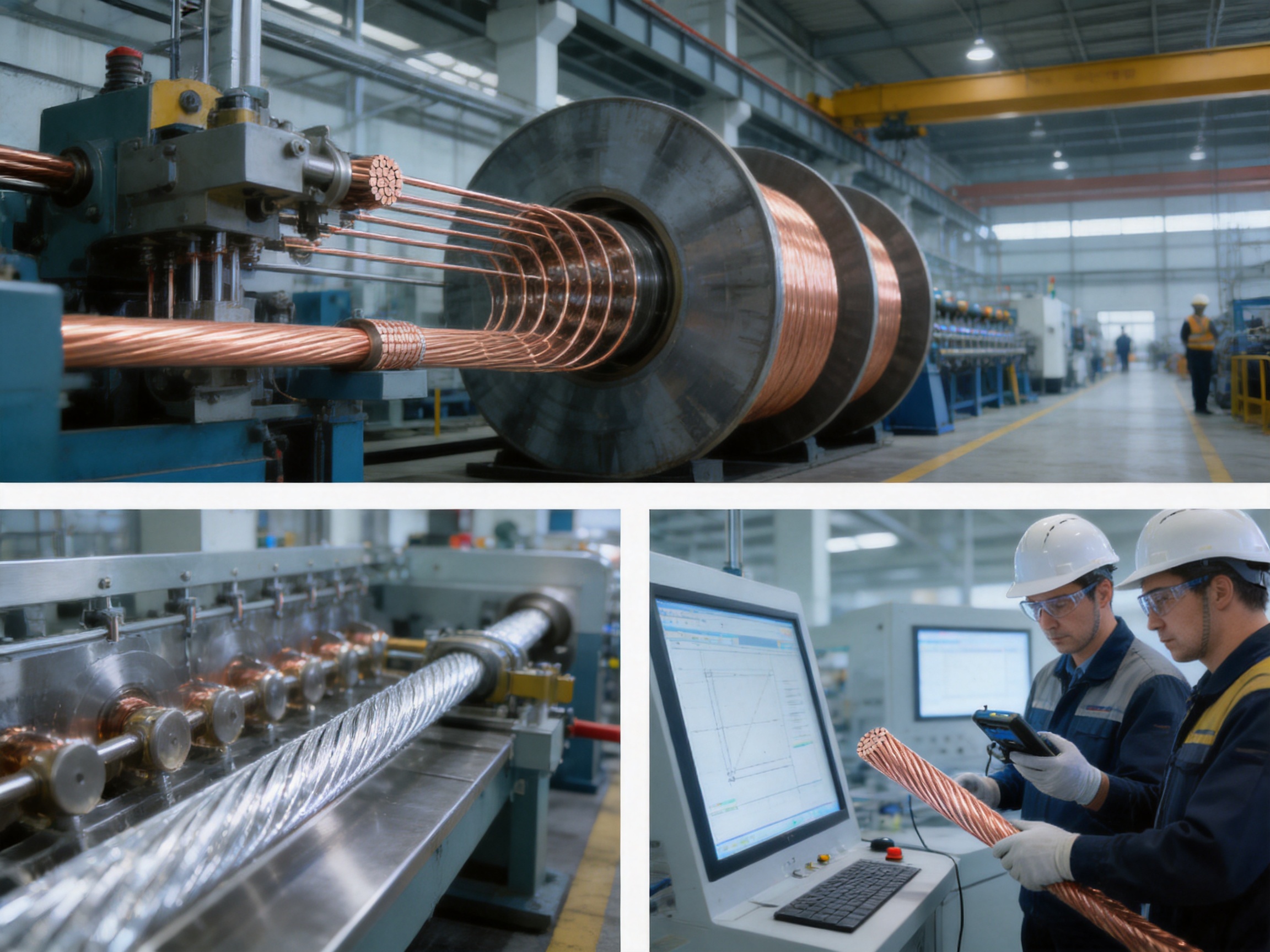
During concentric-lay stranding, individual copper wires are arranged around a central wire or central group in carefully controlled layers. The stranding pitch, tension, alignment, and take-up speed are adjusted according to the conductor size and product type.
A precise stranding process produces a compact conductor with a smooth and uniform surface. It also helps maintain dimensional consistency along the full production length. Properly balanced tension prevents loose wires, uneven layers, excessive gaps, and localized deformation.
Concentric-lay construction is valuable because it combines multiple wires into a stable and manageable conductor while preserving the advantages of stranded construction. It also supports a predictable outer diameter, which is important for installation clearances, connection hardware, and subsequent cable processing.
Tin Plating
For TJX, TJRX, and TJR1X products, the copper wires receive a tin-plated surface treatment. The plating process must provide uniform coverage, strong adhesion, and sufficient thickness for the intended service environment. Surface preparation, plating conditions, rinsing, drying, and take-up control all influence the final result.
A uniform tin coating helps reduce exposed copper areas and supports consistent soldering performance. It also contributes to improved surface stability in humid and corrosive environments. The completed conductor is inspected to verify the visual condition and overall processing quality.
Final Inspection and Testing
Finished copper stranded wire is subject to dimensional, electrical, mechanical, and appearance checks. Typical quality-control activities include measurement of nominal cross-sectional area, outer diameter, DC resistance, surface condition, stranding integrity, and product identification.
Testing ensures that the conductor remains within the required technical limits and that the selected product type corresponds to the customer’s specification. Production records and inspection data also support traceability, process improvement, and consistent delivery across different orders.
Manufacturing Strengths of Wuxi Guanghuan Cable Co., Ltd.
Wuxi Guanghuan Cable Co., Ltd. was founded in 1998 and is headquartered in Guanlin Town, Yixing City, Jiangsu Province, a region recognized for its cable manufacturing expertise. The company operates across a production area exceeding 100,000 square meters, including more than 45,000 square meters of building area.
The company operates more than 70 advanced production and testing lines and employs more than 140 people, including over 30 technical professionals. This combination of production capacity and technical personnel supports the manufacturing of a wide selection of power cables, electrical equipment wires, bare conductors, overhead insulated cables, railway and urban rail transit cables, and cables for renewable energy and energy storage applications.
Its registered Liguang product range covers more than 100 product categories and over 30,000 specifications. This broad manufacturing base is valuable for copper stranded wire customers because it demonstrates experience with different conductor structures, insulation systems, electrical applications, and project requirements.
The company’s annual sales revenue and production value reflect a substantial industrial operation rather than a small-scale workshop. Large-scale production supports investment in modern equipment, process control, laboratory testing, employee training, and supply-chain management. It also provides the capacity required for both standard orders and customized specifications.
The company has obtained ISO 9001 quality management, ISO 14001 environmental management, ISO 45001 occupational health and safety, and ISO 50001 energy management certifications. It has also established systems related to intellectual property, green management, social responsibility, and after-sales service.
For buyers, these management systems are important because conductor quality depends not only on one production machine but on the complete organization. Purchasing, raw-material inspection, production scheduling, equipment maintenance, process monitoring, laboratory testing, packaging, logistics, and customer service must work together to deliver consistent results.
Quality Assurance and Testing Capability
Copper stranded wire must maintain stable electrical and mechanical characteristics from the first meter to the last. Wuxi Guanghuan Cable Co., Ltd. uses a range of production and testing equipment, including online eccentricity monitoring systems, high-voltage series resonance testing equipment, and partial discharge detection systems for applicable cable products.
Online monitoring can help identify process deviations while production is underway. Early detection allows operators to correct issues before a large length of product is completed. This approach reduces waste and improves production consistency.
Electrical resistance testing is especially important for copper stranded wire. The DC resistance at 20°C is a key indicator used to evaluate conductor quality. By measuring resistance and applying the appropriate temperature reference, the manufacturer can verify that the conductor complies with the specified performance limits.
Dimensional inspection is also essential. Outer diameter affects installation, terminal selection, spacing, and compatibility with other cable components. A conductor with excessive variation may be difficult to connect or may not fit the intended system. Concentric-lay stranding and controlled take-up help maintain a smooth, stable outer profile.
Mechanical inspection verifies that the selected copper condition is appropriate for its intended use. Hard copper products must provide the required strength, while annealed and soft annealed products must provide the specified flexibility. Tinned products also require checks of coating quality and surface uniformity.
The company’s certifications and qualification records provide additional evidence of its structured approach to manufacturing. Its products have received certifications and approvals including CCC, TÜV-related product certification, product carbon footprint recognition, and China energy-saving and environmentally friendly product certifications for applicable products.
Compliance with Applicable Standards
The copper stranded wire series is manufactured with reference to GB/T 1179-2017, which covers round wire concentric-lay overhead electrical stranded conductors, and GB/T 3956-2008, which covers conductors of cables. The products also meet the specialized technical requirements of enterprise specification Q/320282 GAD021-2019.
Standards provide a common technical basis for conductor design, material selection, dimensional requirements, resistance, mechanical properties, testing, and acceptance. They help manufacturers and buyers define product expectations and compare different suppliers using consistent criteria.
Although compliance with a standard is important, buyers should confirm the exact edition, product type, test requirements, and applicable project specifications before placing an order. Different markets and applications may require additional standards, certifications, or customer-specific documentation.
For international projects, the purchaser should provide the required nominal cross-sectional area, conductor type, voltage system if relevant, installation environment, delivery length, packaging method, testing documentation, and any required third-party inspection. Clear technical communication helps ensure that the selected TJ, TJR, TJX, TJRX, TJR1, or TJR1X product is suitable for the intended application.
Technical Data and Selection Considerations
The following representative data summarizes nominal cross-sectional areas, approximate nominal outer diameters, maximum DC resistance values at 20°C, and calculated weights. Values should be confirmed against the final quotation, approved technical specification, and applicable production standard.
| Nominal cross-section | Nominal diameter TJ/TJX/TJR/TJRX | Nominal diameter TJR1/TJR1X | Maximum resistance TJ | Maximum resistance TJX | Maximum resistance TJR | Maximum resistance TJRX | Calculated weight |
| 2.5 mm² | 2.01 mm | 2.00 mm | — | — | — | — | 21 kg/km |
| 4 mm² | 2.55 mm | 2.50 mm | — | — | — | — | 34 kg/km |
| 6 mm² | 3.09 mm | 3.10 mm | — | — | — | — | 52 kg/km |
| 10 mm² | 3.96 mm | 4.30 mm | 1.89 Ω/km | 1.90 Ω/km | 1.83 Ω/km | 1.84 Ω/km | 87 kg/km |
| 25 mm² | 6.24 mm | 6.60 mm | 0.750 Ω/km | 0.757 Ω/km | 0.727 Ω/km | 0.734 Ω/km | 214 kg/km |
| 50 mm² | 8.90 mm | 9.30 mm | 0.399 Ω/km | 0.404 Ω/km | 0.387 Ω/km | 0.391 Ω/km | 420 kg/km |
| 95 mm² | 12.40 mm | 13.20 mm | 0.199 Ω/km | 0.202 Ω/km | 0.193 Ω/km | 0.195 Ω/km | 824 kg/km |
| 120 mm² | 14.00 mm | 14.60 mm | 0.158 Ω/km | 0.159 Ω/km | 0.153 Ω/km | 0.154 Ω/km | 1,033 kg/km |
| 185 mm² | 17.40 mm | 18.40 mm | 0.103 Ω/km | 0.104 Ω/km | 0.0991 Ω/km | 0.1000 Ω/km | 1,602 kg/km |
| 240 mm² | 19.90 mm | 21.00 mm | 0.0778 Ω/km | 0.0786 Ω/km | 0.0754 Ω/km | 0.0762 Ω/km | 2,080 kg/km |
| 300 mm² | 22.10 mm | 23.30 mm | 0.0620 Ω/km | 0.0626 Ω/km | 0.0601 Ω/km | 0.0607 Ω/km | 2,578 kg/km |
| 400 mm² | 25.20 mm | 26.60 mm | 0.0485 Ω/km | 0.0490 Ω/km | 0.0470 Ω/km | 0.0475 Ω/km | 3,339 kg/km |
The correct conductor size depends on the required current, allowable voltage drop, installation temperature, ambient conditions, mechanical loading, connection method, and applicable design standard. Cross-sectional area alone should not be used as the only selection criterion.
For overhead systems, the designer should pay particular attention to tensile strength, span length, sag, wind load, temperature variation, support hardware, and lightning protection requirements. TJ may be appropriate when mechanical strength is a priority, while a tinned variant may be considered for harsh atmospheric conditions.
For electrical equipment, flexibility and connection space are often more important. TJR, TJR1, TJRX, or TJR1X may be selected according to the required degree of softness, solderability, and environmental protection.
Application Areas
Overhead Transmission and Distribution
Hard copper stranded wire can be used in urban and rural overhead power networks where the conductor must provide reliable electrical performance and mechanical stability. Its concentric-lay structure supports consistent installation and a smooth external surface.
When used as part of an overhead system, the conductor must be matched with suitable insulators, clamps, connectors, poles, towers, and protection equipment. Installation tension and sag should be controlled according to the engineering design.
Grounding and Lightning Protection
Copper stranded wire is also used as a grounding lead or connection conductor in grounding grids and lightning protection systems. Copper’s high conductivity supports rapid discharge of fault or surge current, while the stranded construction simplifies routing and connection.
Hard copper may be preferred where the grounding conductor is exposed to mechanical stress. Tinned products may provide additional surface protection in damp soil-adjacent environments, industrial facilities, coastal areas, or locations where oxidation control is important.
Transformers and Motors
Annealed copper stranded wire is suitable for internal connections in transformers, motors, generators, and other electrical machines. The flexible construction helps installers route the conductor around winding structures, terminals, and compact connection points.
Where humidity, contamination, or soldered connections are concerns, TJRX or TJR1X may provide additional benefits. Selection must consider the temperature class, connection method, current load, vibration, and compatibility with insulation or terminal materials.
Switchgear and Low-Voltage Apparatus
Electrical cabinets and switchgear often require conductors that can be routed through narrow channels and connected to terminals at different angles. TJR and TJR1 are well suited to such applications because they provide easier handling and bending performance than hard copper.
Tinned variants can be advantageous when the equipment operates in humid industrial facilities or when soldering and stable contact surfaces are required. Proper crimping, terminal preparation, and tightening torque remain essential for reliable connections.
Rail Transit and Industrial Distribution
Transportation systems and industrial installations can expose conductors to vibration, repeated movement, temperature variation, and difficult maintenance conditions. Flexible annealed products can help accommodate movement, while hard or tinned products may be used where strength or environmental protection is more important.
The final selection should be based on the complete system design, including current demand, installation method, mechanical support, vibration frequency, environmental exposure, and maintenance requirements.
Why This Product Range Offers an Advantage
One of the main advantages of the series is its choice of conductor conditions. Many applications cannot be served effectively by one universal copper wire. Overhead lines may need strength, equipment wiring may need flexibility, and coastal or industrial projects may need improved surface protection. The TJ family addresses these differences through several coordinated product types.
A second advantage is the combination of high-conductivity copper and controlled concentric-lay construction. The conductor is designed to provide a stable electrical path while maintaining a compact and uniform shape. This supports easier installation, predictable dimensions, and reliable connection performance.
A third advantage is the availability of tin-plated versions. Tinning adds value where oxidation, corrosion, and soldering are important considerations. Instead of relying on unprotected copper in every environment, users can select a product with a surface treatment suited to the project conditions.
A fourth advantage is manufacturing scale and technical breadth. Wuxi Guanghuan Cable Co., Ltd. produces a wide variety of cables and conductors and maintains extensive production and testing capacity. This allows the company to support standard products, customized technical requirements, and larger project orders through an integrated manufacturing organization.
Finally, the company’s quality, environmental, safety, energy, and service management systems provide a structured foundation for consistent production. These strengths can help reduce procurement risk and support long-term cooperation with distributors, equipment manufacturers, contractors, and power-sector customers.
Purchasing and Installation Recommendations
Before ordering, customers should specify the product model, nominal cross-sectional area, required conductor length, hard or annealed condition, tinned or untinned surface, applicable standard, packaging requirement, and inspection documentation.
The purchaser should also provide the expected service environment. Information about humidity, salt exposure, industrial contamination, vibration, temperature, movement, and installation space will help determine whether TJ, TJR, TJX, TJRX, TJR1, or TJR1X is the best choice.
During installation, conductors should be protected from sharp edges, uncontrolled pulling, excessive bending, and contamination. The recommended bending radius and installation tension should be followed. Although stranded wire is more flexible than solid wire, improper handling can still damage individual strands or reduce the conductor’s effective service life.
Connections should use compatible terminals, clamps, lugs, or soldering materials. For tinned conductors, the connection process should be selected according to the tin coating and terminal design. Crimped connections must use the correct tooling and compression profile, while bolted connections require appropriate contact pressure and protection against loosening.
Storage should be dry, clean, and protected from mechanical impact. Reels or coils should remain properly supported, and the conductor ends should be sealed or protected to prevent moisture and contamination from entering the product during storage and transportation.
Q&A
What is the difference between TJ and TJR copper stranded wire?
TJ is hard copper stranded wire, designed for higher mechanical strength and applications such as overhead conductors and grounding leads. TJR is annealed copper stranded wire, designed for improved flexibility and easier installation in electrical equipment and confined spaces.
When should a tinned copper stranded wire be selected?
A tinned product should be considered when improved oxidation resistance, corrosion resistance, or solderability is required. TJX, TJRX, and TJR1X can be selected according to the required mechanical condition and flexibility.
Is copper stranded wire suitable for grounding systems?
Yes. Copper stranded wire can be used as a grounding lead or connection conductor because copper provides high conductivity and stranded construction supports practical routing. The product type should be chosen according to mechanical exposure, environmental conditions, fault-current requirements, and the applicable grounding design.
What does concentric-lay stranding mean?
Concentric-lay stranding means that individual round wires are arranged in layers around a central wire or core. The layers are formed with controlled alignment and pitch to create a compact, uniform conductor.
Why is annealing important?
Annealing reduces the hardness of copper and increases its flexibility. It helps the conductor withstand bending and makes it easier to route through compact equipment. Annealed wire is often preferred for motors, transformers, switchgear, control cabinets, and other internal connections.
Does tin plating improve conductivity?
The main purpose of tin plating is to improve surface protection and solderability rather than to increase the conductivity of copper. The copper core provides the primary current-carrying function, while the tin layer helps reduce oxidation and support stable connections.
What standards apply to this product series?
The product information identifies GB/T 1179-2017, GB/T 3956-2008, and enterprise technical specification Q/320282 GAD021-2019 as applicable references. The exact requirements should be confirmed according to the product model, project location, customer specification, and order documentation.
Can the conductor be customized?
Product selection and technical details can be coordinated according to nominal cross-sectional area, conductor condition, tin-plating requirement, delivery length, packaging, inspection documents, and application needs. Customers should submit a detailed technical inquiry so the appropriate construction can be confirmed.
What information should be included in a quotation request?
A quotation request should include the model, cross-sectional area, required quantity, delivery location, intended application, applicable standard, surface treatment, packaging preference, testing requirements, and expected delivery schedule. Environmental information is also useful when choosing between untinned and tinned products.
How does the manufacturer support product reliability?
Reliability is supported through controlled copper materials, precision wire drawing, annealing where required, concentric-lay stranding, tin plating for applicable models, online process monitoring, dimensional checks, resistance testing, and structured quality management. The company also maintains broad production and testing capabilities for different cable and conductor products.
Conclusion
Copper stranded wire remains an essential solution for electrical transmission, distribution, grounding, equipment wiring, and industrial connection systems. Its value comes from more than copper conductivity alone. The final conductor must also provide the correct mechanical condition, dimensional stability, surface protection, flexibility, and resistance performance for the intended application.
The TJ, TJR, TJX, TJRX, TJR1, and TJR1X series provide a practical range of choices. Hard copper supports overhead and mechanically demanding applications. Annealed and soft annealed copper improve installation flexibility. Tinned products provide additional protection against oxidation and corrosion while supporting soldering and connection reliability.
Through electrical-grade copper, precision concentric-lay stranding, controlled drawing, annealing, tin plating, process inspection, and extensive testing capability, Wuxi Guanghuan Cable Co., Ltd. is positioned to supply copper stranded wire for diverse industrial and power-sector requirements. Its broad product portfolio, modern manufacturing base, technical personnel, management certifications, and commitment to quality provide a strong foundation for dependable conductor supply.
References
GB/T 1179-2017, Round Wire Concentric-Lay Overhead Electrical Stranded Conductors.
GB/T 3956-2008, Conductors of Cables.
Q/320282 GAD021-2019, Enterprise Technical Specification for Copper Stranded Wire Products.
International Electrotechnical Commission, Conductors for Electrical Cables and Wires, relevant technical principles.
ISO 9001, Quality Management Systems: Requirements.
ISO 14001, Environmental Management Systems: Requirements with Guidance for Use.
ISO 45001, Occupational Health and Safety Management Systems: Requirements with Guidance for Use.
ISO 50001, Energy Management Systems: Requirements with Guidance for Use.
Manufacturer technical data for TJ, TJR, TJX, TJRX, TJR1, and TJR1X copper stranded wire series.
Product: Copper Stranded Wire (TJ, TJR & TJX Series)

-
Copper Stranded Wire (TJ, TJR & TJX Series)
-
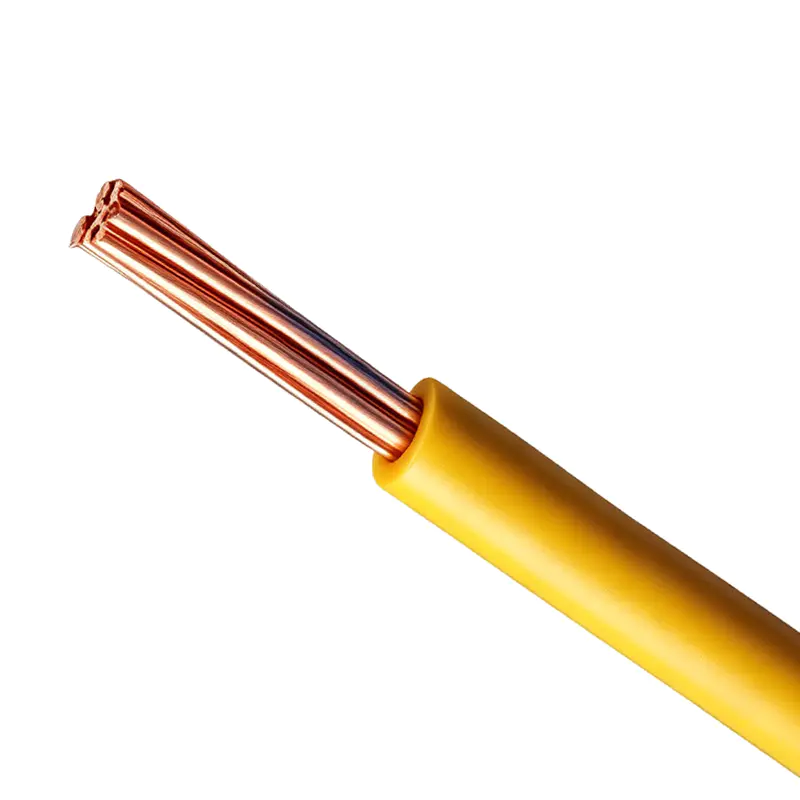
PVC Insulated Cable and Wire (Rated Voltage 450/750V and below)
-
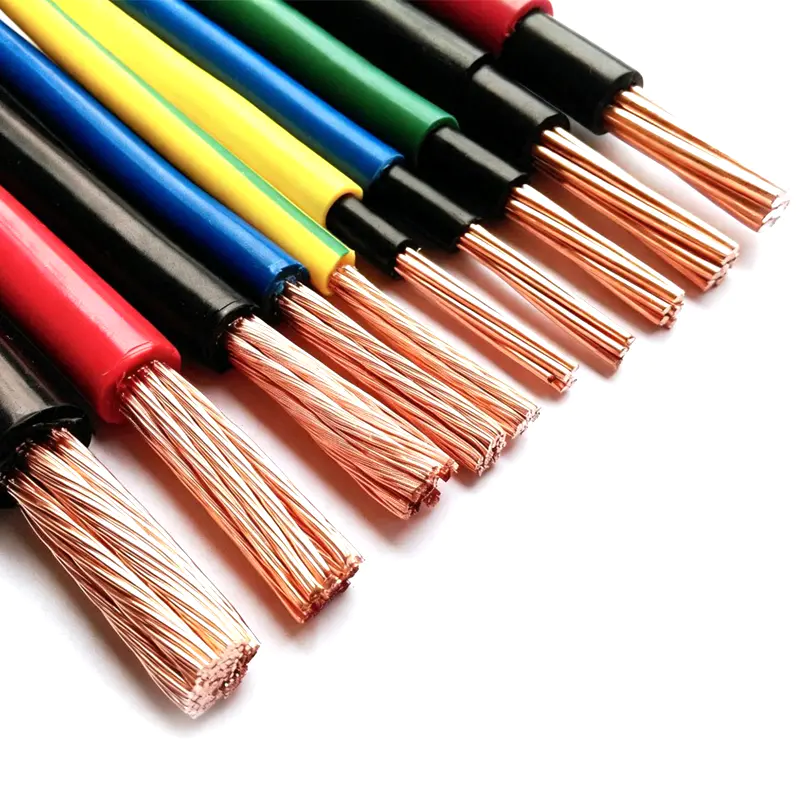
Cross-linked Polyolefin (XLPO) Insulated Wire and Cable (Rated Voltage 450/750V and below)
-
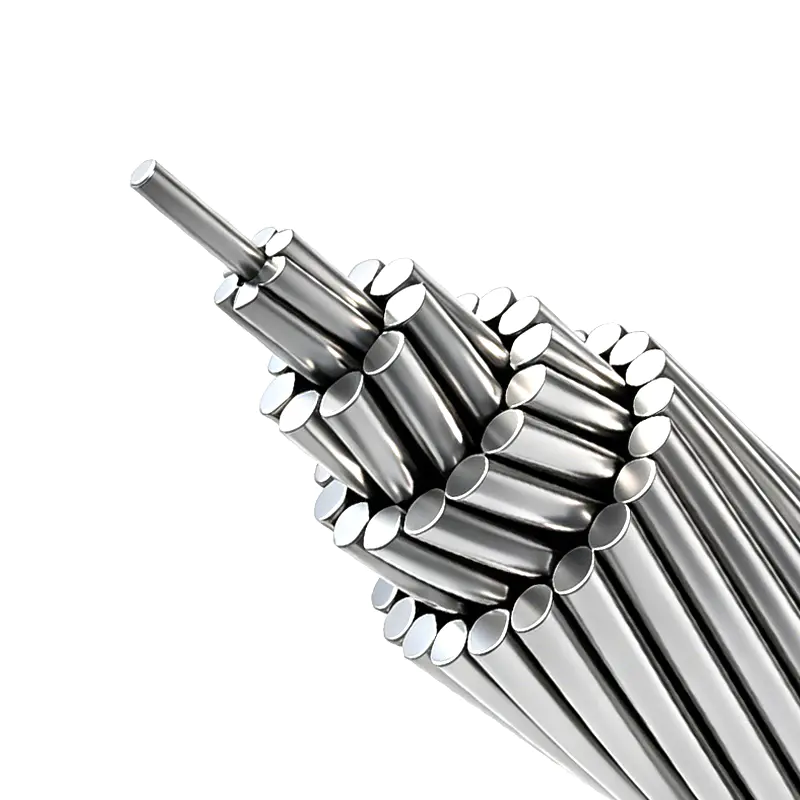
AAC, AAAC & ACSR - Aluminum and Aluminum Alloy Stranded Conductors
-
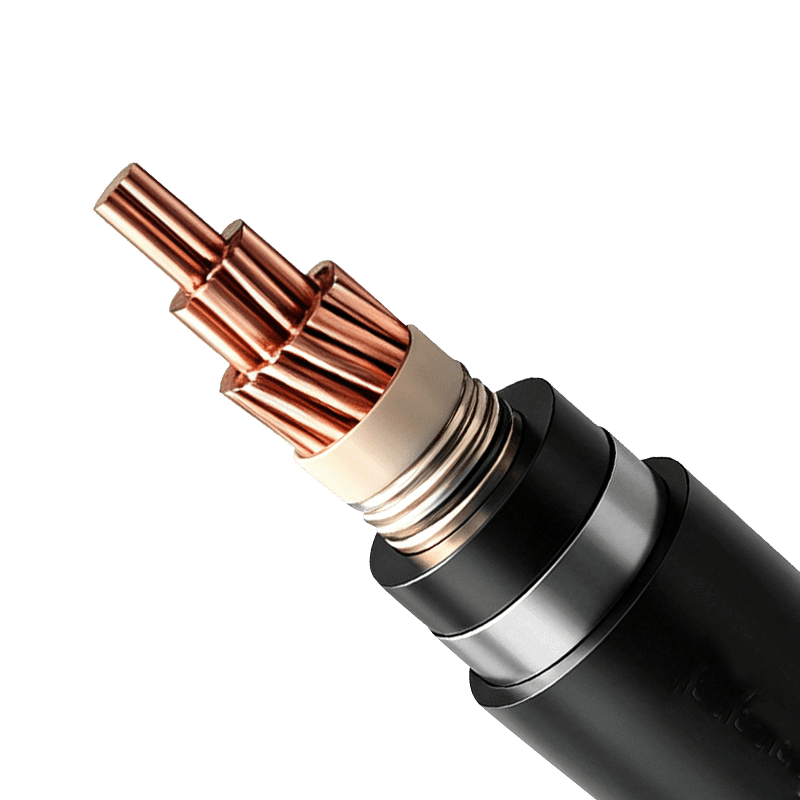
Power Cable for Subway and Urban Rail Transit (Rated Voltage 35kV)

Copyright © Wuxi Guanghuan Cable Co., Ltd. All Rights Reserved. Power Cables Manufacturer Electrical Wire And Cable Factory

