


 English
 中文简体
 русский
 Español
 عربى

Termite and Rodent Resistant Cables: Reliable Protection for Biologically Harsh Environments
Content
- 1 Introduction
- 2 Why Biological Cable Damage Requires a Dedicated Solution
- 3 Product Classification and Selection
- 4 Multi-Layer Construction for Long-Term Protection
- 5 How the Protection System Works
- 6 Advantages Compared with Conventional Cable Solutions
- 7 Manufacturing Strengths and Quality Control
- 8 Environmental and Operational Performance
- 9 Application Areas
- 10 Recommended Project Specification Process
- 11 Installation and Handling Guidance
- 12 Why Manufacturing Scale Matters to Buyers
- 13 Quality, Certification, and Technical Confidence
- 14 Q&A: Termite and Rodent Resistant Cable
- 14.1 What is a termite and rodent resistant cable?
- 14.2 What is the difference between FY-X, FSH-X, and FSY-X?
- 14.3 Can these cables be used outdoors?
- 14.4 Are these cables suitable for direct burial?
- 14.5 What voltage range is available?
- 14.6 Does the cable use a metal layer?
- 14.7 Does biological resistance replace conduit?
- 14.8 What is the maximum continuous conductor temperature?
- 14.9 Can the cable be installed in cold weather?
- 14.10 How should the minimum bending radius be determined?
- 14.11 Are the sheath materials environmentally friendly?
- 14.12 Where are these cables commonly used?
- 14.13 What information should be included in an inquiry?
- 15 Conclusion
- 16 References
- 17 Product: Termite and Rodent Resistant Cable
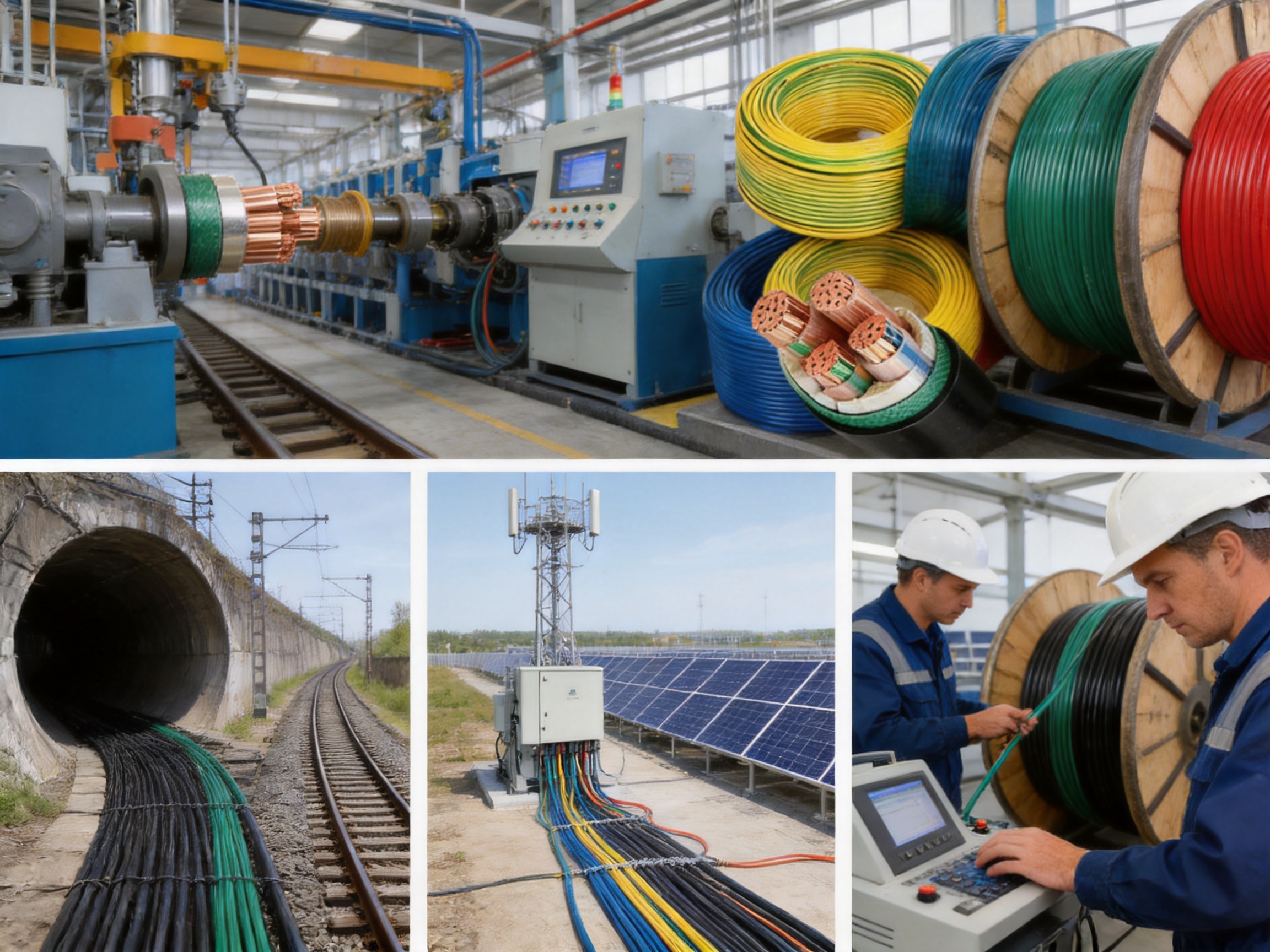
Introduction
Power and signal cables are often designed with electrical performance as the primary consideration. Conductor resistance, insulation quality, voltage rating, thermal capability, and mechanical strength are all essential factors. However, in many installation environments, cable reliability is threatened by another source of failure: biological damage caused by termites, ants, rats, mice, and other rodents.
Underground cables installed near forests, agricultural land, river embankments, orchards, drainage corridors, and rural infrastructure may be exposed to termite activity. Rodents can attack cables in substations, cable trenches, utility tunnels, railway signaling systems, communication stations, and remote power facilities. Once a protective sheath is damaged, moisture and contaminants can reach the insulation and conductive layers. The result may be insulation breakdown, short circuits, signal interruption, fire risk, equipment damage, or complete system failure.
Termite and Rodent Resistant Cable is engineered to address these risks through a combination of specialized sheath materials, reinforced construction, and, where required, physical and chemical protection. Rather than relying only on a conventional outer jacket, this cable family creates a more comprehensive barrier against biting, gnawing, penetration, and environmental stress.
The product range includes termite-resistant cables, rodent-resistant cables, and combined termite-and-rodent-resistant cables. These options allow a project designer or cable purchaser to select protection according to the biological hazards present at a particular site. The products can be developed from corresponding ordinary cable models, meaning that the protection system can be matched with different conductor structures, insulation systems, voltage classes, and application requirements.
Manufactured by Wuxi Guanghuan Cable Co., Ltd., the product family benefits from the company’s experience in power cables, electrical equipment wires, bare conductors, overhead insulated cables, railway and urban rail transit cables, and cables for renewable energy and energy storage applications. Its large-scale production facilities, technical personnel, testing equipment, and quality management systems support consistent manufacturing for demanding infrastructure projects.
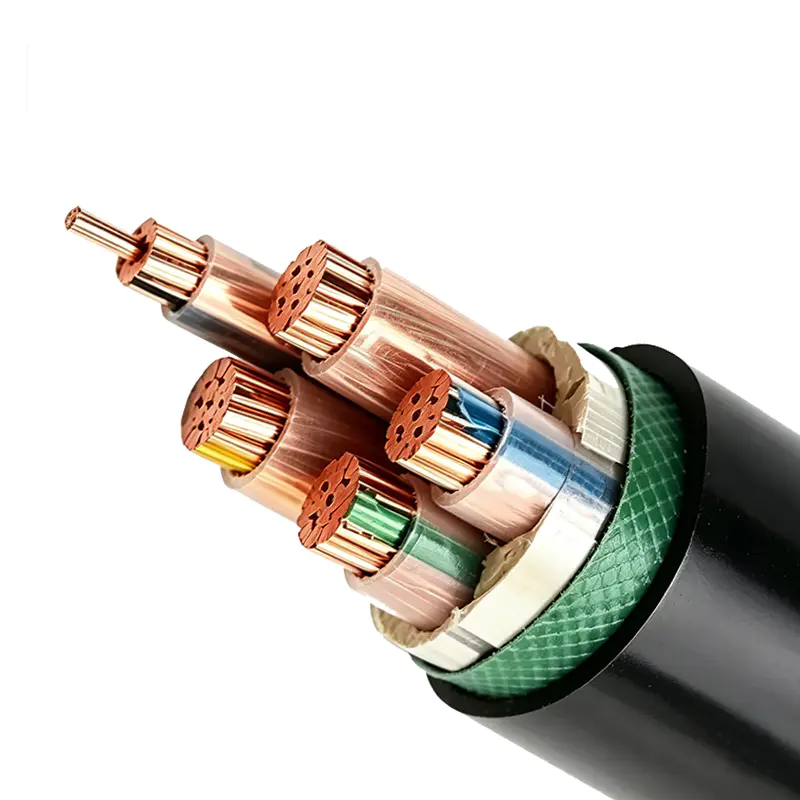
Termite and Rodent Resistant Cable
Why Biological Cable Damage Requires a Dedicated Solution
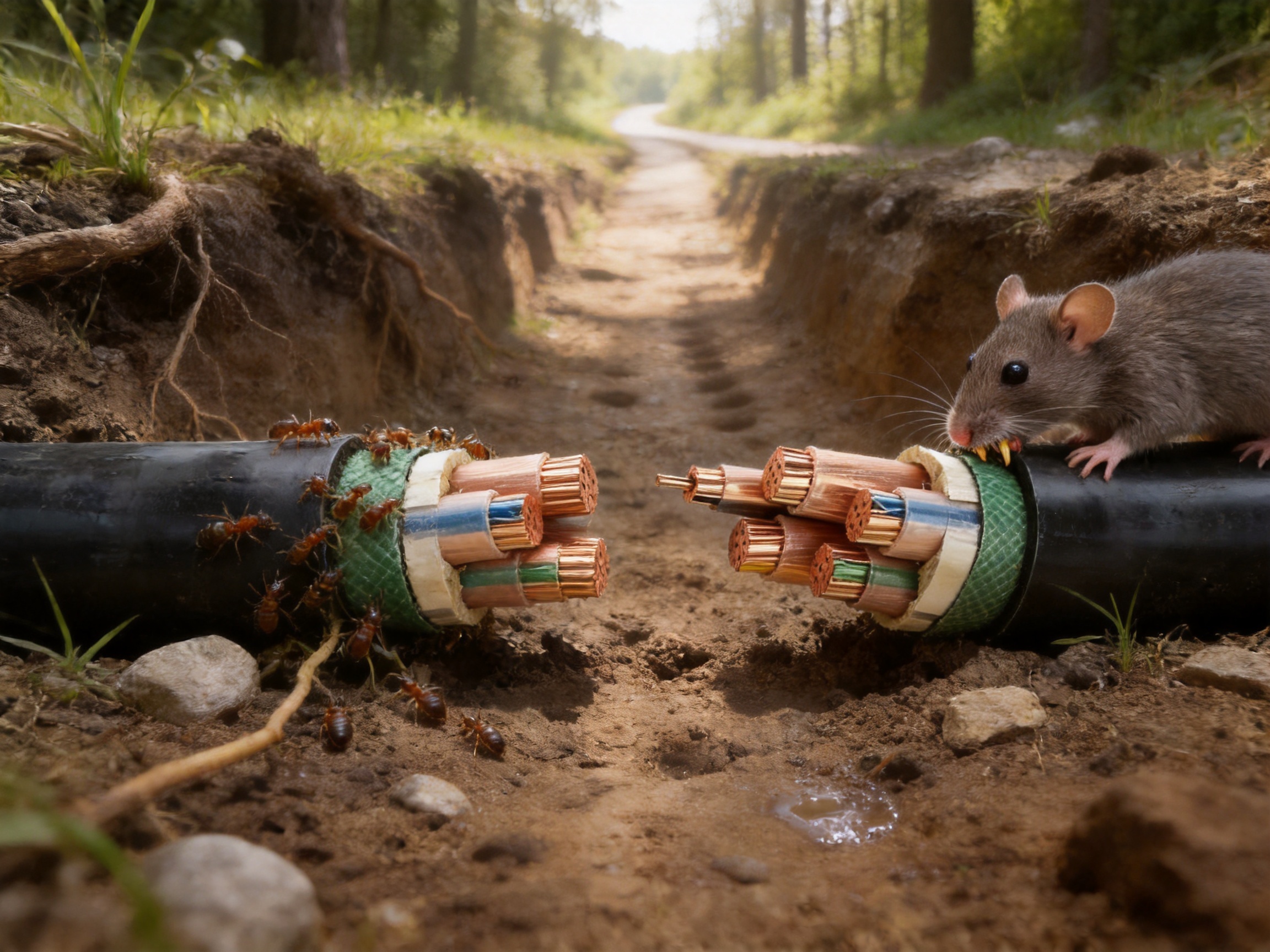
Termites and rodents damage cables in different ways, and a cable that is effective against one type of threat may not provide sufficient protection against the other. Termites may attack polymeric materials and create pathways through the outer sheath. Rodents, by contrast, can exert considerable mechanical force with their teeth and may gnaw through conventional jackets, insulation, or protective coverings.
Biological damage is particularly dangerous because it may not be detected immediately. A small opening in the sheath can allow water, soil particles, chemicals, and microorganisms to enter the cable structure. In medium-voltage cables, moisture ingress can contribute to insulation deterioration and electrical treeing. In control or communication cables, even minor damage may introduce signal interference or intermittent faults.
Many installations are located in areas where regular inspection is difficult or expensive. A cable installed beneath a road, inside a pipe gallery, along a railway, or at a remote telecommunications station may remain inaccessible for long periods. If the cable fails, replacement can require excavation, traffic control, service interruption, specialized labor, and significant restoration costs.
Traditional cables may provide adequate electrical performance but lack a specialized biological defense. Additional conduit or buried protection can help, but these measures may increase installation complexity and may not eliminate the risk at joints, entrances, bends, or exposed sections. A cable with an integrated resistant sheath and reinforced construction provides a more direct approach to the biological hazard.
Termite Threats
Termites may be present in warm, humid, forested, agricultural, and semi-rural environments. Their activity is not restricted to one type of cable route. Underground power cables, outdoor control cables, and cables entering buildings can all be exposed to termite activity when the surrounding soil or structural environment supports colonies.
A conventional polymer jacket may be vulnerable if termites can bite into or continuously attack the material. Damage can develop gradually and may remain hidden below soil, vegetation, flooring, or protective covers. A termite-resistant cable uses a specialized outer sheath intended to discourage attack and provide a more durable barrier.
Rodent Threats
Rodents are common in urban infrastructure, warehouses, agricultural facilities, substations, utility tunnels, railway corridors, and communication installations. Their teeth continue to grow, which encourages gnawing behavior. Cables may be attacked because they are accessible, because their materials are suitable for gnawing, or simply because they are located along a rodent pathway.
Rodent-resistant cable construction emphasizes mechanical strength and hardness. In many designs, a metal protective layer is placed above the inner sheath. This layer helps prevent rodents from reaching the electrically functional portions of the cable even if they attack the outer jacket.
Combined Biological Hazards
Some sites have both termite and rodent risks. Agricultural water conservancy systems, old urban utility corridors, rural substations, railway signal routes, and remote communication stations may require protection against multiple types of biological attack. The combined FSY-X cable is intended for these conditions, integrating termite and rodent resistance in one cable construction.
Product Classification and Selection
The product family is classified according to the main protection objective. The letter “X” represents the corresponding standard cable model and specification. This allows the resistant version to be associated with the electrical and structural characteristics of the base cable.
Code |
Product Name |
Primary Protection Focus |
Typical Selection Consideration |
FY-X |
Termite-resistant cable |
Resistance to termite attack |
Suitable for locations where termites are the main biological hazard |
FSH-X |
Rodent-resistant cable |
Resistance to rodent gnawing |
Suitable for tunnels, substations, utility areas, and other rodent-prone sites |
FSY-X |
Termite- and rodent-resistant cable |
Combined biological protection |
Suitable for locations with complex or uncertain biological risks |
Selection should begin with a site assessment. The purchaser should identify whether the cable will be installed underground, in an open trench, inside a conduit, on a cable tray, in a building, or in an outdoor and remote location. Soil type, humidity, vegetation, nearby structures, known pest activity, accessibility for maintenance, and the cost of possible service interruption should also be considered.
The electrical requirements remain equally important. The selected model must have the correct conductor material, number of cores, cross-sectional area, insulation type, rated voltage, current-carrying capacity, short-circuit capability, screen or armor arrangement, and installation configuration. Biological resistance supplements these characteristics; it does not replace the need for correct electrical design.
Multi-Layer Construction for Long-Term Protection
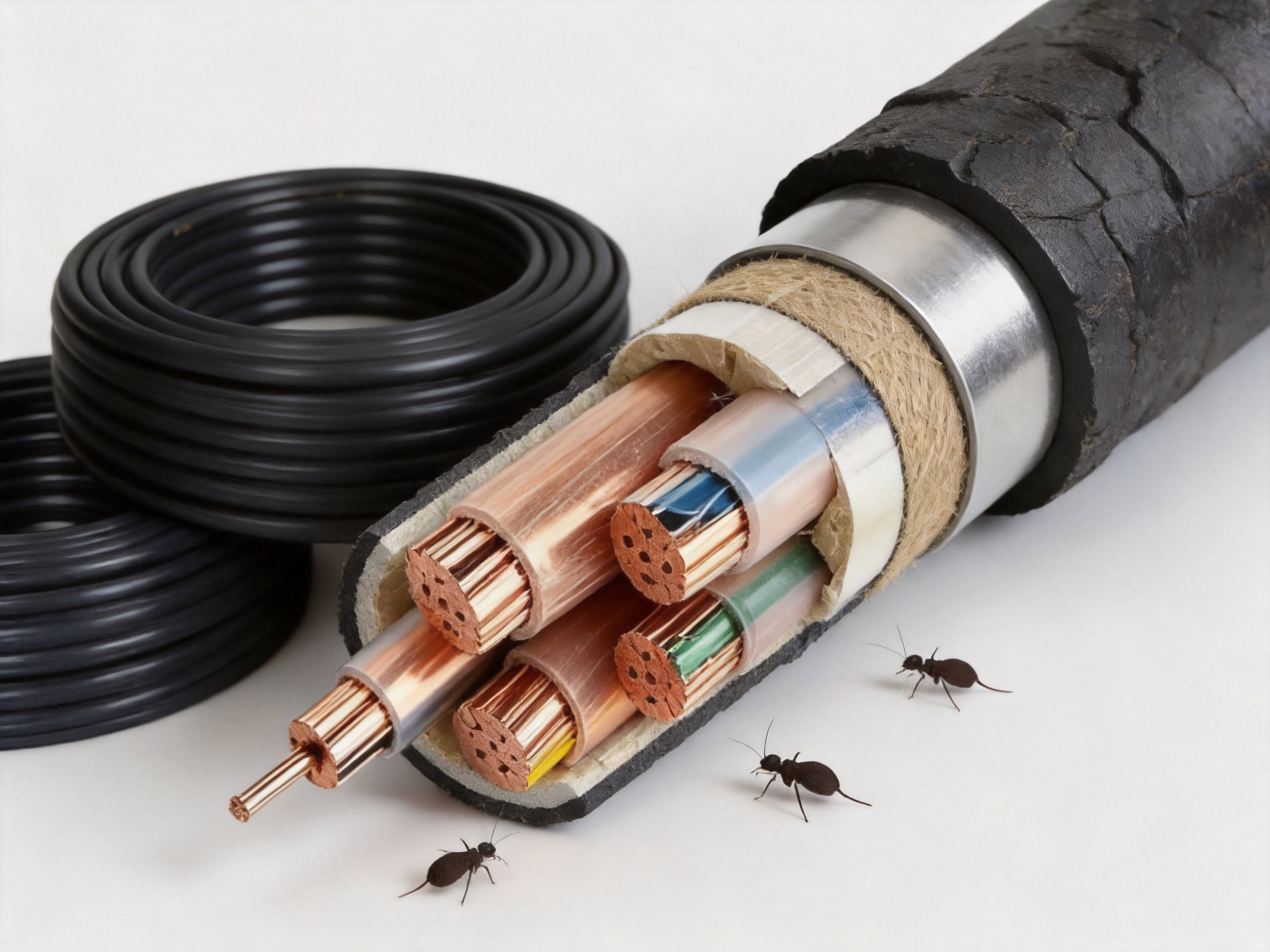
The reliability of a resistant cable depends on the interaction of multiple layers rather than on the outer jacket alone. The construction may include conductive cores, insulation, filling materials, binding tapes, an inner sheath, a metal protective layer, and a specialized outer sheath.
Conductive Core
The conductive core provides the primary path for power or electrical signals. Depending on the corresponding cable model, the conductor may use copper or another suitable conductor configuration. High-quality conductor production is important because resistance, flexibility, jointing performance, and thermal behavior directly affect system efficiency and service life.
For power applications, conductor dimensions must correspond to the required load and voltage drop. For control and signal applications, conductor uniformity and insulation integrity influence transmission stability. A biological protection system is most effective when it is built around a properly manufactured electrical core.
Insulation System
The insulation separates conductors from one another and from external conductive elements. The maximum continuous conductor operating temperature follows the relevant standard for the base cable. For example, a cable using XLPE insulation may be designed around a conductor operating temperature of up to 90°C under applicable conditions.
Insulation must remain stable during manufacturing, installation, normal operation, and short-duration fault conditions. The resistant sheath protects the insulation from external attack, while the insulation itself maintains the electrical separation required for safe operation.
Filling Ropes and Binding Tapes
For multicore cables, filling ropes help maintain the intended cable geometry and support the spaces between insulated cores. Binding tapes hold the assembly together and contribute to dimensional stability. These internal layers help ensure that the cable remains compact and structurally controlled during sheathing, transportation, bending, and installation.
Stable internal geometry is important because uneven pressure or displacement can affect the performance of subsequent protective layers. Consistent assembly also supports reliable outer sheath extrusion and predictable mechanical behavior.
Inner Sheath
The inner sheath provides an additional barrier around the cable core assembly. It can protect the internal components during the application of a metal layer and help isolate the insulation system from external mechanical forces. By separating internal electrical components from outer protective elements, it contributes to the cable’s overall structural integrity.
Metal Protective Layer
A metal protective layer is typically positioned above the inner sheath when stronger physical defense is required. This layer serves as a formidable barrier against rodent attacks and can also improve mechanical protection during handling and installation.
The metal layer must be manufactured with controlled coverage, dimensional consistency, and suitable bonding or forming characteristics. It should not create sharp projections that could damage the outer sheath. Its design must also be compatible with bending requirements, grounding arrangements, fault-current considerations, and the electrical specifications of the base cable.
Specialized Outer Sheath
The outermost sheath is the first line of defense against the surrounding environment. In this product family, the sheath uses specialized materials designed to resist termite and rodent attack. The material is characterized by high hardness, resistance to environmental stress cracking, and chemical stability.
High hardness helps reduce the ability of rodents to penetrate the jacket through gnawing. Resistance to environmental stress cracking helps the sheath withstand long-term exposure to mechanical stress, temperature variation, moisture, and environmental contaminants. Chemical stability helps preserve the protective characteristics of the material in difficult installation environments.
The use of eco-friendly sheath materials is also important. A protective cable should not solve a biological problem by creating an unnecessary ecological burden. The material system is therefore intended to create a long-lasting barrier while supporting responsible use in agricultural, forestry, water conservancy, and urban environments.
How the Protection System Works
The cable uses both physical and functional protection. The physical system includes the hardness of the outer sheath and, where specified, the metal protective layer. The functional system involves material characteristics intended to deter or resist termite and rodent attack.
For termite-resistant models, the specialized sheath is designed to reduce the likelihood that termites will bite through the outer layer. Depending on the selected construction and applicable technical requirements, the material may discourage continued attack upon contact or make penetration difficult.
For rodent-resistant models, high sheath hardness and mechanical reinforcement reduce the probability of rapid penetration. The metal layer provides an additional defense when rodents attempt to gnaw through the cable. This layered approach is more robust than relying only on a thin polymer jacket.
For combined models, the outer material and internal reinforcement work together to address both biological mechanisms. This is particularly valuable when site conditions are not fully predictable or when a cable route passes through several different environments.
The protection is integrated into the manufactured cable. It is not dependent solely on applying a separate coating after installation, placing loose pest deterrents around the cable, or relying on frequent inspections. Integrated protection can reduce the number of separate site measures required, although good installation practice and route management remain essential.
Advantages Compared with Conventional Cable Solutions
Protection Designed into the Cable
A conventional cable may require additional conduit, metal tubing, protective panels, or pest-control measures when installed in a biologically active area. These additions can increase material use, labor, installation time, and maintenance requirements. A resistant cable integrates the main biological defense into the cable structure, allowing the protection to travel continuously along the route.
This does not mean that external protection is never necessary. Heavily trafficked locations, areas with severe crushing risk, and sites with special fire or impact requirements may still require conduit or other measures. However, an integrated resistant cable provides a stronger starting point and can simplify the overall protection strategy.
More Comprehensive Protection than a Single Barrier
Some cable solutions focus only on mechanical strength, while others focus only on material deterrence. The product family combines several mechanisms: a specialized outer sheath, resistance to environmental stress cracking, chemical stability, and, where applicable, a metal protective layer.
Multiple layers improve resilience because biological damage does not occur under perfectly controlled conditions. A rodent may attack an exposed bend, a joint area, or a section where the cable has been stressed. A termite colony may encounter a cable after years of soil movement and environmental exposure. Layered construction helps maintain protection when one part of the system experiences localized stress.
Broad Voltage Coverage
The product family is available across a wide range of rated voltages, from 300/300V low-voltage cables to cables rated up to 26/35kV, according to the relevant series and specification. This broad coverage supports applications ranging from equipment wiring and control circuits to distribution and medium-voltage power networks.
The ability to select a resistant construction across several voltage classes can simplify project standards. Engineers can apply a consistent biological protection concept while selecting the electrical model appropriate for each section of a system.
Reduced Dependence on Frequent Maintenance
Regular inspection remains valuable, but resistant cables are designed for locations where frequent access may be difficult. Remote stations, railway routes, underground utility corridors, and buried power facilities can be expensive to inspect or repair.
By increasing resistance to biological damage, the cable can help reduce the likelihood of unplanned outages and emergency replacement. The economic benefit is not limited to the cable itself. Avoided costs may include excavation, traffic management, equipment shutdown, production losses, signal disruption, and emergency labor.
Adaptability to Different Site Conditions
Termite-resistant, rodent-resistant, and combined models provide a more precise alternative to using one universal cable for every site. A project in a forested area may prioritize termite resistance. A utility tunnel in an older urban district may prioritize rodent resistance. A rural railway or remote communication site may require combined protection.
This classification allows the protection level to be aligned with actual risk instead of applying unnecessary features to every cable route. It also provides an option for projects where future biological conditions are uncertain.
Compatibility with Established Cable Designs
The designation “X” indicates the type and specification of the ordinary cable on which the resistant design is based. This structure enables the customer to connect the biological protection requirement with an established electrical design. Instead of treating resistant cable as a completely separate product category, the cable can be selected according to the required base construction and then specified with the appropriate protective version.
Manufacturing Strengths and Quality Control
The performance of a termite- and rodent-resistant cable depends on manufacturing precision. A protective concept is only reliable when the conductor, insulation, internal assembly, metal layer, and outer sheath are produced with consistent dimensions and verified quality.
Wuxi Guanghuan Cable Co., Ltd. operates as a large cable manufacturer with production and testing capabilities covering power cables, electrical equipment wires, bare conductors, overhead insulated cables, rail transit cables, and renewable energy-related products. The company was founded in 1998 and is headquartered in Guanlin Town, Yixing City, Jiangsu Province, an area recognized as an important cable manufacturing center in China.
The company covers more than 100,000 square meters, including more than 45,000 square meters of building area. It operates over 70 advanced production and testing lines and employs more than 140 people, including over 30 technical professionals. This combination of production scale and technical staffing supports the manufacture of a broad range of cable structures and specifications.
Controlled Conductor Production
Conductor production requires attention to material quality, dimensional accuracy, stranding, surface condition, and electrical resistance. Online control and laboratory verification help ensure that the core remains consistent from one production length to another.
For larger power cables, conductor geometry influences flexibility, current distribution, jointing, and installation behavior. For smaller electrical equipment wires, dimensional control supports efficient termination and stable insulation coverage. Consistent conductor production is therefore an essential foundation for the resistant cable.
Insulation and Sheath Extrusion
Extrusion quality directly affects insulation thickness, concentricity, surface finish, and long-term dielectric performance. The same is true for the inner and outer sheaths. Uneven extrusion can create thin points, localized stress, or dimensional variation that may reduce mechanical and environmental performance.
Online eccentricity monitoring is used to help control the position and uniformity of extruded layers. Monitoring during production is valuable because it allows deviations to be identified while the cable is being manufactured rather than only after a finished length has been completed.
Metal Layer Application
Where the construction includes a metal protective layer, the application process must maintain proper coverage and forming quality. The layer should provide a continuous physical barrier without compromising cable flexibility beyond the requirements of the applicable standard.
Manufacturing controls may include dimensional inspection, surface checks, coverage verification, and tests related to mechanical performance. The metal layer must also be compatible with the inner sheath and outer resistant jacket so that the finished cable behaves as an integrated structure.
High-Voltage and Partial Discharge Testing
Electrical testing is necessary to verify the insulation system and the finished cable’s ability to withstand the specified voltage. High-voltage series resonance testers can support testing of power cable insulation under controlled conditions. Partial discharge detection is also important for identifying localized defects or imperfections in insulation systems used for medium-voltage and higher-performance cables.
These tests are especially relevant when a resistant cable is intended for infrastructure where failure would be difficult to locate or repair. The biological protection cannot compensate for an electrical defect, so mechanical and biological resistance must be supported by sound electrical quality.
Process-Based Quality Management
The manufacturer implements quality management throughout the production process. This approach includes control of incoming materials, process parameters, dimensional inspection, electrical testing, finished product evaluation, and documentation. Consistent procedures are important when producing many cable categories and a large number of specifications.
The company maintains ISO 9001 quality management certification, along with ISO 14001 environmental management, ISO 45001 occupational health and safety, and ISO 50001 energy management certifications. It also holds certifications and management systems related to intellectual property, green management, social responsibility, and after-sales service.
These systems provide a structured basis for production control and customer support. They also demonstrate that the product is manufactured within a broader management framework rather than through isolated inspection at the end of the line.
Environmental and Operational Performance
The cable is intended for harsh environments where biological attack may occur alongside moisture, soil contact, temperature variation, mechanical stress, and difficult maintenance access. The outer sheath is designed with resistance to environmental stress cracking and chemical stability, supporting long-term service under demanding conditions.
Environmental responsibility is an important part of the product concept. The use of environmentally friendly sheath materials aims to provide biological protection without unnecessarily harming the surrounding ecosystem. This consideration is especially relevant in forestry, agriculture, water conservancy, and rural infrastructure projects, where cable routes may pass through sensitive or economically important environments.
Environmental performance should be evaluated together with the complete project design. Correct cable sizing reduces energy losses. Durable cable construction can reduce replacement frequency and the material consumption associated with repeated repairs. Reliable cables can also reduce the environmental disruption caused by excavation and emergency maintenance.
Temperature Capability
The maximum continuous conductor operating temperature is determined by the applicable standard for the base cable. For example, XLPE-insulated constructions may allow a conductor operating temperature of 90°C under relevant operating conditions. The actual permissible current depends on installation method, ambient temperature, grouping, soil thermal characteristics, and other design factors.
The resistant outer sheath must remain stable across the expected service temperature range. The complete cable should therefore be selected according to the project’s electrical and environmental requirements rather than by biological protection alone.
Installation Temperature
The recommended ambient temperature for installation is not lower than 0°C. When installation is carried out in an environment above 0°C, construction can generally proceed without preheating, subject to the applicable product instructions and project conditions.
Cold-weather installation should be planned carefully. Excessive bending or impact when polymeric materials are cold can create unnecessary stress. The cable should be stored, handled, and installed according to the manufacturer’s instructions and the requirements of the relevant cable standard.
Bending Radius
The allowable bending radius must follow the relevant wire and cable standards and the specific product specification. A cable should not be bent more tightly than permitted, especially when it contains a metal protective layer or multiple reinforced components.
Respecting the minimum bending radius protects the conductor, insulation, inner sheath, metal layer, and outer jacket from excessive stress. It also helps preserve the continuity of the biological barrier at bends and terminations.
Application Areas
Agriculture, Forestry, and Water Conservancy
Agricultural facilities, orchards, irrigation systems, pumping stations, forest roads, river embankments, and water management infrastructure may be exposed to termites and other organisms. Cable routes in these areas may be buried in soil, installed in open areas, or placed near vegetation and water channels.
Termite-resistant or combined cables can help protect power supplies for pumps, monitoring equipment, lighting, control systems, and remote facilities. Their environmental design is also appropriate for projects where cable protection must be balanced with concern for the surrounding landscape.
Underground Utility Corridors
Urban pipe galleries, service tunnels, cable trenches, and underground distribution routes often provide sheltered conditions for rodents. Limited ventilation, stored materials, access openings, and nearby waste systems may contribute to rodent activity.
Rodent-resistant cable can reduce the risk of damage to power, control, fire protection, communication, and monitoring circuits. The metal protective layer is particularly valuable where a cable is accessible to rodents and where replacement would require major disruption to urban operations.
Substations and Power Grid Renovation
Substations and older power facilities can contain cable channels, control rooms, trenches, and equipment spaces where rodents may be present. During grid renovation, replacing conventional cables with resistant models can improve the resilience of new sections without requiring complete redesign of the facility.
The appropriate cable must still be selected according to voltage class, short-circuit conditions, grounding, fire requirements, installation arrangement, and connection accessories. Biological resistance is an additional reliability feature within the broader electrical design.
Telecommunication Base Stations
Remote communication stations may be located in forests, rural areas, hills, or industrial zones. Maintenance teams may need to travel significant distances to inspect or replace damaged cables. A resistant cable can protect power feeds, control cables, and selected signal circuits from biological damage.
Reduced maintenance exposure is especially valuable when access is affected by weather, terrain, distance, or operational restrictions. The cable can support more stable service for base station equipment and related monitoring systems.
Railway and Urban Rail Transit
Railway signal systems and urban rail facilities require high operational reliability. Cable failure can affect signaling, communications, monitoring, power distribution, or equipment control. Routes may pass through embankments, tunnels, service corridors, station areas, and remote trackside locations.
Termite and rodent resistant constructions can be considered for cable sections where biological risk is known or where inspection and replacement would be particularly disruptive. Product selection should be coordinated with railway-specific fire, smoke, mechanical, electromagnetic, and installation requirements.
Outdoor and Remote Power Facilities
Solar power installations, wind power facilities, energy storage sites, pumping stations, agricultural substations, and remote distribution points may have long cable routes and limited routine access. Rodent and termite damage can interrupt power transmission or control functions at locations where service personnel are not continuously present.
Using an appropriately rated resistant cable can improve the protection of critical connections and reduce exposure to unexpected biological failures.
Recommended Project Specification Process
A successful application begins with clear technical specification. The purchaser should describe the biological threat and the electrical requirements together. A specification that only states “rodent-resistant cable” may not provide enough information for proper product selection.
The following information should be considered:
1. Application: power transmission, control, instrumentation, communication, railway signaling, equipment wiring, or another function.
2. Rated voltage: from low-voltage classes such as 300/300V to medium-voltage classes up to 26/35kV, according to the required series.
3. Conductor: copper or another approved conductor material, cross-sectional area, number of cores, and conductor flexibility.
4. Insulation: PVC, XLPE, or another insulation system required by the base cable specification.
5. Biological threat: termite, rodent, combined termite and rodent, or a site where the threat has not been fully established.
6. Installation environment: direct burial, duct, tunnel, cable trench, tray, building, outdoor route, railway corridor, or remote facility.
7. Mechanical requirements: tensile forces, impact exposure, crushing loads, bending conditions, and the need for a metal protective layer.
8. Environmental requirements: soil moisture, temperature, chemical exposure, ultraviolet radiation, water contact, and potential environmental sensitivity.
9. Regulatory requirements: applicable national, industry, enterprise, railway, utility, fire safety, and project-specific standards.
10. Testing and documentation: routine tests, type tests, inspection records, certificates, packaging requirements, and traceability.
Installation and Handling Guidance
Although resistant cable is designed for difficult environments, careful installation is necessary to preserve its protective performance. Cable drums should be handled without impact, and the cable should not be dragged over sharp surfaces or pulled beyond the permitted tension.
The cable route should be inspected before installation. Sharp stones, construction debris, standing water, unstable ground, and excessive heat sources should be addressed. Where direct burial is used, the bedding and backfill should be suitable for the cable construction and local engineering requirements.
During pulling, the installer should use appropriate rollers, guides, pulling equipment, and tension control. Excessive sidewall pressure at bends can damage the outer sheath or distort internal layers. The specified minimum bending radius must be maintained throughout installation.
Cut cable ends should be protected from moisture and contamination. Terminations, joints, gland assemblies, and entry points require special attention because they can become vulnerable areas if not correctly installed. The accessories must be compatible with the cable diameter, insulation system, metal layer, voltage class, and environmental conditions.
External pest-control measures should be managed responsibly. The resistant cable is designed to reduce biological damage, but good housekeeping, sealed access points, vegetation management, and appropriate civil construction practices can further reduce pest activity. The use of chemical treatments should comply with local environmental and safety requirements.
Why Manufacturing Scale Matters to Buyers
Large infrastructure projects often require many cable types, sizes, and delivery lengths. A supplier with experience across multiple product categories can coordinate related requirements more efficiently than a source that produces only one specialized cable type.
Wuxi Guanghuan Cable Co., Ltd. offers more than 100 product categories and over 30,000 specifications under its registered “Liguang” brand. Its manufacturing scope includes power cables, electrical equipment wires and cables, bare conductors, overhead insulated cables, high-speed railway and urban rail transit cables, and cables for energy storage, photovoltaic, and wind power applications.
This broad product experience can support projects that require both standard cables and specialized resistant constructions. It also indicates familiarity with different insulation systems, conductor designs, voltage levels, installation environments, and testing requirements.
The company has achieved annual sales revenue of approximately RMB 2 billion and an annual output value exceeding RMB 3 billion. These figures reflect substantial production activity and provide an indication of its ability to support larger orders, recurring supply programs, and infrastructure customers.
In addition to production capacity, the company has passed qualification and capability verification for power cables and conductors conducted by the State Grid Corporation of China. It serves power companies and major energy and engineering enterprises across China. Such experience is relevant to customers seeking a supplier familiar with formal technical review, quality documentation, and project delivery requirements.
Quality, Certification, and Technical Confidence
Certification does not replace product-specific evaluation, but it provides useful evidence of a manufacturer’s management systems and operating discipline. The company holds ISO 9001, ISO 14001, ISO 45001, and ISO 50001 certifications. These cover quality, environmental management, occupational health and safety, and energy management.
The company has also obtained GB/T 29490, Green Management System, Social Responsibility Management System, and After-Sales Service Management System certifications. Its products have received CCC, TÜV, product carbon footprint, China Energy-Saving and Environmentally Friendly Product, and other certifications.
For a buyer, the practical value of these systems lies in traceability, controlled procedures, documented testing, personnel competence, and a defined approach to customer support. When purchasing resistant cables for a critical project, customers should request the applicable product standard, technical data sheet, test reports, inspection records, and installation recommendations.
Special attention should be paid to whether the requested cable has been evaluated under the exact construction and voltage rating required. The customer should not assume that test evidence for an ordinary cable automatically applies to a termite- and rodent-resistant version or to a different conductor size.
Q&A: Termite and Rodent Resistant Cable
What is a termite and rodent resistant cable?
It is a cable designed with specialized materials and structural layers to reduce the risk of damage caused by termites and rodents. Depending on the model, protection may include a hard and environmentally suitable outer sheath, a metal protective layer, and material characteristics intended to deter biological attack.
What is the difference between FY-X, FSH-X, and FSY-X?
FY-X is intended primarily for termite resistance. FSH-X is intended primarily for rodent resistance and emphasizes mechanical protection. FSY-X combines termite and rodent resistance for sites where both hazards may be present. The “X” represents the corresponding ordinary cable model and specification.
Can these cables be used outdoors?
They can be considered for outdoor and remote applications when the selected model meets the project’s voltage, temperature, ultraviolet, moisture, mechanical, and installation requirements. The exact outdoor suitability should be confirmed through the product specification and technical documentation.
Are these cables suitable for direct burial?
Some constructions may be suitable for direct burial when specified for that purpose. Direct burial requires correct bedding, backfill, route protection, drainage, burial depth, and installation practice. The purchaser should confirm the approved installation method for the selected cable.
What voltage range is available?
The product family covers specialized models from approximately 300/300V to 26/35kV, depending on the series and specification. The required voltage class should be stated when requesting a quotation or technical proposal.
Does the cable use a metal layer?
A metal protective layer is typically included when stronger physical defense against rodents is required. The exact construction depends on the cable type, voltage, mechanical requirements, and applicable technical standard.
Does biological resistance replace conduit?
No. Biological resistance reduces the risk of pest damage, but conduit or other external protection may still be required for crushing, impact, fire, traffic, security, or special environmental conditions. The complete installation should be designed according to the site risk assessment.
What is the maximum continuous conductor temperature?
The permitted temperature follows the standard for the base cable. For example, an XLPE-insulated cable may have a maximum continuous conductor operating temperature of 90°C under the applicable conditions. The actual value must be confirmed for the selected model.
Can the cable be installed in cold weather?
The recommended installation ambient temperature is not lower than 0°C. When installation takes place above 0°C, preheating is generally not required, subject to the product instructions and site conditions. Cold-weather handling should avoid excessive impact and tight bending.
How should the minimum bending radius be determined?
The allowable bending radius should follow the relevant wire and cable standard and the specific product specification. Cables with metal protective layers or reinforced structures may require particular attention during bends, pulling, and termination.
Are the sheath materials environmentally friendly?
The product concept uses environmentally friendly sheath materials intended to create a long-lasting biological barrier without unnecessarily harming the local ecosystem. Environmental compliance should still be confirmed against the regulations and conditions of the project location.
Where are these cables commonly used?
Typical applications include agriculture, forestry, water conservancy, underground utility corridors, substations, old urban power grid renovation, telecommunication base stations, railway signaling systems, urban rail facilities, remote stations, and outdoor power infrastructure.
What information should be included in an inquiry?
An inquiry should include the required cable code, conductor material and size, number of cores, rated voltage, insulation type, installation method, biological threat, required length, environmental conditions, applicable standard, delivery schedule, and any certification or testing requirements.
Conclusion
Termite and rodent damage is an important but sometimes underestimated cause of cable failure. In locations where cables are buried, remotely installed, difficult to inspect, or exposed to biological activity, conventional electrical performance alone may not be sufficient.
Termite and Rodent Resistant Cable provides a dedicated solution by combining specialized outer sheath materials, resistance to environmental stress cracking, chemical stability, and physical reinforcement. The FY-X, FSH-X, and FSY-X classifications allow customers to match the protection system with termite risks, rodent risks, or both.
The product family offers broad voltage coverage from 300/300V to 26/35kV according to the applicable series. It can be associated with different ordinary cable models, allowing the electrical design to remain aligned with the project while adding a biological protection function.
Its value is strongest in agriculture, forestry, water conservancy, underground infrastructure, substations, railway systems, telecommunications, and remote power facilities. In these applications, preventing biological damage can reduce service interruptions, maintenance operations, excavation, emergency replacement, and the long-term cost of ownership.
Manufacturing quality is central to this performance. Wuxi Guanghuan Cable Co., Ltd. combines a broad cable product portfolio, more than 70 production and testing lines, technical personnel, online monitoring, high-voltage testing, partial discharge detection, and comprehensive management certifications. These capabilities support the consistent production of specialized cable structures for demanding customers.
For the best result, the cable should be selected through a complete engineering assessment covering biological hazards, electrical requirements, mechanical conditions, environmental exposure, installation method, accessories, and applicable standards. When correctly specified and installed, termite and rodent resistant cable can provide a durable and practical layer of protection for critical power and signal transmission systems.
References
1. Enterprise technical requirements for termite-resistant, rodent-resistant, and combined termite- and rodent-resistant cables.
2. Relevant wire and cable standards covering rated voltage, conductor temperature, insulation performance, mechanical construction, bending radius, and installation conditions.
3. Technical documentation for XLPE-insulated low-voltage and medium-voltage power cables.
4. ISO 9001 Quality Management Systems — Requirements.
5. ISO 14001 Environmental Management Systems — Requirements with Guidance for Use.
6. ISO 45001 Occupational Health and Safety Management Systems — Requirements with Guidance for Use.
7. ISO 50001 Energy Management Systems — Requirements with Guidance for Use.
8. Technical guidance for cable installation, direct burial, cable pulling, bending radius, jointing, and termination.
9. Project engineering practices for pest-resistant cable protection in power, railway, telecommunications, agricultural, and underground infrastructure applications.
Product: Termite and Rodent Resistant Cable

-
Termite and Rodent Resistant Cable
-
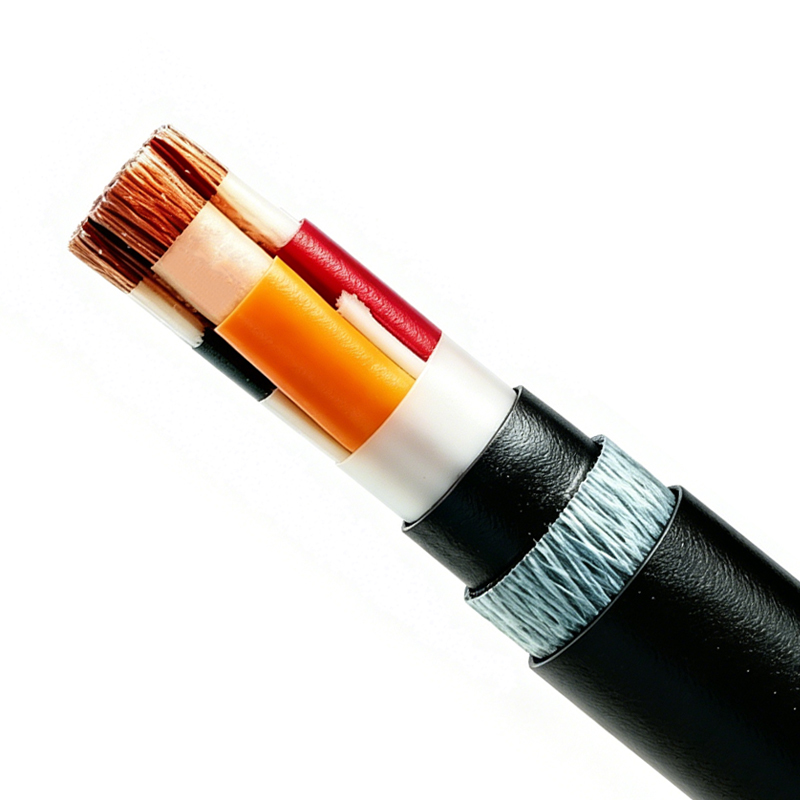
Flame-Retardant and Fire-Resistant Cable Series
-
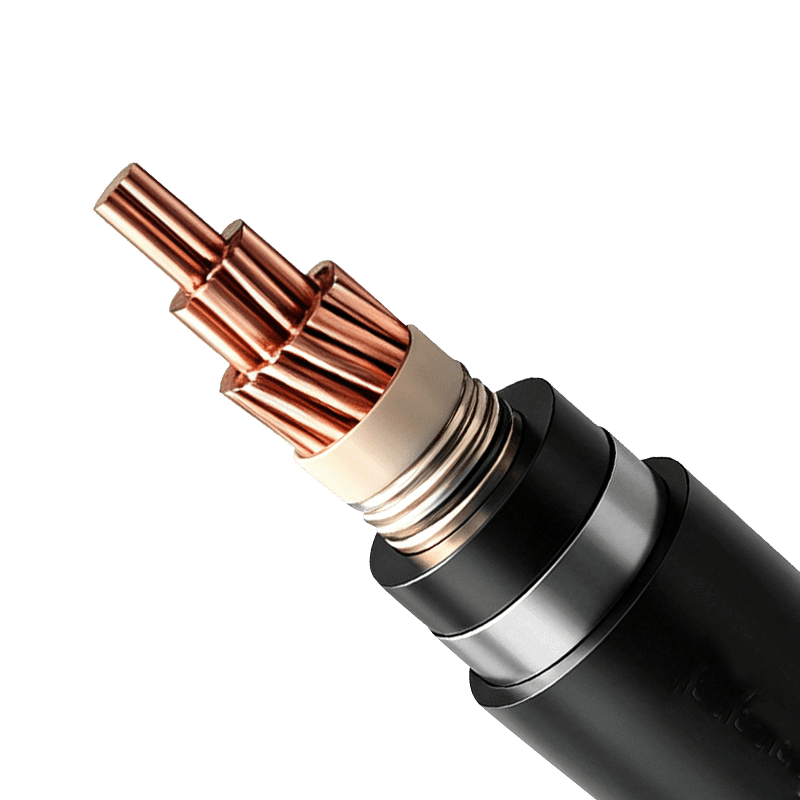
Power Cable for Subway and Urban Rail Transit (Rated Voltage 35kV)
-
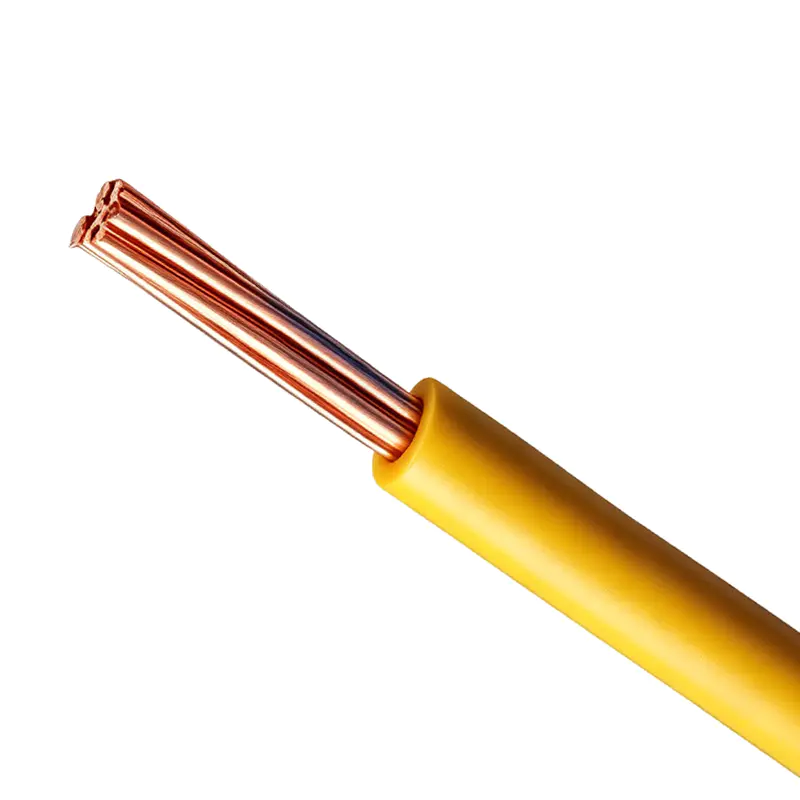
PVC Insulated Cable and Wire (Rated Voltage 450/750V and below)
-
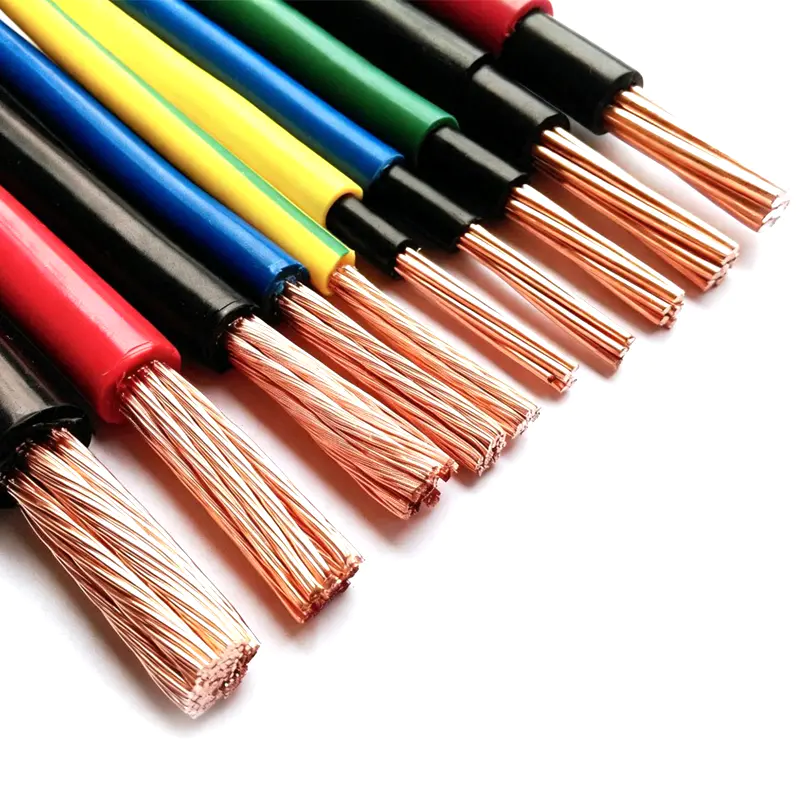
Cross-linked Polyolefin (XLPO) Insulated Wire and Cable (Rated Voltage 450/750V and below)

Copyright © Wuxi Guanghuan Cable Co., Ltd. All Rights Reserved. Power Cables Manufacturer Electrical Wire And Cable Factory

