


 English
 中文简体
 русский
 Español
 عربى

Plastic Insulated Control Cable: Reliable Signal Transmission for Industrial Automation and Power Systems
Content
- 1 1. The Role of Control Cables in Modern Electrical Systems
- 2 2. Product Overview and Main Advantages
- 3 3. Construction and Materials
- 4 4. Product Models and Their Structural Functions
- 5 5. Electrical and Thermal Performance
- 6 6. Bending Radius and Installation Design
- 7 7. Applications in Industrial Automation
- 8 8. Manufacturing Strengths and Quality Assurance
- 9 9. Advantages Compared with Less Specialized Alternatives
- 10 10. How to Select the Correct Cable
- 11 11. Core Counts and Production Range
- 12 12. Installation, Handling, and Maintenance Recommendations
- 13 13. Support for Customized Cable Requirements
- 14 14. Company Manufacturing and Service Strengths
- 15 15. Frequently Asked Questions
- 15.1 Q1: What are plastic insulated control cables used for?
- 15.2 Q2: What is the rated voltage of this cable series?
- 15.3 Q3: What is the difference between PVC and XLPE insulation?
- 15.4 Q4: When should a shielded control cable be selected?
- 15.5 Q5: When is armored cable necessary?
- 15.6 Q6: Are flexible models available?
- 15.7 Q7: What minimum bending radius should be maintained?
- 15.8 Q8: Can special fire-performance cables be supplied?
- 15.9 Q9: What conductor sizes and core counts are available?
- 15.10 Q10: Which standard governs the product?
- 15.11 Q11: How should the correct model be chosen?
- 15.12 Q12: Can the manufacturer support large industrial projects?
- 16 16. Conclusion
- 17 References
- 18 Product: Plastic Insulated Control Cable
Plastic insulated control cables are essential components in modern industrial electrical systems. They connect control panels, sensors, actuators, relay devices, monitoring instruments, protection equipment, and automated machinery. Although control cables do not normally carry the same power levels as primary transmission cables, their role is fundamental: they transmit commands and feedback signals that determine how industrial equipment operates.
A control system can only perform as reliably as its communication and wiring infrastructure. A cable with poor insulation, inadequate shielding, insufficient mechanical protection, or unsuitable flexibility can introduce signal errors, unplanned shutdowns, maintenance problems, and safety risks. For this reason, the selection of a control cable must consider electrical performance, installation conditions, electromagnetic compatibility, temperature, mechanical stress, bending requirements, and long-term service reliability.
The plastic insulated control cable series supplied by Wuxi Guanghuan Cable Co., Ltd. is designed for control, monitoring, protection, and signal transmission applications with rated voltages of 450/750 V and below. The series includes unshielded, shielded, flexible, copper-tape-screened, composite-tape-screened, steel-tape-armored, and steel-wire-armored constructions. PVC and XLPE insulation options allow users to select a cable according to the required thermal performance, installation environment, and operating conditions.
Manufactured in accordance with GB/T 9330-2008 and applicable enterprise specifications, these cables combine high-purity copper conductors, carefully selected insulation materials, optional electromagnetic shielding, and protective armor structures. The result is a versatile product family suitable for industrial automation lines, substations, power distribution rooms, process control systems, relay protection circuits, and a wide range of electrical equipment.
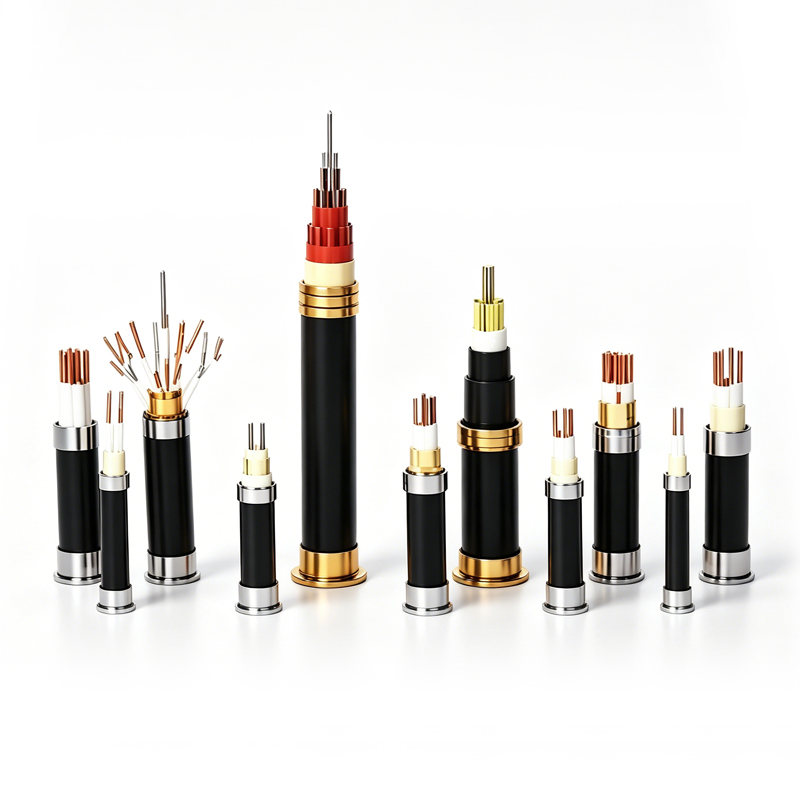
Plastic Insulated Control Cable
1. The Role of Control Cables in Modern Electrical Systems
Industrial control systems depend on the accurate movement of information. Sensors detect temperature, pressure, flow, position, speed, and other operating conditions. Controllers process these signals and issue instructions to motors, valves, circuit breakers, actuators, and other field devices. Control cables provide the physical transmission path between these components.
In an automated production line, for example, a control cable may connect a proximity sensor to a programmable logic controller. Another cable may connect the controller to a motor starter or emergency shutdown circuit. In a substation, control cables can connect relay protection equipment, measurement instruments, switchgear, and remote monitoring equipment. The cable may carry a low-level analog signal, a digital command, an alarm signal, or a circuit used to operate protective equipment.
Control cable performance directly influences system accuracy and availability. The cable must maintain insulation resistance between conductors and between conductors and ground. It must also resist interference from adjacent power cables, variable-frequency drives, motors, transformers, switching devices, and other sources of electromagnetic noise.
Different installations create different demands. A fixed cable installed inside a control cabinet may require a compact and economical PVC construction. A cable routed near strong electromagnetic fields may need copper braid or copper tape shielding. A cable installed outdoors or in a location exposed to impact may require steel tape or steel wire armor. A cable connected to moving equipment may need a flexible conductor and a smaller bending radius.
The plastic insulated control cable range addresses these requirements through multiple structural combinations. Instead of using one standard construction for every application, users can select a cable based on the environment and the required balance of flexibility, shielding, thermal resistance, mechanical protection, and cost.
2. Product Overview and Main Advantages
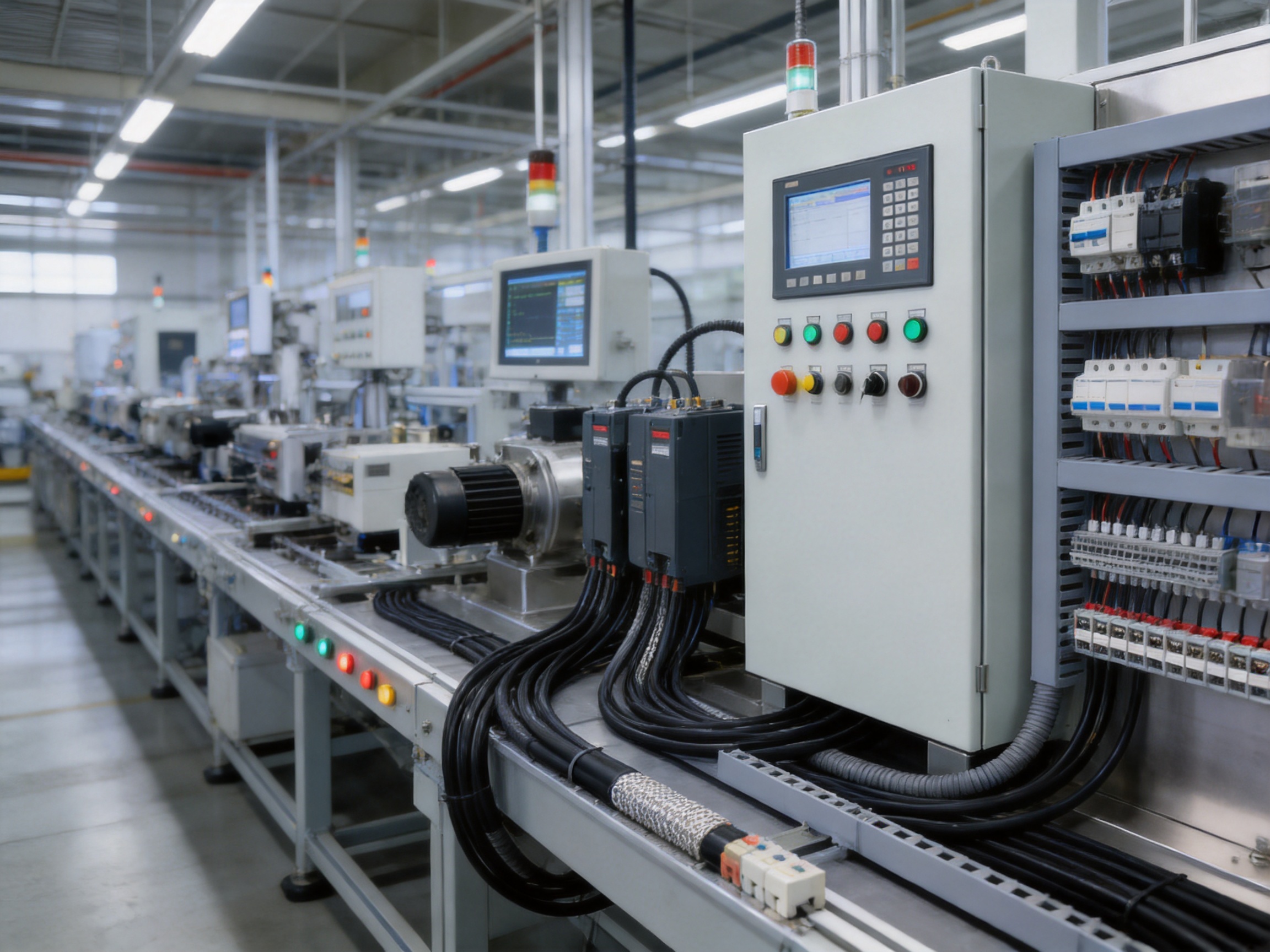
Plastic insulated control cables use thermoplastic or cross-linked plastic materials to provide electrical insulation around copper conductors. The cable may then include a collective shield, individual or overall screening layer, inner sheath, armor, and outer sheath depending on the product type.
The principal advantages of this product family include reliable electrical insulation, stable signal transmission, broad model availability, selectable mechanical protection, and suitability for both fixed and flexible installations.
2.1 Reliable Electrical Insulation
PVC insulation offers dependable insulation resistance, good dielectric strength, practical processing characteristics, and broad compatibility with industrial environments. It is widely used in conventional control and instrumentation systems where the normal conductor temperature remains within the PVC operating range.
XLPE insulation provides enhanced thermal performance and favorable electrical properties. It permits a maximum continuous conductor operating temperature of 90°C under the stated product conditions, compared with 70°C for PVC-insulated constructions. XLPE can therefore be advantageous where the cable is installed near heat-generating equipment or where a higher continuous operating margin is required.
2.2 High-Conductivity Copper Conductors
The conductors are manufactured from high-purity electrical-grade copper. Copper provides low electrical resistance, strong conductivity, dependable termination performance, and good compatibility with standard control equipment terminals.
Rigid conductor constructions are appropriate for fixed installations, control cabinets, distribution rooms, and permanently routed cable systems. Flexible conductor constructions, such as KVVR and KVVRP, are suitable where the cable must be routed around equipment, connected to moving components, or installed in locations requiring easier handling.
2.3 Protection Against Electromagnetic Interference
Electromagnetic interference can affect analog measurements, communication signals, sensor outputs, and control commands. The product family includes several shielding options for applications with different interference levels.
Braided copper shielding provides a conductive barrier around the insulated cores and can also offer useful mechanical reinforcement. Copper tape shielding provides a continuous or substantially continuous screening layer with good coverage. Aluminum/plastic composite tape and copper/plastic composite tape structures may be selected when a specific combination of shielding coverage, weight, flexibility, and manufacturing requirements is needed.
Shielding is particularly important when control cables are installed near motor power cables, frequency converters, high-current busbars, transformers, contactors, or switching devices. Correct grounding and installation practice are also essential. A shield cannot compensate for poor routing, improper termination, or incorrect grounding design.
2.4 Mechanical Protection Through Armor
Steel tape armor and steel wire armor provide additional resistance to compression, impact, abrasion, and other mechanical stresses. Armored cables are useful in industrial facilities, cable trenches, equipment areas, and installations where the cable may be exposed to accidental impact or external pressure.
Steel tape armor is commonly selected when protection against compression and general mechanical damage is required. Steel wire armor can provide stronger mechanical protection and may be preferred for applications involving higher pulling forces or more demanding installation conditions. The correct armor type depends on the cable route, installation method, expected external stress, and applicable project specifications.
2.5 Broad Product Selection
A significant advantage of the series is the availability of numerous combinations. The range includes standard PVC-insulated cables, braided-shielded cables, copper-tape-shielded cables, composite-tape-shielded cables, flexible cables, XLPE-insulated cables, and armored versions.
This modular approach helps engineers avoid over-specifying every circuit. A simple fixed control circuit may use an unshielded PVC cable, while a sensitive measurement circuit may use a screened XLPE cable. A cable routed through a high-risk industrial area may use an armored construction. Each design can be matched to the actual service conditions.
3. Construction and Materials
3.1 Conductor
The conductor is the primary electrical path. High-purity copper is selected to provide dependable conductivity and stable contact performance. Conductor cross-sectional areas in the stated production range include 0.5, 0.75, 1.0, 1.5, 2.5, 4, 6, and 10 mm².
The required conductor size depends on the current carried by the circuit, the permissible voltage drop, the length of the cable, the ambient temperature, the installation method, and the requirements of the connected equipment. Although control circuits frequently carry relatively low current, some circuits operate solenoids, contactors, brake devices, or other loads that require careful conductor sizing.
Rigid conductors are normally selected for fixed wiring. Flexible conductors are constructed from finer wires arranged to improve bending performance. The choice between rigid and flexible construction should be made according to the movement, vibration, routing, and termination requirements of the application.
3.2 Insulation
The insulation system separates the conductor from adjacent conductors and from the cable screen or armor. It must maintain electrical integrity during manufacturing, installation, and service.
PVC insulation is widely used because it offers practical mechanical strength, reliable electrical performance, and economical production. XLPE insulation provides a higher maximum continuous operating temperature and can deliver improved thermal capacity in suitable applications.
Insulation selection should also account for installation temperature. The stated recommendation is that the ambient temperature during installation should not be lower than 0°C. Installing plastic-insulated cables in very cold conditions can reduce material flexibility and increase the risk of cracking or damage during bending.
3.3 Shielding Layers
Shielding can be formed with copper wire braid, copper tape, aluminum/plastic composite tape, or copper/plastic composite tape. The appropriate construction depends on the required screening effectiveness, flexibility, mechanical characteristics, and termination method.
Shielded cables are generally installed with attention to shield continuity. The shield should be terminated according to the system grounding design, equipment instructions, and electromagnetic compatibility requirements. Leaving a shield disconnected, grounding it incorrectly, or creating unnecessary ground loops can reduce the benefit of the screening layer.
3.4 Armor and Sheath
Armor is positioned beneath the outer sheath and protects the cable core from external mechanical forces. The sheath forms the outer environmental barrier and helps protect the underlying layers from abrasion, moisture, contamination, and handling damage.
The cable models include PVC-sheathed and polyethylene-sheathed constructions, as well as versions designed for special flame-retardant, fire-resistant, low-smoke, low-halogen, halogen-free, and acid-alkali-resistant requirements when requested. Such options should be confirmed during technical specification and quotation because special performance requirements may affect materials, dimensions, testing, and delivery conditions.
4. Product Models and Their Structural Functions
The model designation identifies the principal insulation, sheath, shielding, flexibility, and armor features. Since model nomenclature can vary between standards and technical documents, the final purchasing specification should always confirm the complete construction with the manufacturer.
Model |
General construction and application characteristic |
KVV |
PVC-insulated and PVC-sheathed fixed control cable for general control and signal circuits. |
KVVP |
PVC-insulated and PVC-sheathed braided-shielded control cable for improved electromagnetic interference resistance. |
KVVP2 |
PVC-insulated and PVC-sheathed copper-tape-shielded control cable. |
KVVP3 |
PVC-insulated and PVC-sheathed aluminum/plastic composite tape-shielded control cable. |
KVVP4 |
PVC-insulated and PVC-sheathed copper/plastic composite tape-shielded control cable. |
KVV22 |
PVC-insulated and PVC-sheathed steel-tape-armored control cable for added mechanical protection. |
KVVP2-22 |
Copper-tape-shielded, steel-tape-armored PVC control cable for interference-sensitive and mechanically exposed routes. |
KVV32 |
PVC-insulated and PVC-sheathed steel-wire-armored control cable for demanding mechanical environments. |
KVVR |
Flexible PVC-insulated and PVC-sheathed control cable for installations requiring improved flexibility. |
KVVRP |
Flexible control cable with braided shielding for moving or interference-sensitive applications. |
KYJV |
XLPE-insulated and PVC-sheathed control cable with higher thermal capability. |
KYJVP |
XLPE-insulated, PVC-sheathed, braided-shielded control cable. |
KYJVP2 |
XLPE-insulated, PVC-sheathed, copper-tape-shielded control cable. |
KYJVP3 |
XLPE-insulated, PVC-sheathed, aluminum/plastic composite tape-shielded control cable. |
KYJVP4 |
XLPE-insulated, PVC-sheathed, copper/plastic composite tape-shielded control cable. |
KYJV22 |
XLPE-insulated, PVC-sheathed, steel-tape-armored control cable. |
KYJVP2-22 |
XLPE-insulated, copper-tape-shielded, steel-tape-armored control cable. |
KYJV32 |
XLPE-insulated, PVC-sheathed, steel-wire-armored control cable. |
KYJY |
XLPE-insulated and polyethylene-sheathed control cable. |
KYJYP |
XLPE-insulated, polyethylene-sheathed, braided-shielded control cable. |
KYJYP2 |
XLPE-insulated, polyethylene-sheathed, copper-tape-shielded control cable. |
KYJYP3 |
XLPE-insulated, polyethylene-sheathed, aluminum/plastic composite tape-shielded control cable. |
KYJYP4 |
XLPE-insulated, polyethylene-sheathed, copper/plastic composite tape-shielded control cable. |
KYJY23 |
XLPE-insulated, polyethylene-sheathed, steel-tape-armored control cable. |
KYJYP2-23 |
XLPE-insulated, copper-tape-shielded, polyethylene-sheathed, steel-tape-armored control cable. |
KYJY33 |
XLPE-insulated, polyethylene-sheathed, steel-wire-armored control cable. |
The table provides a general guide. Detailed construction, conductor class, core identification, shielding arrangement, sheath material, armor details, and testing requirements should be confirmed in the technical data sheet and purchase contract.
5. Electrical and Thermal Performance
The rated operating voltage for this control cable series is 450/750 V. This rating makes the cables suitable for a broad range of control, measurement, protection, and signal transmission circuits in industrial and power facilities.
The voltage rating should not be confused with the actual control signal level. A cable rated for 450/750 V can be used in circuits operating at lower voltages, provided the installation complies with system requirements. The rating describes the cable’s insulation design and permissible voltage relationship between conductor and earth and between conductors.
5.1 Continuous Operating Temperature
For PVC-insulated cables, the maximum continuous conductor operating temperature is 70°C under the stated conditions. For XLPE-insulated cables, the maximum continuous conductor operating temperature is 90°C.
These values are important when cables are installed in cable trays, ducts, cabinets, trenches, or areas containing heat-producing machinery. The actual permissible current and service life may also be affected by ambient temperature, grouping, ventilation, installation method, and the thermal characteristics of adjacent cables.
5.2 Short-Circuit Temperature
During a short circuit with a maximum duration of five seconds, the conductor temperature should not exceed 160°C for PVC insulation or 250°C for XLPE insulation. These limits are relevant to fault-current calculations and protective device coordination.
Short-circuit performance depends on conductor size, fault current, fault duration, conductor material, insulation material, and the initial conductor temperature. Engineers should verify the complete circuit design rather than relying on the cable temperature limit alone.
5.3 Installation Temperature
The recommended ambient temperature during installation is not lower than 0°C. At low temperatures, plastic materials may become less flexible, particularly during pulling, bending, and termination. Proper storage, acclimatization, controlled handling, and compliance with the manufacturer’s installation instructions help prevent damage.
6. Bending Radius and Installation Design
Bending radius is one of the most important installation considerations for control cables. Excessive bending can deform the insulation, damage shielding layers, stress the conductor, or reduce the service life of the sheath.
For unarmored PVC-insulated cables, the recommended minimum bending radius is not less than six times the cable’s outside diameter. For unarmored XLPE-insulated cables, the minimum bending radius is not less than eight times the outside diameter.
For armored or copper-tape-screened constructions, the minimum bending radius is at least twelve times the cable’s outside diameter. Armored cables are less flexible because the armor must retain its protective geometry. For screened flexible cables, the recommended bending radius is at least six times the outside diameter, subject to the cable design and movement conditions.
During installation, cable reels should be handled carefully and unwound in the correct direction. Pulling tension should be controlled, and sharp edges should be removed or protected. Cables should not be dragged over rough surfaces or forced around corners tighter than the permitted radius.
In moving applications, the cable route should be designed so that movement occurs in a controlled loop rather than through repeated sharp bending. The minimum radius should be maintained throughout the movement cycle. Where continuous flexing, torsion, or high-speed movement is involved, the user should confirm that the selected flexible cable is suitable for that specific duty.
7. Applications in Industrial Automation
7.1 Production Lines
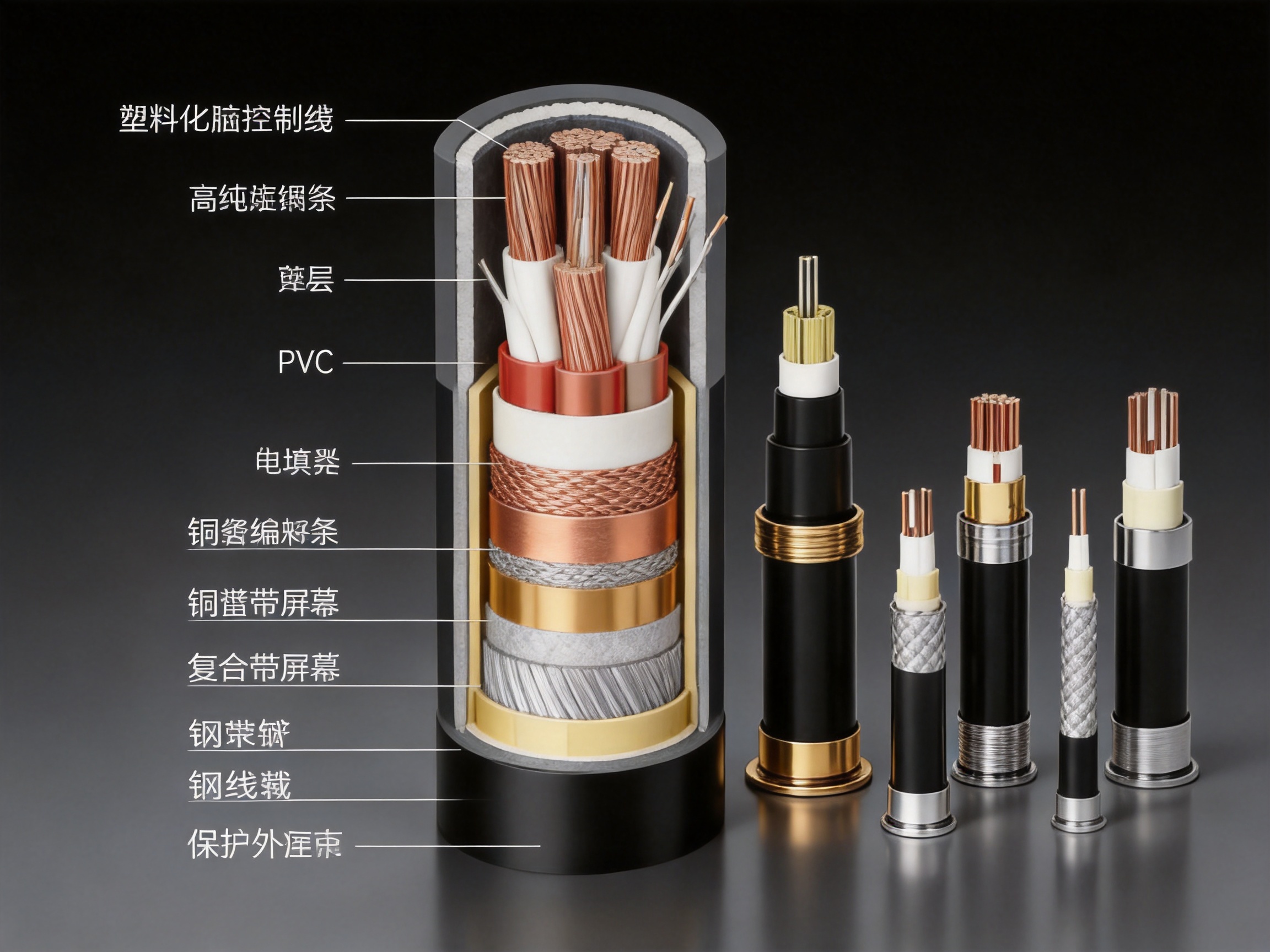
Manufacturing lines use control cables to connect programmable controllers, sensors, motor control equipment, safety devices, and production machinery. The cables carry start and stop commands, position feedback, limit switch signals, alarm circuits, and interlocking functions.
In these environments, organized cable routing is essential. Control cables should be separated from high-current power cables where possible. Shielded constructions can be selected for circuits susceptible to motor noise or switching interference. Flexible versions can be used near adjustable machinery, robotic equipment, and moving production stations.
7.2 Process Control Systems
Process industries often rely on continuous measurement and automatic regulation. Control cables may connect transmitters, control valves, distribution cabinets, and supervisory systems. Stable insulation and effective screening help preserve signal quality over long cable routes.
Where analog signals are involved, electromagnetic interference can appear as measurement fluctuation or incorrect process readings. A screened cable with appropriate grounding can reduce the risk. The final selection should consider signal type, circuit impedance, installation length, nearby equipment, and the control system’s grounding arrangement.
7.3 Substations and Distribution Rooms
Power system protection equipment depends on control cables for relay signals, trip circuits, closing circuits, alarm circuits, measurement connections, and status feedback. Cable reliability is particularly important because a failure in a protection or control circuit can affect the operation of switchgear and other critical equipment.
Armored cables may be selected for routes where cables pass through trenches, equipment areas, or locations subject to mechanical impact. Shielded cables can help control interference from high-voltage equipment and switching operations. The cable construction should be coordinated with the substation’s grounding, fire safety, and cable segregation requirements.
7.4 Automated Equipment
Automated equipment frequently requires compact and flexible wiring. KVVR and KVVRP models can be considered for applications where the cable must be routed around moving or adjustable components. The cable’s flexibility makes installation easier and can reduce stress at equipment connection points.
Flexible cable should not be treated as a substitute for a purpose-designed continuous-flex cable in every moving application. Where the equipment produces repeated high-frequency movement, torsion, or drag-chain operation, the user should confirm the suitability of the selected model and the manufacturer’s recommendations.
8. Manufacturing Strengths and Quality Assurance
The performance of a control cable depends not only on its material specification but also on manufacturing consistency. Conductor concentricity, insulation thickness, shielding coverage, armor application, sheath integrity, and dimensional accuracy must remain within controlled limits throughout production.
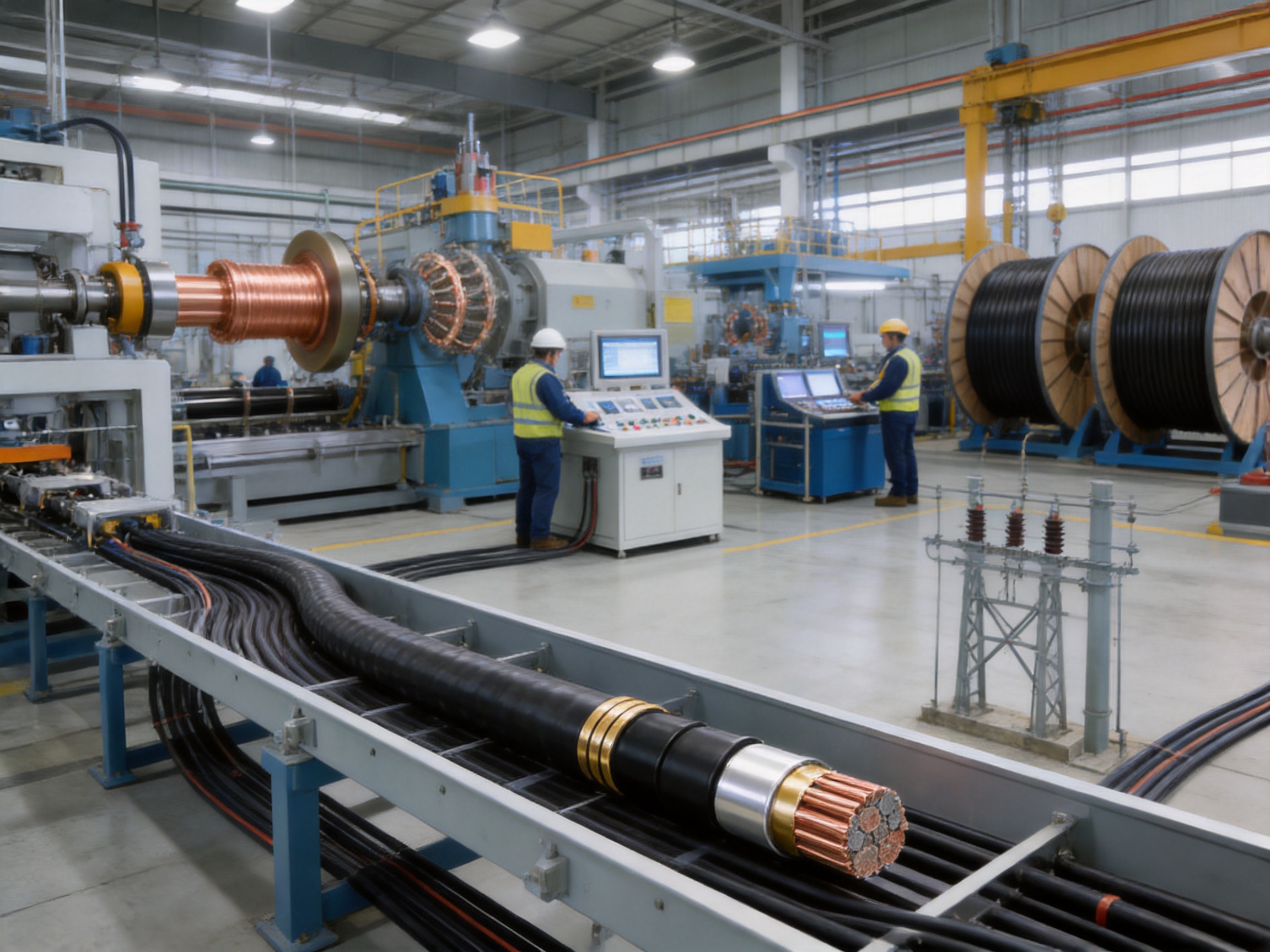
Wuxi Guanghuan Cable Co., Ltd. operates more than 70 production and testing lines and employs technical professionals responsible for product development, process control, and quality management. The company’s manufacturing capabilities cover power cables, electrical equipment wires and cables, bare conductors, overhead insulated cables, railway and urban rail transit cables, energy storage cables, photovoltaic cables, and wind power cables.
This broader product experience is valuable for control cable manufacturing because many production technologies are shared across cable categories. These technologies include copper drawing, conductor stranding, insulation extrusion, screening, armoring, sheathing, online dimensional monitoring, electrical testing, and finished-cable inspection.
8.1 Conductor Processing
Conductor production begins with suitable electrical-grade copper. Drawing processes reduce the copper rod to the required wire diameter while controlling surface quality and dimensional accuracy. Where flexible conductors are required, multiple fine wires can be stranded to achieve the specified flexibility and cross-sectional area.
Accurate conductor construction supports stable resistance, consistent ampacity, and reliable termination. Good conductor surface quality also supports uniform insulation extrusion and helps reduce defects in the finished cable.
8.2 Insulation Extrusion
During insulation extrusion, the selected PVC or XLPE compound is applied uniformly around the conductor. Process control is required to maintain insulation thickness, concentricity, surface smoothness, and adhesion characteristics appropriate to the product design.
Online eccentricity monitoring helps identify uneven insulation distribution during production. By detecting deviations during extrusion rather than only after completion, manufacturers can improve process stability, reduce material waste, and increase the consistency of the finished cable.
8.3 Core Assembly and Shielding
Insulated cores are assembled according to the specified number of cores and lay arrangement. Shielding layers are then applied where required. Maintaining consistent coverage and proper overlap is important because gaps or irregularities may reduce electromagnetic screening effectiveness.
The production process must also protect the insulation and screen from mechanical damage. Controlled tension, suitable tooling, and careful handling help maintain the cable’s structural integrity.
8.4 Armoring and Sheathing
For armored models, steel tape or steel wire is applied around the cable core or inner sheath. Armor application requires accurate tension and alignment. Excessive tension can deform the underlying layers, while insufficient tension can cause looseness or dimensional instability.
The outer sheath is extruded over the shield or armor to provide the final protective barrier. Sheath thickness, surface quality, color, marking, and dimensional accuracy are checked as part of the production and inspection process.
8.5 Testing Equipment and Process Verification
Quality assurance is supported by equipment such as online eccentricity monitors, high-voltage series resonance testers, and partial discharge detectors. These systems help evaluate insulation uniformity, withstand performance, and the presence of electrical defects.
Testing may include conductor resistance measurement, insulation resistance measurement, voltage withstand testing, dimensional inspection, sheath examination, structural verification, and other tests required by the relevant standard or customer specification.
The company maintains certifications and management systems including ISO 9001 quality management, ISO 14001 environmental management, ISO 45001 occupational health and safety management, ISO 50001 energy management, and other recognized systems. These certifications support a structured approach to production control, environmental responsibility, safety, and continual improvement.
9. Advantages Compared with Less Specialized Alternatives
Control cables from general-purpose or poorly matched sources may appear economical at the initial purchasing stage, but they can create additional risks during installation and service. Inconsistent insulation thickness, inadequate shielding coverage, inaccurate conductor size, weak sheath quality, or poor armor application can reduce system reliability.
The product range described here offers several advantages over a one-construction approach.
9.1 Application-Specific Construction
Users can choose between PVC and XLPE insulation, rigid and flexible conductors, multiple shielding forms, polyethylene or PVC sheath options, and steel tape or steel wire armor. This allows the cable to be specified according to actual service conditions rather than forcing every circuit into the same design.
9.2 Better Temperature Flexibility
The availability of XLPE-insulated models gives users a higher continuous operating temperature option. This can be beneficial in warm equipment rooms, densely populated cable trays, and installations where thermal margins are important.
9.3 Improved Interference Management
Shielded models help address electromagnetic interference more effectively than unshielded alternatives. Braided copper, copper tape, and composite tape options provide different combinations of flexibility, coverage, and installation characteristics.
9.4 Stronger Mechanical Protection
Armored models provide a higher level of physical protection than unarmored cables. This can reduce the risk of damage in industrial locations with vehicle movement, maintenance activity, exposed cable routes, or challenging cable-trench conditions.
9.5 Production and Testing Capability
A manufacturer with broad cable production experience, modern testing equipment, technical personnel, and formal management systems can provide more consistent product quality than a supplier relying on limited or uncontrolled processes. Manufacturing capability also supports customized specifications and coordinated supply for large industrial projects.
10. How to Select the Correct Cable
Cable selection should begin with the electrical function of the circuit. Determine whether the cable will carry control commands, analog signals, digital signals, measurement signals, relay protection circuits, alarm signals, or equipment operating power. Identify the rated voltage, expected current, voltage drop, circuit length, and system grounding arrangement.
Next, evaluate the installation environment. Important factors include indoor or outdoor installation, ambient temperature, exposure to moisture, chemical substances, sunlight, vibration, impact, compression, rodents, and maintenance traffic.
Electromagnetic conditions should also be assessed. If the cable is routed near high-current conductors, motors, variable-frequency drives, transformers, switching devices, or radio-frequency equipment, a suitable screened construction may be required.
Determine whether the cable will remain fixed or experience movement. Fixed installations can generally use rigid conductor models. Equipment movement, adjustable machinery, and difficult routing may require flexible cable. Repeated movement and continuous flexing should be evaluated separately from occasional installation flexibility.
Finally, establish the required fire performance, smoke and halogen characteristics, mechanical protection, conductor cross-sectional area, number of cores, sheath material, and applicable testing requirements. Special flame-retardant, fire-resistant, low-smoke, low-halogen, halogen-free, and acid-alkali-resistant versions may be supplied upon request.
Selection factor |
Typical consideration |
Possible cable feature |
Insulation temperature |
Normal or elevated operating temperature |
PVC or XLPE insulation |
Electromagnetic environment |
Low, moderate, or high interference |
Unshielded, braided, copper-tape, or composite-tape screening |
Mechanical exposure |
Protected route or risk of impact and compression |
Unarmored, steel-tape-armored, or steel-wire-armored structure |
Movement |
Fixed, occasional movement, or flexible connection |
Rigid or flexible conductor construction |
Installation space |
Available cable tray, conduit, cabinet, or trench space |
Suitable core count and cable outside diameter |
Fire and environmental requirements |
Normal or special project conditions |
Special flame-retardant, fire-resistant, low-smoke, halogen-free, or chemical-resistant options |
11. Core Counts and Production Range
The product family supports a broad range of core counts to accommodate simple control circuits and complex multi-signal systems. Preferred core numbers include 2, 3, 4, 5, 7, 8, 10, 12, 14, 16, 19, 24, 27, 30, 37, 44, 48, 52, and 61.
Standard fixed models such as KVV, KVVP, KYJV, KYJVP, KYJY, and KYJYP are available in a wide range of core configurations, including up to 61 cores in applicable conductor sizes. Tape-shielded models generally begin at four cores in the stated range because of their structural and application characteristics. Armored models are also available in core counts appropriate to their conductor sizes and construction.
KVVR flexible control cables are available from two to 61 cores in the stated production range. KVVRP flexible shielded cables are available from two to 61 cores for smaller conductor areas and from two to 48 cores for the next applicable size range.
The final combination of core count and conductor cross-sectional area should be confirmed with the manufacturer. Project requirements may also affect delivery range, minimum order quantity, drum length, marking, color identification, and testing documentation.
12. Installation, Handling, and Maintenance Recommendations
12.1 Cable Storage
Cable drums should be stored on stable surfaces and protected from water accumulation, direct physical damage, and unauthorized movement. Cable ends should remain sealed to prevent moisture penetration. Drums should be rotated only in the direction indicated by the manufacturer.
12.2 Cable Pulling
During pulling, the applied force should remain within the permitted limit. Pulling equipment, rollers, and guides should be selected to prevent crushing or excessive bending. The cable should not be pulled across sharp edges, and the outer sheath should be inspected after installation.
12.3 Shield Termination
Shield termination should follow the electrical design. The preferred grounding arrangement depends on signal type, system architecture, frequency range, equipment instructions, and electromagnetic compatibility requirements. Shield continuity should be maintained where the design requires it.
12.4 Separation from Power Cables
Control cables should be routed separately from high-current power cables whenever practical. If crossing is necessary, a controlled crossing arrangement can reduce coupling. Parallel routing beside variable-frequency drive cables, motor cables, and switching conductors should be minimized or managed through suitable separation and shielding.
12.5 Inspection and Testing
Before energization, the installed cable system should be inspected for sheath damage, correct identification, termination quality, bending radius, screen connection, armor bonding where applicable, and proper support. Electrical tests should be performed according to the project specification and applicable standards.
13. Support for Customized Cable Requirements
Industrial projects frequently require more than a standard catalog construction. A customer may need a particular core count, conductor size, shielding form, sheath material, armor arrangement, color, marking, drum length, or special performance classification.
The product range can also be adapted for flame-retardant, fire-resistant, low-halogen, low-smoke, halogen-free, and acid-alkali-resistant applications when requested. These requirements should be established before production so that the correct material system, model combination, testing program, and technical documentation can be prepared.
Wuxi Guanghuan Cable Co., Ltd. offers more than 100 product categories and over 30,000 specifications under its registered product portfolio. Its technical personnel and broad manufacturing base support the development of cable solutions for power, industrial, transportation, renewable energy, and electrical equipment applications.
14. Company Manufacturing and Service Strengths
Wuxi Guanghuan Cable Co., Ltd. was founded in 1998 and is located in Guanlin Town, Yixing City, Jiangsu Province, a major cable manufacturing center in China. The company covers more than 100,000 square meters, including over 45,000 square meters of building area, and has registered capital of RMB 400.8 million.
The company employs more than 140 people, including more than 30 technical professionals. Its annual sales revenue is approximately RMB 2 billion, with annual output value exceeding RMB 3 billion. These resources support large-scale production, technical development, quality control, and project delivery.
Its certifications include ISO 9001, ISO 14001, ISO 45001, ISO 50001, GB/T 29490, Green Management System, Social Responsibility Management System, and After-Sales Service Management System certifications. Product-related qualifications include CCC, TÜV, product carbon footprint, and China Energy-Saving and Environmentally Friendly Product certifications for applicable products.
The company has also been recognized as a National High-Tech Enterprise, a Jiangsu Specialized, Sophisticated, Distinctive and Innovative Small and Medium Enterprise, a Jiangsu Provincial Green Factory, a National Intellectual Property Advantage Enterprise, and a Quality Integrity Enterprise.
Its qualification and capability verification for power cables and conductors by the State Grid Corporation of China demonstrates experience with demanding power-sector requirements. This background is relevant to control cable customers who require traceability, stable production, technical documentation, and consistent quality for industrial or energy projects.
15. Frequently Asked Questions
Q1: What are plastic insulated control cables used for?
They are used for control commands, equipment status monitoring, relay protection, measurement circuits, signal transmission, alarm circuits, and connections between automated equipment and control systems. Typical applications include production lines, substations, distribution rooms, process control systems, and industrial machinery.
Q2: What is the rated voltage of this cable series?
The rated operating voltage is 450/750 V. The cable can be used in lower-voltage control and signal circuits when the complete electrical installation meets the applicable requirements.
Q3: What is the difference between PVC and XLPE insulation?
PVC provides reliable insulation performance and is widely used for conventional control applications. Its maximum continuous conductor operating temperature is 70°C under the stated conditions. XLPE provides a higher maximum continuous conductor operating temperature of 90°C and is suitable where increased thermal capability is needed.
Q4: When should a shielded control cable be selected?
A shielded cable should be considered when the cable is exposed to electromagnetic interference or carries sensitive analog, measurement, communication, or control signals. Shielding may be provided by copper braid, copper tape, aluminum/plastic composite tape, or copper/plastic composite tape.
Q5: When is armored cable necessary?
Armored cable is useful where the route is exposed to impact, compression, abrasion, pulling stress, or other mechanical hazards. Steel tape armor and steel wire armor provide different mechanical protection characteristics, so the selection should match the installation environment.
Q6: Are flexible models available?
Yes. KVVR models are flexible PVC-insulated and PVC-sheathed control cables, while KVVRP models add braided shielding. They are intended for applications requiring improved flexibility, such as equipment connections and complex routing.
Q7: What minimum bending radius should be maintained?
Unarmored PVC cables should generally be bent to a radius of at least six times the cable outside diameter. Unarmored XLPE cables require at least eight times the outside diameter. Armored or copper-tape-screened cables require at least twelve times the outside diameter. Screened flexible cables require at least six times the outside diameter, subject to the specific product design.
Q8: Can special fire-performance cables be supplied?
Special flame-retardant, fire-resistant, low-halogen, low-smoke, halogen-free, and acid-alkali-resistant versions may be supplied upon request. The exact model, construction, testing, and availability should be confirmed before ordering.
Q9: What conductor sizes and core counts are available?
The stated conductor cross-sectional areas include 0.5, 0.75, 1.0, 1.5, 2.5, 4, 6, and 10 mm². Depending on the model and conductor size, core counts range from two to 61, with preferred core numbers including 2, 3, 4, 5, 7, 8, 10, 12, 14, 16, 19, 24, 27, 30, 37, 44, 48, 52, and 61.
Q10: Which standard governs the product?
The manufacturing process complies with GB/T 9330-2008 for plastic insulated control cables, together with applicable enterprise manufacturing specifications and project requirements.
Q11: How should the correct model be chosen?
Consider voltage, conductor size, core count, insulation temperature, fixed or flexible installation, electromagnetic interference, mechanical exposure, fire performance, sheath material, cable route, and applicable standards. The manufacturer should confirm the final construction before purchase.
Q12: Can the manufacturer support large industrial projects?
Yes. The company operates more than 70 production and testing lines, has broad cable manufacturing experience, maintains multiple management system certifications, and supplies products for power, energy, industrial, transportation, and electrical equipment applications.
16. Conclusion
Plastic insulated control cables are a critical part of reliable industrial automation and power system infrastructure. Their function extends beyond simply connecting electrical devices. They preserve the accuracy of signals, support protective operations, enable automated decisions, and help maintain safe and stable equipment performance.
The product family described in this article provides a broad selection of PVC and XLPE insulation, rigid and flexible conductor designs, copper braid and tape shielding, composite screening, steel tape armor, and steel wire armor. With rated voltage up to 450/750 V, multiple core configurations, and options for special fire and environmental performance, the cables can be matched to a wide variety of control and signal transmission requirements.
Manufacturing quality is supported by high-purity copper conductors, controlled insulation extrusion, online eccentricity monitoring, shielding and armoring processes, high-voltage testing, partial discharge detection, and systematic quality management. Wuxi Guanghuan Cable Co., Ltd. combines this manufacturing capability with a broad product portfolio, technical personnel, formal certifications, and experience serving demanding power and industrial customers.
For the best result, cable selection should be based on the complete application rather than on voltage or conductor size alone. Installation temperature, bending radius, electromagnetic environment, mechanical exposure, movement, fire requirements, grounding, and maintenance access all influence long-term performance. When these factors are properly considered, plastic insulated control cables can provide a dependable and economical connection between industrial equipment, control systems, and power protection devices.
References
GB/T 9330-2008, Plastic Insulated Control Cables.
GB/T 19666, General Rules for Flame-Retardant and Fire-Resistant Electric Wires and Cables.
ISO 9001, Quality Management Systems—Requirements.
ISO 14001, Environmental Management Systems—Requirements with Guidance for Use.
ISO 45001, Occupational Health and Safety Management Systems—Requirements with Guidance for Use.
ISO 50001, Energy Management Systems—Requirements with Guidance for Use.
Electrical cable installation and inspection practices for industrial control and power distribution systems.
Manufacturer technical information for plastic insulated control cable products, construction options, performance characteristics, and production range.
Product: Plastic Insulated Control Cable

-
Power Cable for Subway and Urban Rail Transit (Rated Voltage 35kV)
-
Plastic Insulated Control Cable
-
Aluminum Alloy Conductor Plastic Insulated Power Cable (Rated Voltage up to 26/35kV)
-
Rated Voltage 0.6/1kV XLPE Insulated Power Cable
-
Cross-linked Polyolefin (XLPO) Insulated Wire and Cable (Rated Voltage 450/750V and below)

Copyright © Wuxi Guanghuan Cable Co., Ltd. All Rights Reserved. Power Cables Manufacturer Electrical Wire And Cable Factory

