


 English
 中文简体
 русский
 Español
 عربى

Cross-Linked Polyolefin Insulated Wire and Cable: Performance, Manufacturing, and Applications
Content
- 1 Understanding Cross-Linked Polyolefin Insulated Cable
- 2 Product Standards and Compliance
- 3 Construction of the Cable
- 4 Principal Product Types
- 5 Voltage and Size Range
- 6 Thermal Performance and Temperature Grades
- 7 Electrical Performance
- 8 Mechanical and Installation Characteristics
- 9 Low-Smoke Zero-Halogen Safety Advantages
- 10 Advantages Compared with Conventional Cable Options
- 11 Advanced Manufacturing Process
- 12 Testing and Quality Assurance
- 13 Manufacturing Strength and Supply Capability
- 14 Application Areas
- 15 How to Select the Appropriate Product
- 16 Installation and Handling Recommendations
- 17 Customization and Project Support
- 18 Why Manufacturing Quality Matters
- 19 Environmental and Lifecycle Considerations
- 20 Competitive Value of the Product Range
- 21 Q&A
- 21.1 What is XLPO insulated wire?
- 21.2 What voltage ratings are available?
- 21.3 What temperature grades are offered?
- 21.4 Is the cable suitable for high-temperature applications?
- 21.5 What does LSZH mean?
- 21.6 What is the difference between fixed and flexible models?
- 21.7 What is the minimum bending radius?
- 21.8 What is the recommended installation temperature?
- 21.9 Can the cable be customized?
- 21.10 Which standard covers the product?
- 21.11 How should the cable size be selected?
- 21.12 Why is manufacturing process control important?
- 22 Conclusion
- 23 References
- 24 Product: Cross-linked Polyolefin (XLPO) Insulated Wire and Cable (Rated Voltage 450/750V and below)
Cross-linked polyolefin insulated wire and cable has become an important solution for electrical equipment, building services, industrial control systems, and other applications that require a combination of electrical reliability, thermal endurance, mechanical strength, and improved fire safety. Rated at 450/750 V and below, this product family is designed to provide dependable low-voltage power transmission and connection performance while addressing the environmental and safety limitations associated with conventional halogen-containing insulation materials.
The product is manufactured by transforming the molecular structure of polyolefin through an advanced cross-linking process. Depending on the product design and production method, cross-linking may be achieved through physical irradiation or chemical treatment. The resulting three-dimensional molecular network gives the insulation greater resistance to heat, deformation, environmental stress cracking, and mechanical damage than ordinary non-cross-linked thermoplastic insulation.
Wuxi Guanghuan Cable Co., Ltd. produces this range of cross-linked polyolefin insulated wires and cables for fixed wiring, flexible connections, electrical equipment, construction projects, and high-temperature applications. The company combines conductor preparation, insulation extrusion, cross-linking, online process monitoring, electrical testing, and final inspection to produce cables with stable dimensions and consistent performance.
This article examines the structure, standards, electrical characteristics, thermal grades, manufacturing process, application value, product selection considerations, and competitive advantages of XLPO insulated wire and cable. It also explains why low-smoke, zero-halogen construction and carefully controlled production are increasingly important for modern electrical systems.
Understanding Cross-Linked Polyolefin Insulated Cable
Polyolefin is a family of polymer materials widely used for insulation because of its good electrical properties, low moisture absorption, chemical resistance, and processing adaptability. In its conventional thermoplastic form, the material can soften when exposed to elevated temperatures. Cross-linking changes this behavior by forming chemical or physical bonds between polymer chains.
After cross-linking, the insulation is no longer simply a collection of independent linear molecular chains. Instead, the chains form a stable three-dimensional network. This network helps the insulation retain its shape when exposed to heat, pressure, bending, and environmental stress. The result is a cable insulation system with improved thermal stability and stronger mechanical performance.
The product range covered in this article is rated for voltages up to and including 450/750 V. It includes fixed wires, flexible wires, and different conductor constructions designed for specific installation and connection requirements. Depending on the model, the cable may be suitable for general electrical equipment, high-temperature environments, control cabinets, internal wiring, building services, or electronic apparatus.
A major feature of this product family is its Low-Smoke Zero-Halogen, or LSZH, characteristic. When exposed to fire, LSZH insulation is designed to produce significantly less smoke and no halogen acid gas compared with many conventional PVC-based materials. This can help improve visibility during evacuation, reduce the corrosive effect of combustion gases on electrical equipment, and support safer conditions in densely occupied buildings.
Product Standards and Compliance
The development and production of this series follow JB/T 10491-2022, the industry standard for cross-linked polyolefin insulated wires and cables with rated voltages up to and including 450/750 V. Compliance with a recognized technical standard provides a common framework for conductor resistance, insulation dimensions, mechanical properties, electrical performance, and applicable testing procedures.
Some production or project specifications may also refer to enterprise specification Q/320282 GAD082-2022 where applicable. The exact standard applied to a purchase order should be confirmed according to the product type, customer requirements, project documentation, and destination market.
Standards are important because cable performance cannot be judged by appearance alone. A cable may have a clean surface and correct labeling while still failing to meet requirements for conductor resistance, insulation thickness, voltage withstand, elongation, aging resistance, or flame performance. Formal standards help manufacturers and purchasers evaluate the product through measurable and repeatable criteria.
For projects with additional certification or approval requirements, the purchaser should identify the applicable national, regional, industry, or end-user specifications before production. This is particularly important for public buildings, rail transit facilities, industrial plants, power distribution systems, and export projects where fire, environmental, and electrical requirements may differ.
Construction of the Cable
Conductor
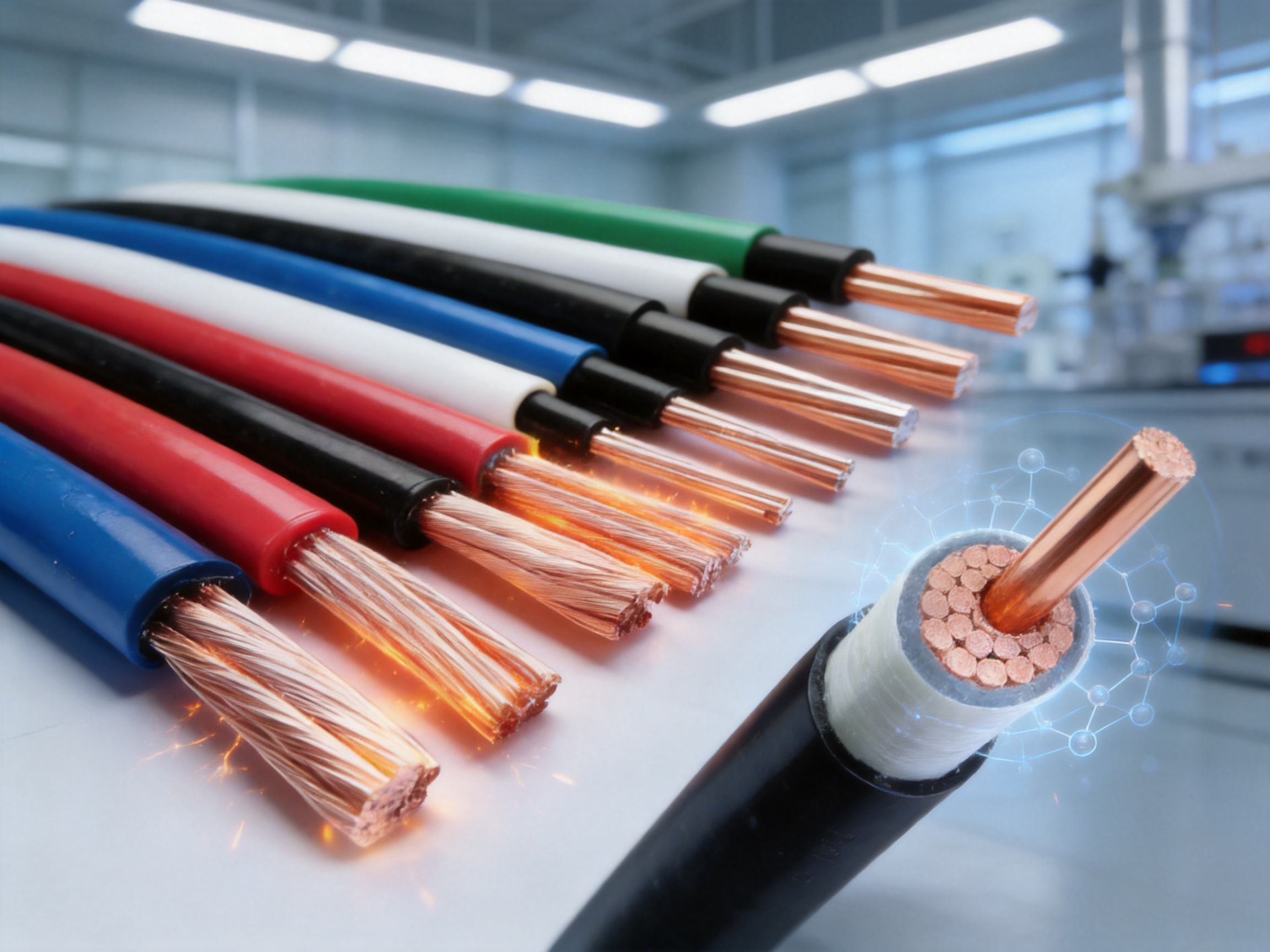
The conductor is manufactured from high-purity electrical-grade annealed copper wire. Depending on the intended application, tinned copper may also be selected. Copper provides high electrical conductivity, allowing the cable to carry current with relatively low resistance and limited energy loss.
Annealing improves the flexibility of copper by reducing hardness and internal stress created during drawing. This is particularly valuable in flexible wires, equipment connections, control panels, and applications where the cable must be routed around terminals or through confined spaces.
Tinned copper conductors can offer additional protection in environments where oxidation, moisture, or chemical exposure may affect bare copper surfaces. The appropriate conductor finish should be selected according to the service environment, terminal system, current rating, and customer specification.
Insulation
The XLPO insulation is applied around the conductor through controlled extrusion. Its primary functions are to separate the conductor from other conductive parts, prevent leakage current, withstand the rated voltage, and protect the conductor from moisture and mechanical influence.
Uniform insulation thickness is essential. Excessive variation can affect electrical field distribution, reduce mechanical reliability, and create weak points during bending or installation. For this reason, production control focuses on extrusion temperature, material flow, line speed, concentricity, surface finish, and dimensional stability.
After extrusion, the insulation undergoes the applicable cross-linking process. The cross-linked layer must achieve the required balance of flexibility, tensile strength, elongation, thermal endurance, and resistance to environmental stress cracking. Properly controlled cross-linking also helps the insulation resist creep when exposed to long-term heat or pressure.
Color Identification and Cable Marking
Individual wires may be supplied in colors or with surface markings that support circuit identification and installation efficiency. Clear marking can reduce wiring errors, simplify maintenance, and improve traceability during construction or equipment assembly.
Product marking generally identifies the cable type, voltage rating, conductor size, temperature class, manufacturer, and applicable standard. Specific marking content should be confirmed in the technical data sheet or purchase agreement.
Principal Product Types
The product family includes fixed and flexible designs. The following models are identified in the provided product range.
| Type | Product name and general description |
|---|---|
| WDZ-BYJ | Copper-core halogen-free, low-smoke, flame-retardant irradiated cross-linked polyolefin insulated cable |
| WDZ-BYJ-105 | Copper-core 105°C halogen-free, low-smoke, flame-retardant irradiated cross-linked polyolefin insulated cable |
| WDZ-BYJ-125 | Copper-core 125°C halogen-free, low-smoke, flame-retardant irradiated cross-linked polyolefin insulated cable |
| WDZ-BYJ-150 | Copper-core 150°C halogen-free, low-smoke, flame-retardant irradiated cross-linked polyolefin insulated cable |
| WDZ-RYJ | Copper-core halogen-free, low-smoke, flame-retardant irradiated cross-linked polyolefin insulated flexible cable |
| WDZ-RYJ-105 | Flexible cable with a 105°C conductor operating-temperature grade |
| WDZ-RYJ-125 | Flexible cable with a 125°C conductor operating-temperature grade |
| WDZ-RYJ-150 | Flexible cable with a 150°C conductor operating-temperature grade |
| WDZ-BYJR | Copper-core halogen-free, low-smoke, flame-retardant irradiated cross-linked polyolefin insulated flexible cable |
| WDZ-BYJR-105 | Flexible cable with a 105°C conductor operating-temperature grade |
| WDZ-BYJR-125 | Flexible cable with a 125°C conductor operating-temperature grade |
| WDZ-BYJR-150 | Flexible cable with a 150°C conductor operating-temperature grade |
WDZ-BYJ is generally associated with fixed wiring applications. WDZ-RYJ and WDZ-BYJR are intended for applications where greater conductor flexibility is required. The 105°C, 125°C, and 150°C versions provide progressively higher thermal capability for equipment and wiring systems exposed to increased operating temperatures.
The exact difference between flexible models should be evaluated through conductor class, strand construction, bending requirements, installation method, and the relevant product documentation. A flexible designation should not automatically be interpreted as suitable for continuous movement or repeated flexing unless the manufacturer specifically confirms that service condition.
Voltage and Size Range
The product range includes ratings of 300/500 V and 450/750 V. The appropriate voltage rating depends on the system design, equipment requirements, insulation coordination, and applicable electrical code.
| Type | Rated voltage | Number of cores | Nominal cross-sectional area |
|---|---|---|---|
| WDZ-BYJ | 300/500 V | 1 | 0.5–1 mm² |
| WDZ-BYJ | 450/750 V | 1 | 1.5–400 mm² |
| WDZ-RYJ | 300/500 V | 1 | 0.5–1 mm² |
| WDZ-RYJ | 450/750 V | 1 | 15–240 mm² |
| WDZ-BYJR | 300/500 V | 1 | 0.75–1 mm² |
| WDZ-BYJR | 450/750 V | 1 | 1.5–240 mm² |
The listed ranges should be treated as a product selection reference. The final available size, conductor construction, color, packing length, temperature class, and delivery condition should be confirmed with the manufacturer before ordering.
Cross-sectional area is one of the most important selection factors because it influences ampacity, voltage drop, conductor temperature, installation space, and terminal compatibility. However, selecting the correct size requires more than matching the expected current. Ambient temperature, grouping, conduit conditions, installation method, permissible voltage drop, short-circuit conditions, and local regulations should also be considered.
Thermal Performance and Temperature Grades
One of the strongest advantages of cross-linked polyolefin insulation is its ability to maintain useful mechanical and electrical performance at elevated temperatures. The available conductor operating-temperature grades are 90°C, 105°C, 125°C, and 150°C, depending on the product type.
The 90°C grade can be suitable for general electrical equipment and fixed wiring where the thermal environment is more demanding than ordinary room-temperature service. The 105°C grade provides additional thermal margin for equipment near heat sources, lighting systems, industrial control devices, and other applications where the conductor may experience sustained temperature rise.
The 125°C grade is intended for more severe heat-load conditions. It may be considered for internal equipment wiring, industrial apparatus, motors, power electronics, and installations where a conventional 70°C or 90°C insulation system would provide insufficient operating margin.
The 150°C grade is designed for particularly demanding thermal environments. It can be used where the insulation system and the overall cable construction have been selected for high-temperature service. The maximum conductor temperature should never be treated as permission to ignore current-carrying capacity, terminal temperature limitations, equipment design, or installation requirements.
Higher temperature capability can provide several practical benefits. It may allow the cable to operate reliably in hotter surroundings, accommodate temporary load increases, reduce the need for oversized routing spaces, or maintain a greater safety margin in compact equipment. Nevertheless, the actual ampacity must be calculated according to the complete installation system rather than temperature rating alone.
Electrical Performance
A stable conductor and uniform insulation layer work together to provide dependable electrical performance. High-purity copper helps maintain low direct-current resistance, while controlled insulation geometry supports consistent voltage withstand and insulation resistance.
Low resistance is important because conductor losses appear as heat. Excessive resistance can increase operating temperature, reduce energy efficiency, cause voltage drop, and accelerate insulation aging. Careful control of conductor diameter, strand condition, annealing, joints, and surface quality helps maintain stable resistance from production batch to production batch.
Insulation resistance indicates the ability of the insulation to prevent leakage current. High insulation resistance is especially important in control panels, electronic equipment, building wiring, and systems where unintended current paths could cause malfunction or safety hazards.
Voltage endurance is evaluated through applicable tests that place the insulation under controlled electrical stress. The purpose is to verify that the insulation can withstand its rated service conditions and relevant test voltage without breakdown or unacceptable leakage.
Cross-linked polyolefin also provides good resistance to moisture and many common environmental influences. Its performance in a specific chemical atmosphere should still be confirmed before use in oil-processing facilities, solvent environments, aggressive industrial plants, or locations exposed to unusual contaminants.
Mechanical and Installation Characteristics
Cross-linking improves the insulation’s resistance to deformation and environmental stress cracking. These characteristics are valuable when the cable is exposed to repeated handling during installation, moderate pressure, temperature cycling, or long-term contact with adjacent materials.
For unarmored or shielded flexible cables in the stated product range, the allowable bending radius is not less than six times the cable’s outer diameter. This value provides an installation reference, but the actual minimum radius may depend on the cable type, temperature, conductor size, termination method, and whether bending occurs once during installation or repeatedly during operation.
The recommended ambient temperature during installation is no lower than 0°C. At low temperatures, polymer insulation can become less flexible and more vulnerable to cracking if handled aggressively. Keeping the cable and work area above the recommended temperature supports better bending behavior and helps preserve the integrity of the insulation surface.
Installers should avoid sharp edges, uncontrolled pulling force, twisting, crushing, and excessive tension at terminals. Cable ends should be protected from moisture and contamination before termination. Correct stripping tools are also important because deep cuts into the insulation or conductor can reduce long-term reliability.
Where cables are installed in groups, designers should account for heat accumulation and apply appropriate derating. High-temperature insulation may tolerate greater conductor temperature, but adjacent cables, terminals, cable trays, and equipment housings may have lower temperature limits.
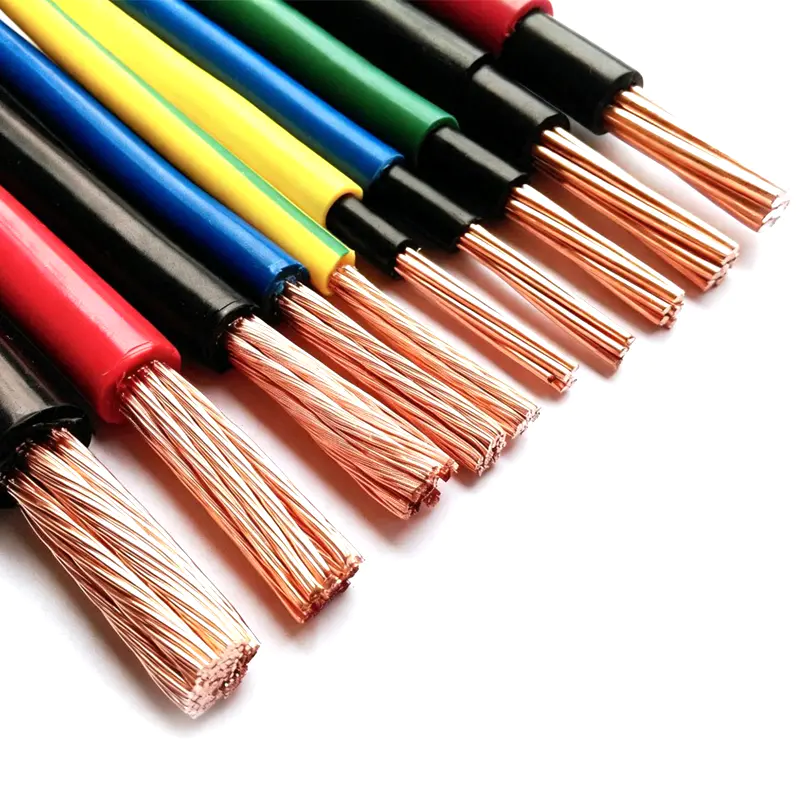
Cross-linked Polyolefin (XLPO) Insulated Wire and Cable (Rated Voltage 450/750V and below)
Low-Smoke Zero-Halogen Safety Advantages
Fire safety is a central reason for selecting LSZH cable. When a fire occurs, smoke and corrosive gases can be as dangerous as flames. Dense smoke can reduce visibility and make evacuation more difficult, while halogen-containing combustion products may form corrosive and toxic gases in the presence of moisture.
XLPO insulated cables with LSZH characteristics are designed to reduce these risks. They are particularly suitable for public buildings, high-rise structures, transportation facilities, data and communication spaces, industrial plants, control rooms, hospitals, schools, commercial centers, and other locations where people or sensitive equipment may be present.
Reduced smoke can help emergency personnel locate equipment, identify routes, and manage evacuation. The absence of halogen compounds also helps reduce acid gas formation and the potential corrosion of switchgear, electronic assemblies, control systems, and communication equipment.
LSZH does not mean that a cable is non-combustible or that fire protection measures are unnecessary. Cable selection must still consider flame-retardant performance, circuit integrity requirements, installation grouping, fire barriers, emergency power design, and the fire codes applicable to the project.
Compared with ordinary PVC-insulated wires, LSZH XLPO products can provide a more suitable environmental and safety profile in sensitive areas. Their value is not limited to the cable itself; they can contribute to a broader building strategy focused on occupant safety, equipment protection, reduced corrosive damage, and easier post-fire recovery.
Advantages Compared with Conventional Cable Options
Higher Thermal Stability
Conventional thermoplastic insulation may soften or deform more readily when exposed to high temperatures. Cross-linked polyolefin retains its shape more effectively because of the three-dimensional molecular network. This can improve long-term reliability in hot equipment compartments and high-load wiring systems.
Improved Resistance to Creep
Creep is the gradual deformation of a material under sustained heat or mechanical stress. Improved creep resistance helps the insulation retain its thickness and position around the conductor. This supports more stable dielectric performance over the service life of the cable.
Better Environmental Stress Crack Resistance
Environmental stress cracking can occur when a polymer is exposed to mechanical stress and environmental agents at the same time. XLPO insulation is engineered to provide improved resistance to this form of damage, making it more reliable in demanding installation and operating conditions.
Reduced Smoke and Corrosive Gas Risk
LSZH construction provides an important advantage over many halogen-containing insulation systems in occupied or equipment-sensitive spaces. Reduced smoke and the absence of halogen acid gas can support safer evacuation and reduce damage to nearby electrical and electronic systems during a fire.
Wide Temperature Selection
The availability of 90°C, 105°C, 125°C, and 150°C grades allows engineers to choose a cable more closely matched to the actual service environment. This is more efficient than using one general-purpose cable for every installation.
Flexible Product Choices
Fixed and flexible models allow the product family to serve both stationary wiring and equipment connections. Buyers can select the conductor construction and cable type according to routing complexity, installation space, terminal arrangement, and handling requirements.
Stable Electrical Insulation
Controlled insulation thickness, high insulation resistance, and voltage endurance help reduce the likelihood of leakage, breakdown, and electrical failure. These characteristics are especially important in compact electrical equipment, where wiring may be close to other conductive components.
Advanced Manufacturing Process
Raw Material Control
Manufacturing begins with the selection and inspection of electrical-grade copper, tinned copper where required, and XLPO insulation compounds. Raw materials must meet defined requirements for purity, dimensional consistency, processability, and electrical performance.
Material control reduces variation before production begins. Copper quality affects resistance and flexibility, while polymer quality affects extrusion stability, cross-linking behavior, thermal performance, surface appearance, and mechanical properties.
Conductor Drawing and Annealing
Copper rod is drawn through a sequence of dies to achieve the required diameter. Drawing must be controlled carefully because excessive deformation or surface damage can affect conductivity, flexibility, and insulation adhesion.
Annealing restores flexibility and reduces internal stress. The process is controlled to achieve the required balance between tensile strength and elongation. For flexible products, strand construction and lay control are particularly important because they determine how the conductor responds to bending and termination.
Stranding and Conductor Preparation
Where a stranded conductor is specified, individual wires are assembled into a consistent formation. Proper stranding improves flexibility and helps maintain a uniform circular profile for subsequent insulation extrusion.
Conductor cleanliness is also important. Dust, oil, oxidation, and foreign particles can affect insulation bonding, surface quality, and electrical performance. Production lines therefore require suitable cleaning, handling, and storage procedures before the conductor enters the extrusion stage.
XLPO Extrusion
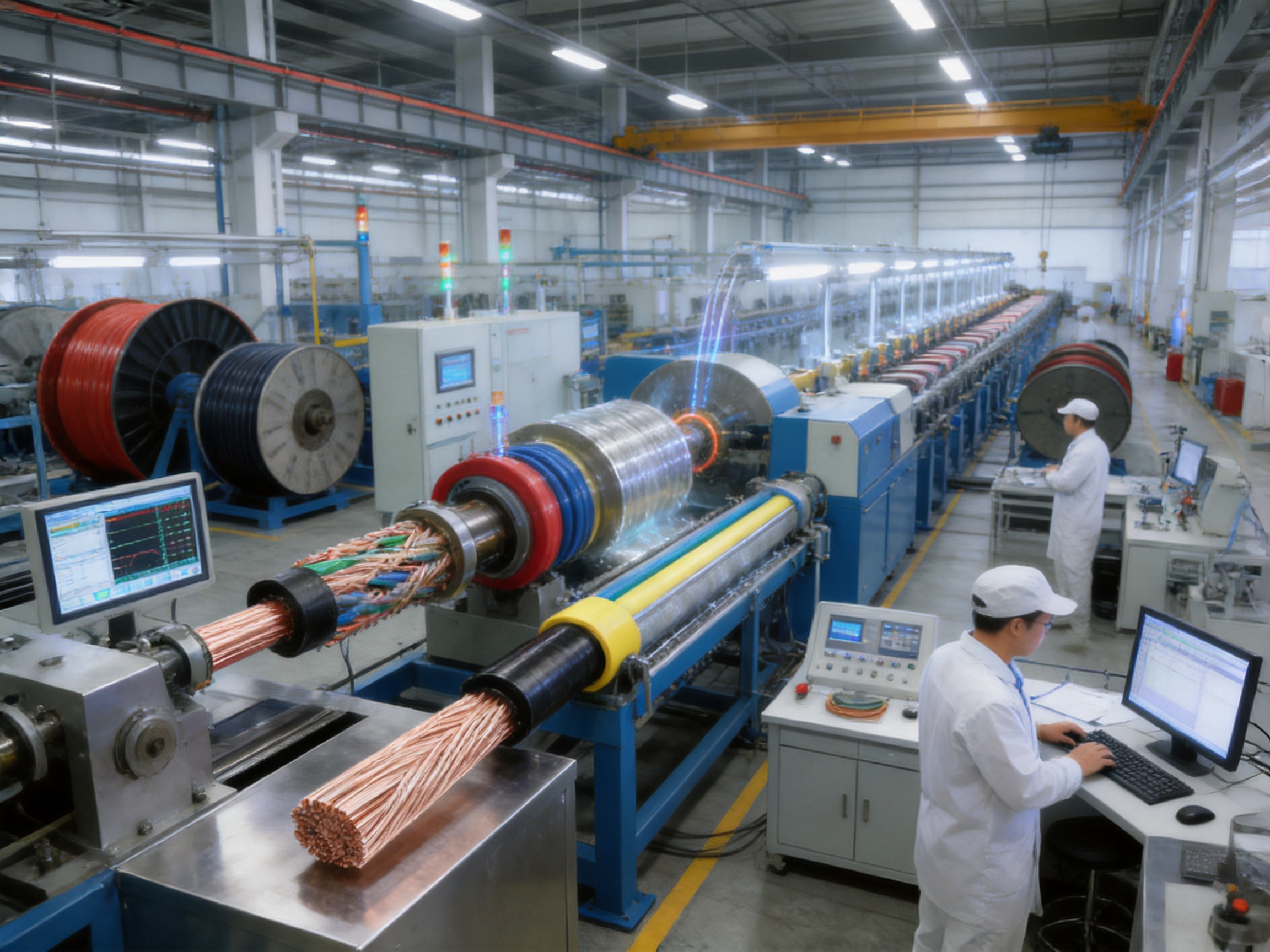
During extrusion, the XLPO compound is heated and conveyed through an extrusion head that forms a continuous insulation layer around the conductor. The process requires coordinated control of material temperature, pressure, line speed, cooling, and take-up tension.
Online eccentricity monitoring is used to check whether the conductor remains properly centered inside the insulation. This equipment can identify deviations in insulation thickness and help operators make timely adjustments. Maintaining concentricity improves dielectric uniformity and reduces the risk of localized weak areas.
Surface appearance is monitored for defects such as lumps, voids, scratches, roughness, discoloration, or foreign matter. A smooth and uniform surface supports easier installation and provides an early indication of stable extrusion conditions.
Physical or Chemical Cross-Linking
Cross-linking is the defining process of this cable family. Physical irradiation cross-linking uses controlled energy to create bonds between polymer chains. Chemical cross-linking uses a reaction system to produce a similar network structure under specified conditions.
The process must be matched to the selected XLPO compound and target temperature class. Insufficient cross-linking may result in reduced thermal and mechanical performance, while excessive or poorly controlled treatment may affect flexibility, surface quality, or production consistency.
For irradiated products, equipment settings, exposure uniformity, line speed, and dosage control are essential. For chemically cross-linked materials, compound formulation, temperature, pressure, reaction time, and environmental conditions must be managed carefully. In both cases, laboratory testing and production verification confirm that the insulation reaches the required performance level.
Cooling, Marking, and Take-Up
After extrusion and cross-linking, the cable is cooled under controlled conditions. Uncontrolled cooling can cause dimensional instability, residual stress, or surface defects. The cable is then marked, measured, inspected, and wound onto reels or packaged in the required form.
Take-up tension must be controlled to prevent deformation of the insulation or excessive bending of the conductor. Proper packaging protects the cable from moisture, impact, contamination, and mechanical damage during storage and transportation.
Testing and Quality Assurance
Quality assurance is not limited to the final inspection. It begins with incoming material verification and continues through conductor processing, extrusion, cross-linking, testing, packaging, and shipment.
Conductor resistance testing verifies that the copper conductor meets the required electrical resistance. Dimensional inspection evaluates conductor diameter, insulation thickness, outer diameter, and eccentricity. These measurements help identify process variation and verify compliance with the applicable product specification.
Insulation resistance testing evaluates the insulation’s ability to prevent leakage current. Voltage withstand testing applies a controlled voltage to verify dielectric integrity. These tests are essential for identifying defects that may not be visible during visual inspection.
Mechanical testing may include tensile strength and elongation measurements before and after aging. The purpose is to verify that the insulation retains suitable mechanical performance after exposure to elevated temperature over a defined period.
Thermal aging tests help confirm the suitability of the selected temperature class. Other applicable evaluations may include resistance to environmental stress cracking, low-temperature behavior, flame retardance, smoke performance, halogen content, and surface quality.
Wuxi Guanghuan Cable Co., Ltd. uses advanced production and testing resources, including online eccentricity monitoring, high-voltage series resonance testing equipment, and partial discharge detection equipment. These systems support process control and electrical quality verification.
Partial discharge detection is particularly valuable for identifying localized defects or weaknesses in insulation systems. Although the exact test method depends on product design and applicable requirements, advanced electrical testing provides an additional layer of confidence beyond basic dimensional inspection.
The company operates more than 70 production and testing lines and employs technical personnel responsible for product development, process engineering, quality control, and technical service. This production base supports both standard products and customized cable requirements.
Manufacturing Strength and Supply Capability
Wuxi Guanghuan Cable Co., Ltd. was founded in 1998 and is headquartered in Guanlin Town, Yixing City, Jiangsu Province, an area recognized for its developed cable industry. The company covers more than 100,000 square meters, including more than 45,000 square meters of building area.
Its registered capital is reported as RMB 400.8 million. The company employs more than 140 people, including more than 30 technical professionals, and has an annual sales revenue of approximately RMB 2 billion. Its annual output value exceeds RMB 3 billion.
The company manufactures power cables, electrical equipment wires and cables, bare conductors, overhead insulated cables, high-speed railway and urban rail transit cables, and cables for energy storage, photovoltaic, and wind power applications. Its product portfolio includes more than 100 categories and over 30,000 specifications under the Liguang brand.
This broad product experience is relevant to XLPO cable manufacturing because electrical cable production requires coordinated knowledge of conductor design, polymer processing, electrical testing, flame performance, application conditions, and project delivery. A manufacturer with a wide product portfolio can often provide more integrated technical support than a supplier focused on only one cable type.
The company has obtained ISO 9001 quality management certification, ISO 14001 environmental management certification, ISO 45001 occupational health and safety certification, and ISO 50001 energy management certification. It also holds certifications related to intellectual property, green management, social responsibility, and after-sales service.
Product-related credentials include CCC, TÜV, product carbon footprint, and China Energy-Saving and Environmentally Friendly Product certifications, where applicable to the relevant products. Certification scope should always be confirmed for the exact cable model and specification being purchased.
Application Areas
High-Temperature Fixed Wiring
WDZ-BYJ products can be used in fixed wiring systems where the operating environment is hotter than ordinary building interiors. Suitable applications may include electrical cabinets, industrial equipment, lighting systems, control panels, heating equipment, and machinery wiring.
The selected temperature grade should match the actual conductor temperature, ambient conditions, current load, and surrounding equipment. A 125°C or 150°C product may be appropriate for a high-temperature zone, but cable routing and terminal selection must still be designed correctly.
Electrical and Electronic Equipment
XLPO insulated wires are suitable for internal and external power connections, control wiring, signal connections, and equipment interconnections. Their stable insulation, flexible options, and compact single-core construction are useful in switchboards, control cabinets, instrumentation systems, and electronic apparatus.
In electronic equipment, the cable may be exposed to tight routing, repeated assembly operations, heat from components, or limited ventilation. The combination of flexibility and thermal stability can simplify installation while maintaining insulation reliability.
Public and High-Rise Buildings
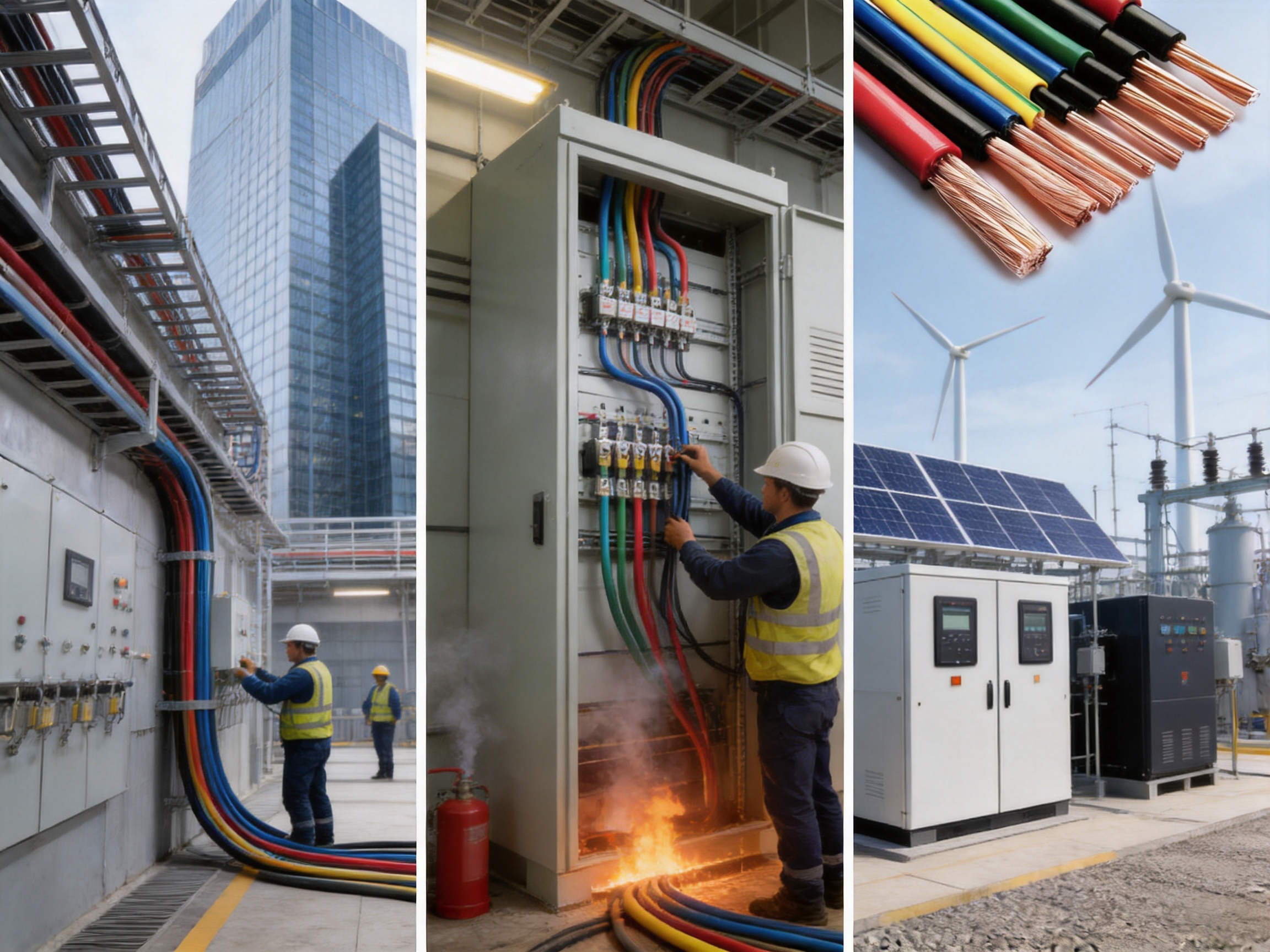
LSZH cable is well suited to public buildings, high-rise structures, commercial facilities, schools, hospitals, stations, airports, and other locations where smoke and corrosive gas control are important. It can be used in distribution systems, equipment wiring, emergency systems, service rooms, and vertical or horizontal cable routes according to the project design.
Industrial Plants
Industrial environments may include elevated temperatures, vibration, dust, restricted spaces, and complex electrical equipment. XLPO insulated wires can provide a practical solution for machinery wiring, process control, motor connections, heating systems, and electrical panels when the cable construction is matched to the specific conditions.
Power and Energy Equipment
The product can also support wiring inside energy-related equipment, photovoltaic systems, wind power equipment, storage systems, and other electrical assemblies where thermal performance and environmental safety are valued. The exact cable type required depends on voltage, outdoor exposure, ultraviolet radiation, movement, moisture, and system-level fire requirements.
How to Select the Appropriate Product
The first selection factor is rated voltage. A 300/500 V cable should be used only where the system and equipment requirements are within that rating. A 450/750 V cable provides a higher voltage rating and may be required for certain distribution or equipment circuits.
The second factor is conductor cross-sectional area. The size must be selected using current capacity, voltage drop, installation conditions, ambient temperature, grouping, and short-circuit requirements. The largest available size is not automatically the best choice, because oversized conductors can complicate installation and increase cost.
The third factor is flexibility. Fixed wiring can generally use a fixed-conductor construction, while connections that require easier routing or frequent adjustment may benefit from a flexible model. If the cable will experience continuous movement, a special dynamic-flexing cable should be considered unless the manufacturer confirms that the selected XLPO model is suitable.
The fourth factor is thermal grade. Choose the 90°C, 105°C, 125°C, or 150°C version according to the highest expected conductor temperature and the requirements of the equipment. Engineers should also check whether terminals, connectors, enclosures, and adjacent components have lower temperature limits.
The fifth factor is fire and environmental performance. LSZH construction is particularly important in occupied buildings, transportation facilities, control rooms, and locations containing sensitive electronics. Project specifications may also require particular flame-retardant, smoke, toxicity, or circuit-integrity classifications.
The sixth factor is conductor material. Bare copper is suitable for many applications, while tinned copper may be preferred in environments with greater moisture or oxidation concerns. The conductor finish must be compatible with the selected terminals and connection method.
Finally, purchasers should verify the applicable standard, certification, packaging, delivery length, color, marking, inspection documentation, and technical support requirements before issuing an order.
Installation and Handling Recommendations
Cables should be stored in a dry, clean, and ventilated location. Reels should be protected against impact, water accumulation, direct contamination, and prolonged exposure to conditions outside the recommended storage range.
Before installation, inspect the reel and cable surface for cuts, crushing, abrasion, or other visible damage. Check the product marking against the project documentation. If the cable has been exposed to unusually cold conditions, allow it to reach a suitable installation temperature before bending.
Maintain the recommended minimum bending radius. Avoid pulling the cable over sharp edges or applying excessive force to the insulation. Pulling tension should be controlled, especially for small flexible wires and large single-core cables.
When stripping insulation, use tools that match the cable size. Avoid nicking or scoring the conductor. Terminals should be properly tightened and selected for the conductor class, cross-sectional area, temperature, and service environment.
Separate power wiring from sensitive signal wiring where electromagnetic compatibility requires it. Keep cable routes organized, provide suitable support, and avoid compressing cables in conduits or trays beyond the applicable fill limits.
After installation, perform the required continuity, insulation resistance, polarity, voltage, and functional tests. Testing should follow the project specification and applicable electrical safety procedures.
Customization and Project Support
Electrical projects often require more than a standard catalog item. Customers may need a particular conductor size, temperature grade, color, packing length, marking format, conductor material, or certification package. A manufacturer with integrated production and technical capability can evaluate these requirements and recommend a suitable configuration.
Customization should begin with a complete application description. Important information includes rated voltage, operating current, ambient temperature, installation method, bending frequency, indoor or outdoor use, fire-safety requirements, chemical exposure, conductor material, and expected delivery quantity.
For equipment manufacturers, consistent dimensions and reliable production scheduling are often as important as the cable’s nominal specifications. Stable extrusion, controlled conductor geometry, and repeatable marking can improve assembly efficiency and reduce production interruptions.
For construction contractors and distributors, packaging and delivery support are important. Correct reel dimensions, clear identification, protected ends, and traceable inspection records help reduce receiving and installation errors.
Why Manufacturing Quality Matters
Cable reliability is determined by the interaction of materials, equipment, process control, testing, and application design. Even a high-quality polymer can produce an unreliable cable if extrusion is unstable or cross-linking is incomplete. Similarly, excellent insulation cannot compensate for an undersized or damaged conductor.
Integrated manufacturing allows the producer to control more stages of the product lifecycle. Conductor preparation, insulation extrusion, cross-linking, testing, and packaging can be coordinated under one quality system. This improves traceability and makes it easier to investigate and correct process variation.
Online monitoring is especially valuable because it allows defects to be detected while production is underway rather than only after a finished reel has been completed. Early adjustment reduces waste and improves dimensional consistency.
Laboratory and final inspection provide additional verification. By combining process controls with routine and type testing, the manufacturer can create a more dependable barrier against electrical, mechanical, and thermal defects.
Environmental and Lifecycle Considerations
LSZH insulation supports safer fire behavior in many applications, but environmental responsibility also includes production energy use, material management, packaging, product durability, and end-of-life handling.
A cable that maintains its performance for a longer service period may reduce replacement frequency, downtime, material consumption, and maintenance effort. Thermal stability and resistance to environmental stress cracking can therefore contribute to lifecycle value.
ISO 14001 and ISO 50001 management systems indicate that environmental and energy considerations are included within the company’s management framework. Product carbon footprint and energy-saving product certifications, where applicable, provide additional information for customers evaluating sustainability requirements.
Environmental claims should always be reviewed against the exact product certification and project conditions. LSZH performance, recyclability, carbon footprint, and compliance are separate characteristics and should not be treated as interchangeable terms.
Competitive Value of the Product Range
The competitive value of XLPO insulated wire and cable comes from the combination of several characteristics rather than from one isolated specification. The product offers multiple thermal grades, LSZH performance, high electrical insulation stability, flexible and fixed constructions, broad conductor sizes, and suitability for demanding electrical equipment applications.
Compared with basic general-purpose wire, XLPO cable can provide greater thermal and mechanical margin. Compared with halogen-containing insulation, LSZH construction can offer improved fire-environment performance. Compared with a narrow single-purpose product line, the range of conductor sizes and temperature classes provides engineers with more opportunities to match the cable to the application.
The company’s manufacturing scale is another advantage. A portfolio extending across power cables, equipment wires, conductors, rail transit cables, renewable-energy cables, and energy-storage products demonstrates experience in multiple technical fields. This supports cross-application knowledge and can simplify supplier management for customers with diverse cable requirements.
Quality certifications, advanced testing equipment, technical personnel, and established production facilities further strengthen the product’s competitiveness. For professional purchasers, these factors can be as important as the nominal cable price because they influence consistency, project risk, delivery reliability, and long-term operating performance.
Q&A
What is XLPO insulated wire?
XLPO insulated wire is a conductor covered with cross-linked polyolefin insulation. The cross-linking process forms a three-dimensional molecular structure that improves thermal stability, mechanical strength, creep resistance, and environmental stress crack resistance.
What voltage ratings are available?
The product range includes 300/500 V and 450/750 V ratings. The correct choice depends on the electrical system, equipment design, installation rules, and project specification.
What temperature grades are offered?
The available conductor operating-temperature grades are 90°C, 105°C, 125°C, and 150°C. The required grade should be selected according to the actual thermal environment, current load, installation method, and equipment limitations.
Is the cable suitable for high-temperature applications?
Yes. The 105°C, 125°C, and 150°C versions are designed for applications requiring greater thermal capability than ordinary general-purpose wiring. The complete installation system must still be evaluated, including terminals, enclosures, adjacent cables, and current-carrying capacity.
What does LSZH mean?
LSZH means Low-Smoke Zero-Halogen. When exposed to fire, an LSZH cable is designed to produce less smoke and no halogen acid gas compared with many conventional halogen-containing cable materials. This is valuable in public buildings, high-rise structures, transportation facilities, and equipment rooms.
What is the difference between fixed and flexible models?
Fixed models are intended primarily for stationary wiring. Flexible models use a conductor construction that supports easier routing and handling. A flexible model should not be used for continuous mechanical movement unless the manufacturer confirms that it is suitable for that duty.
What is the minimum bending radius?
For unarmored or shielded flexible cables in the stated range, the allowable bending radius is not less than six times the cable’s outer diameter. The exact installation requirement should be confirmed for the selected model and service condition.
What is the recommended installation temperature?
The recommended ambient temperature during installation is no lower than 0°C. This helps preserve insulation flexibility and reduces the risk of damage during bending and handling.
Can the cable be customized?
Customization may be available for conductor size, temperature grade, conductor material, color, marking, packaging, and related technical requirements. Customers should provide complete application information so the manufacturer can confirm feasibility.
Which standard covers the product?
The product series is developed and manufactured according to JB/T 10491-2022 for cross-linked polyolefin insulated wires and cables with rated voltages up to and including 450/750 V. Additional project or enterprise specifications may apply.
How should the cable size be selected?
Selection should consider current capacity, voltage drop, ambient temperature, grouping, installation method, short-circuit conditions, terminal compatibility, and applicable electrical regulations. Cross-sectional area should not be selected on current alone.
Why is manufacturing process control important?
Process control ensures that conductor resistance, insulation thickness, concentricity, cross-linking quality, thermal performance, and mechanical properties remain consistent. Online monitoring and electrical testing help identify defects and reduce variation.
Conclusion
Cross-linked polyolefin insulated wire and cable rated at 450/750 V and below provides a versatile solution for modern electrical equipment and low-voltage wiring systems. Its cross-linked insulation offers improved thermal stability, creep resistance, mechanical strength, and environmental stress crack resistance. Its LSZH construction supports safer fire performance in buildings and facilities where smoke and corrosive gas must be controlled.
The WDZ-BYJ, WDZ-RYJ, and WDZ-BYJR families offer fixed and flexible options, while temperature grades from 90°C to 150°C allow the product to serve a broad range of operating environments. Available conductor sizes extend from small equipment wires to large single-core conductors, providing flexibility for electrical equipment, industrial systems, construction projects, and specialized applications.
Wuxi Guanghuan Cable Co., Ltd. strengthens this product range through integrated manufacturing, advanced process monitoring, extensive testing capability, technical personnel, multiple management certifications, and experience across more than 100 cable categories. These capabilities support consistent product quality and practical technical service for customers seeking dependable cable solutions.
For the best result, cable selection should begin with a clear understanding of voltage, current, temperature, flexibility, fire performance, installation method, environmental exposure, and applicable standards. When these factors are matched correctly, XLPO insulated wire and cable can provide a durable, electrically stable, and safety-conscious solution for demanding low-voltage systems.
References
JB/T 10491-2022, Cross-Linked Polyolefin Insulated Wires and Cables with Rated Voltages up to and Including 450/750 V.
Q/320282 GAD082-2022, Enterprise Specification for Applicable Cross-Linked Polyolefin Insulated Wire and Cable Products.
ISO 9001, Quality Management Systems: Requirements.
ISO 14001, Environmental Management Systems: Requirements with Guidance for Use.
ISO 45001, Occupational Health and Safety Management Systems: Requirements with Guidance for Use.
ISO 50001, Energy Management Systems: Requirements with Guidance for Use.
International Electrotechnical Commission, Guidance on Low-Voltage Cable Construction, Insulation, and Electrical Testing.
Technical product information supplied for XLPO insulated wire and cable rated at 450/750 V and below.
Product: Cross-linked Polyolefin (XLPO) Insulated Wire and Cable (Rated Voltage 450/750V and below)

-
Cross-linked Polyolefin (XLPO) Insulated Wire and Cable (Rated Voltage 450/750V and below)
-
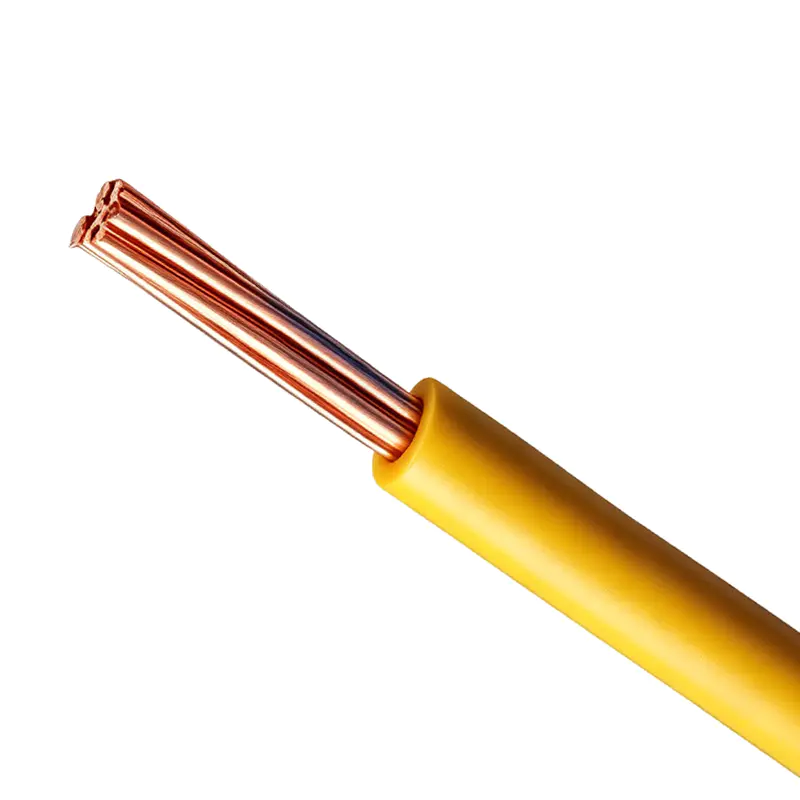
PVC Insulated Cable and Wire (Rated Voltage 450/750V and below)
-
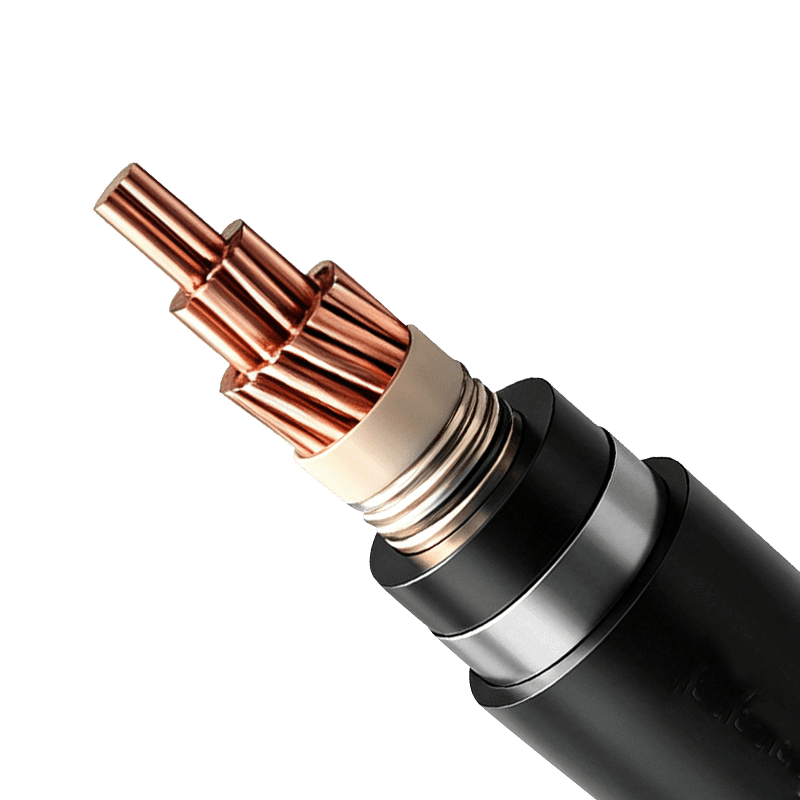
Power Cable for Subway and Urban Rail Transit (Rated Voltage 35kV)
-
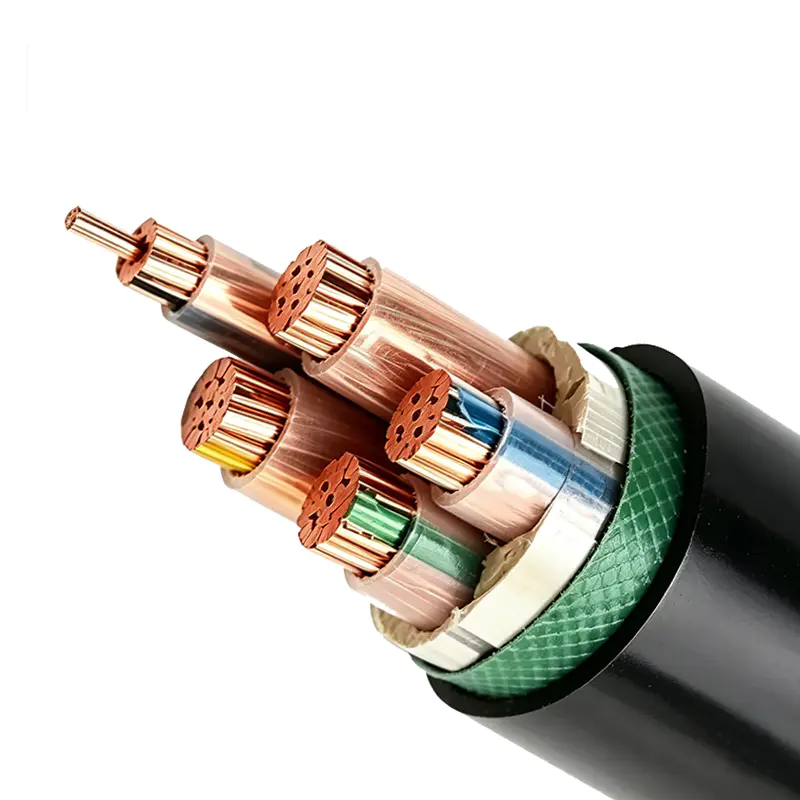
Termite and Rodent Resistant Cable
-
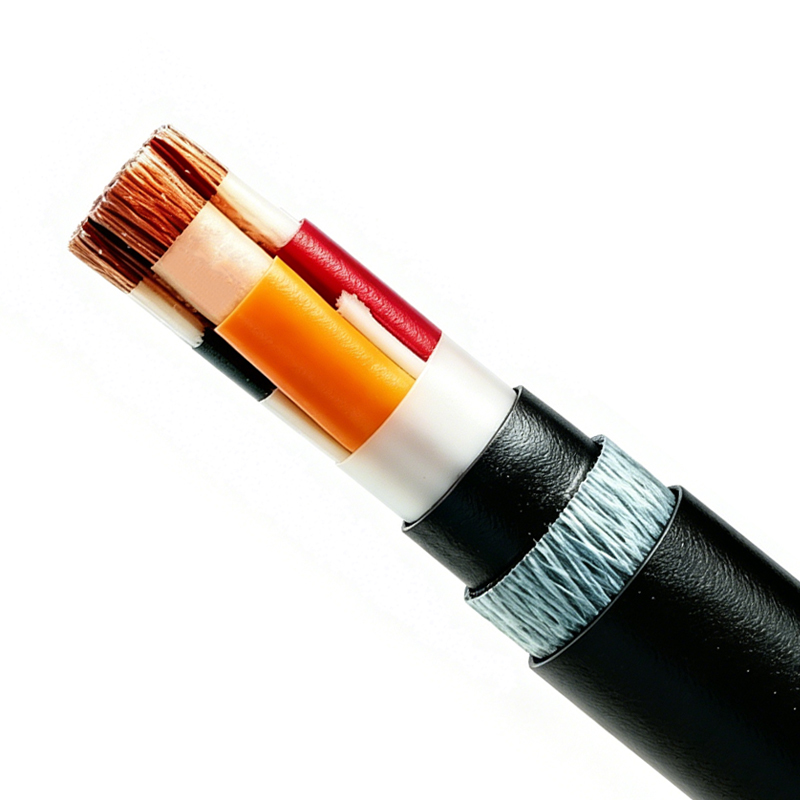
Flame-Retardant and Fire-Resistant Cable Series

Copyright © Wuxi Guanghuan Cable Co., Ltd. All Rights Reserved. Power Cables Manufacturer Electrical Wire And Cable Factory

