


 English
 中文简体
 русский
 Español
 عربى

35kV LSZH-FR Power Cables for Subway and Urban Rail Transit
Content
- 1 1. Why Rail Transit Requires Specialized Medium-Voltage Cables
- 2 2. Product Overview
- 3 3. Main Cable Models and Construction
- 4 4. Electrical Performance for 35kV Networks
- 5 5. Fire Safety and Environmental Advantages
- 6 6. Protection Against Termites, Rodents, and Ultraviolet Exposure
- 7 7. Installation and Bending Requirements
- 8 8. Advantages Compared with Conventional Cable Solutions
- 9 9. Manufacturing Strengths and Quality Control
- 10 10. Application Scenarios
- 11 11. Engineering Selection Considerations
- 12 12. Installation, Testing, and Commissioning
- 13 13. Maintenance and Long-Term Reliability
- 14 14. Why Manufacturing Capability Matters to Rail Projects
- 15 15. Frequently Asked Questions
- 15.1 Q1: What applications are suitable for this 35kV cable?
- 15.2 Q2: What are the rated voltage options?
- 15.3 Q3: What is the maximum continuous conductor temperature?
- 15.4 Q4: What temperature can the conductor reach during a short circuit?
- 15.5 Q5: What conductor sizes are available?
- 15.6 Q6: Is the cable halogen-free?
- 15.7 Q7: Does the cable resist termites and rodents?
- 15.8 Q8: What is the minimum bending radius?
- 15.9 Q9: Can the cable be installed at low temperatures?
- 15.10 Q10: Can flame-retardant classes be customized?
- 15.11 Q11: What tests are associated with the cable?
- 15.12 Q12: Why is low-smoke performance important in subway systems?
- 15.13 Q13: Does selecting an LSZH cable eliminate all fire risks?
- 15.14 Q14: What information should be provided when requesting a quotation?
- 16 16. Conclusion
- 17 References
- 18 Product: Power Cable for Subway and Urban Rail Transit (Rated Voltage 35kV)
Modern subway, light rail, and urban commuter railway systems depend on electrical infrastructure that can deliver dependable power while also protecting passengers, operating personnel, equipment, and surrounding structures. A rail transit power cable is therefore required to do far more than conduct electricity. It must operate reliably at medium voltage, withstand installation and service stresses, limit the consequences of fire, tolerate restricted-ventilation environments, and resist damage caused by termites, rodents, moisture, ultraviolet exposure, and mechanical influences.
The 35kV power cable for subway and urban rail transit is designed for precisely these demanding conditions. It is intended for power supply networks used by subways, lightweight railways, urban railways, tunnels, underground platforms, and other transportation projects. Its design combines XLPE insulation, polyolefin-based sheathing, low-smoke and halogen-free or low-halogen properties, flame-retardant performance, and enhanced protection against termite and rodent attack.
With rated voltage options of 21/35kV and 26/35kV, a conductor operating temperature of up to 90°C, and a short-circuit temperature of up to 250°C for a maximum duration of five seconds, this cable range provides a robust solution for medium-voltage rail transit distribution. Conductor cross-sections are available up to 630mm², enabling the product to serve different current-carrying and load requirements across rail infrastructure.
The cable is manufactured by Wuxi Guanghuan Cable Co., Ltd., a Chinese cable manufacturer with extensive experience in power cables, electrical equipment cables, bare conductors, railway cables, renewable-energy cables, and specialized cable systems. The company's manufacturing capabilities, testing resources, technical personnel, and quality-management systems support the production of cable products for demanding industrial and infrastructure applications.
1. Why Rail Transit Requires Specialized Medium-Voltage Cables
Urban rail transit projects present a combination of electrical, environmental, safety, and operational challenges that are not normally encountered in ordinary commercial buildings. Subway cables may be installed in narrow tunnels, service corridors, underground substations, stations, shafts, cable rooms, and trackside areas. These spaces can be difficult to ventilate, difficult to access for maintenance, and heavily populated during normal operation.
In the event of a fire, conventional cable materials may release dense smoke and corrosive or toxic gases. Dense smoke can reduce visibility and slow evacuation, while corrosive gases may damage signaling systems, communication equipment, control panels, and other electrical installations. For this reason, low-smoke, halogen-free, and flame-retardant cable designs are particularly valuable in underground transportation facilities.
Rail transit cable routes may also be exposed to biological damage. Termites can attack certain sheath or insulation materials, while rodents may gnaw through cable surfaces and create electrical or mechanical hazards. Once a cable sheath is damaged, moisture and contaminants can penetrate the structure, increasing the risk of insulation deterioration, partial discharge, short circuits, and service interruption.
In addition, rail transit systems require long service life and high availability. A power interruption may stop trains, affect station services, disrupt signaling or ventilation, and create significant economic and safety consequences. Cable selection must therefore consider not only rated voltage and conductor size but also fire behavior, mechanical protection, environmental resistance, installation conditions, and compatibility with accessories.
The 35kV subway and urban rail transit power cable addresses these requirements through a coordinated design rather than relying on a single performance characteristic. Electrical insulation, sheath technology, flame-retardant formulation, biological protection, dimensional design, and production control work together to provide a cable suitable for critical transportation infrastructure.
2. Product Overview
This cable range is a medium-voltage power cable developed for subway, light rail, and related urban rail transit projects. It is suitable for power transmission and distribution systems with rated voltage levels of 21/35kV and 26/35kV. The product may be manufactured in single-core or three-core configurations, with unarmored and armored options selected according to the laying environment and project requirements.
The principal design features include a copper conductor, XLPE insulation, and a polyolefin outer sheath. Depending on the selected model and project specification, the cable can provide non-halogen, low-smoke, flame-retardant performance or low-halogen, low-smoke performance. Enhanced resistance to termites and rodents is also available, together with ultraviolet protection for installations exposed to sunlight or trackside environmental conditions.
The product is manufactured in accordance with the enterprise standard GB/T 12706.3-2020 as specified in the supplied technical information. Its design and testing parameters are intended to support stable operation in medium-voltage power networks while meeting the additional environmental and fire-safety expectations of urban rail transportation projects.
Conductor cross-sections are available up to and including 630mm². This broad production range allows the cable to be selected for different feeder circuits, traction-related auxiliary power systems, station distribution networks, tunnel services, ventilation systems, pumping installations, and other medium-voltage loads. The final conductor size should be determined by the design current, voltage drop, short-circuit level, installation method, ambient conditions, grouping, and applicable project standards.
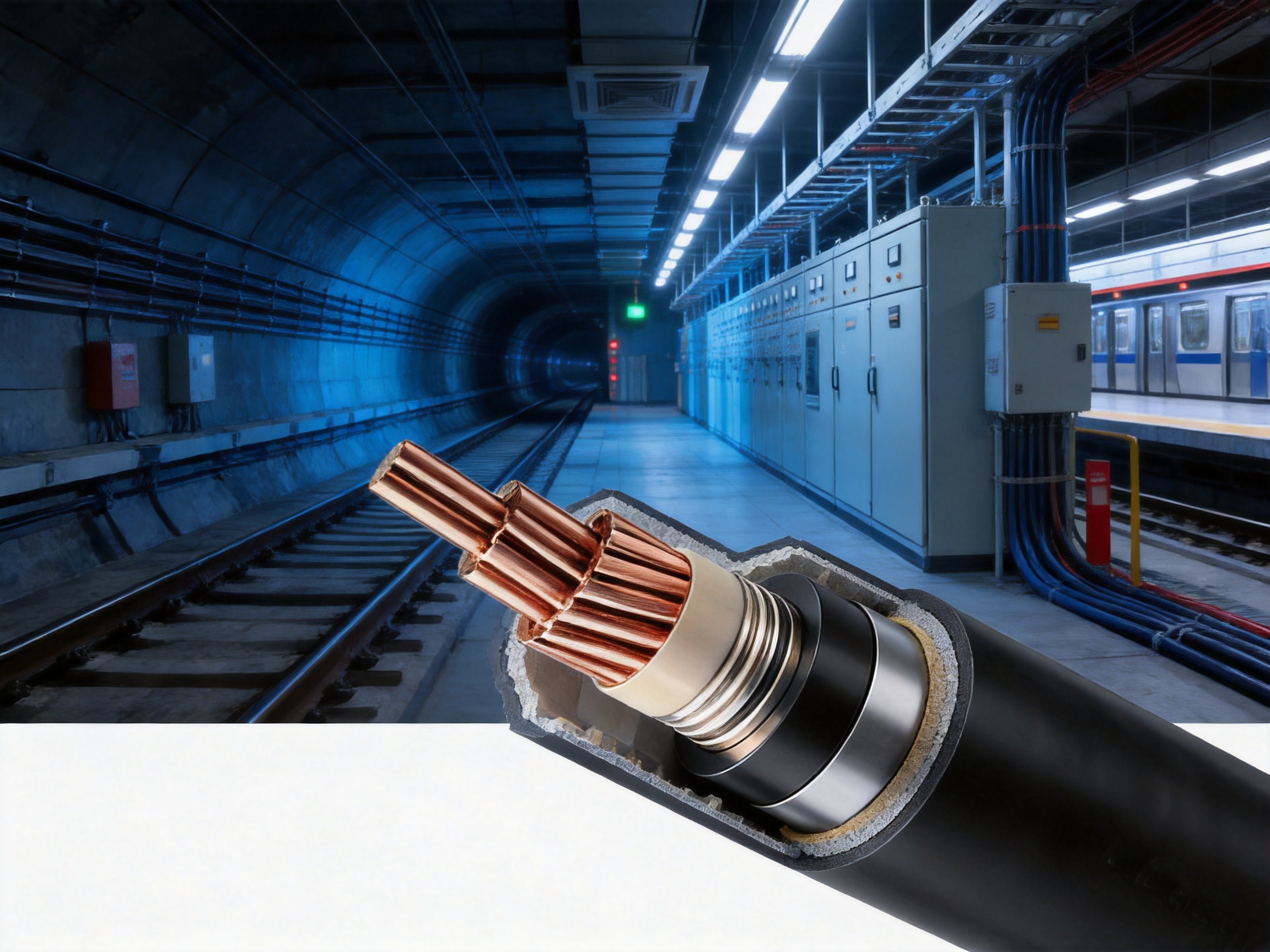
The cable is not limited to one type of rail project. It can be used for subway main lines, lightweight rail, urban commuter railways, underground stations, tunnels, trackside power routes, and sections where termite or rodent activity represents a significant risk. Its low-smoke and halogen-free characteristics are especially suited to confined spaces with restricted ventilation.
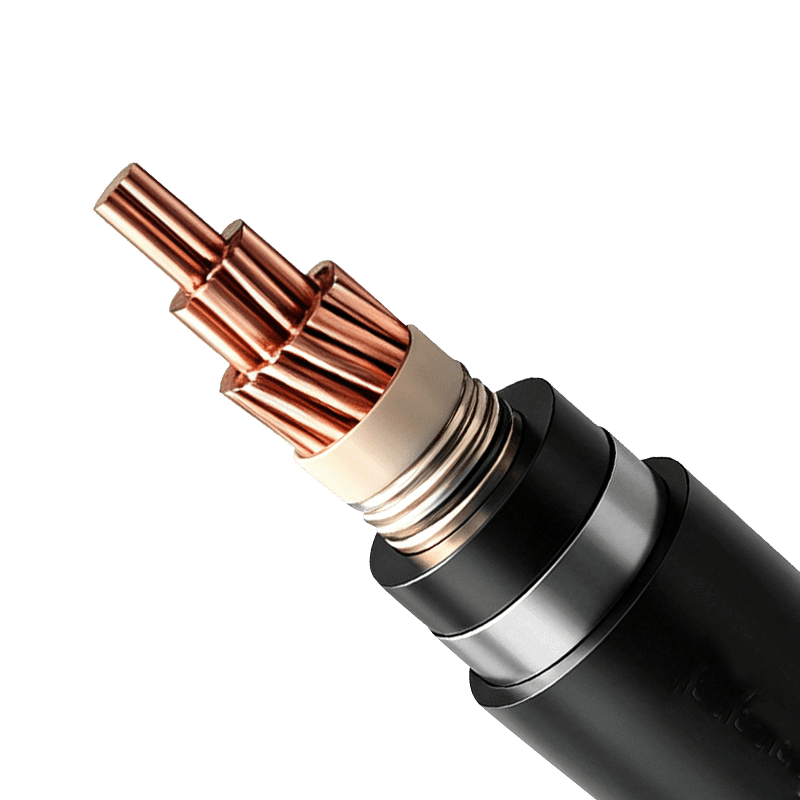
Power Cable for Subway and Urban Rail Transit (Rated Voltage 35kV)
3. Main Cable Models and Construction
Two representative product codes supplied for this cable range are (FZ-FSY)-WD-TYJY and (FZ-FSY)-DD-TYJV. Exact coding and construction should be confirmed against the approved technical specification, project drawings, and purchasing documentation before manufacture.
3.1 (FZ-FSY)-WD-TYJY
This model is described as a copper-conductor, XLPE-insulated, polyolefin-sheathed, non-halogen, low-smoke power cable for subway and lightweight rail applications. It includes ultraviolet protection and resistance to termite and rodent damage. The combination is particularly useful for underground and trackside sections where both fire safety and biological protection are important.
The non-halogen formulation is intended to reduce the generation of halogen acid gases during combustion. It also supports lower smoke production and improved gas quality during a fire. In an underground station or tunnel, these characteristics can help preserve visibility and reduce the potential corrosive effect of combustion products on equipment and building components.
3.2 (FZ-FSY)-DD-TYJV
This model is described as a copper-conductor, XLPE-insulated, polyolefin-sheathed, low-halogen, low-smoke power cable for subway and lightweight rail applications. It also provides ultraviolet protection and resistance to termite and rodent damage. A low-halogen design may be selected when the project specification calls for a balance between environmental performance, fire behavior, and particular material requirements.
The low-halogen and non-halogen models should not be treated as interchangeable without reviewing the specified fire-performance requirements. The supplied technical information identifies different light-transmittance and acid-gas indicators for the two construction categories. Project engineers should therefore select the model based on the fire strategy, enclosure classification, installation environment, evacuation requirements, and applicable regulations.
3.3 Conductor and Insulation System
The conductor is made from copper and is designed to meet the direct-current resistance requirements of the relevant standard. Copper provides high electrical conductivity, good connection performance, and practical compatibility with common medium-voltage cable accessories. The conductor cross-section can be selected according to the power system design, with available production sizes extending to 630mm².
XLPE insulation provides the electrical separation required for medium-voltage operation. It supports a maximum permissible continuous conductor temperature of 90°C and a maximum conductor temperature of 250°C during a short circuit with a maximum duration of five seconds, subject to the specified construction and installation conditions.
The insulation system is also required to pass a 3.5U₀ alternating-current and direct-current withstand-voltage test. This test requirement supports verification of insulation integrity and helps identify weaknesses in the finished cable structure. In practical applications, high-voltage testing is one part of a broader quality program that should also include dimensional checks, conductor-resistance testing, material inspection, and routine production controls.
3.4 Polyolefin Sheath
The polyolefin outer sheath forms the primary external barrier against environmental contact. In addition to supporting low-smoke and halogen-free or low-halogen performance, the sheath is engineered to resist environmental stress cracking. This is important because cracking can create an entry path for water and contaminants and can expose the underlying layers to mechanical and biological damage.
The sheath's resistance to termite and rodent attack provides an additional layer of protection for routes where biological activity is a known concern. Instead of treating biological damage as a maintenance problem after installation, the cable design incorporates resistance into the product itself. This approach can reduce the probability of concealed damage in tunnels, ducts, cable trenches, and trackside areas.
4. Electrical Performance for 35kV Networks
The cable has rated voltage options of U₀/U 21/35kV and 26/35kV. The selection between these values depends on the system earthing arrangement, insulation coordination, operating requirements, and the project designer's specifications. The cable should be coordinated with switchgear, transformers, terminations, joints, grounding systems, and other components in the same network.
The maximum permissible continuous conductor operating temperature is 90°C. This temperature rating allows the cable to carry the design load under appropriate installation conditions while maintaining the expected electrical and thermal performance of the insulation system. Actual ampacity depends on several factors, including conductor cross-section, cable arrangement, soil or air conditions, enclosure type, thermal resistance, ambient temperature, and the presence of nearby heat sources.
During a short circuit, the conductor may reach a maximum temperature of 250°C for a maximum duration of five seconds. This short-time rating is important for rail power systems because protective devices must clear faults quickly enough to keep thermal stress within the cable's design limits. Short-circuit calculations should be performed for the actual system fault level and protection-clearing time rather than relying only on the maximum cable value.
Direct-current conductor resistance must comply with the relevant standard for the selected conductor size and material. Low and consistent conductor resistance helps limit energy losses, reduce voltage drop, and support predictable operation across long feeder routes. It also provides a measurable indicator of conductor quality and manufacturing consistency.
The requirement for 3.5U₀ AC and DC voltage-resistance testing provides a significant verification step for the insulation system. Medium-voltage cable failures can have serious operational consequences, especially in tunnels and stations where replacement work may require service shutdowns. High-voltage testing helps support confidence before the cable is released for installation.
5. Fire Safety and Environmental Advantages
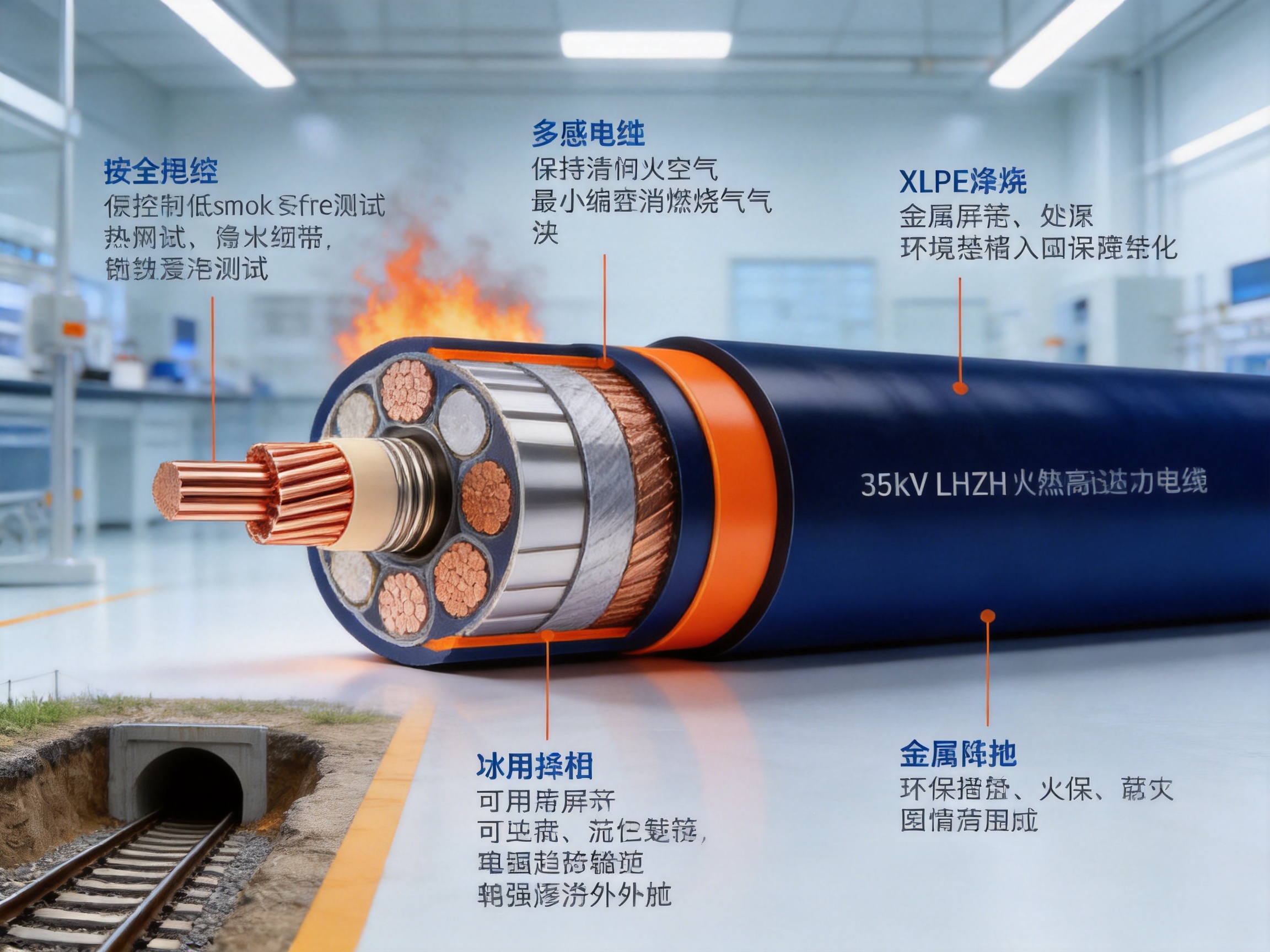
Fire behavior is one of the most important factors in selecting cables for subway and urban rail transit projects. A cable does not operate in isolation during a fire. Its combustion products may affect passengers, emergency personnel, ventilation systems, signaling equipment, communication systems, lighting, and structural components. The product's LSZH-FR design addresses this issue by combining low smoke, reduced halogen content or halogen-free materials, and flame-retardant performance.
5.1 Low-Smoke Performance
For the non-halogen cable, light transmittance during combustion is specified as not less than 60%. Higher light transmittance generally means that less smoke obscures the environment during a fire test. In a tunnel or underground station, preserving visibility can assist evacuation, emergency response, inspection, and access to fire-control equipment.
The supplied information also identifies a light-transmittance value of not less than 30% for the low-halogen cable category. The applicable value depends on the selected model and test classification. Project documentation should clearly identify whether a non-halogen or low-halogen cable is required so that the correct construction and verification criteria are applied.
5.2 Halogen and Acid-Gas Control
The total acid gas generated during combustion of the non-halogen cable is specified as no more than 5mg/g. The pH value of evolved gas is not less than 4.3, and conductivity is not more than 10μS/mm. These indicators are used to evaluate the corrosive nature of combustion gases.
Lower acid-gas generation can help reduce the risk of corrosion to metal equipment, cable supports, control cabinets, and sensitive electronic systems. It may also reduce the secondary damage that can occur after a fire has been extinguished. The supplied information gives a separate acid-gas criterion for the low-halogen category, and the exact project requirement should be confirmed before ordering.
5.3 Flame-Retardant Options
Flame-retardant cable classes ZA, ZB, and ZC may be supplied according to customer request. These options enable the cable to be aligned with different flame-retardant classifications or project fire strategies. The required class should be established during the engineering and procurement stages rather than selected after installation.
Flame-retardant performance helps limit the spread of fire along a cable route. It does not eliminate the need for correct cable spacing, fire stopping, compartmentation, support design, and installation workmanship. A complete rail transit fire-safety strategy should combine cable selection with appropriate route planning and building protection measures.
6. Protection Against Termites, Rodents, and Ultraviolet Exposure
Termite and rodent damage is a practical concern in underground and trackside cable routes. A damaged sheath may expose the cable to moisture, soil chemicals, mechanical abrasion, and electrical stress. In addition, a small damaged area can become difficult to locate if the cable is installed in a long tunnel or buried duct.
The cable's anti-termite and anti-rodent design creates a physical and material barrier against biological attack. Its outer sheath is formulated to resist environmental stress cracking and to interrupt the damage mechanism associated with termites and rodents. This provides an advantage over ordinary power cables that may offer suitable electrical ratings but lack specialized biological protection.
Ultraviolet protection is also included in the representative cable descriptions. Although many subway cable routes are enclosed, sections may be installed outdoors, near ventilation structures, at depots, on viaducts, beside tracks, or in areas exposed to sunlight during construction and service. Ultraviolet-resistant materials help maintain sheath performance when the cable is exposed to solar radiation.
These protection features can reduce dependence on external protective measures. Conduit, trays, ducts, and mechanical barriers may still be required by the project, but the cable itself contributes to environmental durability. This layered approach is especially useful in infrastructure where inspection and replacement are expensive or disruptive.
7. Installation and Bending Requirements
Correct installation is essential for preserving the cable's electrical and mechanical performance. The specified ambient temperature for installation should generally be no lower than 0°C. The supplied technical information states that when the cable is laid at an ambient temperature of 0°C, preheating is not required and there is no limitation of fall. When installation takes place below 0°C, the contractor should follow the approved installation procedure, including any required preheating and handling controls.
Cable pulling, positioning, and bending should be controlled carefully. Excessive bending can place stress on the conductor, insulation screen, insulation, sheath, or armor. Such stress may not always be visible immediately, but it can affect long-term reliability and the performance of joints and terminations.
The minimum bending radius during installation depends on whether the cable is single-core or three-core and whether it is armored or unarmored. The value is expressed as a multiple of the cable's outer diameter, represented by D.
Installation condition |
Single-core unarmored |
Single-core armored |
Three-core unarmored |
Three-core armored |
Minimum bending radius during installation |
20D |
15D |
15D |
12D |
Minimum bending radius near a connection box or terminal |
15D |
12D |
12D |
12D |
The values near connection boxes and terminals apply only when bending is carefully controlled. Formed guide plates or other suitable supports should be used where necessary. The cable should not be sharply bent against a tray edge, bracket, gland, termination structure, or temporary pulling device.
During installation, the cable should be pulled with suitable equipment and within the manufacturer's allowable pulling tension. Rollers should be placed at appropriate intervals, particularly near changes in direction. The cable drum should be positioned so that the cable leaves the drum smoothly and does not rub against the ground or fixed structures.
For armored cables, the armor and sheath should be protected from excessive torsion. For single-core cables, the installation arrangement should also consider electromagnetic effects, induced currents, and the selected bonding method. Cable cleats, clamps, and supports should be compatible with the short-circuit forces expected in the system.
8. Advantages Compared with Conventional Cable Solutions
The 35kV rail transit cable offers several advantages when compared with ordinary medium-voltage power cables not specifically designed for transportation infrastructure.
8.1 Integrated Fire and Environmental Protection
Many general-purpose power cables are designed primarily around voltage rating, ampacity, and basic mechanical requirements. The rail transit cable adds low-smoke, halogen-free or low-halogen, flame-retardant, and gas-emission performance. These features are valuable in tunnels and stations where fire products can affect life safety and equipment operation.
8.2 Biological Resistance Built into the Cable
External rodent guards or additional conduit systems can increase project complexity and installation cost. The anti-termite and anti-rodent design provides a first line of defense within the cable construction itself. This is particularly beneficial in ducts, trenches, soil-adjacent routes, and remote trackside areas where routine inspection may be difficult.
8.3 Wide Conductor-Size Range
With conductor cross-sections available up to 630mm², the product range can support both moderate and high-current circuits. A broad size selection helps engineers coordinate feeder design, voltage drop, thermal capacity, and future load requirements without changing to an unrelated cable family.
8.4 Medium-Voltage Thermal Capability
The 90°C continuous conductor temperature and 250°C short-circuit temperature provide a practical thermal basis for medium-voltage distribution. These ratings enable the cable to support demanding load cycles when the installation conditions and protection settings are correctly designed.
8.5 Suitability for Confined Spaces
Low-smoke and reduced-halogen combustion performance is especially important in spaces with restricted ventilation. Compared with standard PVC-sheathed alternatives, the specified LSZH-oriented construction can reduce smoke density and corrosive gas concerns under fire conditions. This makes it more compatible with underground transportation safety objectives.
8.6 Flexible Construction Choices
Single-core and three-core designs, along with armored and unarmored versions, allow the cable to be matched to different routes. An armored construction may be selected where additional mechanical protection is required, while an unarmored construction may be suitable for protected trays, ducts, or controlled cable rooms.
9. Manufacturing Strengths and Quality Control
The performance of a specialized cable depends not only on its design but also on the consistency of its manufacturing process. Wuxi Guanghuan Cable Co., Ltd. was founded in 1998 and is headquartered in Guanlin Town, Yixing City, Jiangsu Province, an area recognized as an important cable manufacturing center in China.
The company covers more than 100,000 square meters, including more than 45,000 square meters of building area. It operates more than 70 production and testing lines and employs more than 140 people, including over 30 technical professionals. These resources support production across power cables, electrical equipment wires and cables, bare conductors, overhead insulated cables, railway and urban rail transit cables, energy-storage cables, photovoltaic cables, and wind-power cables.
The company offers more than 100 product categories and over 30,000 specifications under its registered Liguang brand. This product breadth is relevant to rail transit customers because a project may require many related cable types, including medium-voltage power cables, control cables, communication cables, grounding conductors, and specialized low-voltage wiring.
Advanced equipment is used to monitor and verify manufacturing quality. Online eccentricity monitoring helps control the concentricity and dimensional consistency of insulation and sheath layers during extrusion. This is important for medium-voltage cables because uneven insulation thickness can influence electric-field distribution and reduce design margin.
High-voltage series-resonance testing equipment supports high-voltage withstand testing. Partial-discharge detectors help identify localized insulation defects that may not be visible through ordinary dimensional inspection. These technologies complement routine checks such as conductor direct-current resistance, material verification, dimensional measurement, and visual inspection.
A controlled production process is especially important for XLPE-insulated medium-voltage cables. Conductor preparation, semiconductive layer application, insulation extrusion, cooling, screening, sheathing, marking, and final testing must be coordinated carefully. Cleanliness and process stability are essential because small contaminants or irregularities can create concentrated electrical stress within the insulation system.
Quality management extends beyond the production line. The company has obtained ISO 9001 quality-management certification, ISO 14001 environmental-management certification, ISO 45001 occupational-health and safety certification, and ISO 50001 energy-management certification. It also holds certifications and management-system recognitions related to intellectual property, green management, social responsibility, and after-sales service.
The company reports product certifications and qualifications including CCC, TÜV, product carbon-footprint certification, and China Energy-Saving and Environmentally Friendly Product recognition. It has also passed qualification and capability verification for power cables and conductors conducted by the State Grid Corporation of China. These credentials contribute to customer confidence when products are evaluated for large infrastructure projects.
10. Application Scenarios
10.1 Subway Power Supply Networks
The cable is suitable for 35kV power supply networks serving subway systems. It may be used between substations, distribution rooms, station facilities, and other sections of the medium-voltage network. Its low-smoke and low-halogen or non-halogen properties are appropriate for underground facilities where evacuation and equipment protection are important.
10.2 Lightweight Rail and Urban Commuter Railways
Light rail and urban commuter railway projects often combine underground sections, elevated structures, outdoor trackside routes, stations, depots, and maintenance facilities. The availability of ultraviolet protection and biological resistance makes the cable adaptable to this varied environment.
10.3 Tunnels and Restricted-Ventilation Areas
Tunnels may contain long cable runs with limited access and restricted airflow. In these conditions, smoke control and low-corrosive combustion products are important considerations. The cable's LSZH-oriented design can help support the fire-safety requirements of tunnel infrastructure.
10.4 Underground Platforms and Service Areas
Underground platforms, equipment rooms, cable galleries, and station service areas contain large amounts of electrical and electronic equipment. A cable that limits smoke and acid-gas generation can help reduce secondary damage during a fire. Its conductor and insulation ratings also support reliable operation of essential station services.
10.5 Trackside Routes with Biological Risk
Trackside cable routes may be exposed to soil contact, vegetation, rodents, insects, moisture, and ultraviolet radiation. The cable's anti-termite, anti-rodent, and UV-resistant features provide additional durability where a standard cable may require more extensive external protection.
10.6 Depot and Maintenance Facilities
Rail depots often include workshops, substations, inspection buildings, vehicle washing areas, storage yards, and outdoor distribution routes. A flexible selection of armored and unarmored designs allows the product to be evaluated for different installation zones within the same project.
11. Engineering Selection Considerations
Although the cable range is designed for rail transit applications, proper selection remains a project-specific engineering task. The designer should confirm the system voltage, earthing method, prospective short-circuit current, protection-clearing time, current demand, ambient temperature, installation arrangement, cable spacing, and required fire classification.
The conductor cross-section should be selected based on continuous current capacity and voltage-drop calculations. Thermal capacity must be corrected for the actual route conditions. Cables installed in groups, enclosed ducts, tunnels, or poorly ventilated spaces may have lower ampacity than the same cable installed in open air.
Short-circuit calculations should verify that the conductor and metallic screens or armor can withstand the expected fault current for the actual clearing time. The 250°C short-circuit conductor temperature is a design limit, not an operating target. Protective relays and circuit breakers must be coordinated to clear faults within the permitted duration.
Fire classification should be reviewed at the system level. The customer should specify whether the project requires non-halogen, low-halogen, and particular flame-retardant classes such as ZA, ZB, or ZC. The cable model, jointing materials, terminations, cable supports, fire barriers, and penetration seals should all be compatible with the overall fire strategy.
Mechanical protection should be assessed according to the route. Armored cable may be preferred in areas with a higher risk of impact, crushing, or unauthorized interference. Unarmored cable may be appropriate in controlled cable trays or ducts where the route itself provides sufficient protection. The selection should also consider cable weight, pulling tension, bending radius, and installation equipment.
Accessory compatibility is essential. Terminations and joints must be designed for the selected voltage rating, conductor size, insulation diameter, screen arrangement, and sheath construction. The cable manufacturer or qualified accessory supplier should confirm compatibility before installation. Poorly matched accessories can undermine the performance of an otherwise well-manufactured cable.
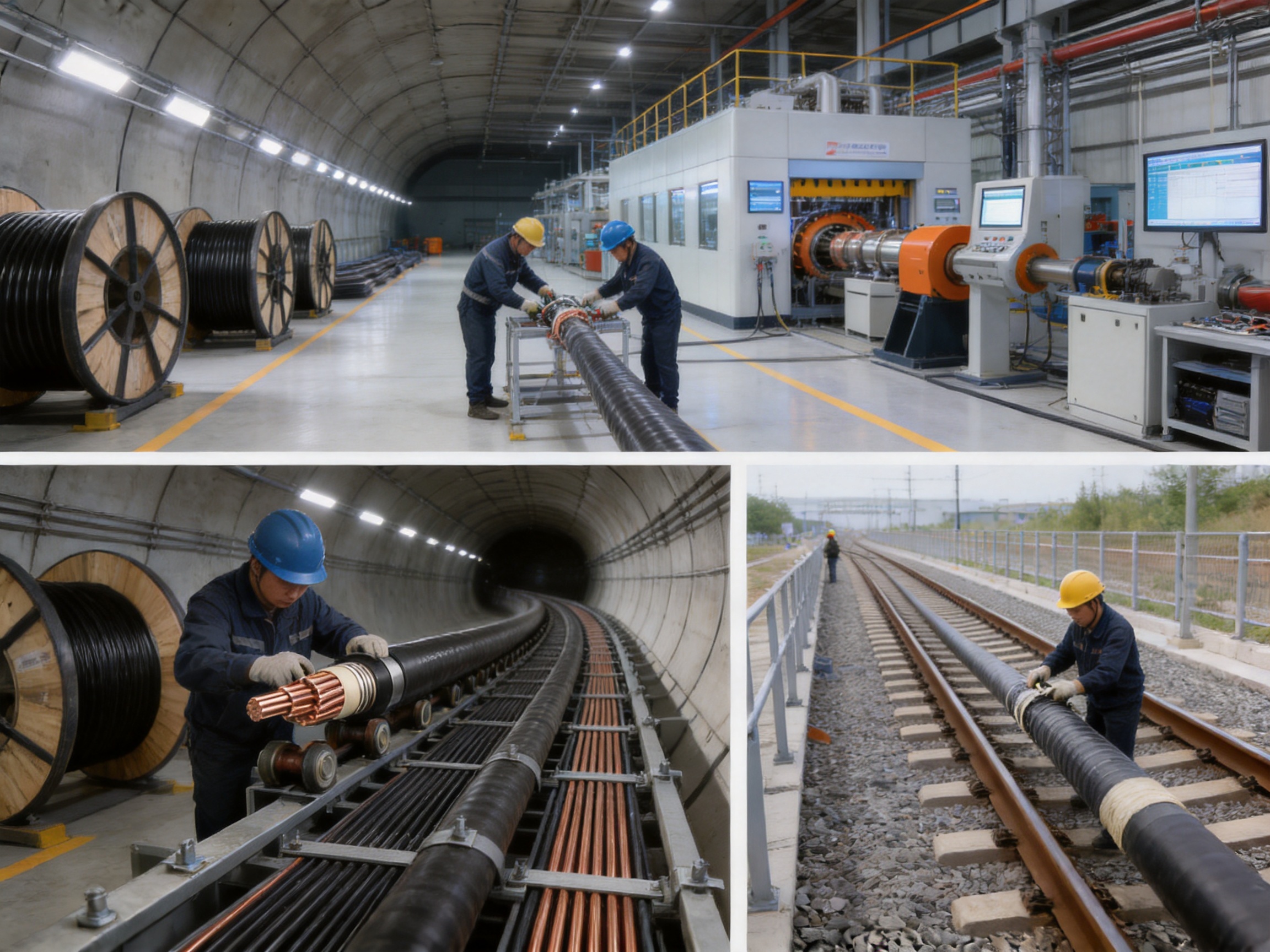
12. Installation, Testing, and Commissioning
Before installation, cable drums should be inspected for damage, correct identification, moisture ingress, and compliance with the shipping documents. The cable ends should remain sealed until preparation begins. The drum should be stored on a firm surface and protected from impact, flooding, and prolonged exposure to unsuitable environmental conditions.
During cable laying, installers should observe the minimum bending radius and pulling-force limits. Rollers and corner guides should be used to prevent abrasion. Cables should not be dragged directly across concrete, ballast, metal edges, or contaminated surfaces. Any visible sheath damage should be recorded and evaluated rather than concealed.
Cable arrangement and support spacing should be designed to prevent excessive movement during normal operation and short-circuit conditions. For single-core cables, the arrangement should account for magnetic fields, induced currents, phase spacing, and bonding. The use of nonmagnetic or suitable cleats may be necessary depending on the system design.
After laying, the cable should be inspected for sheath damage, correct routing, phase identification, grounding continuity, and adequate separation from incompatible services. Joints and terminations should be installed by trained personnel using approved procedures. Environmental cleanliness is especially important during medium-voltage accessory preparation.
Testing should be conducted in accordance with the project specification and applicable standards. Typical activities may include conductor resistance measurement, insulation-resistance testing where appropriate, sheath testing, continuity checks, phase identification, and high-voltage withstand or commissioning tests. The test method must be selected carefully for XLPE-insulated cable systems to avoid inappropriate stress or damage.
Test records should identify the cable section, drum number, conductor size, test voltage, duration, ambient conditions, equipment used, and test result. Clear documentation supports future maintenance and establishes a baseline for the installed network.
13. Maintenance and Long-Term Reliability
Specialized cable construction can reduce risk, but preventive maintenance remains necessary. Rail operators should maintain route drawings, cable schedules, joint locations, termination records, and test histories. Inspection intervals should reflect the importance of the circuit, environmental exposure, accessibility, and operating conditions.
Accessible cable sections should be checked for sheath damage, displaced supports, excessive bending, water accumulation, corrosion, and unauthorized modifications. In outdoor or trackside locations, inspection should also consider ultraviolet exposure, vegetation growth, soil movement, and signs of rodent activity.
Thermal monitoring may be considered for heavily loaded or strategically important circuits. Unusual temperature rise can indicate overload, poor connection, unbalanced current, inadequate ventilation, or deteriorated accessories. Monitoring data can assist operators in identifying developing problems before they result in an outage.
Where a cable is installed in a tunnel or underground station, the condition of cable penetrations and fire-stopping systems should be reviewed together with the cable. A low-smoke cable cannot compensate for damaged fire barriers, open service penetrations, or unsuitable support materials.
The anti-termite and anti-rodent construction reduces biological risk but does not eliminate the need for environmental management. Food waste, standing water, vegetation, and structural openings can encourage biological activity. Good facility maintenance should therefore complement the cable's protective design.
14. Why Manufacturing Capability Matters to Rail Projects
Rail transit projects often require consistent deliveries over long construction periods. A manufacturer with multiple production and testing lines can support scheduled production, product customization, and supply coordination. This is particularly important when a project uses several conductor sizes, core configurations, armor options, and fire-performance classifications.
Technical personnel are needed not only to manufacture the cable but also to review specifications, confirm model selection, coordinate accessories, respond to installation questions, and support inspection documentation. The manufacturer's experience across power, railway, renewable-energy, and industrial cable applications provides a broad technical foundation for such work.
Quality systems also matter because cable reliability is cumulative. Conductor quality, insulation cleanliness, extrusion stability, sheath thickness, screen integrity, drum handling, and final testing all influence the finished product. A weakness in any stage can reduce the reliability margin of the complete cable system.
Investment in online eccentricity monitoring, high-voltage series-resonance equipment, and partial-discharge detection demonstrates an emphasis on process measurement and electrical verification. These capabilities are particularly relevant to 35kV XLPE cable, where internal defects may not be visible from the exterior.
The company's certifications and management systems provide an additional framework for controlling production, environmental impact, occupational safety, energy use, and customer service. For infrastructure owners and engineering contractors, this can simplify supplier evaluation and support project compliance requirements.
15. Frequently Asked Questions
Q1: What applications are suitable for this 35kV cable?
The cable is intended for subway, lightweight rail, urban commuter railway, tunnel, underground station, trackside, depot, and related urban rail transit power systems. It is especially suitable where low smoke, reduced halogen or halogen-free performance, flame retardancy, termite resistance, and rodent resistance are required.
Q2: What are the rated voltage options?
The stated rated voltage options are U₀/U 21/35kV and 26/35kV. The correct option depends on the network design, system earthing arrangement, insulation coordination, and project specification.
Q3: What is the maximum continuous conductor temperature?
The maximum permissible continuous operating temperature of the conductor is 90°C, provided that the cable is installed and loaded according to the applicable design conditions.
Q4: What temperature can the conductor reach during a short circuit?
The conductor can reach a maximum short-circuit temperature of 250°C for a maximum duration of five seconds. The actual fault current and protection-clearing time must be checked for the specific system.
Q5: What conductor sizes are available?
Production covers conductor cross-sections up to 630mm². The required size should be selected according to load current, voltage drop, thermal conditions, short-circuit requirements, and installation method.
Q6: Is the cable halogen-free?
The range includes a non-halogen, low-smoke model, represented by (FZ-FSY)-WD-TYJY, as well as a low-halogen, low-smoke model, represented by (FZ-FSY)-DD-TYJV. The purchaser should identify the required material and fire-performance category when placing an order.
Q7: Does the cable resist termites and rodents?
Yes. The representative models are designed with anti-termite and anti-rodent protection. The outer sheath is intended to resist environmental stress cracking and reduce the risk of biological damage.
Q8: What is the minimum bending radius?
During installation, the minimum bending radius is 20D for single-core unarmored cable, 15D for single-core armored cable, 15D for three-core unarmored cable, and 12D for three-core armored cable. D refers to the cable's outer diameter.
Q9: Can the cable be installed at low temperatures?
The recommended installation ambient temperature is no lower than 0°C. The supplied technical information states that installation at 0°C does not require preheating. If the temperature is below 0°C, the approved installation procedure should be followed and preheating may be required.
Q10: Can flame-retardant classes be customized?
ZA, ZB, and ZC flame-retardant cable options may be supplied according to customer request. The required classification should be confirmed during technical review and stated in the purchase specification.
Q11: What tests are associated with the cable?
The cable is required to pass 3.5U₀ AC and DC voltage-resistance tests. Conductor direct-current resistance must comply with the relevant standard. Additional routine, sample, type, sheath, dimensional, and commissioning tests should be agreed according to the project and applicable standards.
Q12: Why is low-smoke performance important in subway systems?
Subway tunnels and underground stations have restricted ventilation and may contain large numbers of passengers. Reduced smoke generation can help preserve visibility during evacuation and emergency response. Lower corrosive gas generation can also help protect equipment and building components.
Q13: Does selecting an LSZH cable eliminate all fire risks?
No. Cable selection is one part of a complete fire-safety system. Correct installation, fire stopping, compartmentation, support design, protection coordination, emergency ventilation, and maintenance remain necessary.
Q14: What information should be provided when requesting a quotation?
The purchaser should provide the rated voltage, conductor material and size, number of cores, armored or unarmored construction, halogen and smoke requirements, flame-retardant classification, anti-termite and anti-rodent requirements, cable length, delivery schedule, installation environment, applicable standards, and required inspection documents.
16. Conclusion
The 35kV power cable for subway and urban rail transit is engineered for the combined electrical and environmental demands of modern transportation infrastructure. Its 21/35kV and 26/35kV voltage options, XLPE insulation, 90°C continuous conductor rating, 250°C short-circuit capability, and conductor sizes up to 630mm² provide a strong foundation for medium-voltage rail power distribution.
Its principal distinction is the integration of multiple protective functions. Low-smoke, halogen-free or low-halogen, flame-retardant construction supports underground fire safety. Anti-termite and anti-rodent features help protect long cable routes from biological damage. Ultraviolet protection and environmental stress-cracking resistance improve durability in exposed or variable installation conditions.
The product is supported by a manufacturer with broad cable-industry experience, extensive production and testing resources, technical personnel, and certified management systems. Online eccentricity monitoring, high-voltage series-resonance testing, and partial-discharge detection contribute to process and product verification for medium-voltage cable applications.
For subway, light rail, urban commuter railway, tunnel, depot, and trackside projects, the cable provides a specialized alternative to ordinary medium-voltage power cables. When correctly selected, installed, tested, and maintained, it can contribute to reliable power delivery, improved fire performance, reduced environmental risk, and long-term operational stability.
References
1. GB/T 12706.3-2020, Power Cables with Extruded Insulation and Their Accessories for Rated Voltages from 1kV to 35kV.
2. Technical product information for 35kV power cable for subway and lightweight track, including construction, operating characteristics, fire-performance indicators, and installation requirements.
3. Manufacturer-provided technical data for (FZ-FSY)-WD-TYJY and (FZ-FSY)-DD-TYJV rail transit power cable models.
4. Manufacturer-provided quality-management, environmental-management, occupational-health and safety, and energy-management information.
5. General engineering practices for medium-voltage XLPE cable selection, installation, testing, jointing, termination, and commissioning.
6. General fire-safety principles for low-smoke, halogen-free, flame-retardant cables used in underground transportation infrastructure.
Product: Power Cable for Subway and Urban Rail Transit (Rated Voltage 35kV)

-
Power Cable for Subway and Urban Rail Transit (Rated Voltage 35kV)
-
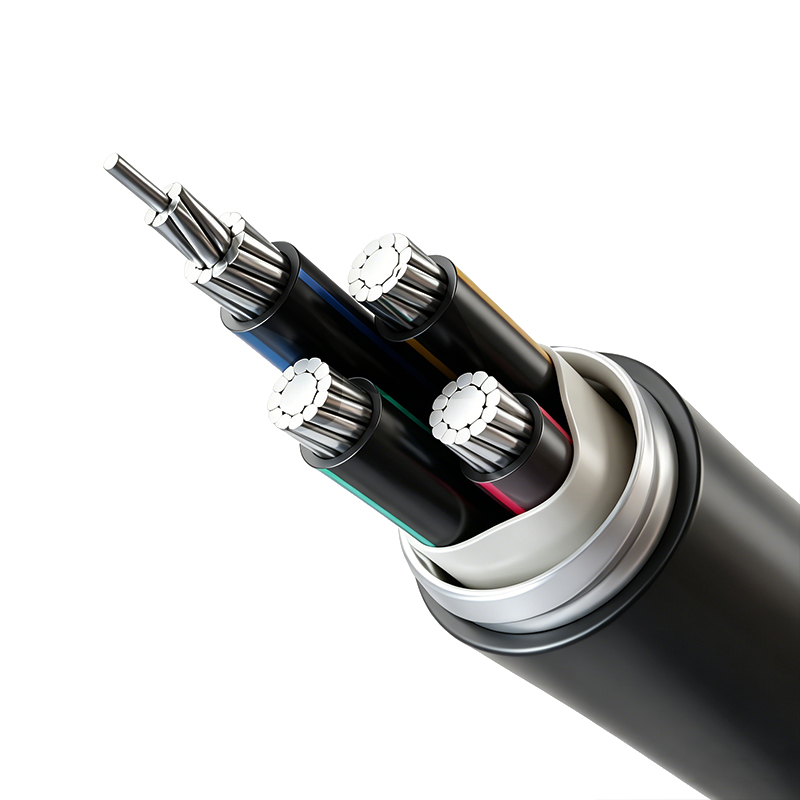
Aluminum Alloy Conductor Plastic Insulated Power Cable (Rated Voltage up to 26/35kV)
-
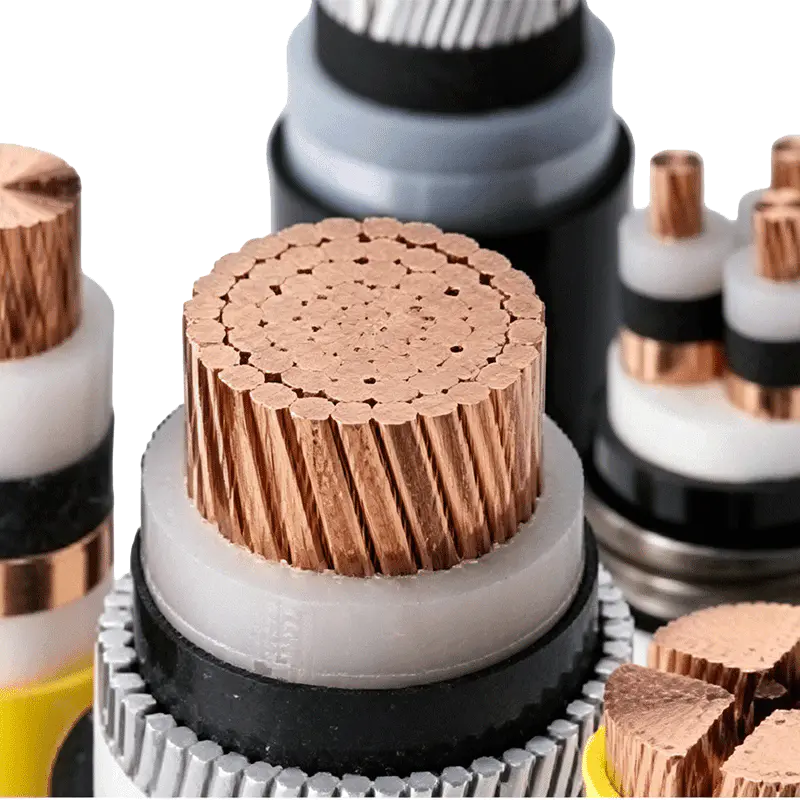
Rated Voltage 3.6/6kV–26/35kV XLPE Insulated Power Cable
-
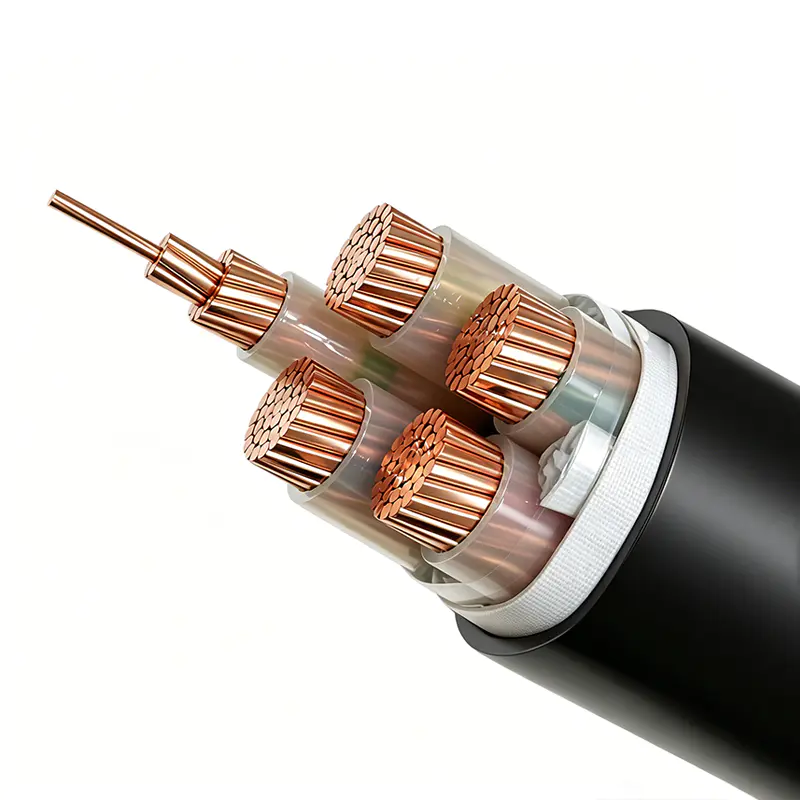
Rated Voltage 1.8/3kV XLPE Insulated Power Cable
-
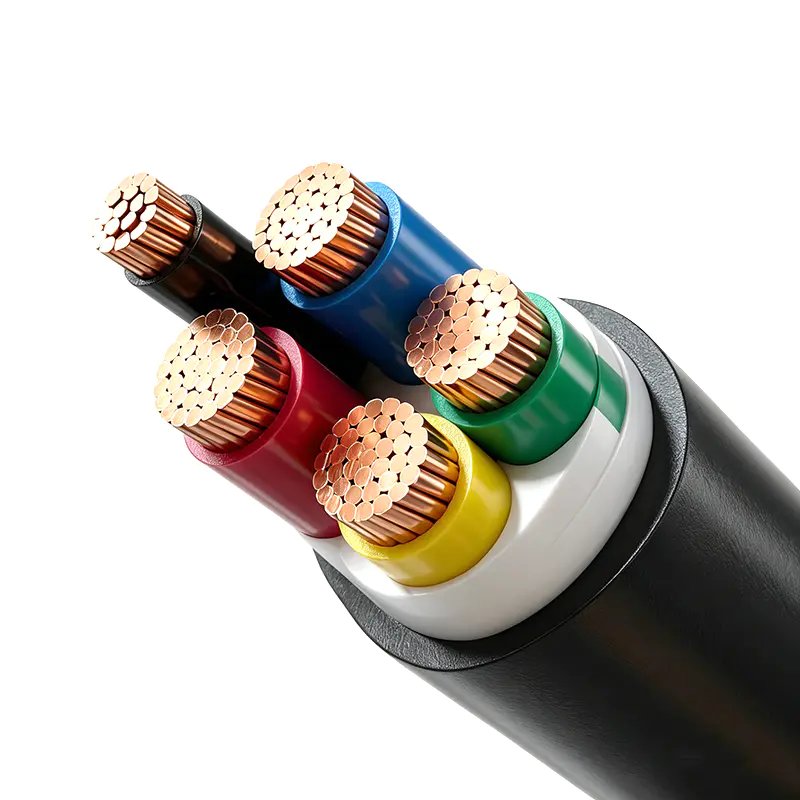
Rated Voltage 1.8/3kV PVC Insulated Power Cable

Copyright © Wuxi Guanghuan Cable Co., Ltd. All Rights Reserved. Power Cables Manufacturer Electrical Wire And Cable Factory

